Edward Weston: Becoming Modern
The MEP is pleased to present Edward Weston — Becoming Modern, an exceptional journey into the origins of modernist photography through the vision and practice of one of the medium’s most influential figures.
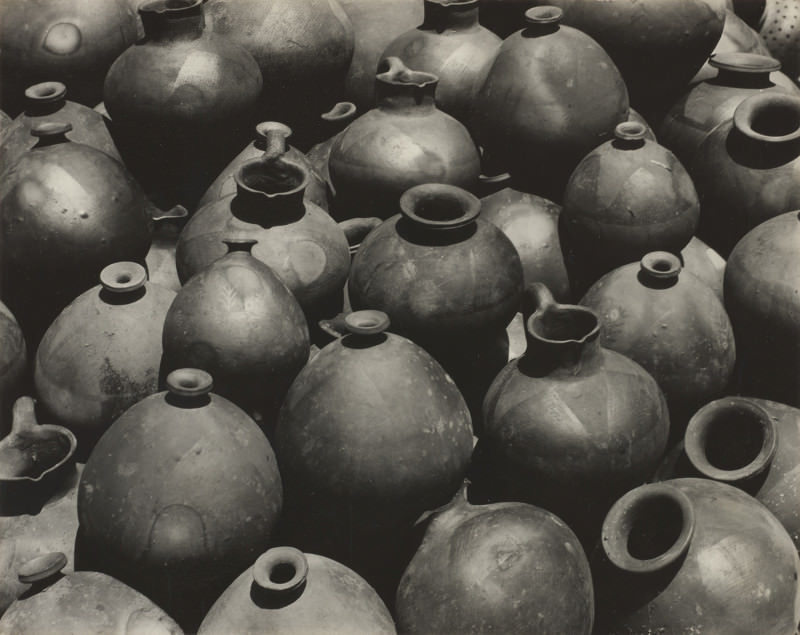
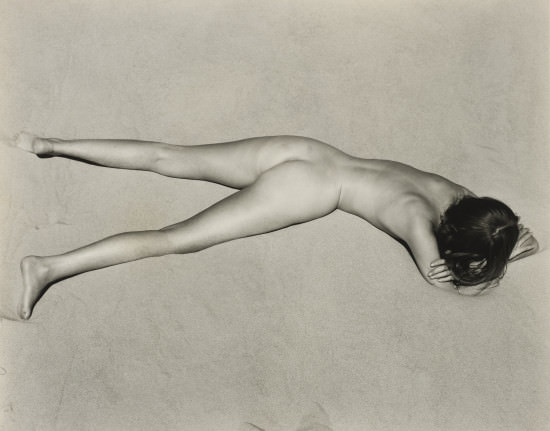
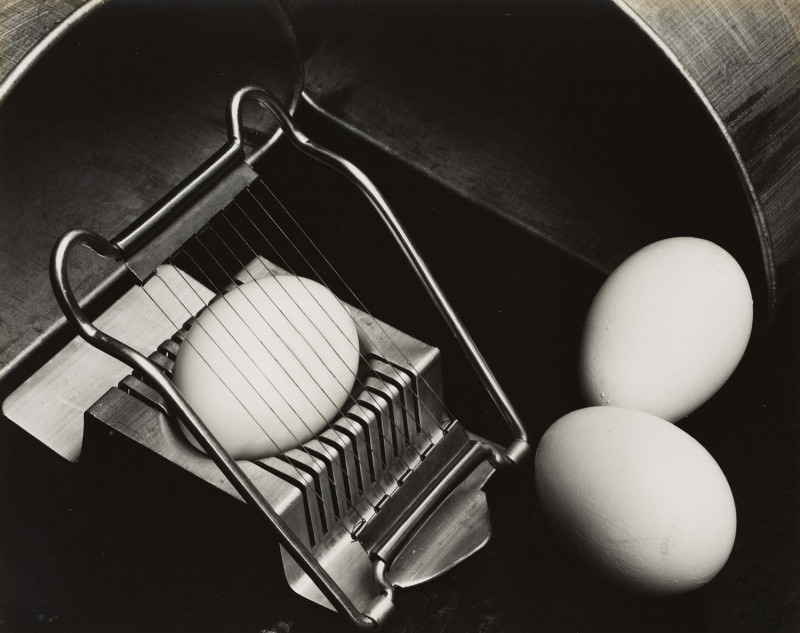
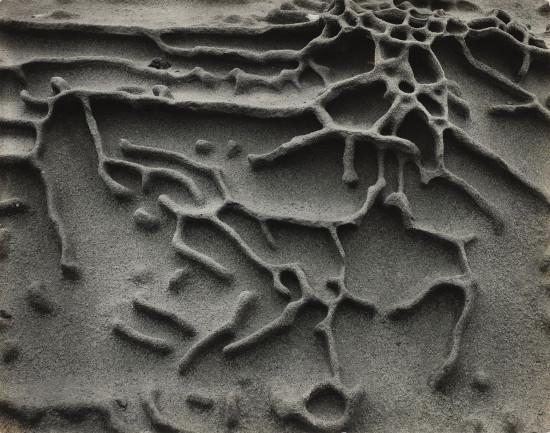
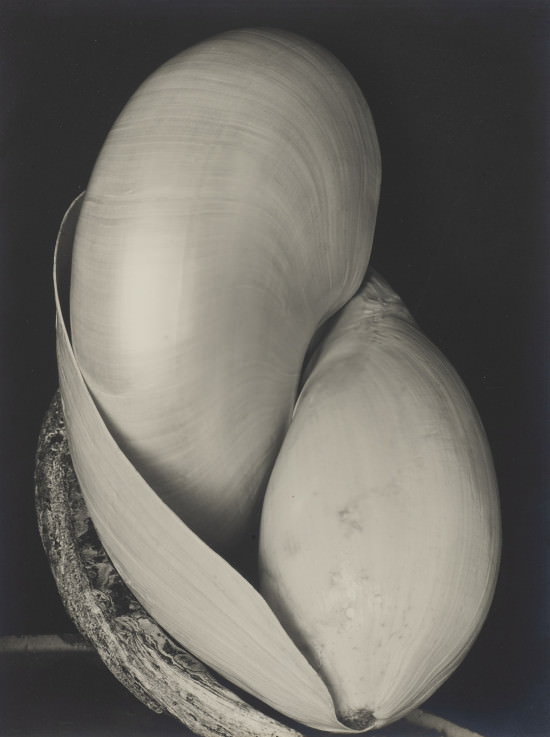
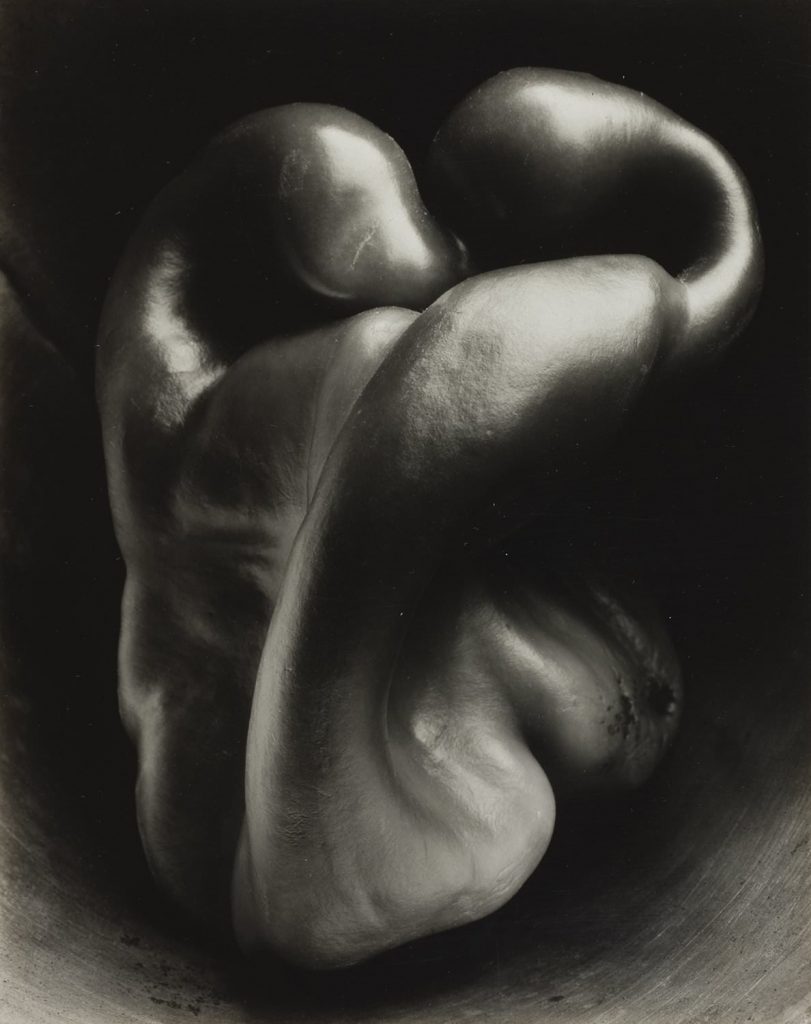
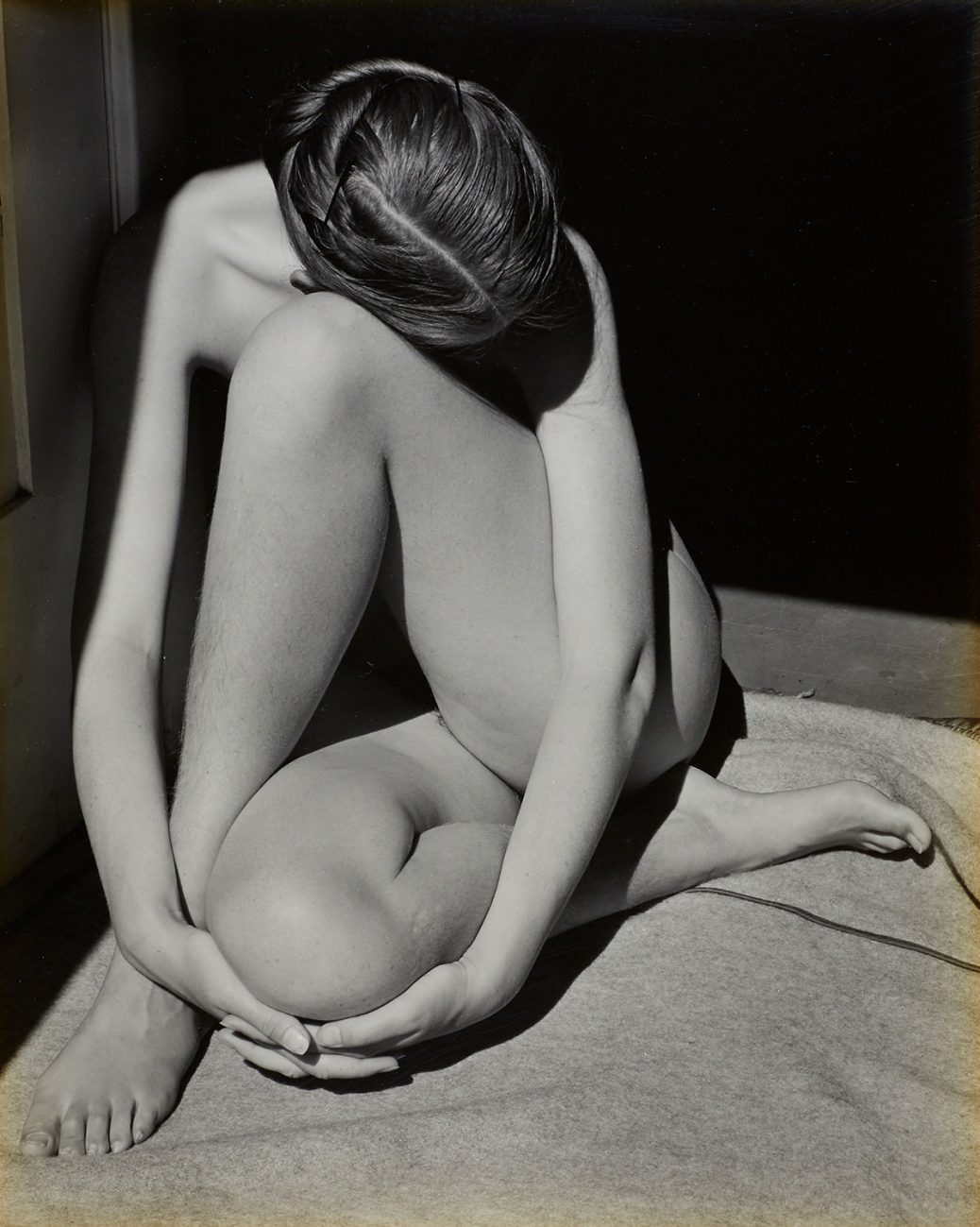
Drawn entirely from the renowned Wilson Centre for Photography collection, the exhibition explores the pivotal moment in which Weston transitioned from a refined, painterly pictorialist aesthetic to a stripped-down, precise, and resolutely modernist approach. Rejecting artifice in favour of line, form, and light, Weston photographed ordinary objects—shells, vegetables, bodies, stones—with uncompromising formal rigor, transforming the everyday into powerful visual motifs.
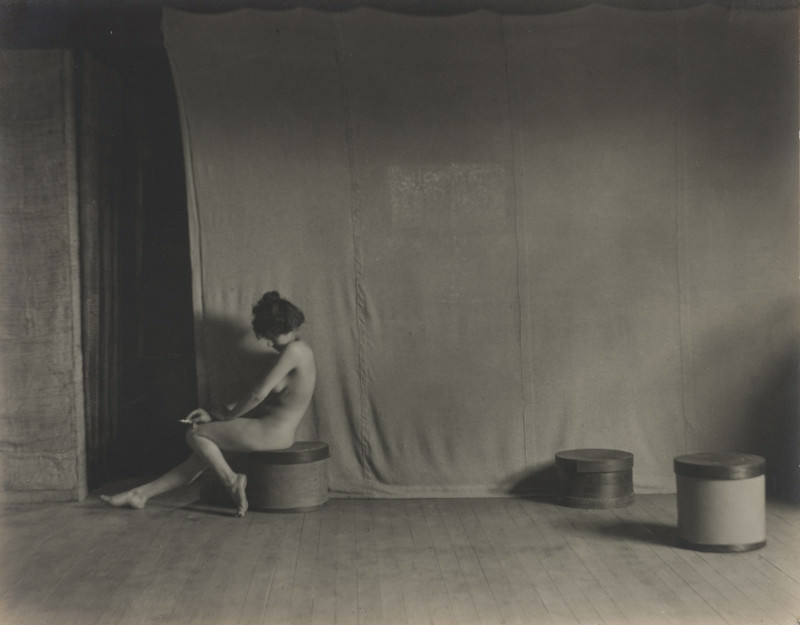
Featuring more than one hundred vintage prints, many of which have rarely, if ever, been shown in Paris, the exhibition juxtaposes Weston’s masterpieces with major pictorialist works by Edward Steichen, Alfred Stieglitz, Anne Brigman, and others. Together, they present a rich and layered perspective on two foundational conceptions of photography.
Working far from the traditional centers of artistic influence, dividing his time between California and his formative years in Mexico, Weston developed his vision in solitude and with absolute independence. He sought neither spectacle nor provocation, but a quiet form of truth—an image as revelation.
Celebrating the depth and diversity of Weston’s work—from nudes to still lifes, landscapes, and intimate portraits of close collaborators such as Tina Modotti—the MEP pays tribute to a defining figure of photographic modernism. Many of the most iconic images are shown in their original form, hand-printed by Weston himself.
Based on an original idea by Michael G. Wilson, the exhibition is co-curated by Simon Baker and Laurie Hurwitz (MEP), together with Polly Fleury and Hope Kingsley of the Wilson Centre for Photography.
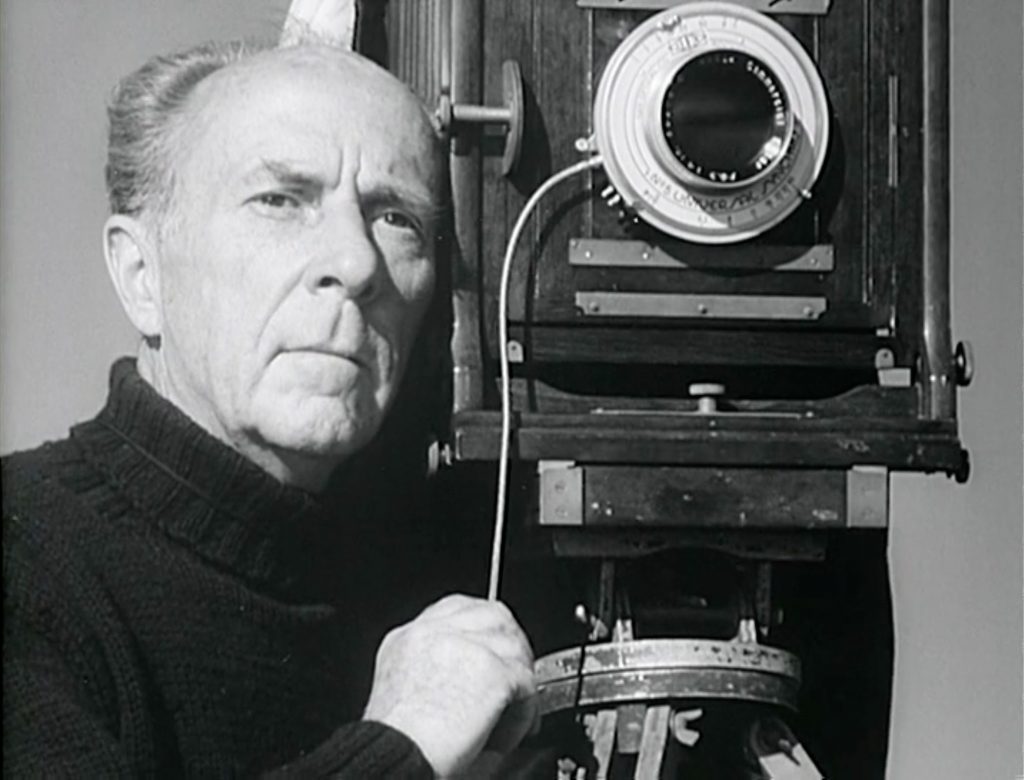
About the Author
Edward Weston (1886–1958) is widely regarded as one of the most influential photographers of the 20th century and a foundational figure of modernist photography. Born in Highland Park, Illinois, Weston began photographing at the age of 16 and soon developed a strong technical command of the medium. After moving to California in 1906, he initially embraced the soft-focus, painterly aesthetics of pictorialism, exhibiting widely and gaining recognition within the American photography community.
In the early 1920s, Weston underwent a dramatic shift in his artistic vision. Influenced by his time in Mexico—where he collaborated closely with Tina Modotti—and inspired by a desire for clarity and formal precision, he abandoned pictorialist conventions and developed the sharply focused, unembellished style that would become his signature. His images of shells, peppers, nudes, landscapes, and everyday objects reveal an intense attention to form, texture, and light, transforming the ordinary into abstract, sculptural compositions.
Weston co-founded the influential f/64 Group in 1932 alongside Ansel Adams, Imogen Cunningham, and other West Coast photographers advocating for “pure photography,” characterized by sharp focus, rich tonal range, and direct engagement with the subject. Throughout his career, he produced some of the most iconic images in photographic history, many of which he printed meticulously by hand.
In 1937, he became the first photographer to receive a Guggenheim Fellowship, later producing extensive series in California and the American West, particularly at Point Lobos—one of his most enduring sources of inspiration.
Edward Weston died in 1958 in Carmel-by-the-Sea, leaving behind a body of work that continues to shape photographic practice and visual culture worldwide. His legacy is preserved through major collections, publications, and the continued influence of his distinct modernist vision.
Edward Weston: Becoming Modern
15 October 2025 – 25 January 2026
MEP – Paris – France
More info: