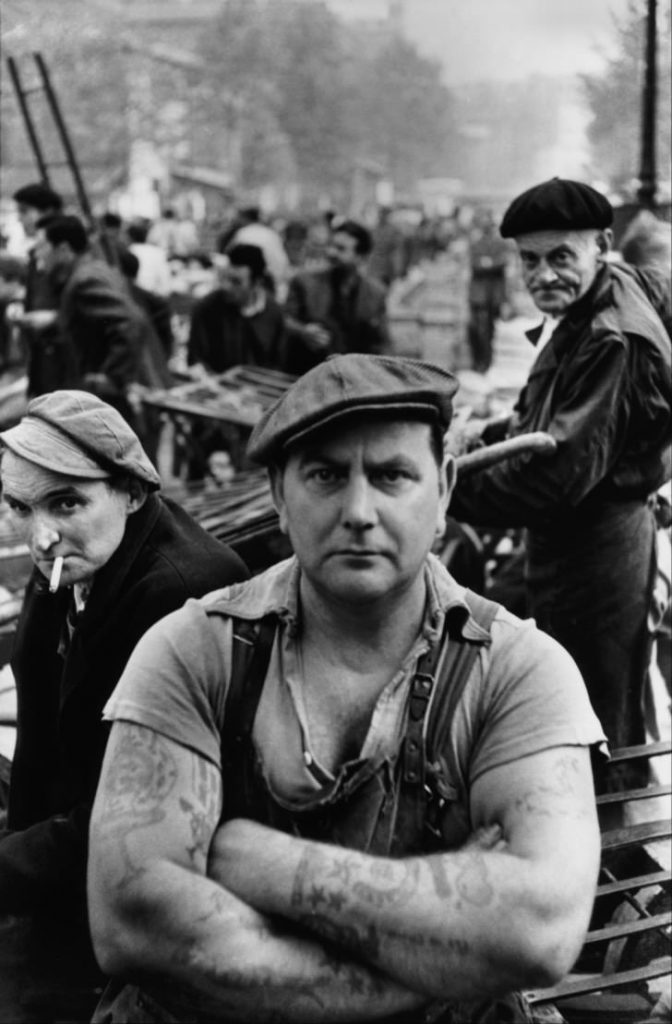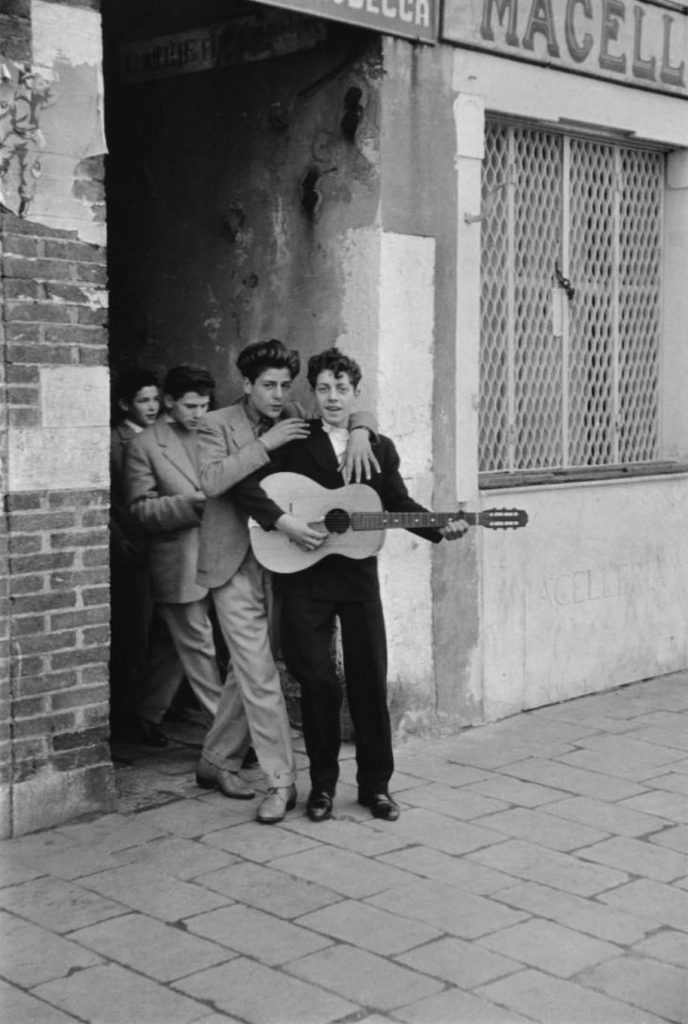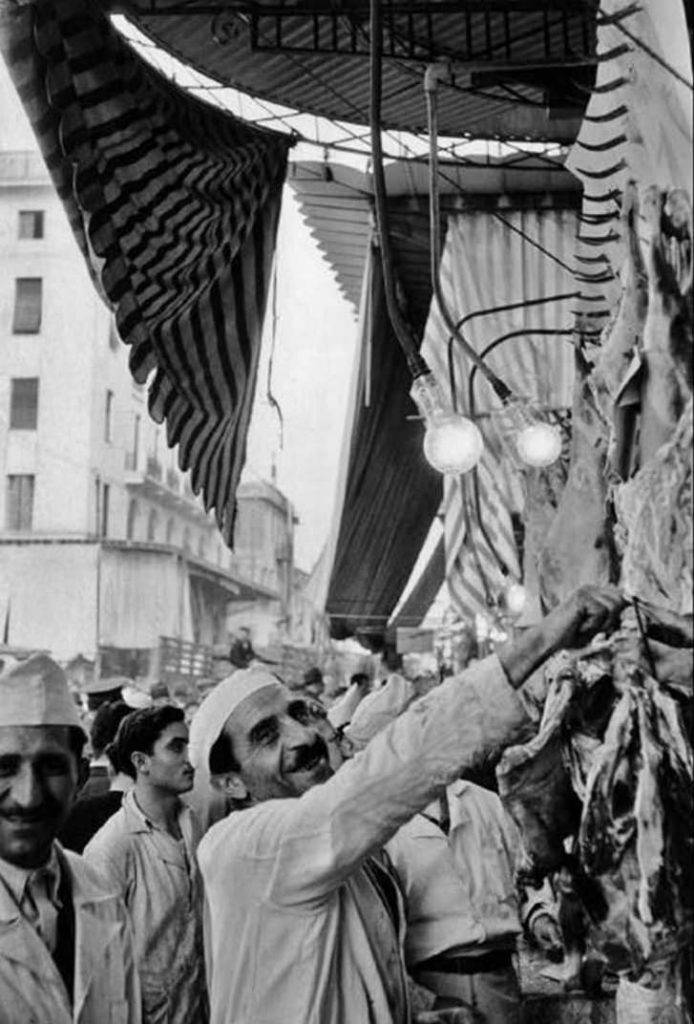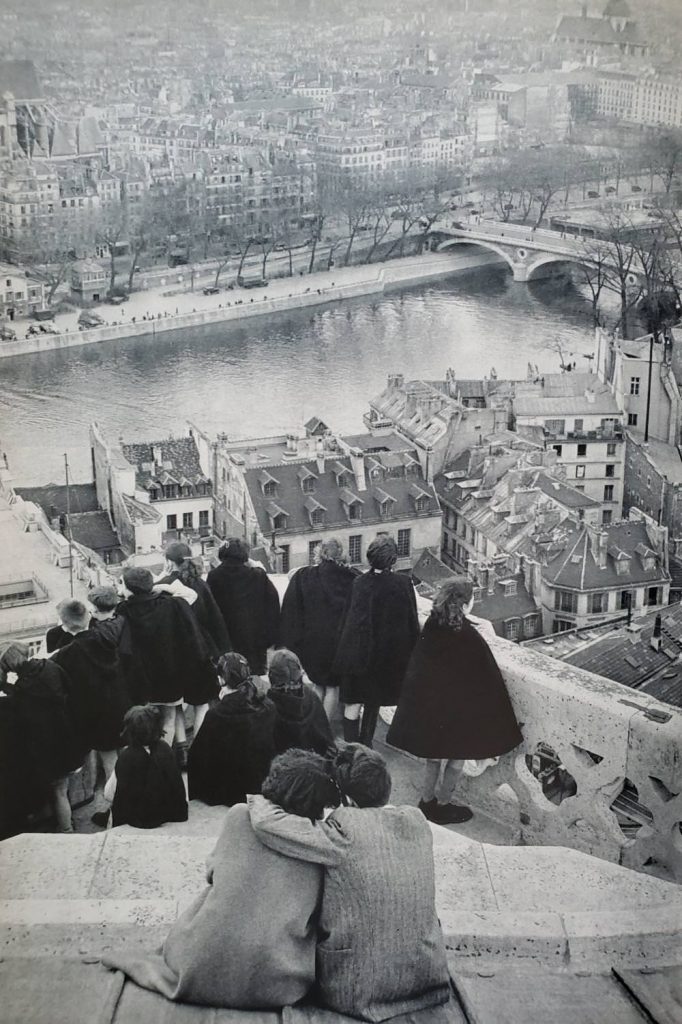
Henri Cartier-Bresson: The Europeans
For Henri Cartier-Bresson, Europe was never merely a destination—it was a lived space, shaped by history and human presence. Although his career took him across continents, he returned repeatedly to European countries, building a body of work that reflects both diversity and connection.
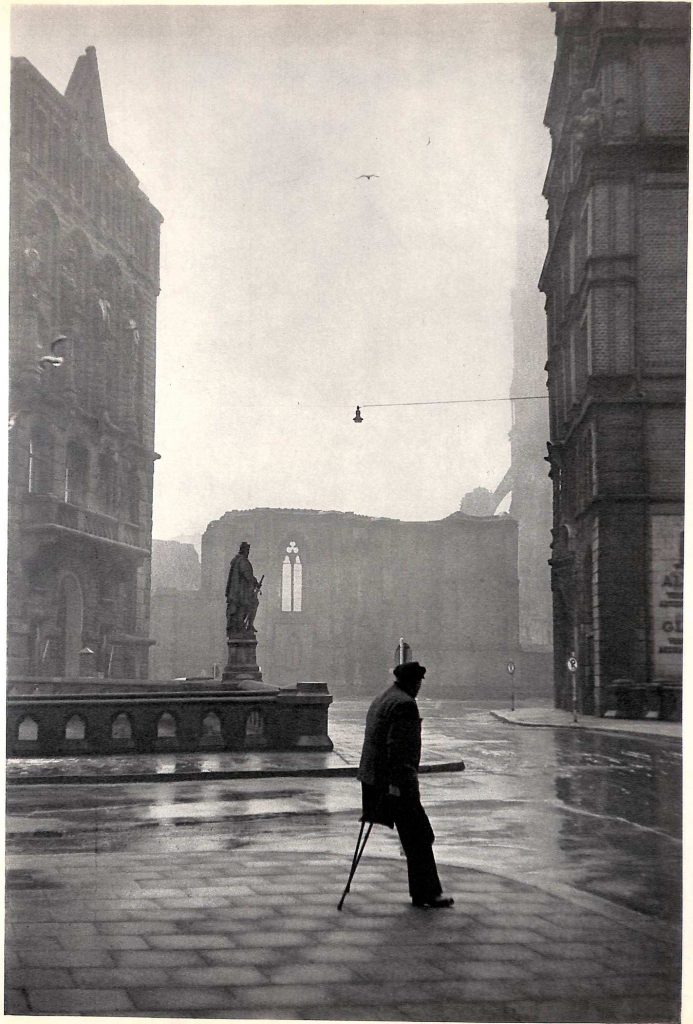
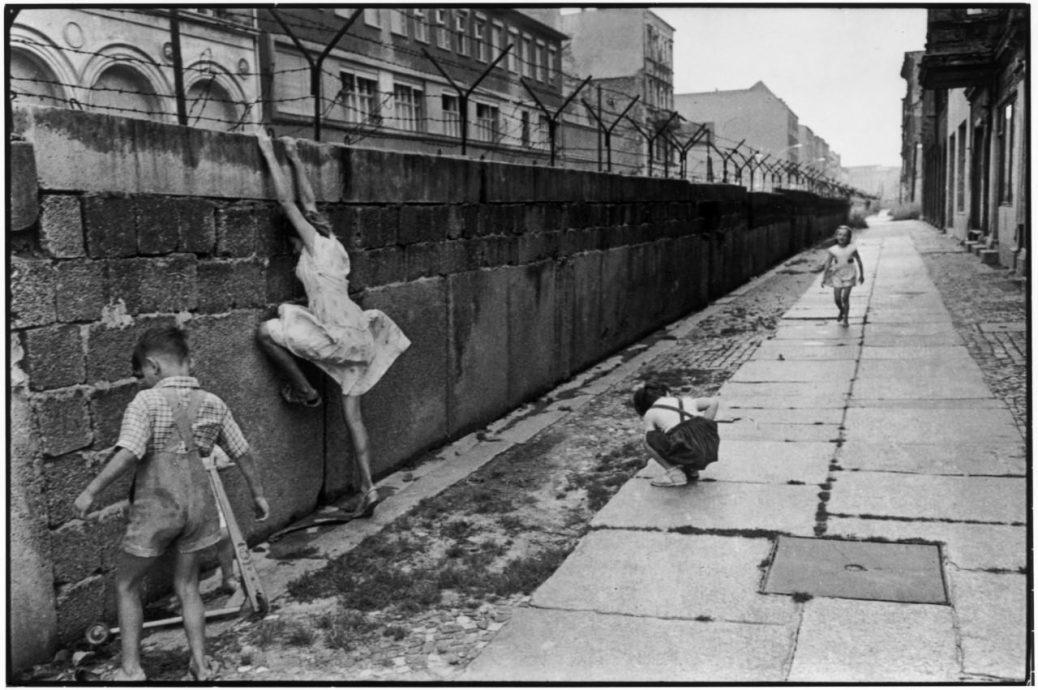
In the aftermath of World War II, Europe stood fractured, marked by devastation and uncertainty. At the same time, the emerging tensions of the Cold War and the early steps toward European unity formed a complex political backdrop. Between the late 1940s and early 1950s, Cartier-Bresson produced extensive photographic essays in Germany, Italy, Spain, Greece, Switzerland, and France for international magazines. Rather than presenting these projects separately, he envisioned bringing them together in a single publication.
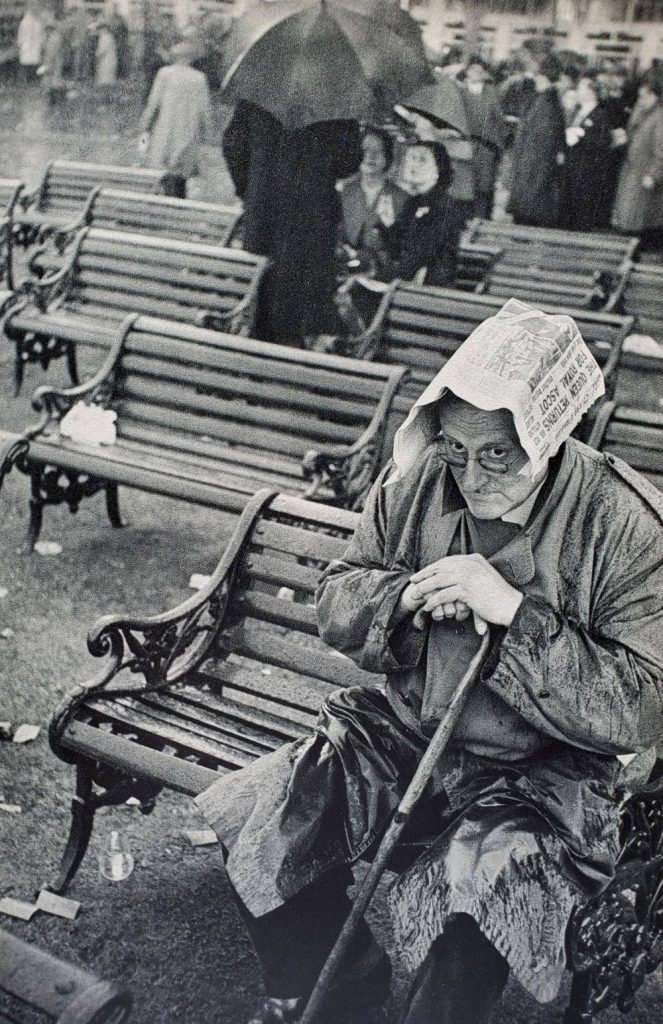
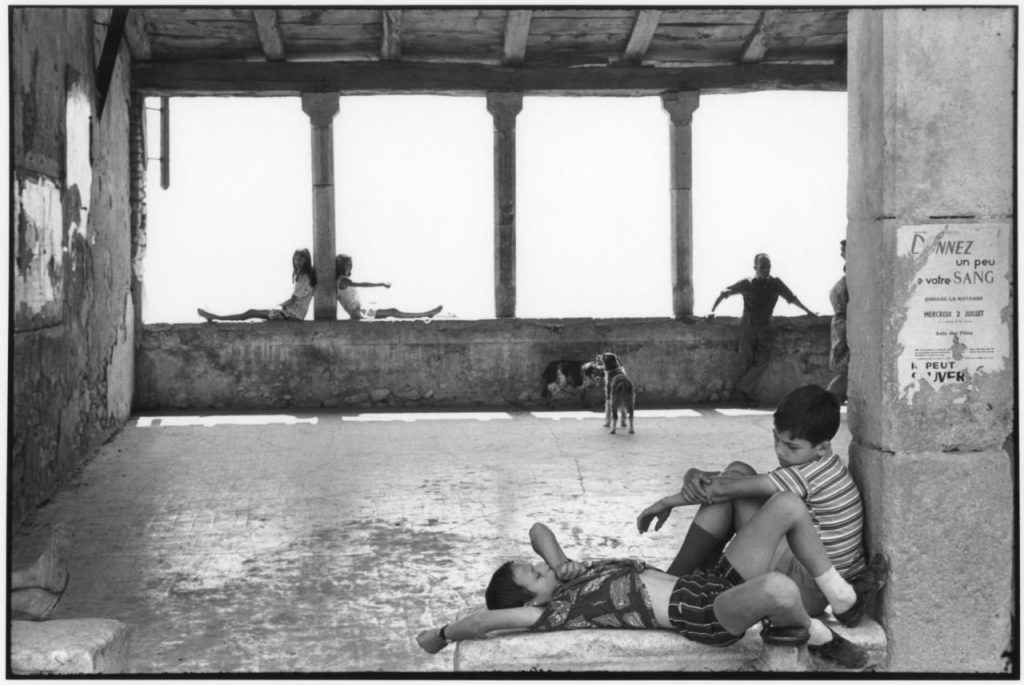
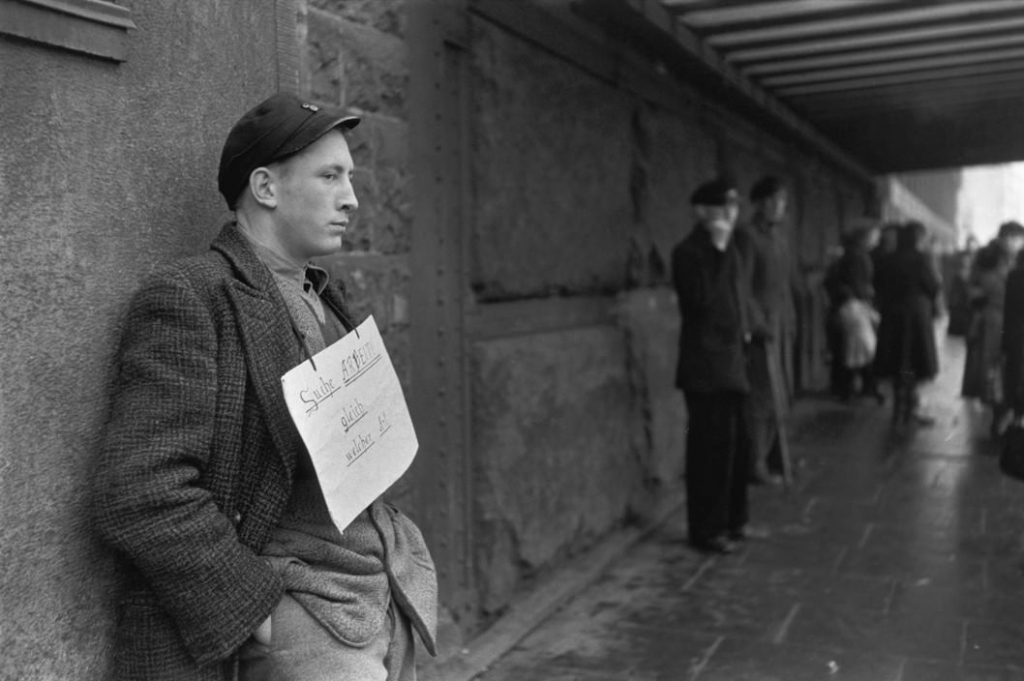
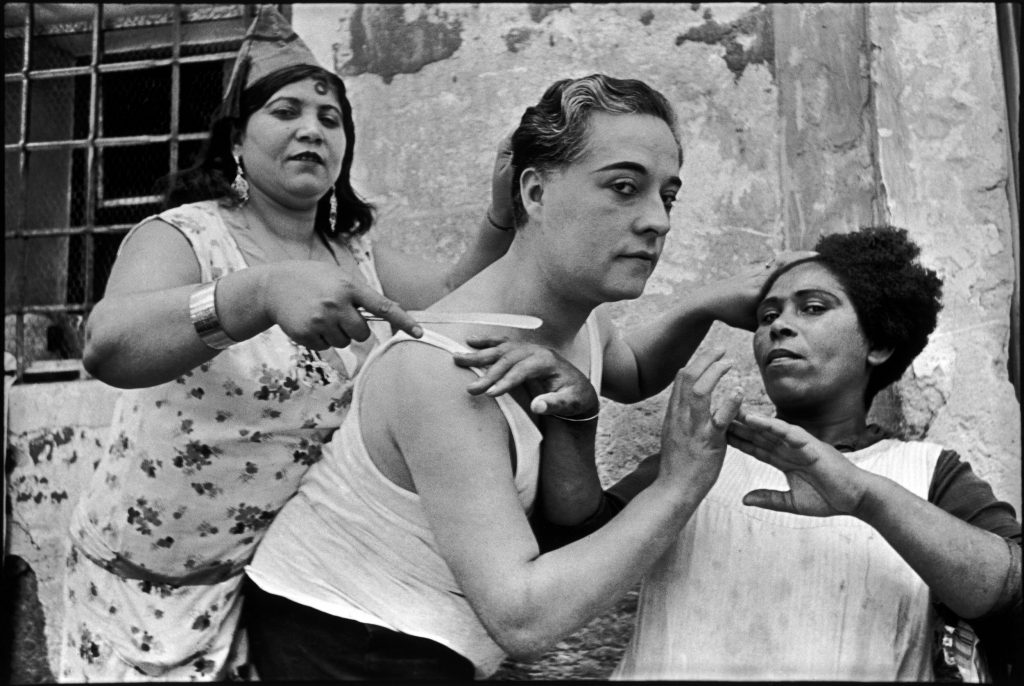
His intention was not to assemble a conventional travel book. Instead, he sought to create a collective portrait of the continent through its inhabitants. This vision gave rise to The Europeans—a title that places people, rather than places, at its center. The project explores what distinguishes each culture while revealing the common threads that unite them.
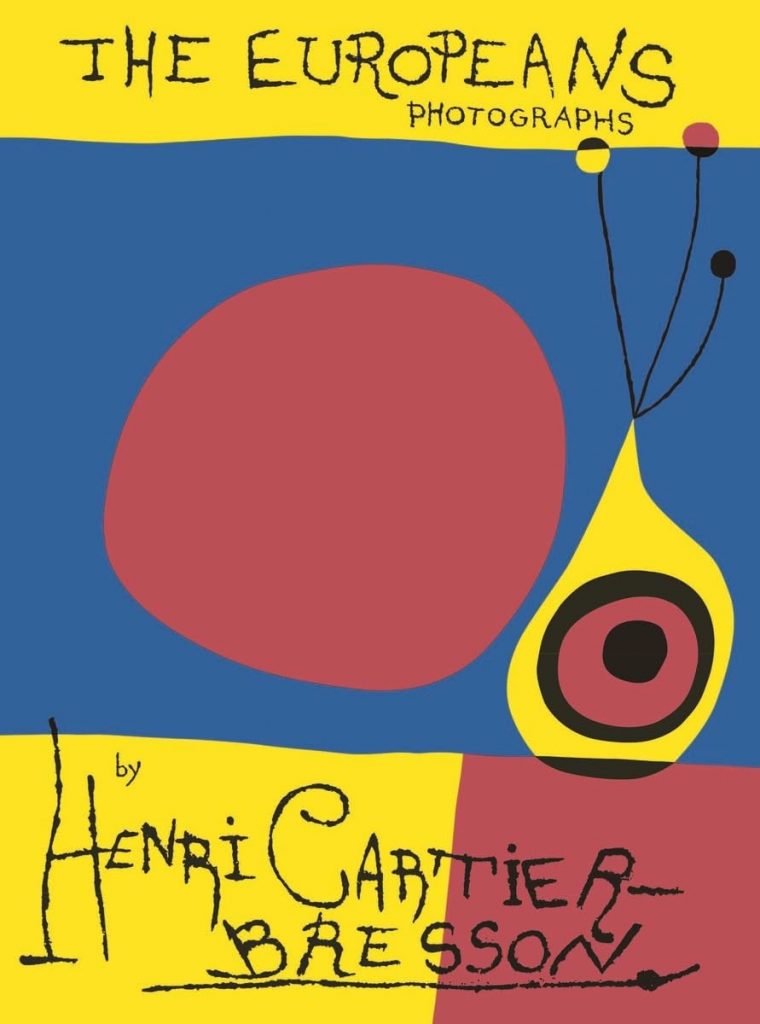
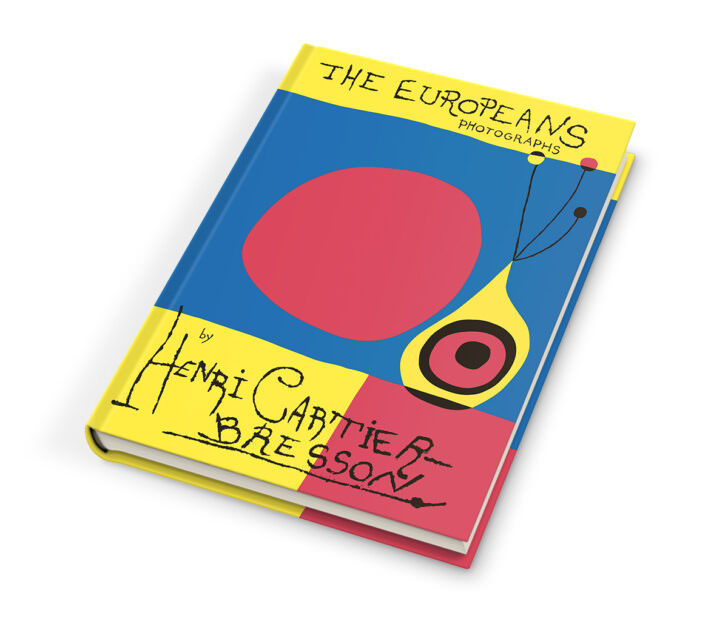
First published in 1955 by Verve, with a striking cover designed by Joan Miró, The Europeans followed Cartier-Bresson’s landmark volume The Decisive Moment. The book was never reissued—until now. This exhibition presents a selection of its most significant images, marking the long-awaited republication of this foundational work.
The Exhibition is curated by Clément Chéroux, Fondation Henri Cartier-Bresson Director.
About the Author
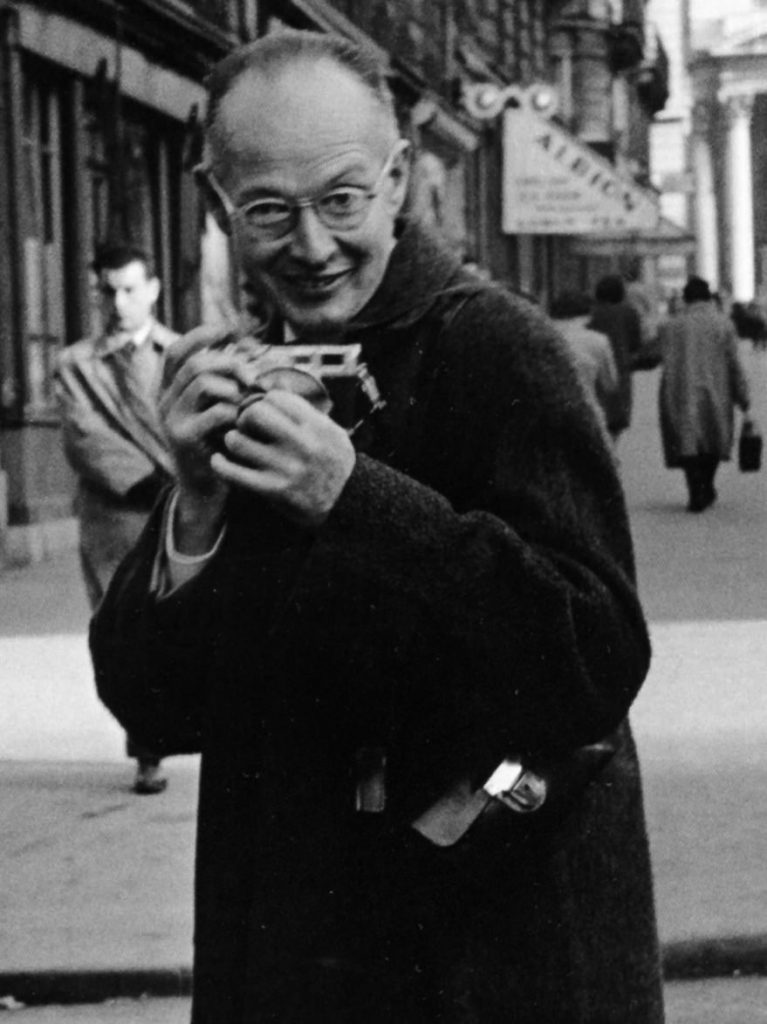
Widely considered one of the defining photographers of the twentieth century, Henri Cartier-Bresson (1908–2004) began his artistic path as a painter and moved within Surrealist circles before turning to photography in the early 1930s.
Across decades, he bore witness to many of the century’s pivotal events. Captured during World War II, he later escaped and joined the French Resistance. His camera accompanied him to India at the end of Gandhi’s life, to China during the Communist takeover, to the Soviet Union in the Cold War era, to postwar America, and to newly independent nations across Africa.
In 1947, together with Robert Capa, George Rodger, and David Seymour, he founded Magnum Photos, establishing a new model that granted photographers authorship and control over their work. That same year, the Museum of Modern Art in New York presented a major retrospective of his photography.
From the 1970s onward, after decades devoted to photography and documentary filmmaking, Cartier-Bresson gradually withdrew from these practices to concentrate on drawing. In 2003, shortly before his death, he co-founded the Fondation Henri Cartier-Bresson with his wife, photographer Martine Franck, and their daughter, Mélanie.
Henri Cartier-Bresson: The Europeans
January 28, 2025 — May 3, 2026
Henri Cartier-Bresson Foundation – Paris – France