Gaspar Gasparian: Brazilian Modernism
On the occasion of the Year of Brazil in France, Galerie Rouge presents a solo exhibition dedicated to the Brazilian photographer Gaspar Gasparian (1899–1966), a key figure of postwar Brazilian modernism. Alongside Thomas Farkas and Marcel Giró, Gasparian played a central role in advancing photographic experimentation in Brazil, pushing the medium toward abstraction and formal research.
This generation of artists—often referred to as the Brazilian modernist school—recently gained renewed international attention through the exhibition Construction Déconstruction Reconstruction, La photographie moderniste Brésilienne (1939–1964) presented at Rencontres de la Photographie d’Arles in summer 2025. Gasparian’s trajectory, moving from pictorialist influences to near-total abstraction, mirrors the broader evolution of Brazilian modernism and connects it to parallel movements abroad, such as the Subjective Photography associated with Otto Steinert and Peter Keetman in Germany, as well as the New Bauhaus/Institute of Design in Chicago represented by Harry Callahan and Aaron Siskind.
What distinguishes the São Paulo scene is its grassroots origin: it emerged from an amateur photography club, the Foto Cine Clube Bandeirante, founded in 1939 and soon established as a laboratory for innovative practices. Together with figures such as Geraldo de Barros, Eduardo Salvatore, Ademar Manarini, German Lorca and Thomaz Farkas, Gasparian helped assert photography as an autonomous medium, freed from painterly conventions.
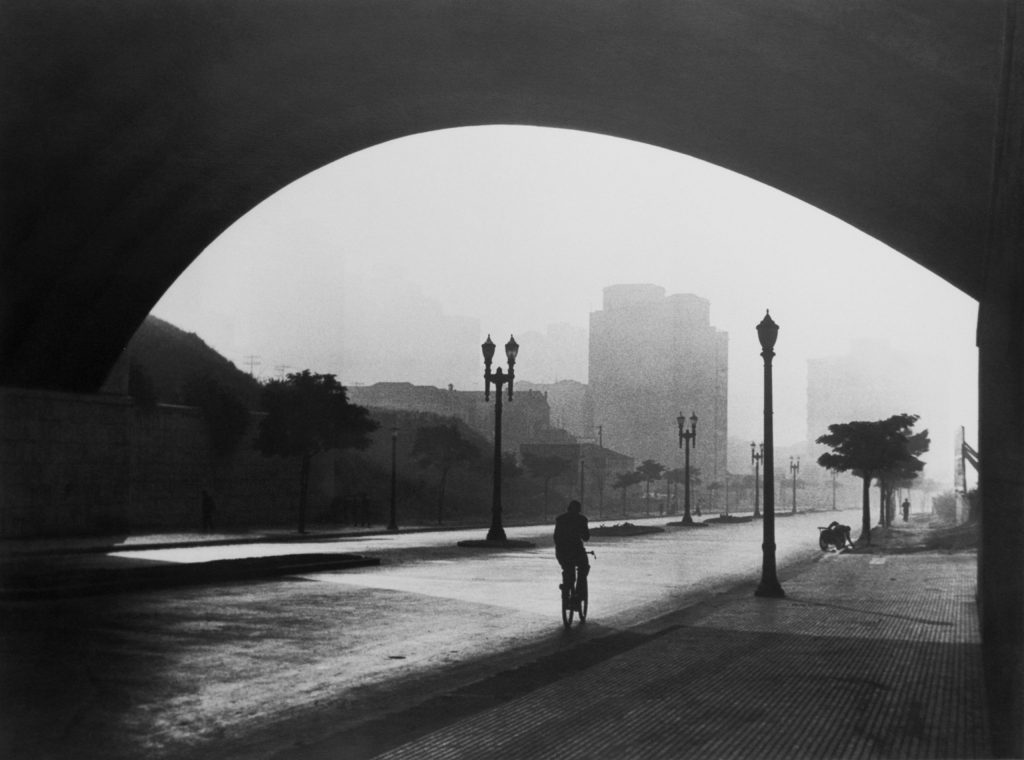
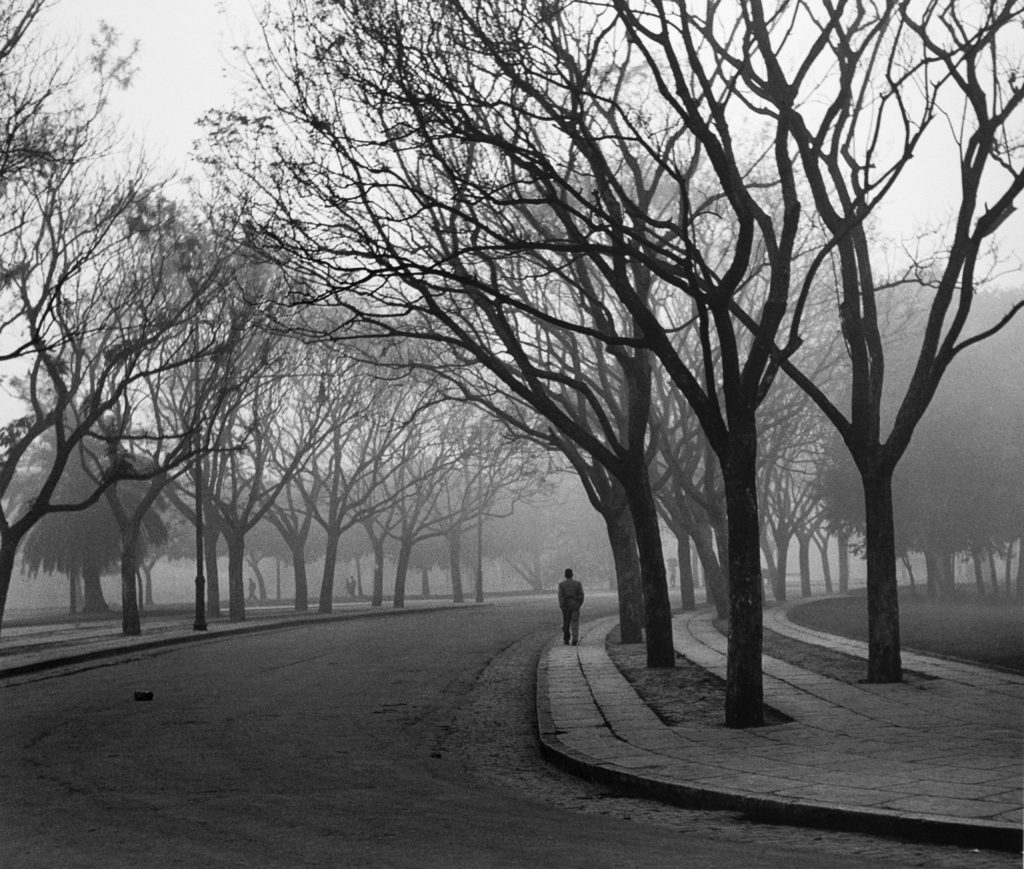
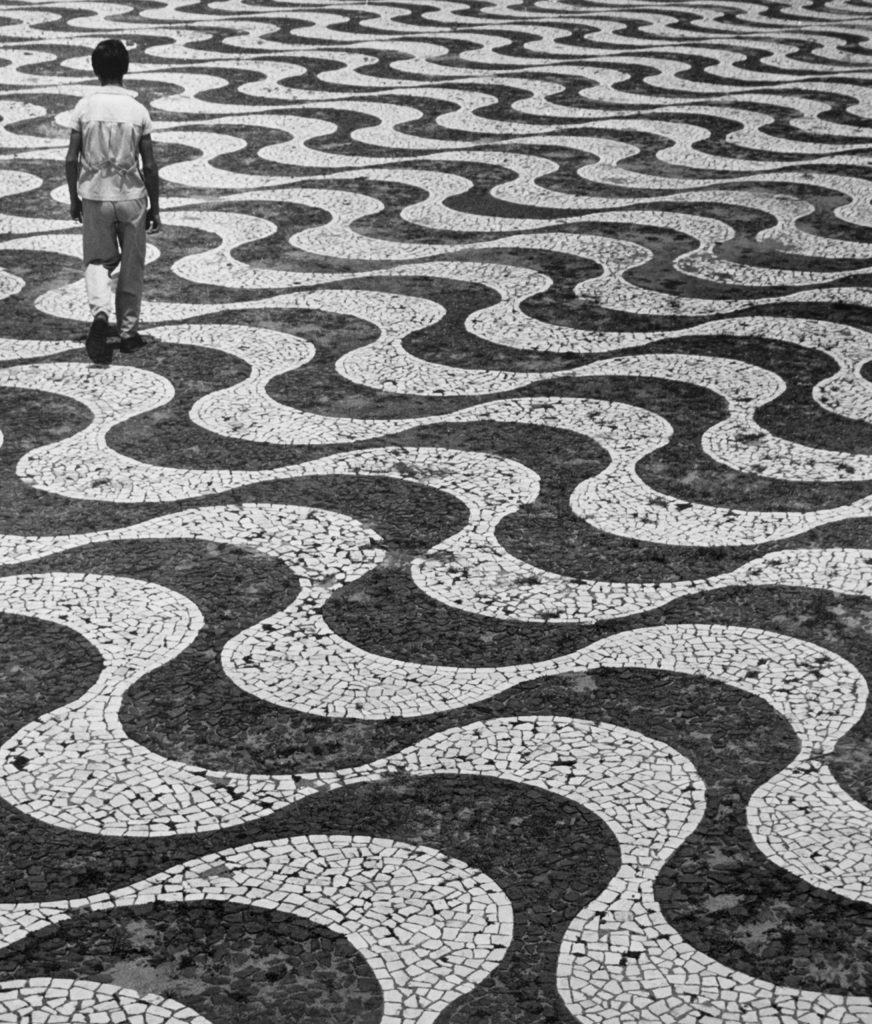
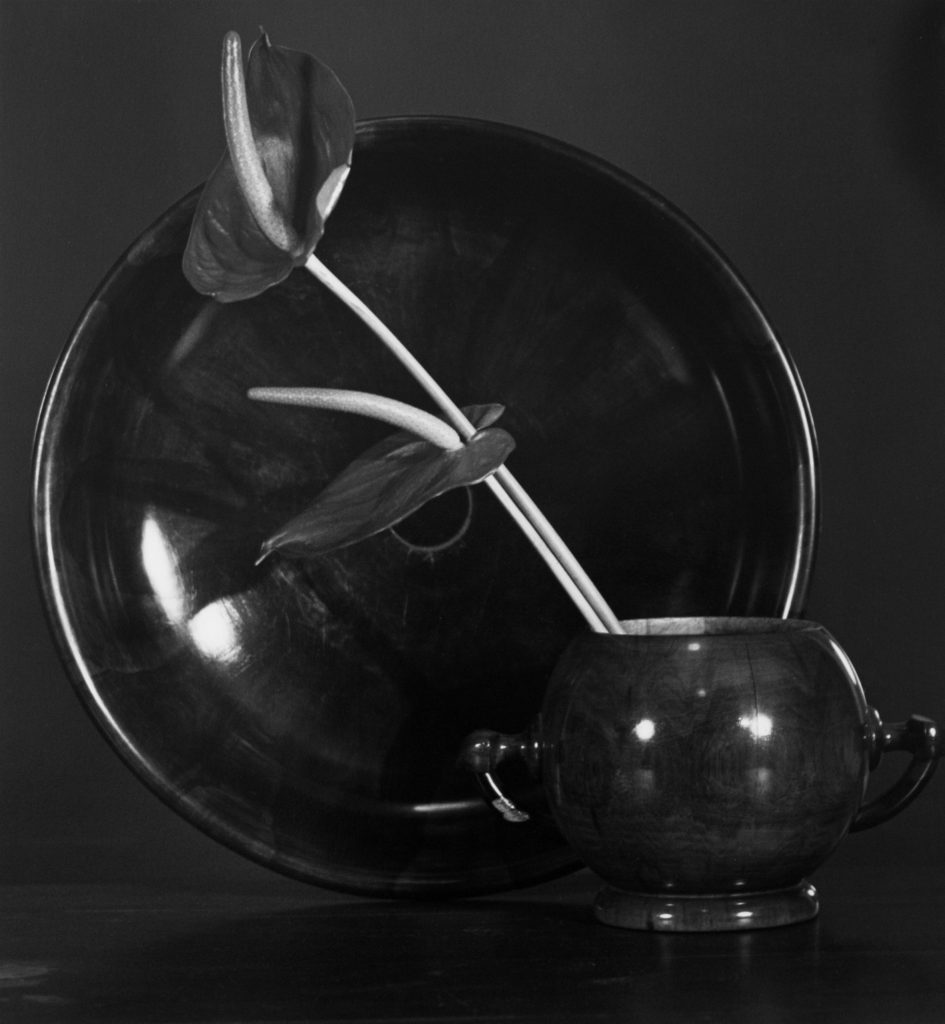
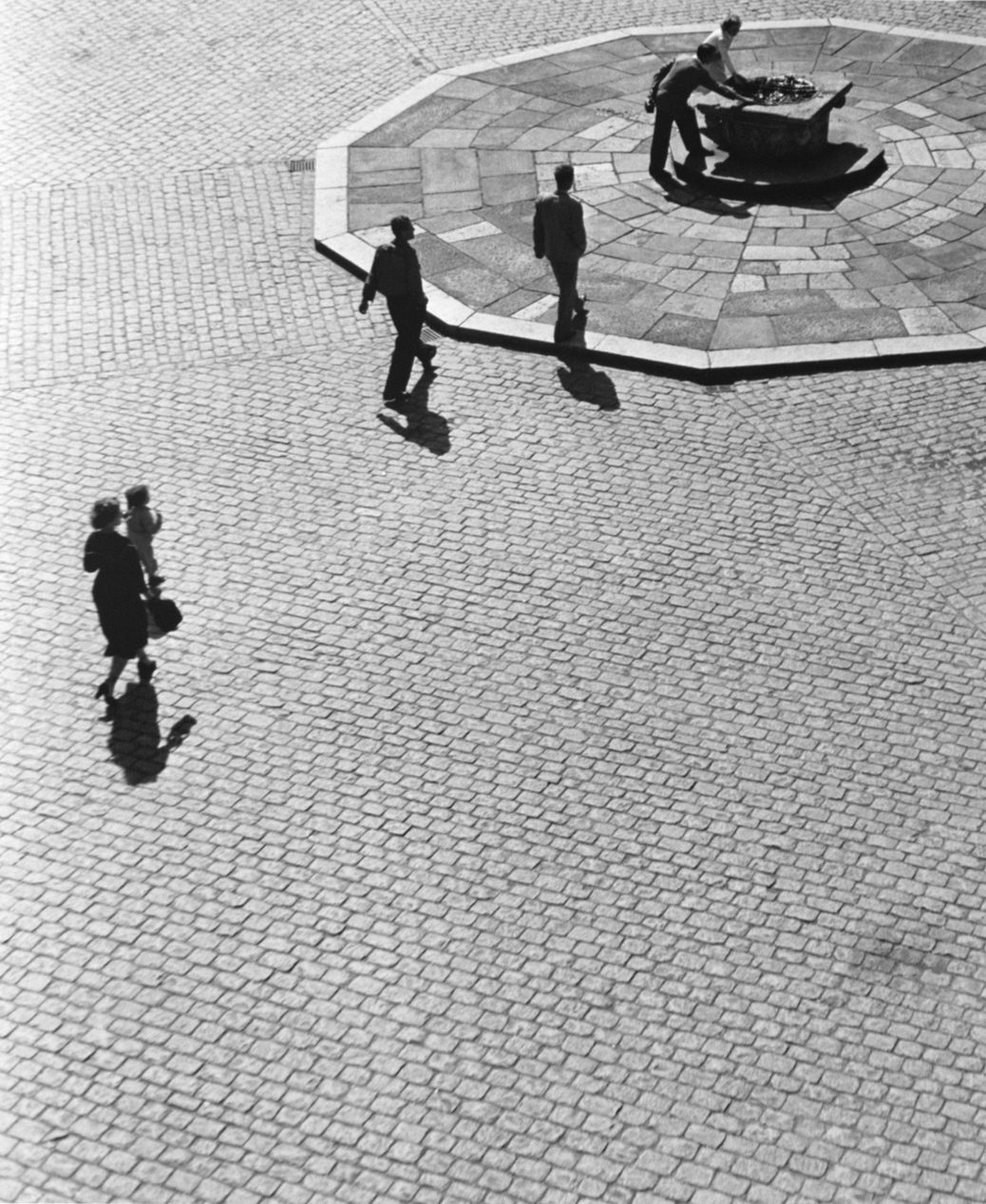
Joining the club in 1942, Gasparian became one of its most active members, benefiting from its strong culture of exchange and dissemination. Through international correspondence, travel, competitions, and exhibitions, his work quickly circulated beyond Brazil. His early practice was relatively academic, centered on carefully composed still lifes. From the early 1940s onward, however, he turned his attention to the city, seeking a new visual language in urban spaces—isolating human figures, exploring perspective, and drawing connections between recurring forms.
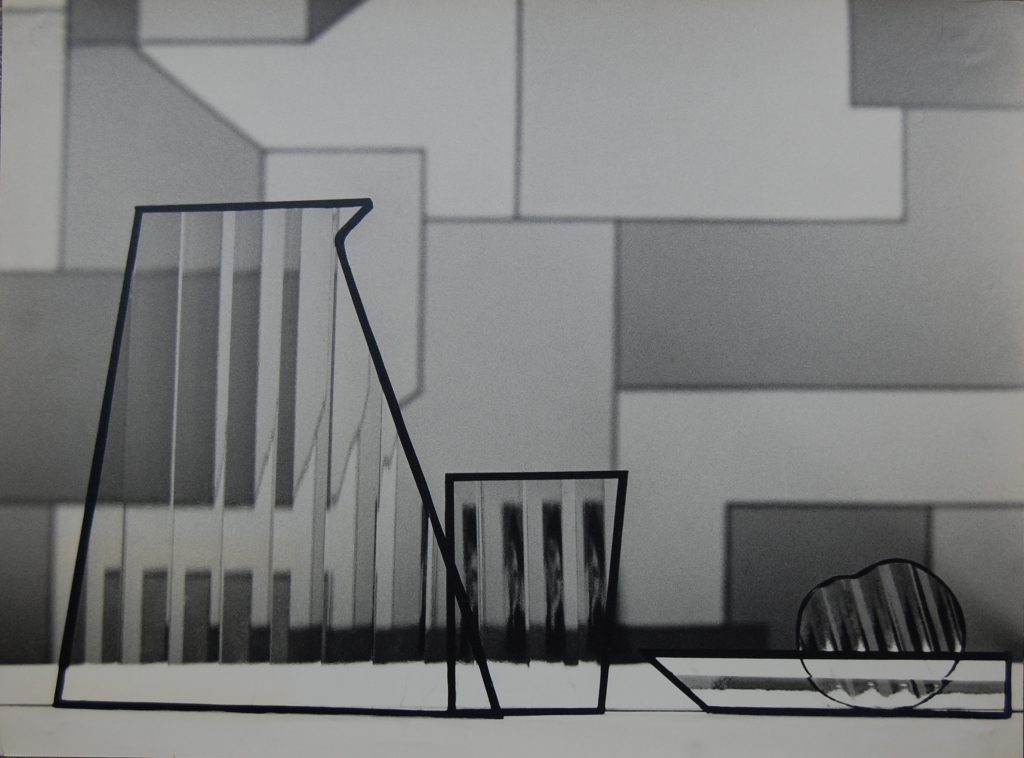
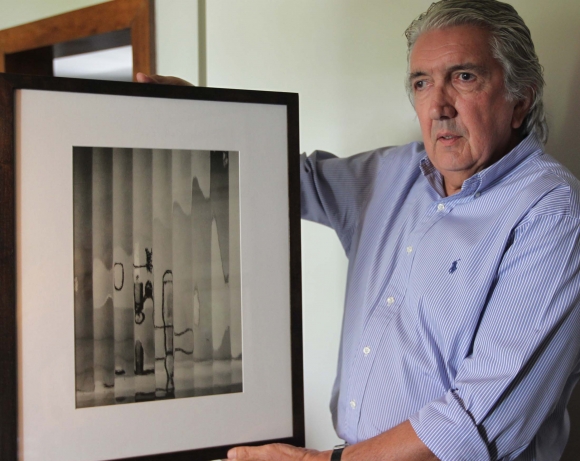
By the 1950s, Gasparian increasingly worked from his home studio, a setting that allowed for greater freedom of experimentation. Using first a Linhof and later a Plaubel 6×9 camera, he constructed meticulous arrangements of everyday objects—glassware, bottles, fruit—introducing abstract backdrops and textured or blurred glass surfaces that transformed traditional still lifes into near-abstract compositions. Light and shadow became structural elements, carving volumes and reinforcing a growing sense of geometry.
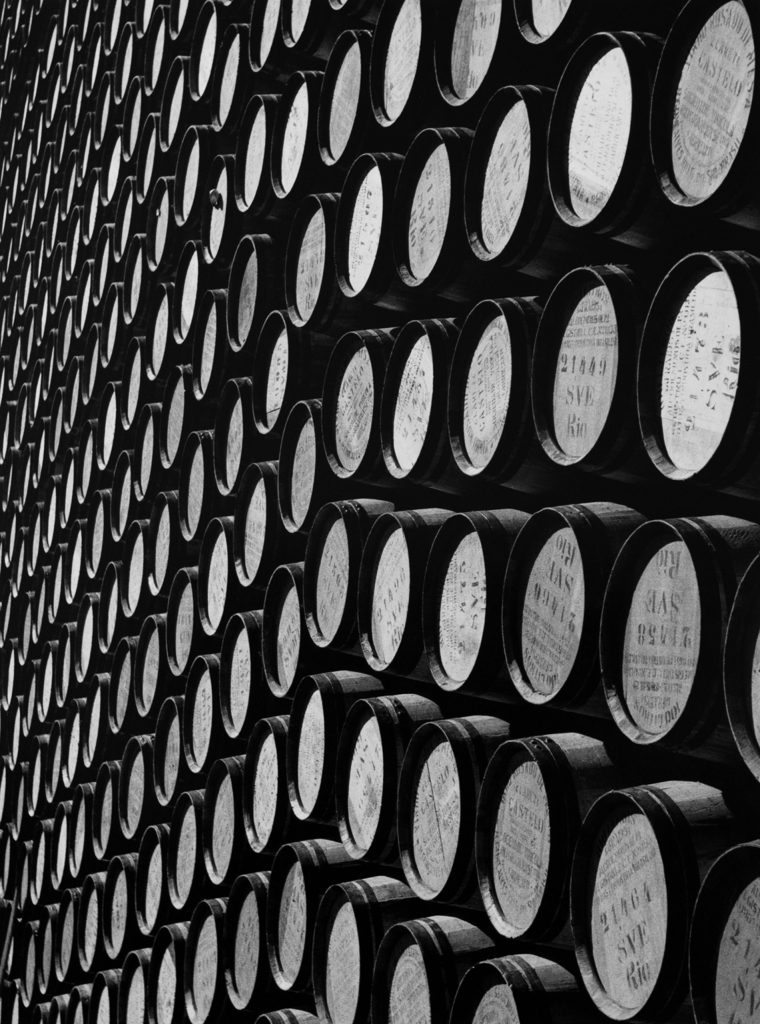
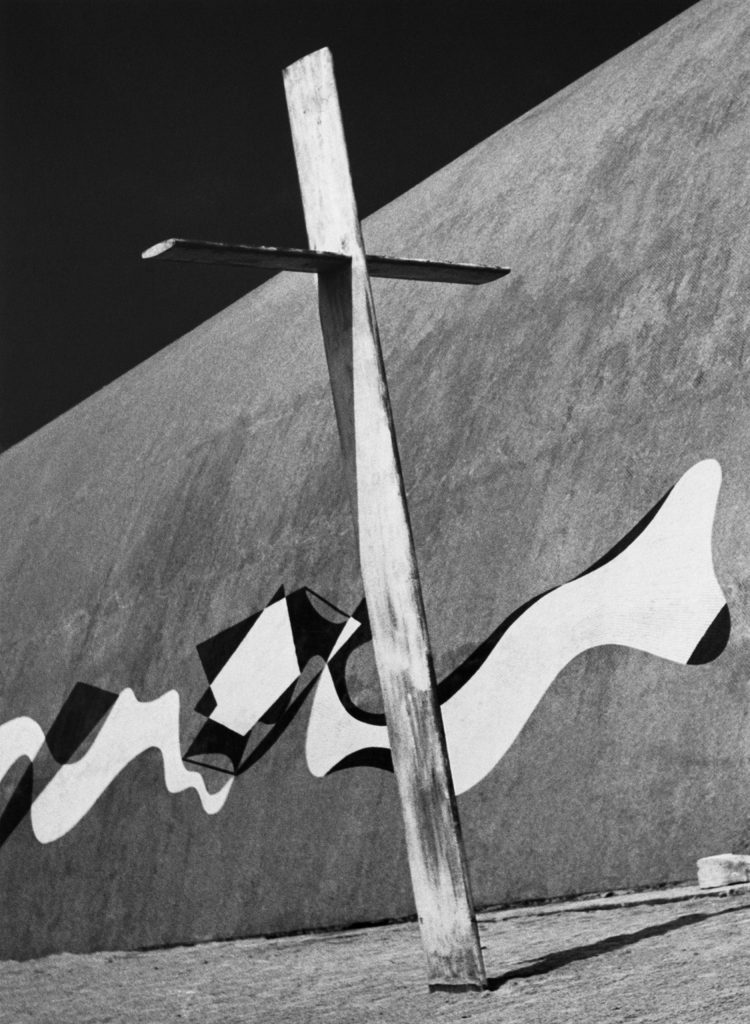
Around the same period, Gasparian left the Foto Cine Clube with five other members to form the “Group of Six,” committing themselves to even more radical abstraction and photographic experimentation. He began to eliminate spatial and temporal references, producing highly graphic images built on stark black-and-white contrasts and repetitive forms such as barrels or cement tiles. In the darkroom, he further reconfigured his images, sometimes reversing negatives and systematically reframing contact prints—often disregarding the original center of the image to focus instead on secondary elements like shadows or reflections.
Whether photographing construction sites in São Paulo, boat sails, or glass bottles, Gasparian’s aim was always the same: to extract abstract form from lived reality. Over a particularly productive two-decade period, from 1942 to 1964, he developed a distinctive visual language within Brazilian modernism.
Today, his photographic legacy is preserved by the Gaspar Gasparian Collection, established by his son, who continues to work toward the conservation and international dissemination of this important body of work from the golden age of Brazilian photo-club culture. In recent years, Gasparian’s photographs have entered major institutional collections, including the Museum of Modern Art in New York and Tate Modern in London.
About the Author
Gaspar Gasparian (São Paulo, 1899–1966) was born in São Paulo in 1899. Initially a textile industrialist and shrewd businessman, he turned to photography in the early 1940s. After a very brief pictorialist phase, he joined the Foto Cine Clube Bandeirante in São Paulo in 1942, where he met photographers Thomaz Farkas and Geraldo de Barros. In search of a modern photographic language, Gasparian explored a wide range of forms and subjects until 1964. He worked both in the street and in his studio, constantly experimenting with the relationships between subject and form, shadow and light, geometry and abstraction. In 1950, he left the Foto Cine Clube Bandeirante and founded O Grupo dos Seis with five other artists, including Angelo Francisco Nuti and Ricardo Belinazzi.
Gaspar Gasparian. Brazilian Modernism
until March 7, 2026
La Galerie Rouge – Paris – France
More info: