Zanele Muholi wins the 2026 Hasselblad Prize
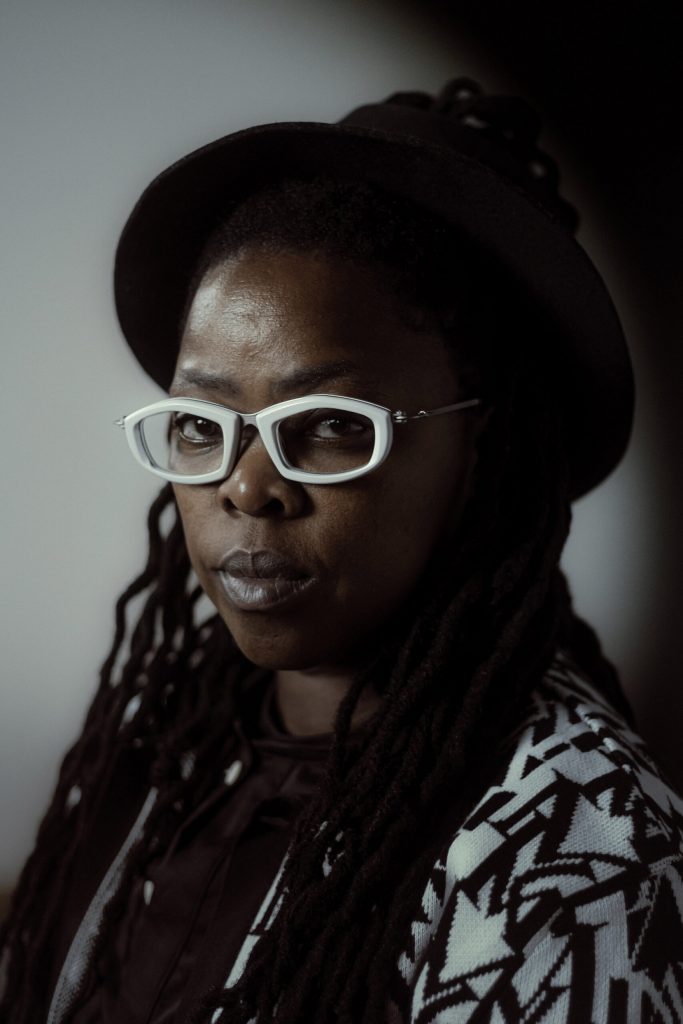
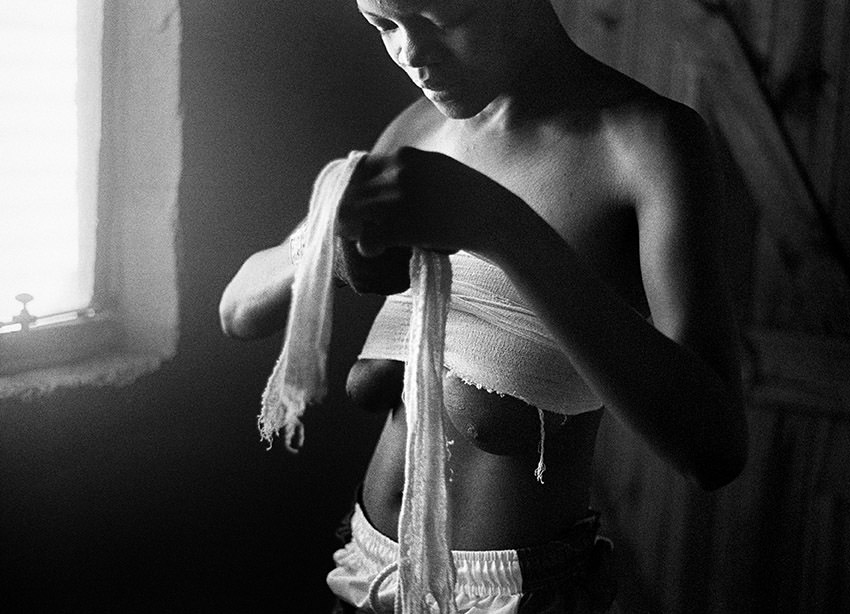
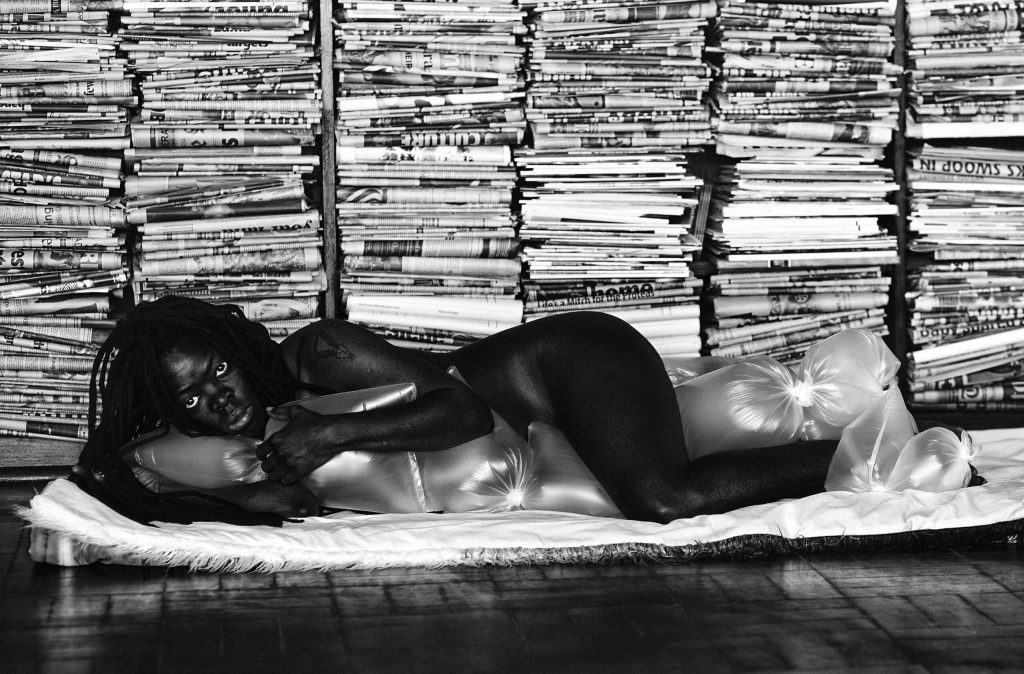
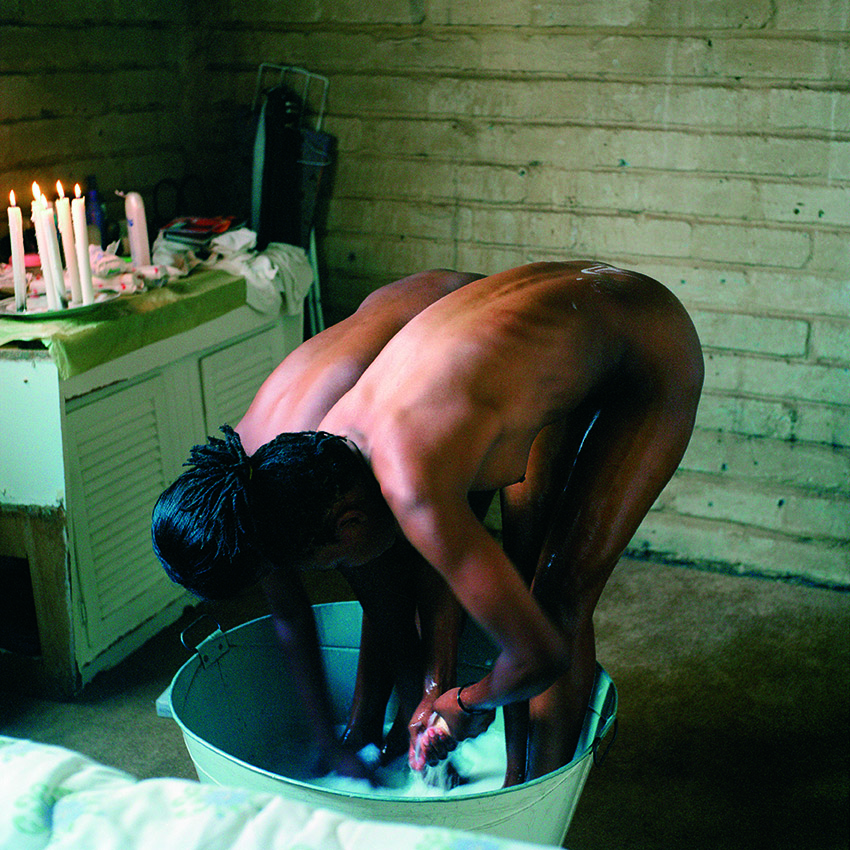
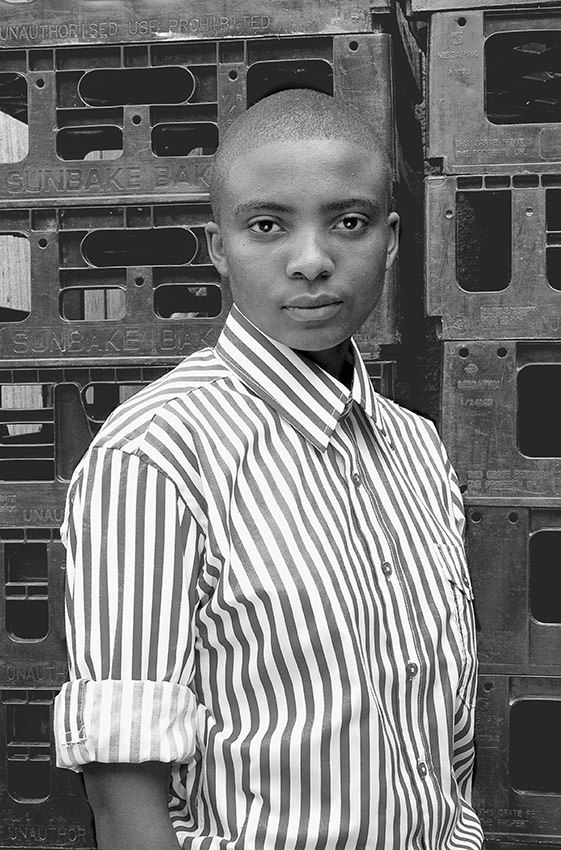
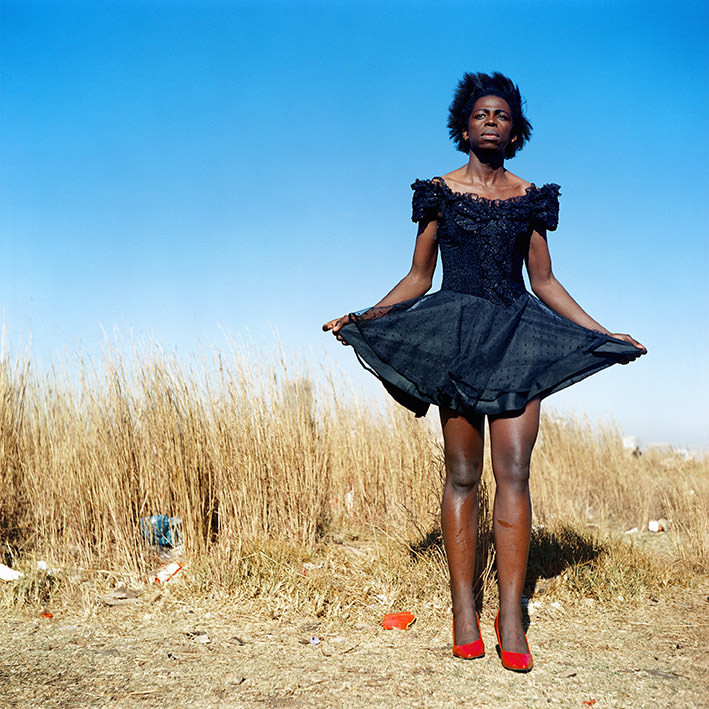
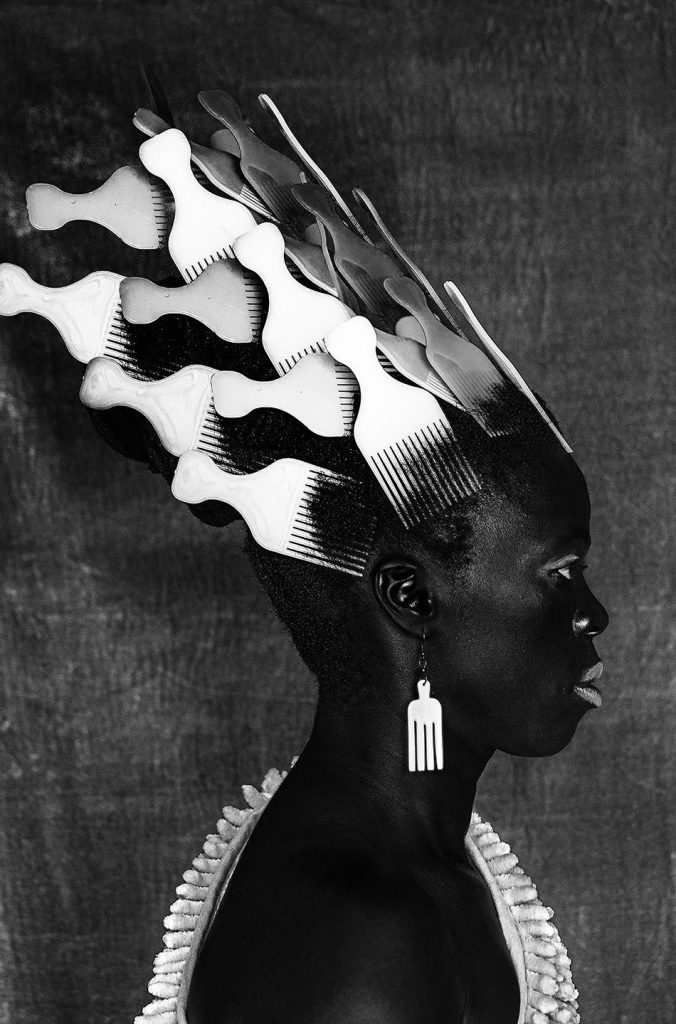
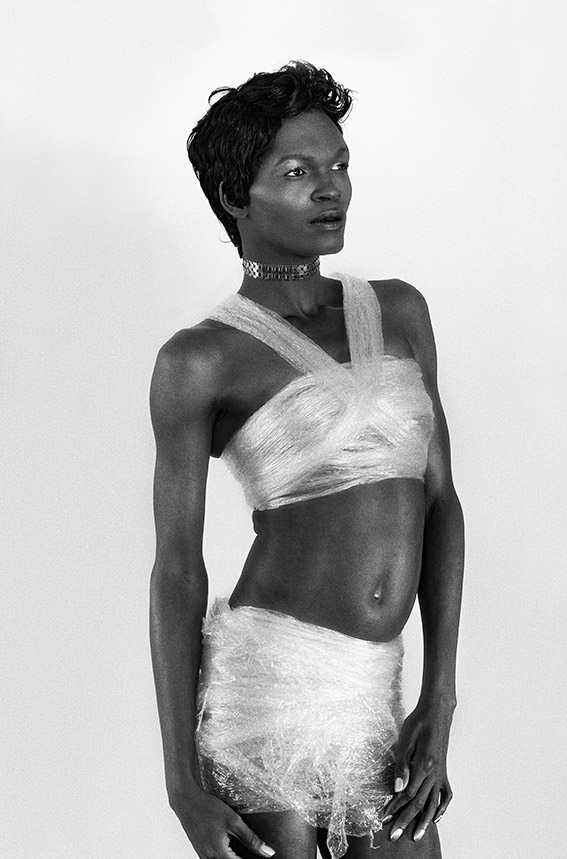
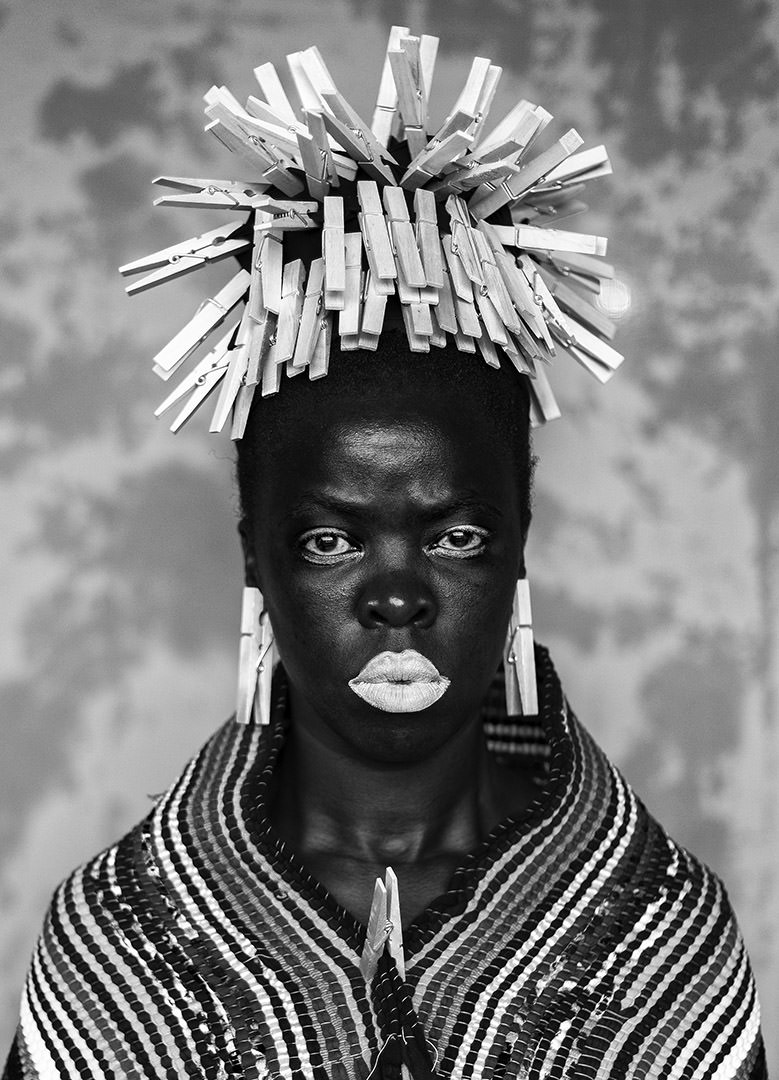
The Hasselblad Foundation is pleased to announce that Zanele Muholi has been awarded the 2026 Hasselblad Prize, the world’s largest photography award, which includes a prize of 2,000,000 SEK, a gold medal, and a Hasselblad camera. The laureate will be honored with a major exhibition at the Hasselblad Center, on view from 10 October 2026 to 4 April 2027, alongside a series of events during Hasselblad Award Week in Gothenburg, including a seminar organized in collaboration with the County Administrative Board of Västra Götaland, a concert with the Gothenburg Symphony Orchestra, the exhibition opening, a book launch, the official award ceremony on 9 October, and an artist talk at Moderna Museet in Stockholm on 13 October. Zanele Muholi is widely recognized as one of the most influential photographers of our time, with an impact that extends far beyond the art world. Through powerful portraiture, Muholi highlights and celebrates the experiences and dignity of the Black LGBTQIA+ community in South Africa and internationally. Born in 1972 during the apartheid era, Muholi developed a deep awareness of the power of storytelling in confronting systemic violence and oppression. Their photographs are visually striking and carefully composed, using color, grayscale, and light to convey an expressive balance between strength and vulnerability, while the subjects meet the viewer with a direct and unwavering gaze. Muholi’s work challenges prejudice and discrimination while contributing to the creation of alternative visual narratives, and activism together with close collaboration with communities remains a fundamental part of their practice.
By combining political commitment with artistic precision, Muholi has become a central voice within global queer visual culture. In response to the award, Muholi stated:
“This award is not mine alone. I carry it with the many people who have entrusted me with their stories. From Umlazi to every place where Black LGBTQIA+ people continue to struggle to exist freely, this recognition confirms that our lives are worth seeing — not as statistics, not as shadows, but as full human beings. For many years my work has been about visibility and resistance. It has been about creating an archive so that no one can say, ‘We didn’t know.’ When this honor comes, I accept it on behalf of my community — those who are no longer with us, those who are still here, and those who have yet to see themselves reflected with dignity.”
Kalle Sanner, CEO of the Hasselblad Foundation, commented:
“It is with great pleasure that we award Zanele Muholi the 46th Hasselblad Prize. In her artistic practice, Muholi combines photography with activism, producing powerful and significant works that focus on human rights. We look forward to presenting an extensive selection of her work at the Hasselblad Center this fall.”
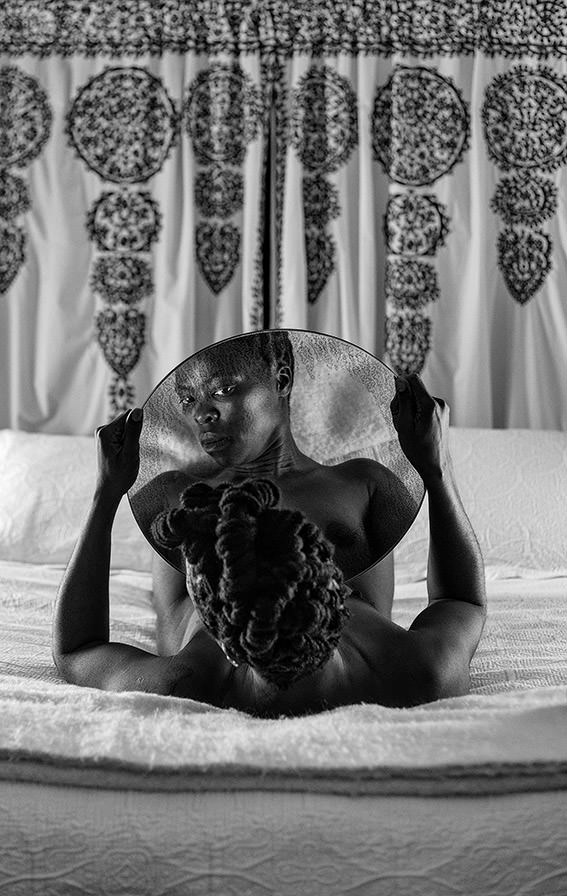
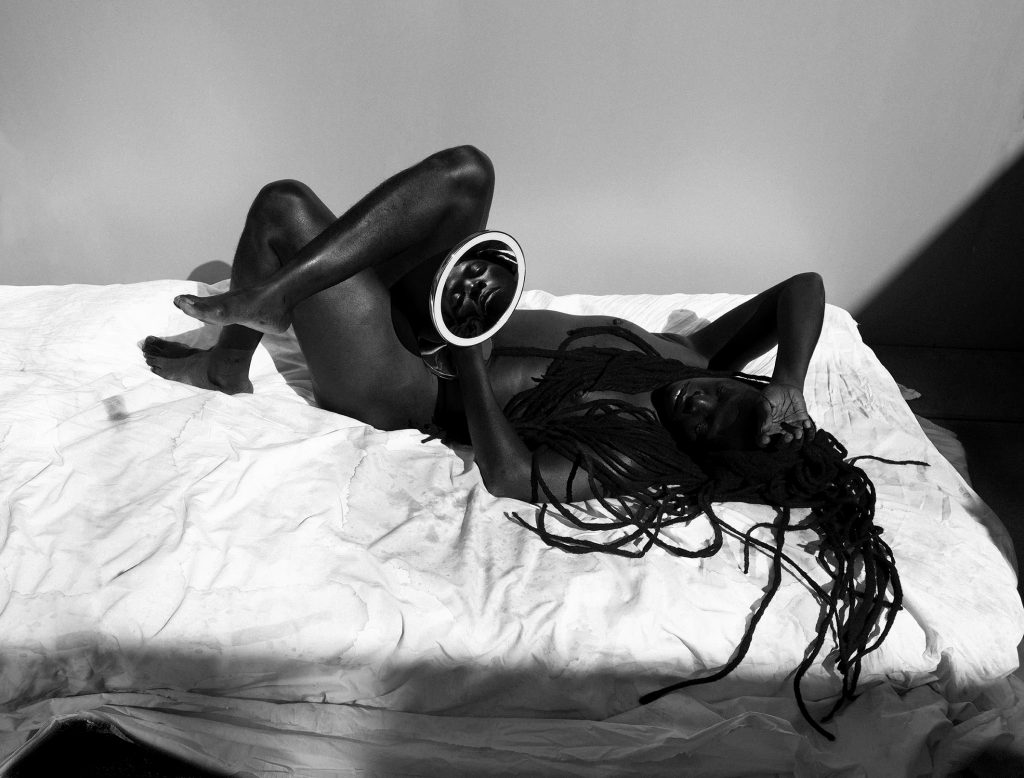
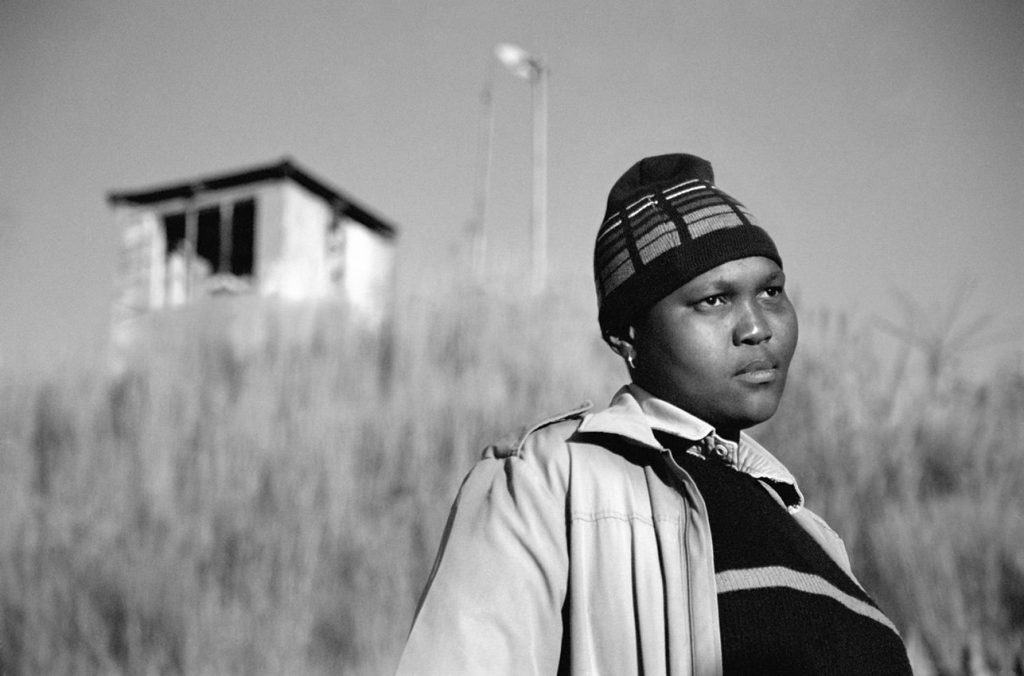
Muholi has developed their photographic practice as a form of visual activism marked by an uncompromising commitment to visibility, dignity, and respect for Black queer communities. Their ongoing portrait series Faces and Phases (2006–) was conceived as an act of resistance against systemic violence and is now entering its twentieth year, becoming a landmark body of work in contemporary photography. Other significant projects include Only Half the Picture (2003–2004), which documents the lives of lesbians and survivors of hate crimes, and Brave Beauties (2014–), which celebrates trans women. In the ongoing self-portrait series Somnyama Ngonyama (Hail the Dark Lioness) (2018–), Muholi draws on references from classical portraiture, fashion, domestic imagery, and ethnographic photography to challenge stereotypes and historical representations of the Black body, creating new possibilities for representing identity and strength through photography. Building networks and sharing knowledge is also central to Muholi’s artistic practice: in 2009 they founded Inkanyiso, a platform for queer and visual activist media, and in 2022 they established The Muholi Art Institute, which supports and mentors emerging artists across different artistic fields. Muholi’s work plays a key role in contemporary debates surrounding racialization, representation, activism, and human rights, and has laid the groundwork for a new generation of queer and Black photographers while inspiring young artists to engage politically, ethically, and in close dialogue with their communities.
About the Author
Zanele Muholi (she/her/they) was born in 1972 in Umlazi, Durban, and currently lives and works between Johannesburg and Cape Town. They studied photography at the Market Photo Workshop in Johannesburg and completed a Master’s degree in Documentary Media at Ryerson University in Toronto in 2009. Muholi’s work has been exhibited at major international institutions including the Venice Biennale, the San Francisco Museum of Modern Art, the Maison Européenne de la Photographie in Paris, Tate Modern in London, the Museo de Arte Moderno de Buenos Aires, and the Serralves Museum in Porto. In Sweden their work has previously been presented in solo exhibitions at Fotografiska (2018) and Bildmuseet (2021). Muholi has received numerous international awards, including the ICP Spotlights Award (2022), the Spectrum International Prize for Photography (2020), the Lucie Award for Humanitarian Photography (2019), and the Rees Visionary Award from Amref Health Africa (2019), and is represented by Yancey Richardson Gallery in New York and Southern Guild Gallery in Cape Town.
The exhibition at the Hasselblad Center will be on view 10 October 2026 – 4 April 2027 and is curated by Louise Wolthers and Dragana Vujanović Östlind from the Hasselblad Foundation together with Lufuno Ramadwa from the Muholi Art Institute. For the fifth consecutive year, the Hasselblad Foundation collaborates with the Gothenburg-based camera company Hasselblad, which honors the laureate by including a new camera as part of the prize.
More info: