
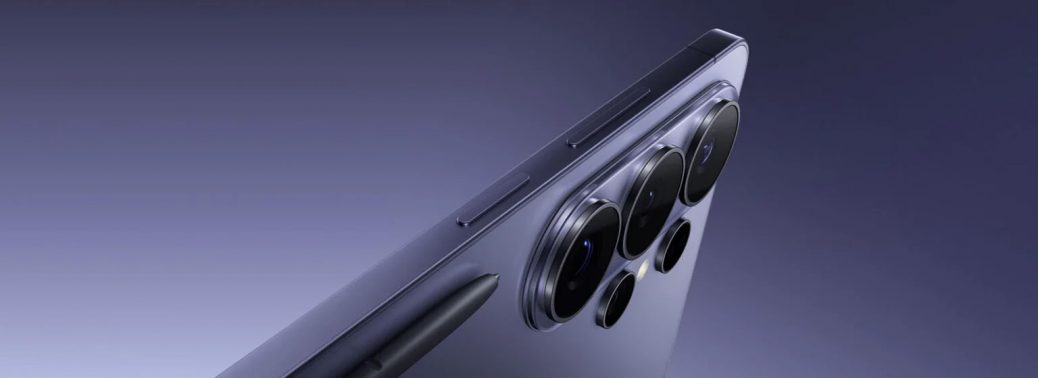
Samsung Introduces Galaxy S26 Series
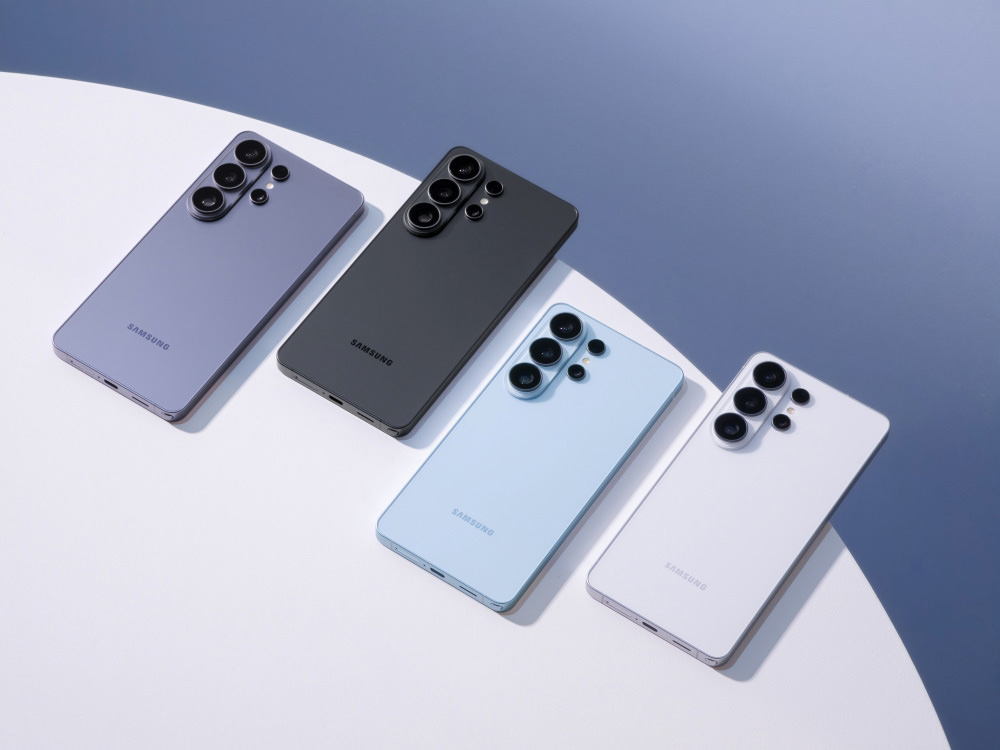
Samsung has introduced the Galaxy S26 series, consisting of the Galaxy S26, Galaxy S26+, and Galaxy S26 Ultra: the devices maintain a similar design to previous generations and focus primarily on incremental hardware updates and software changes. Within the lineup, the Galaxy S26 Ultra remains the most advanced model and introduces several refinements to the camera system rather than a complete redesign.
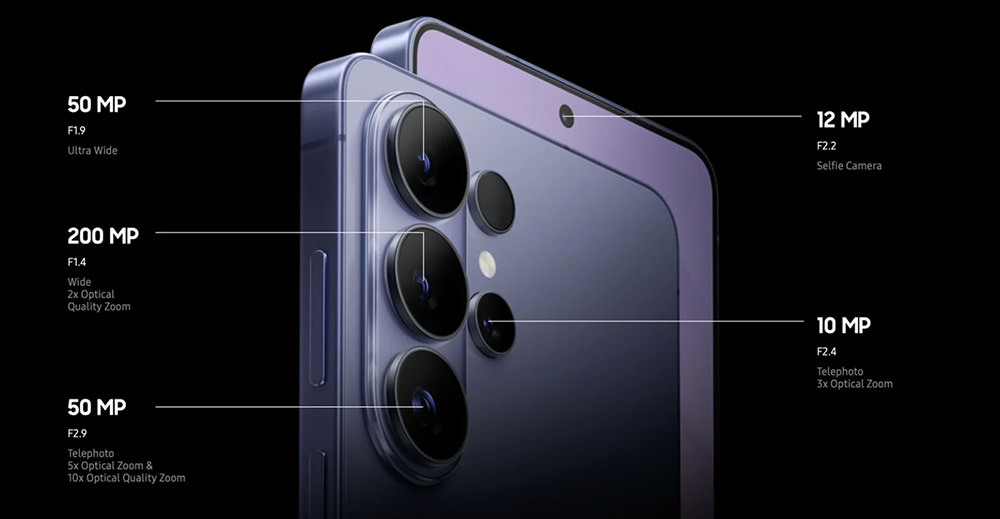
The Galaxy S26 Ultra continues to use a 200-megapixel main camera based on the ISOCELL HP2 sensor that has been present in Samsung’s flagship phones since the Galaxy S23 Ultra. The most notable hardware change is a wider f/1.4 aperture on the main lens, compared with f/1.7 in the previous generation, which allows more light to reach the sensor, thus improving exposure performance in low-light conditions and reducing the need for higher ISO settings. Moreover, faster shutter speeds may also be used, limiting motion blur.
The telephoto system has also received a modification. The 50-megapixel periscope camera with 5× optical zoom now uses an f/2.9 aperture rather than the f/3.4 lens used in the earlier model. The remaining modules remain unchanged, including a 50-megapixel ultra-wide camera, a secondary telephoto lens with 3× optical zoom, and a front-facing camera that continues to use a 12-megapixel sensor.
The Sout Korean company has also introduced an additional capture mode for the main camera: in addition to the existing output resolutions of 12 megapixels, 50 megapixels, and 200 megapixels, the phone can produce 24-megapixel images. This option is not enabled by default in the standard camera application and must be activated through a separate utility called Camera Assistant, available through Samsung’s Galaxy Store. Once enabled, the resolution appears as an additional setting within the main camera interface.
The different output resolutions are related to the pixel-binning process used by the 200-megapixel sensor: pixel binning groups multiple physical pixels into a single larger pixel in the final image. The default 12-megapixel mode combines a grid of 16 sensor pixels into one output pixel, improving noise performance and dynamic range. The 50-megapixel mode uses a smaller grouping, prioritizing higher detail at the expense of some dynamic range, while the new 24-megapixel option sits between these approaches, aiming to balance detail and processing quality.
Video recording also receives minor updates. A new Super Steady mode with a horizontal lock option attempts to keep the horizon level during recording even when the phone is tilted. The feature operates with the main and ultra-wide cameras but is not available when using the telephoto modules.
Beyond the camera system, the Galaxy S26 Ultra uses a 6.9-inch QHD+ Dynamic AMOLED 2X display with a variable refresh rate up to 120 Hz. The device is powered by the Snapdragon 8 Elite Gen 5 chipset and runs Android 16 with Samsung’s One UI 8.5 interface. Battery capacity remains at 5,000 mAh, with support for fast wired and wireless charging. A feature called Privacy Display has also been introduced, reducing screen visibility from side angles by altering the way the display emits light.
The Galaxy S26 and Galaxy S26+ retain similar camera systems to their predecessors. Both models use a triple-camera configuration consisting of a 50-megapixel main camera, a 12-megapixel ultra-wide camera, and a 10-megapixel telephoto lens with 3× optical zoom; the front camera on both devices uses a 12-megapixel sensor. Compared with the Ultra model, these phones receive fewer camera-related updates and rely largely on software processing improvements.
The Galaxy S26 Ultra starts at approximately $1,299 in the United States; the Galaxy S26+ starts at $1,099, while the Galaxy S26 has a starting price of $899. In Europe, the Galaxy S26 Ultra is offered in several configurations starting at around €1,499 and reaching approximately €1,999 for the highest storage variant.