
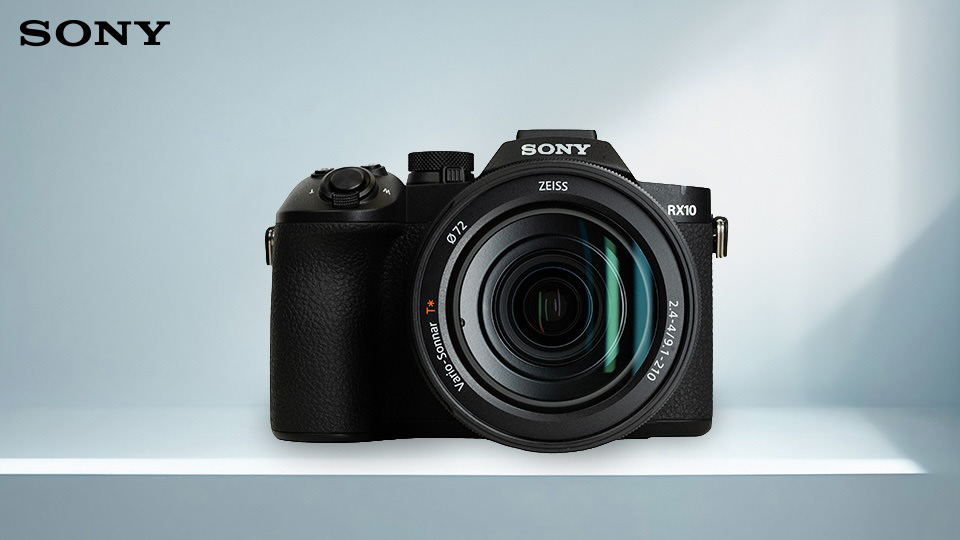
Sony Announces the RX10 V Bridge Camera
Sony has announced the RX10 V, the successor to the RX10 IV released nearly a decade ago in 2017. Despite the long gap between generations, the new model carries over the core imaging pipeline unchanged: the 20.1-megapixel stacked Type 1 Exmor RS CMOS sensor and the Zeiss Vario-Sonnar T* lens covering a 24–600mm equivalent range at f/2.4–4 are both retained. Nearly everything else has been updated.
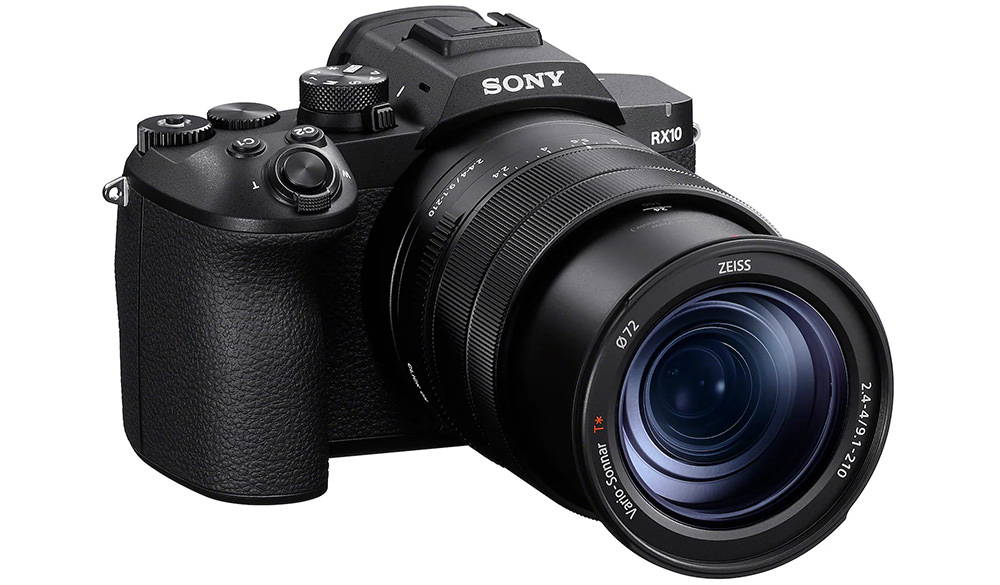
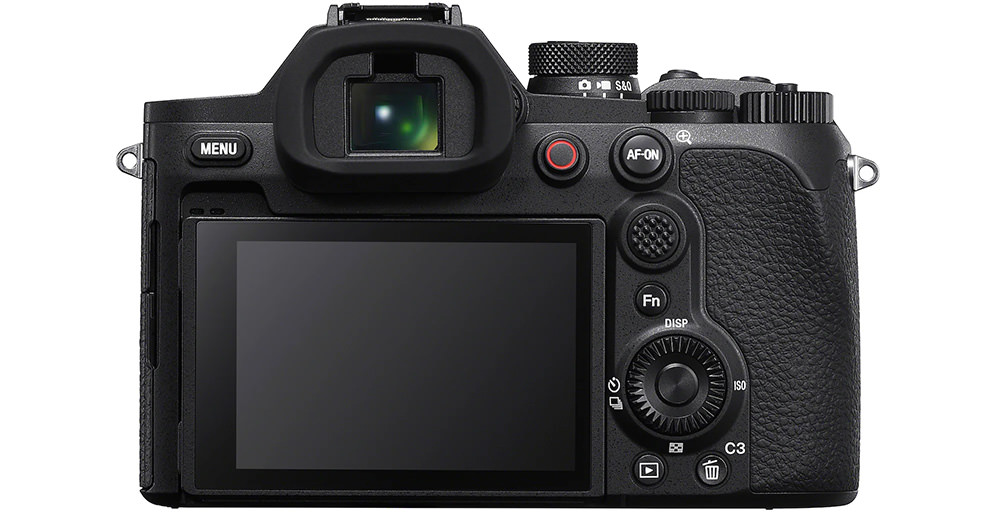
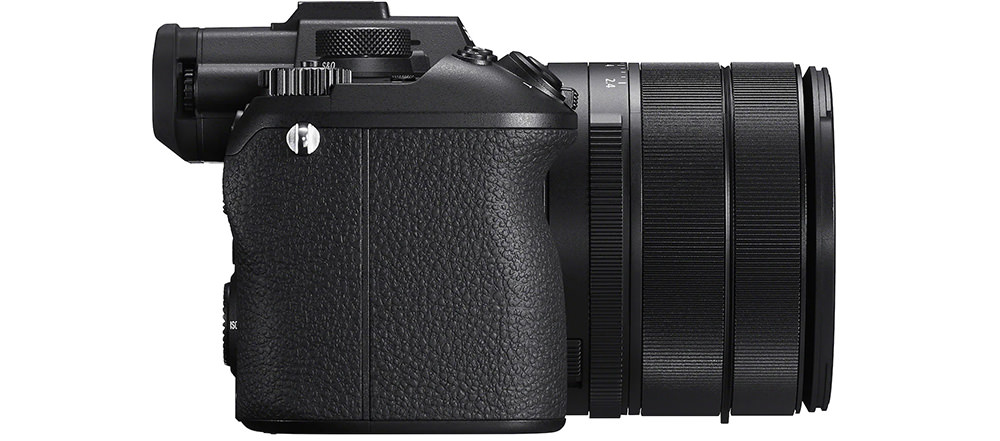
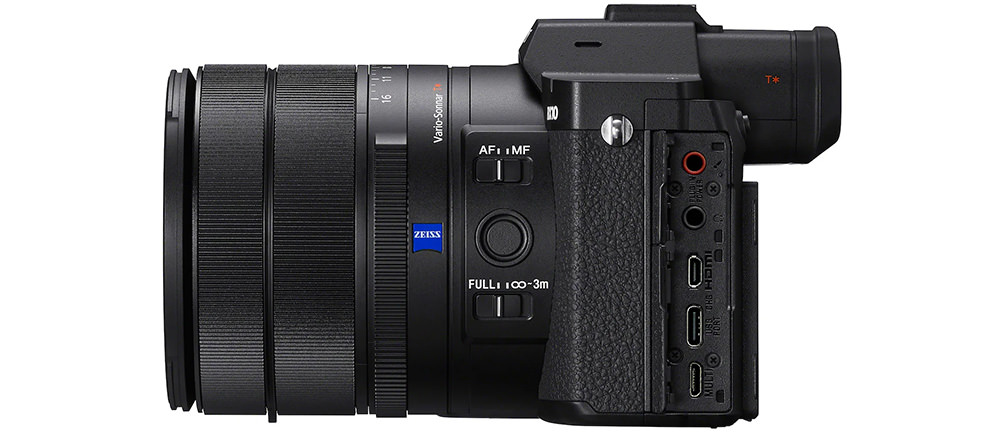
The body has been redesigned to align more closely with Sony’s Alpha mirrorless series, adopting that line’s menu system, control layout, and a dedicated autofocus sub-selector joystick. The electronic viewfinder has been upgraded from a 0.39-type 2.36-million-dot panel with 0.7x magnification to a larger 0.5-type unit with 3.69 million dots and 0.78x magnification. The rear touchscreen retains the 3-inch size of its predecessor but gains additional resolution, though its articulation remains limited to a tilt-only mechanism. Battery life improves by more than 50 percent through the adoption of Sony’s NP-FZ100 cell, replacing the older NP-FW50. Connectivity has been updated with USB-C in place of Micro USB and 5GHz Wi-Fi, and a Multi Interface shoe replaces the previous accessory port.
Processing is handled by the Bionz XR processor, which also drives an integrated AI unit enabling Real-time Recognition AF with subject detection for people, animals, and vehicles, alongside Real-time Tracking via the touchscreen. Continuous shooting increases from 24 to 30 frames per second, with blackout-free operation at that rate, though no Pre-Capture mode is included.
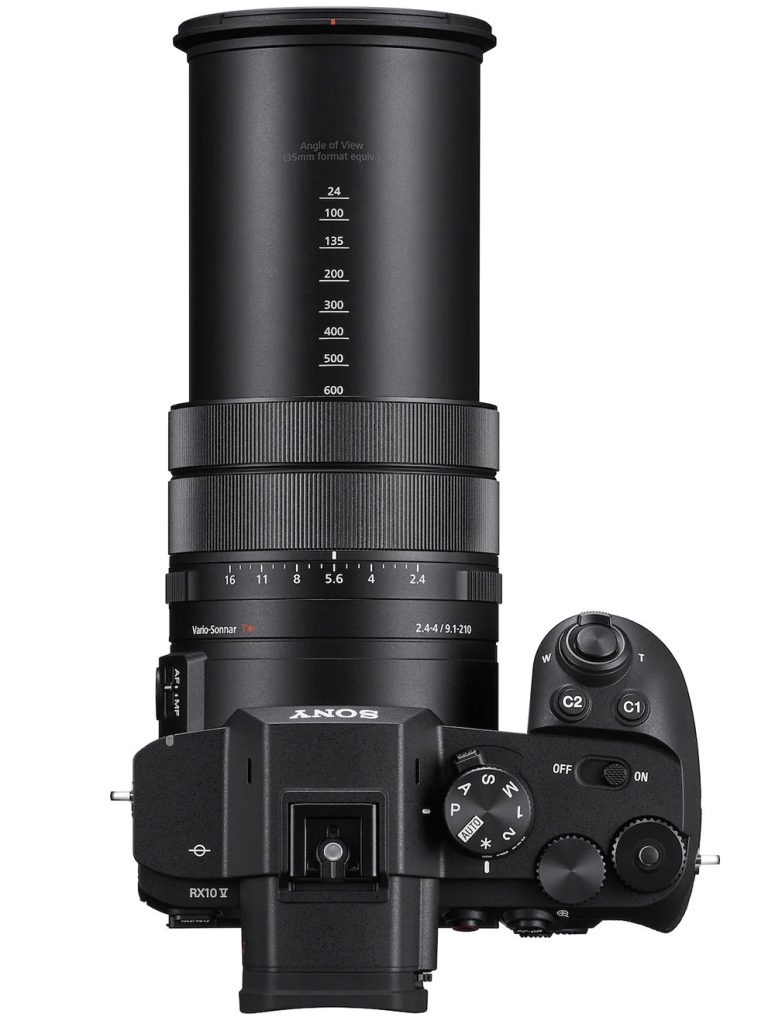
The most significant improvements over the RX10 IV are in video: where the previous model topped out at 4K at 30fps in XAVC S and AVCHD, the RX10 V records 4K at 60fps at full width and 4K at 120fps with a slight crop, in 4:2:2 10-bit All-Intra. Slow and Quick motion recording, S-Cinetone, S-Log3, user LUT support, Active Mode image stabilization, Auto Framing, and live streaming at 4K30fps are all included — none of which were available on the RX10 IV. A vertical shooting interface is also present.
The body is marginally larger than the RX10 IV, increasing between 0.5 and 6.3 millimeters across its three dimensions, and weighs 1,111 grams with battery and a single UHS-II SD card inserted, up from 1,095 grams. Dust and moisture resistance has been improved relative to the previous generation.
The Sony RX10 V is available for pre-order at $2,299 in the United States and $2,899 in Canada, with shipments beginning around August 6, 2026. The RX10 IV has been discontinued; used examples currently trade for as much as $3,000.