Alex Ramos: It Will Hold You
It Will Hold You by Alex Ramos is a handcrafted artist’s book born from a lifelong fascination with railroads. Bringing together photography, abstract visual studies and text, the book unfolds as a meditation on movement, memory and transformation, and on the ways railways can shape both landscapes and personal histories.
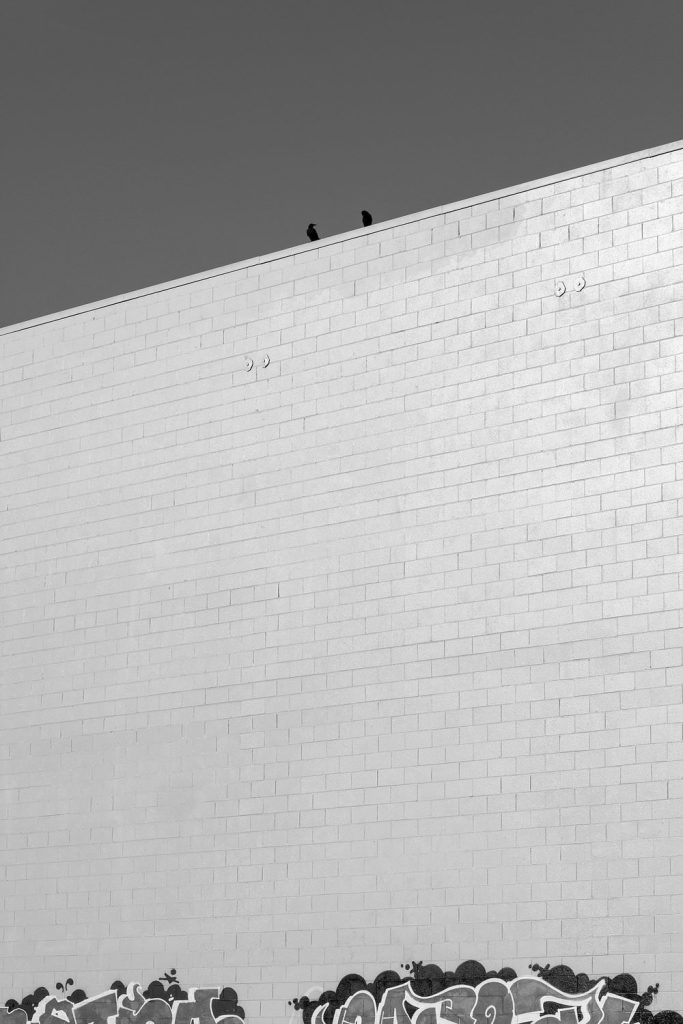
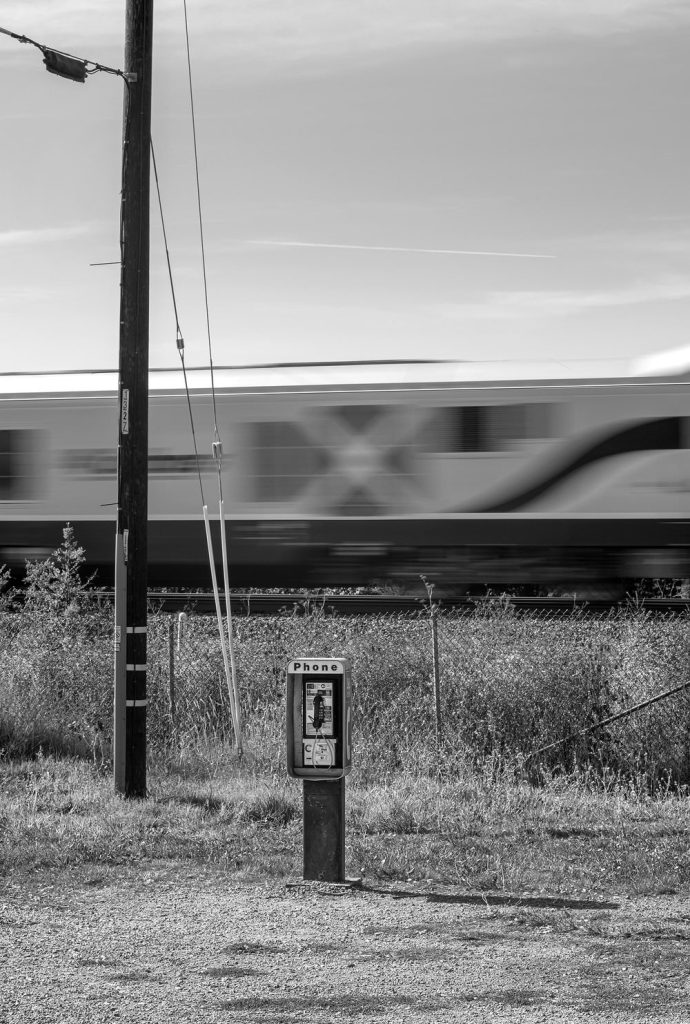
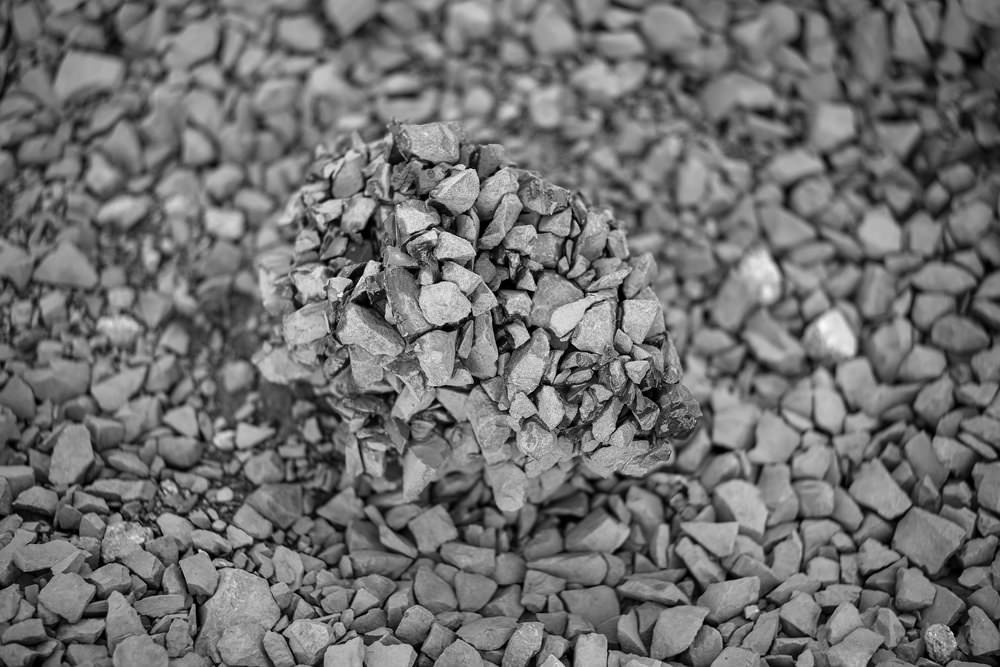
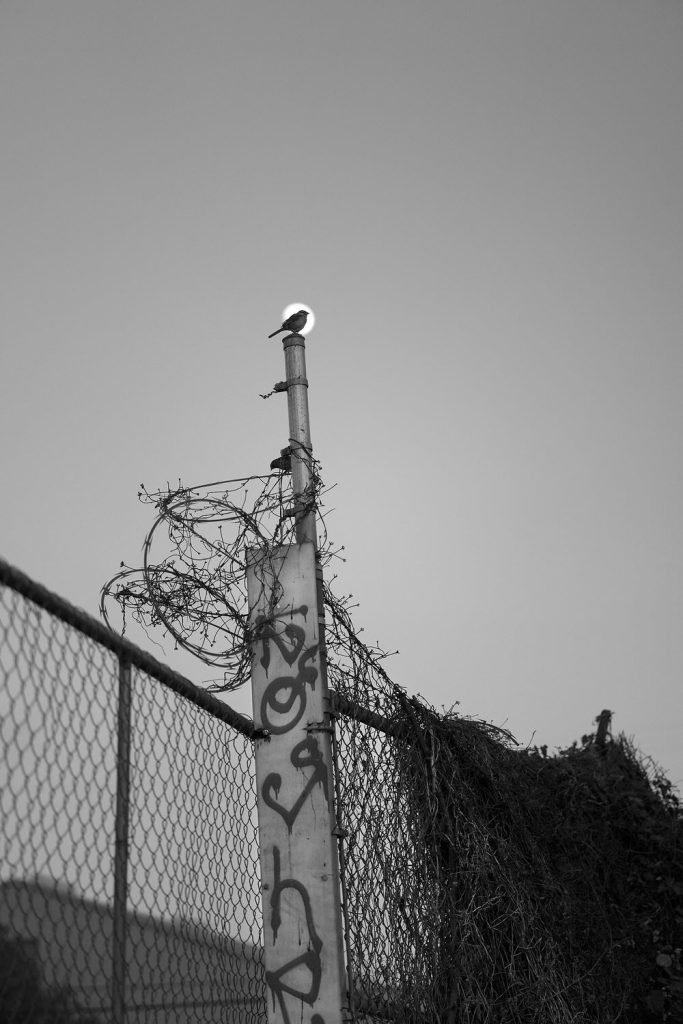
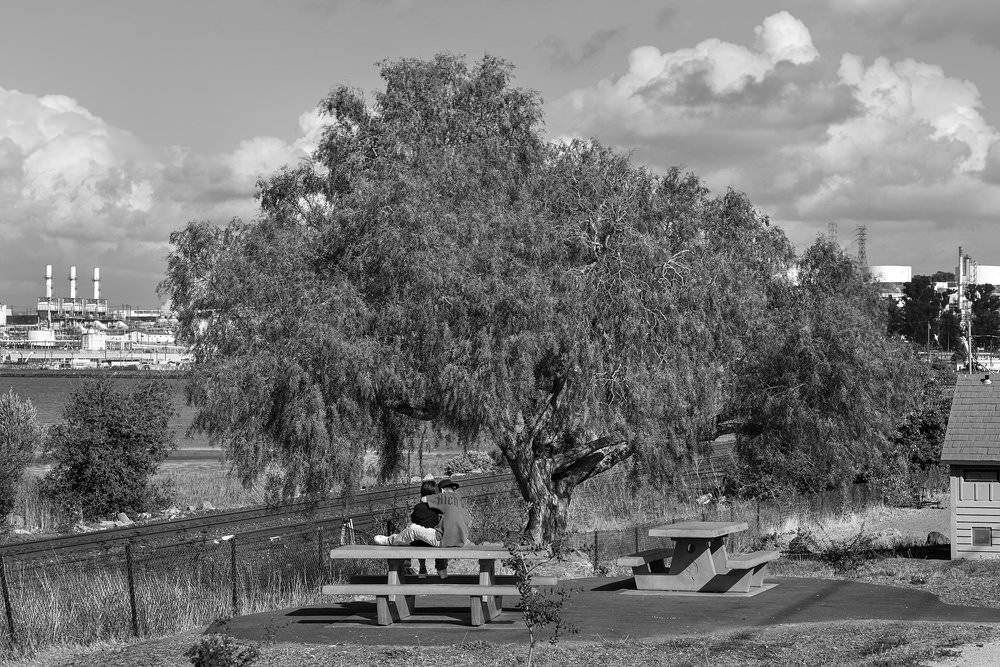
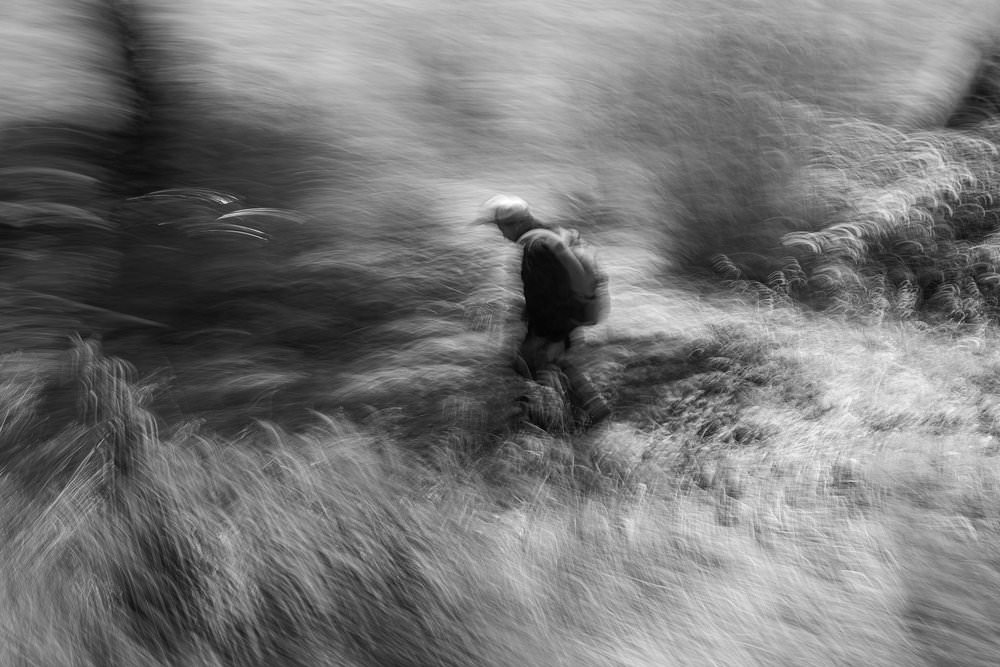
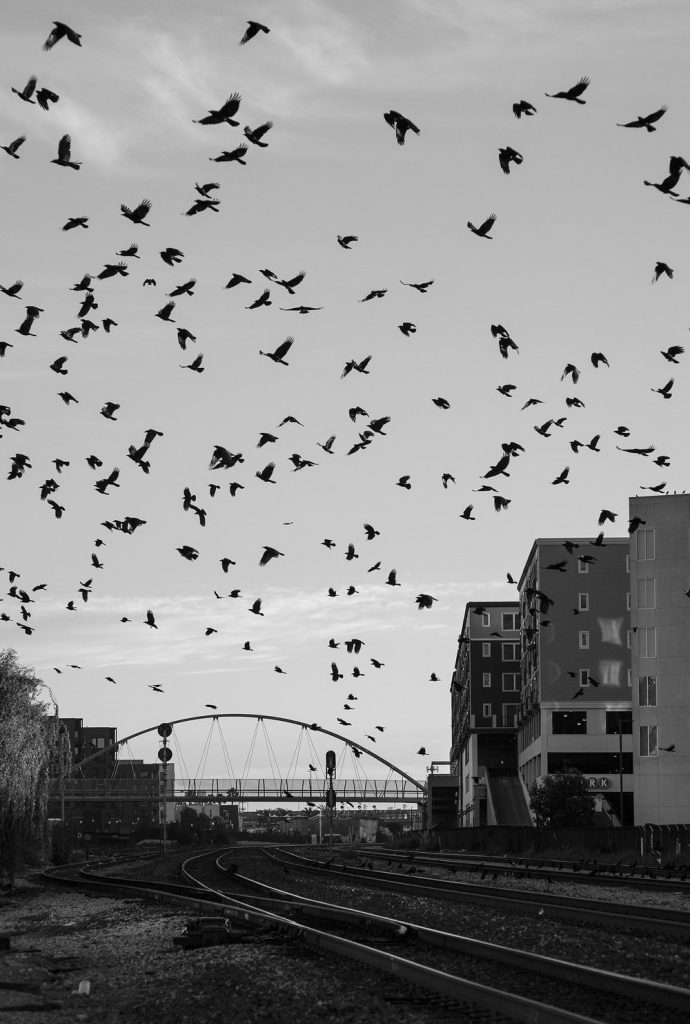
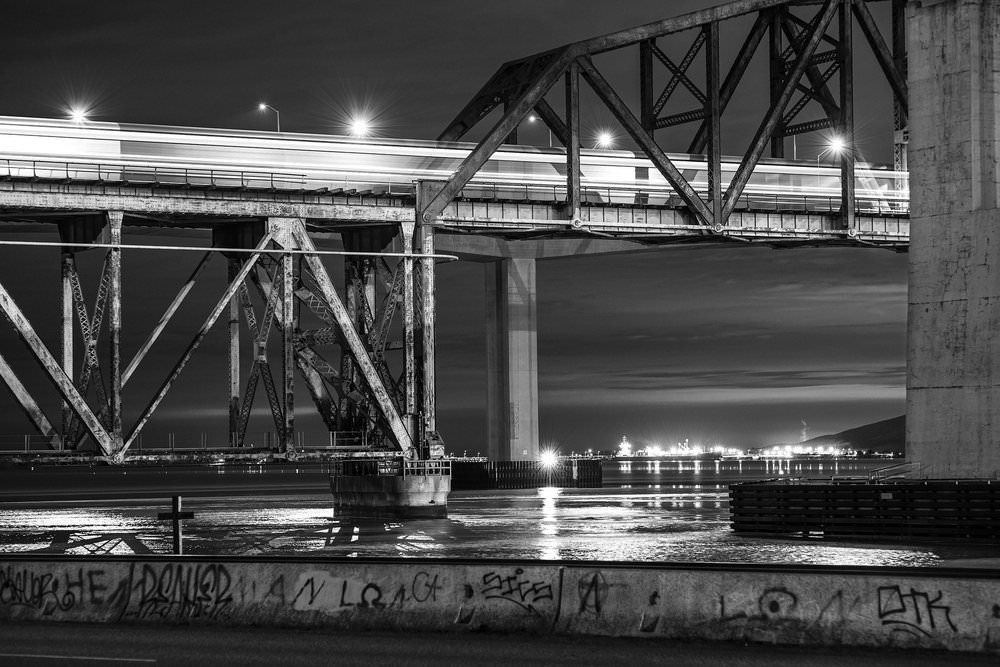
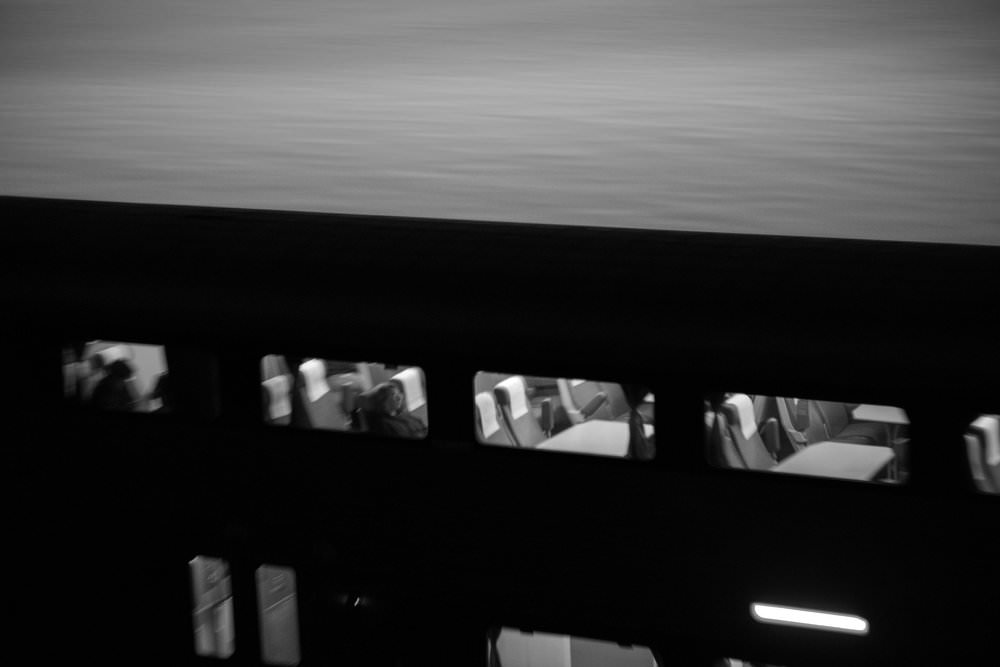
One side of the book features black and white photographs made along the railway line near Ramos’s childhood home in Berkeley, California. Walking for miles between passing trains, he photographed quiet details and overlooked scenes in the surrounding landscape. The reverse side shifts toward a more conceptual exploration of trains and the physical energy they generate. Rail Prints, archival photographs, text and collected ephemera come together to create a layered account of Ramos’s own experiences with the railroad.
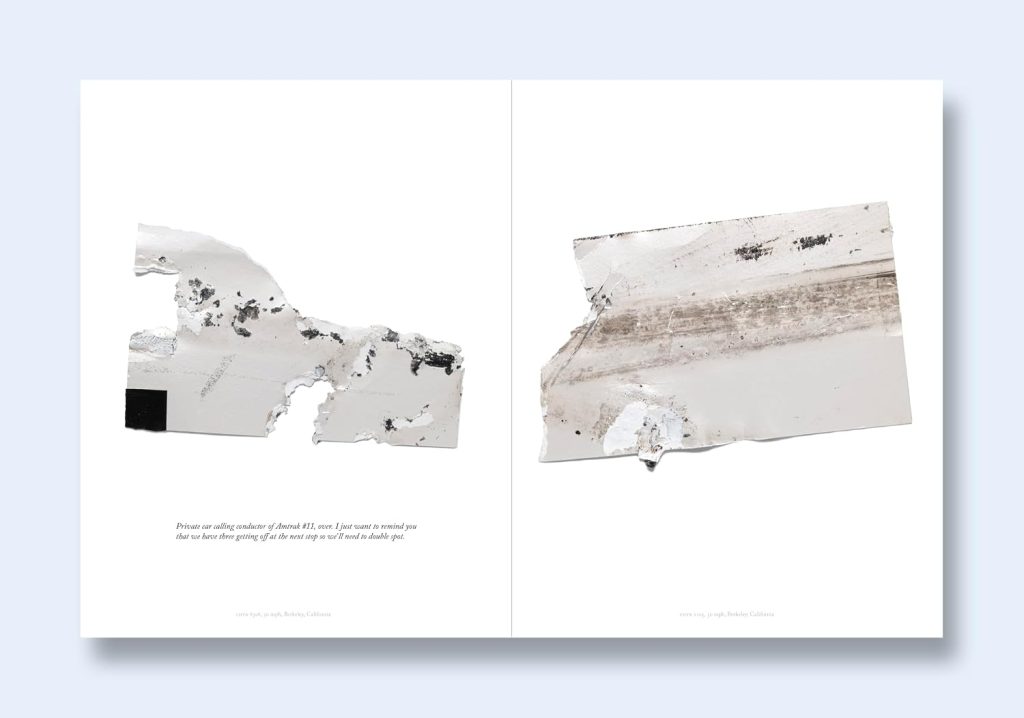
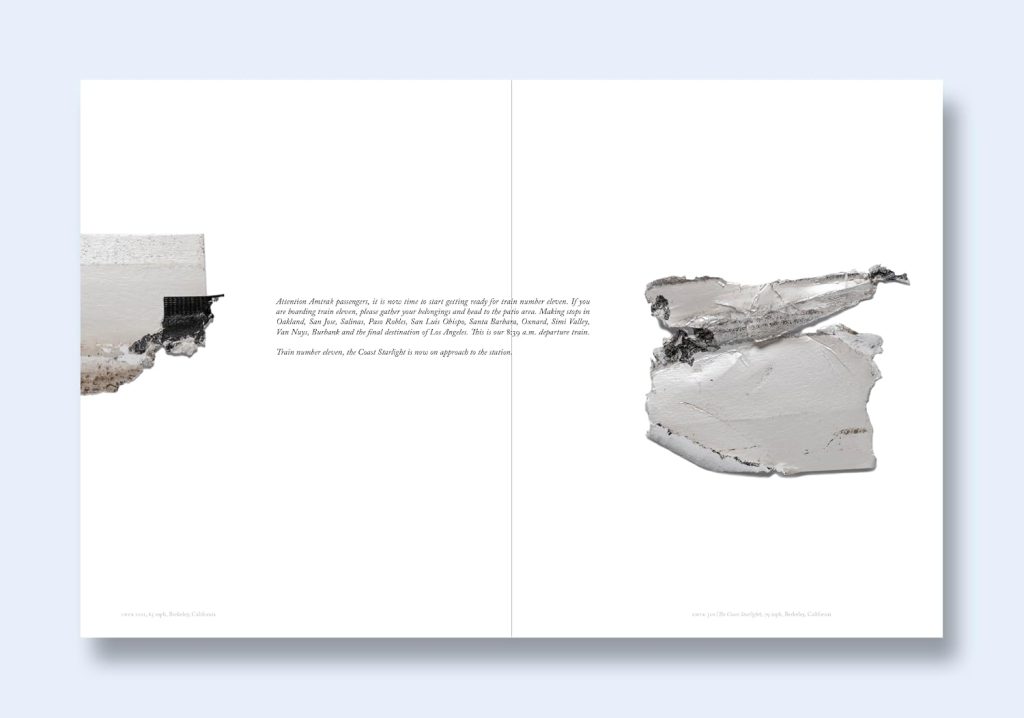
The Rail Prints are produced through a distinctive process. Ramos places pre-cut sheets of paper directly onto active railway tracks well before a train approaches, allowing the weight of the locomotive and its railcars to crush and mark the surface. No two prints are the same. Each one is documented with the location where it was made, the locomotive number and the approximate speed of the train that created it.
While working along the tracks, Ramos also recorded railroad radio communications. These transmissions were later transcribed and woven throughout the sequence of photographs and prints. Fragments of technical language and passing voices become part of the rhythm of the book, connecting the physical presence of the railway with ideas of distance, departure, transit and the constant movement toward somewhere else.
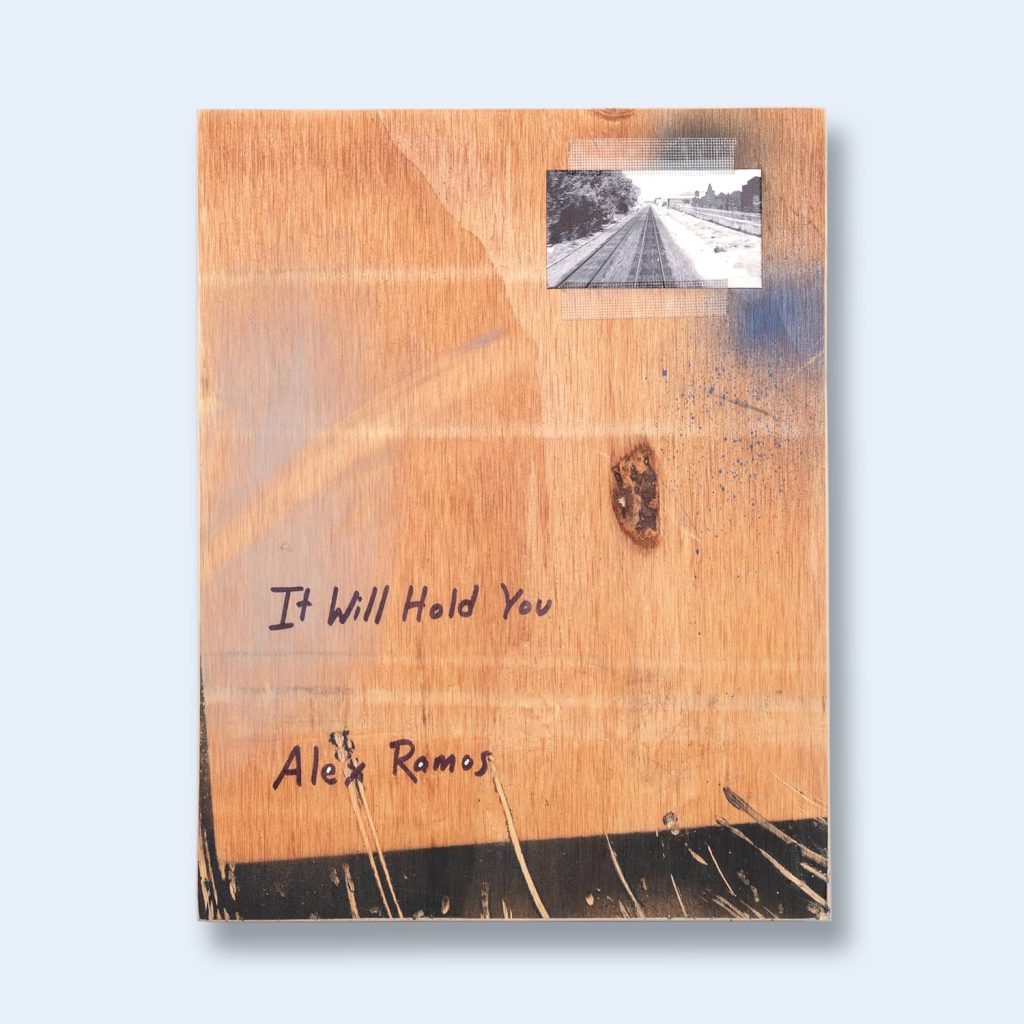
The making of It Will Hold You was itself a complex and highly physical process. Each accordion bound volume is enclosed by individual front and back covers made from cut and distressed pieces of quarter inch wood. More than twenty separate production stages were required to complete each of the 800 copies in the edition.
When Nazraeli asked Ramos how he imagined the finished object, he described wanting the book to feel like something that might be discovered beside the tracks, weathered by time, textured by its surroundings and carrying traces of an unknown story.
That idea informed every stage of production. Sheets of wood were cut into 1,600 individual pieces before being treated and sanded by hand to create the covers. Ramos deliberately sourced the wood from a lumber yard close to the railway line where many of the photographs were taken, further connecting the physical object to the landscape represented inside.
The surfaces were gradually built up through layers of wood stain, sanding, spray paint, markers, crayon, drilled holes and tape. A photographic print attached to each cover completes the object, giving every copy its own subtle variations and material character.
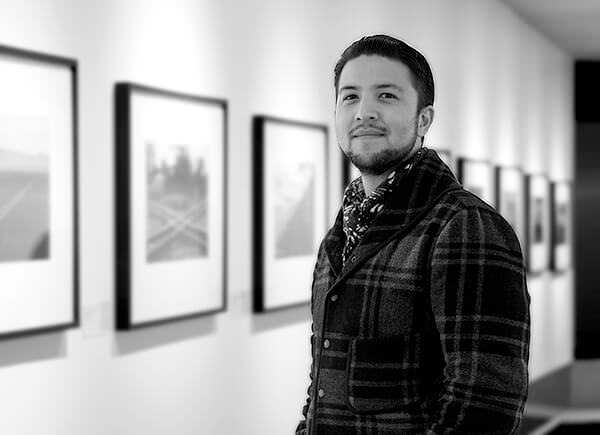
About the Author
Alex Ramos, born in 1989, is a photographer based in the San Francisco Bay Area whose work investigates railroads and the role they have played in shaping the American West. His interest began early, growing up close to the tracks in Berkeley, California, within a family connected to railroad work and later working aboard trains himself.
These experiences continue to inform a photographic practice concerned with landscape, movement and the multiple histories embedded in railway infrastructure. Rather than approaching the railroad simply as a subject, Ramos considers it as a system that connects places, memories, labor and personal experience.
Alongside his work as a photographer, Ramos has spent more than twenty years working within the photographic field across galleries, retail and publishing. His roles have included gallery assistant, preparator, framer, Gallery Director and Creative Advisor. Through these different positions, he has remained closely involved with the photographic community of the San Francisco Bay Area, contributing to exhibitions, publications and collaborative projects.
Ramos is also the founder of Ramos Projects, an independent platform dedicated to creative collaborations, workshops and photographic initiatives. His work has been published and exhibited by institutions including the Chinese Historical Society of America, SFO Museum and the California State Railroad Museum.