W. Eugene Smith and the Art of Witness
The exhibition “W. Eugene Smith and the Art of Witness” refocuses attention on one of the key figures of 20th-century photojournalism. Presented at the Yale University Art Gallery from June 27 to December 6, 2026, the exhibition offers a focused journey through Smith’s career and his extraordinary contribution to the development of photographic reportage.
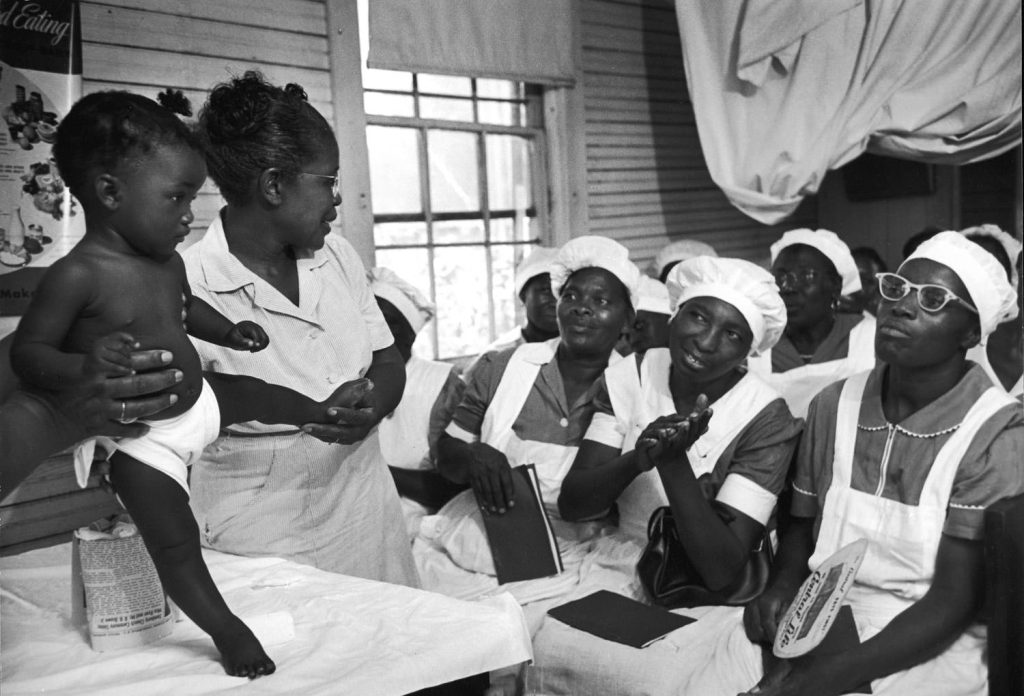
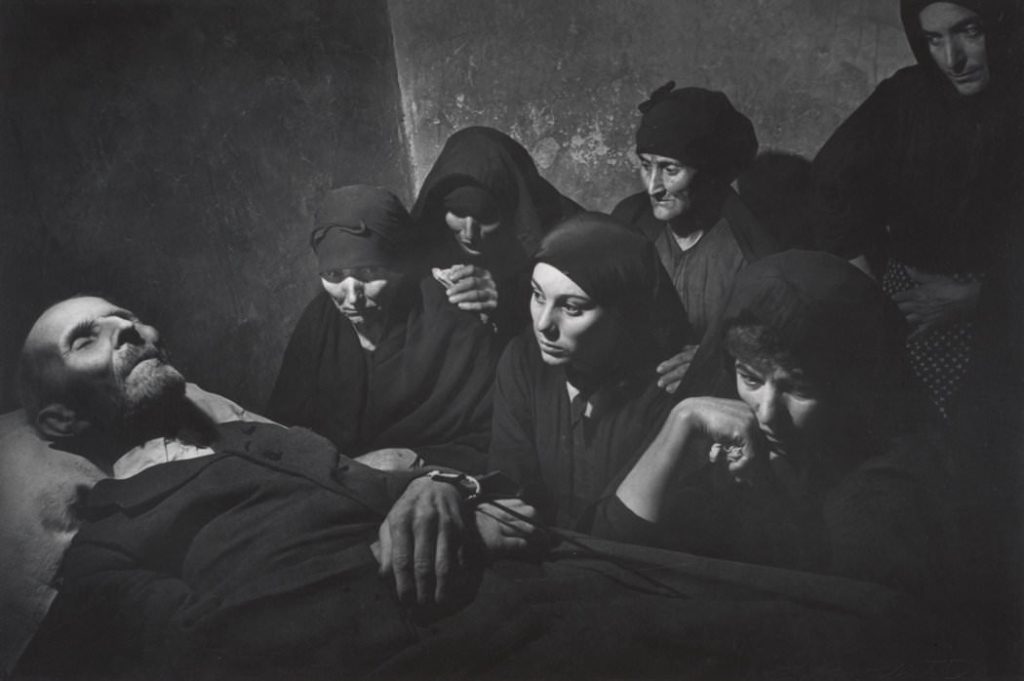
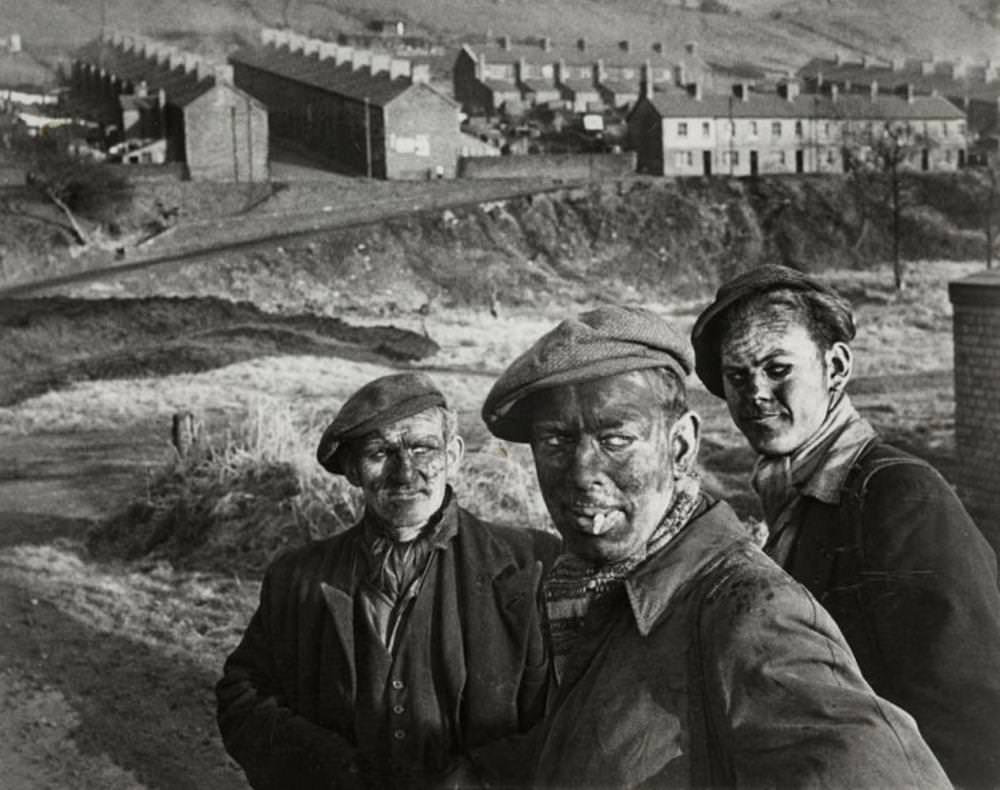
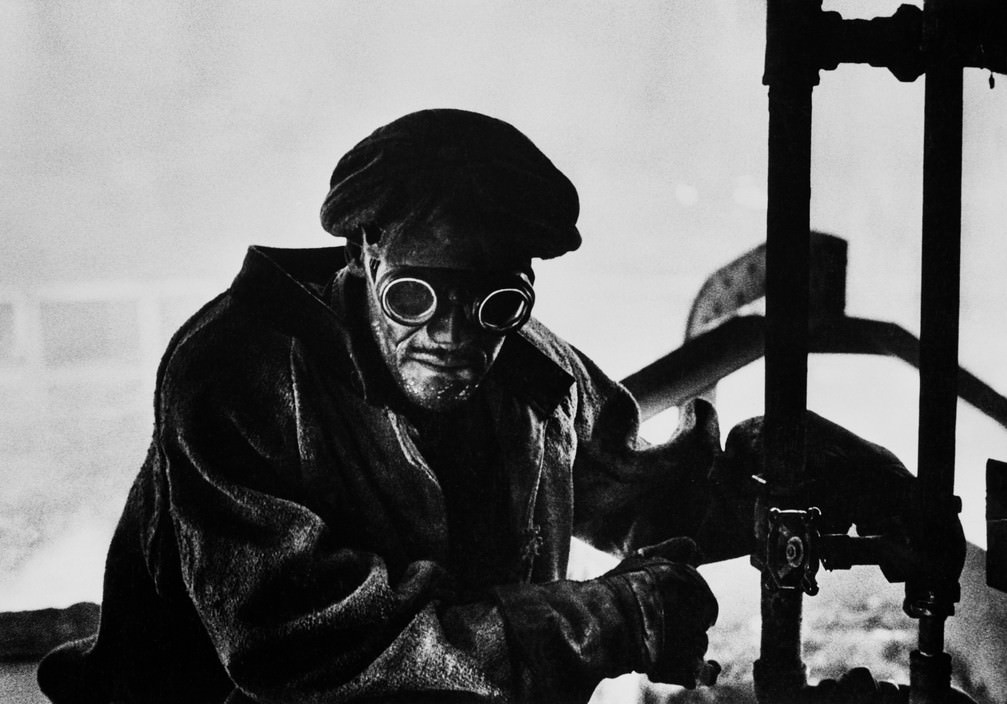
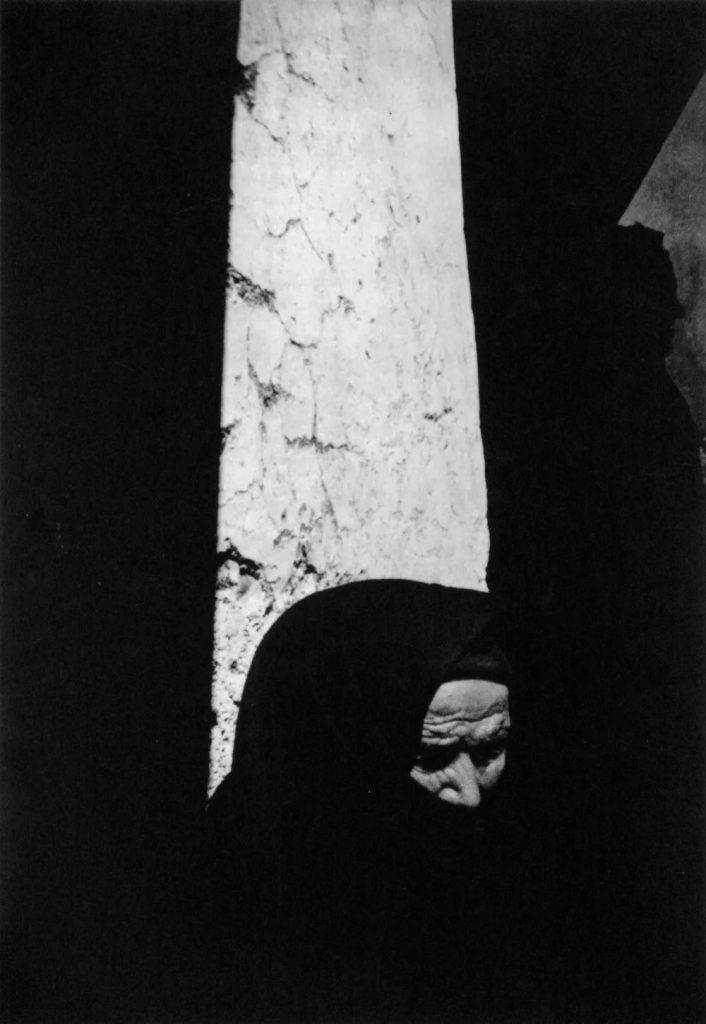
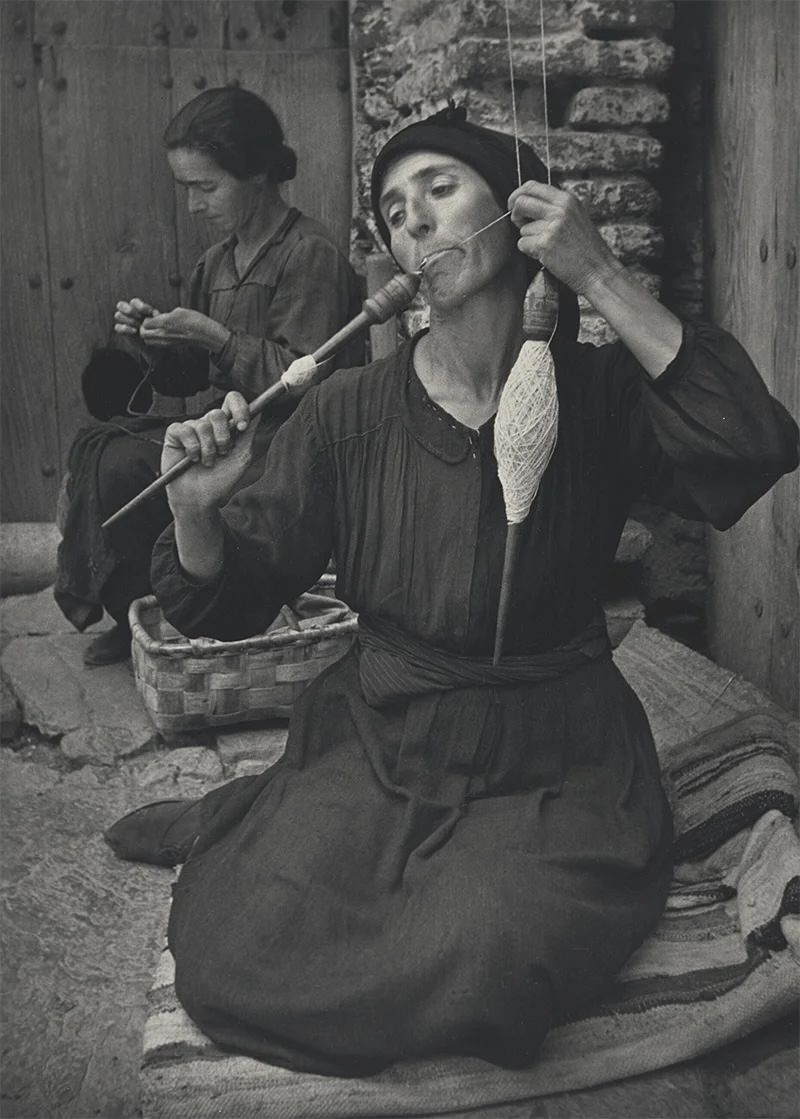
Smith transformed photojournalism by bringing an unusual degree of engagement and emotional intensity to the stories he photographed. Rather than simply documenting events, he immersed himself in the lives of his subjects, using photography to explore themes such as work, illness, family, war, and social injustice. His images combined careful composition and technical precision with a profound concern for the people and communities he encountered. The exhibition brings together photographs from his coverage of World War II alongside some of the celebrated reportage that cemented his reputation after the conflict. These works include Country Doctor (1948), Spanish Village and Nurse Midwife (1951), and Pittsburgh, the ambitious independent project Smith began in 1955.
In all these diverse bodies of work, his photography is defined by proximity rather than distance. Doctors, miners, patients, workers, and ordinary citizens are not treated as subjects of observation. Smith spent long periods of time within the communities he photographed, convinced that the photo essay could communicate complex human experiences in ways that went beyond conventional reportage.
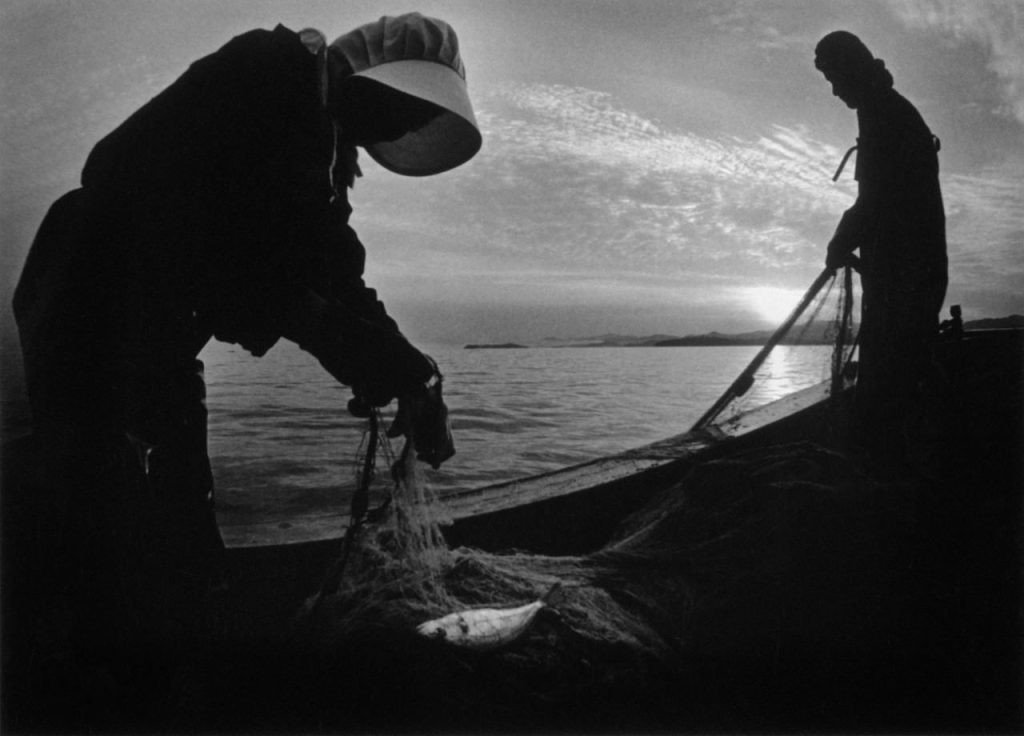
This approach reached one of its most powerful expressions in Minamata, his last major photographic project. Shot in Japan in the 1970s, the series documented the devastating consequences of mercury contamination on the fishing community of Minamata. The photographs highlighted the human cost of industrial pollution and became one of the most significant examples of photography used as a form of environmental and social testimony.
Viewed as a whole, the works trace a career that moved from the violence of war to intimate accounts of everyday life, and finally to an urgent investigation of environmental injustice. Despite the diversity of his subjects, Smith always believed firmly in photography as a medium capable not only of documenting events but also of confronting their moral and human consequences.
“W. Eugene Smith and the Art of Witnessing” offers the opportunity to reconsider a photographer who helped redefine the possibilities of documentary photography. For Smith, being a witness meant immersing himself deeply in the world before him and refusing to look away from the realities his photographs revealed.
About the Author
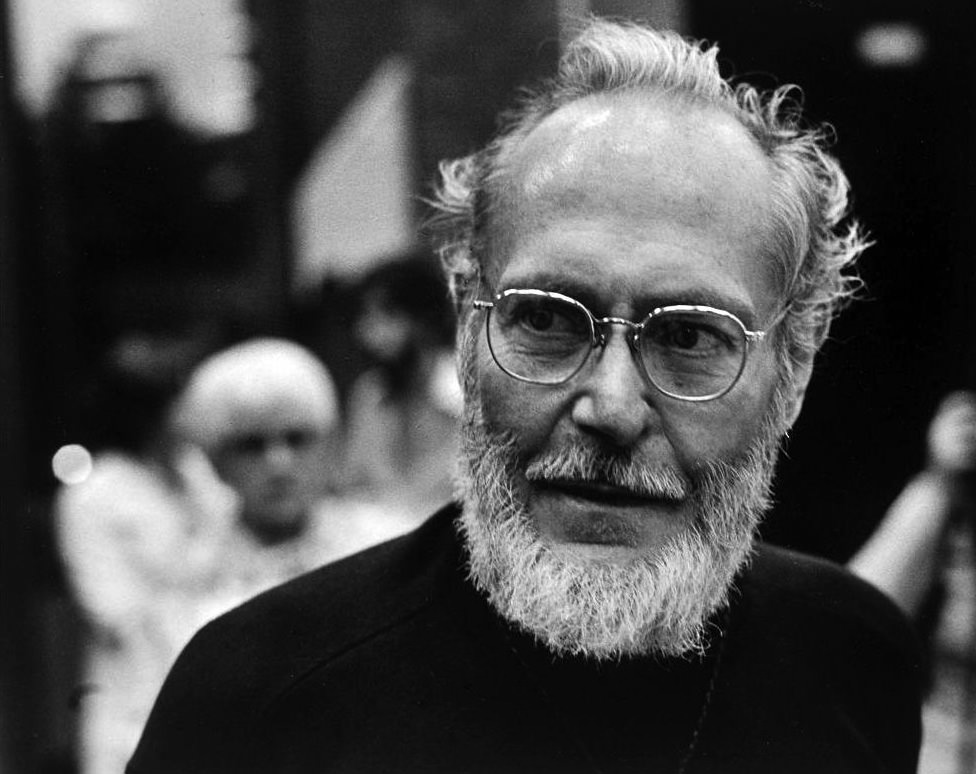
Eugene Smith was born in Wichita, Kansas, in 1918 and began working as a photographer while still a teenager. After moving to New York, he worked for Newsweek and later became one of the most influential photographers associated with LIFE magazine.
During World War II, Smith worked as a war correspondent in the Pacific, where he was seriously wounded in Okinawa in 1945. After recovering, he produced some of the most important postwar photo essays, including “Country Doctor,” “Spanish Village,” and “Nurse Midwife.”
In 1955, he left LIFE and joined Magnum Photos, continuing to develop large-scale photographic projects such as Pittsburgh. In the early 1970s, together with Aileen Mioko Smith, he documented the devastating effects of mercury poisoning in Minamata, Japan, creating one of the most significant works of social documentary photography.
Smith died in Tucson, Arizona, in 1978. His work remains fundamental to the history of photojournalism and the photo essay.
Eugene Smith and the Art of Witnessing
until December 6, 2026
Yale University Art Gallery, New Haven, CT
More info: