
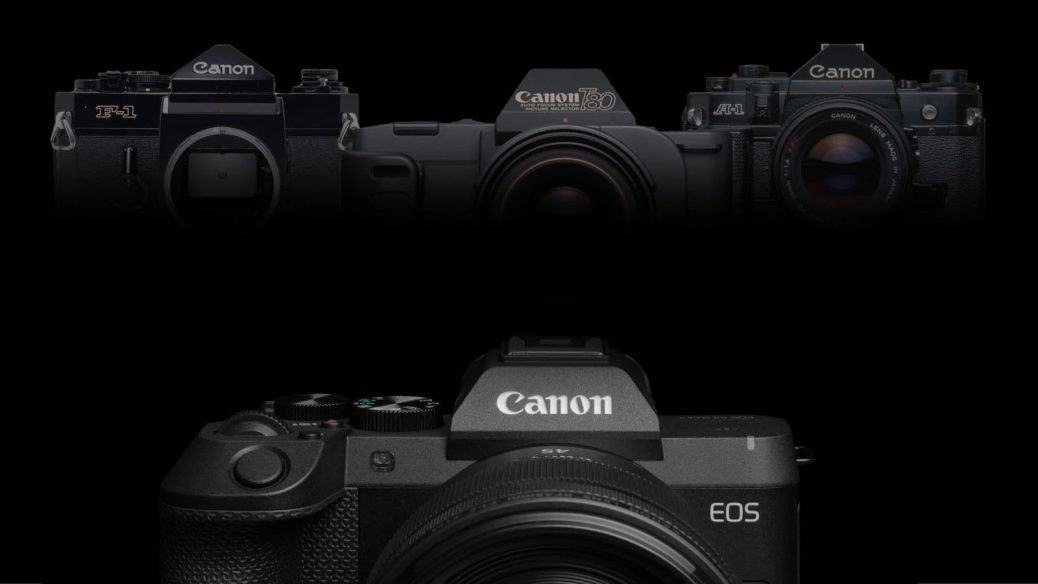
Canon Introduces EOS R8 Mark II
Canon has introduced the EOS R8 Mark II, a substantially redesigned version of its compact full-frame mirrorless camera. Although the new model retains the 24.2-megapixel CMOS sensor and DIGIC X processor used by the original EOS R8, it adds in-body image stabilization, revised controls and several improvements to both still photography and video recording.
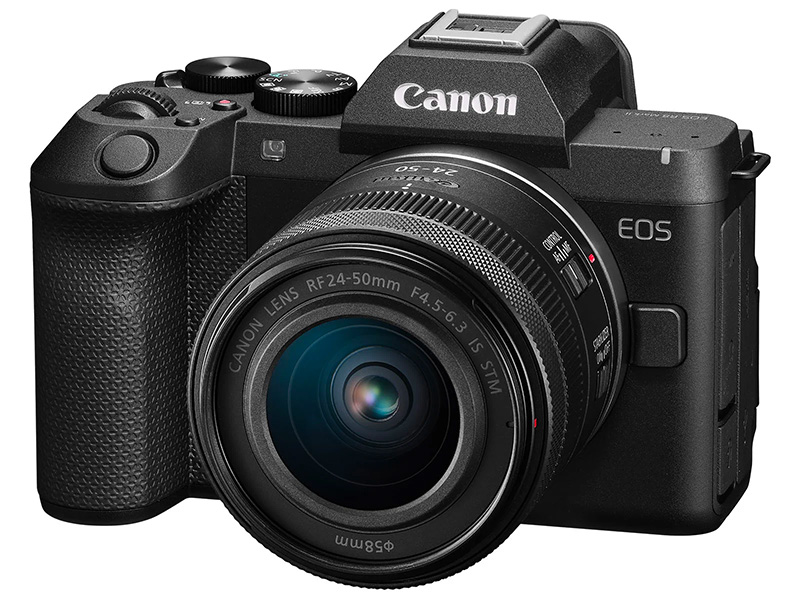
The most significant addition is a five-axis IBIS system, a feature missing from the original R8. Canon rates stabilization at up to 7.5 stops at the center of the image and seven stops toward the edges, with coordinated stabilization available when compatible IS lenses are attached. Despite the additional hardware, the camera remains relatively compact, weighing 546 grams with battery and memory card.
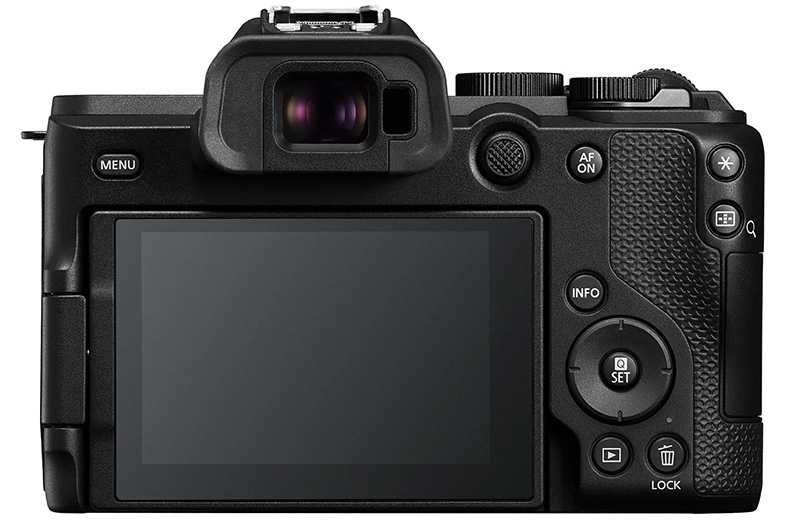
The Japanese company has also substantially changed the exterior design. The R8 Mark II adopts a more angular body while adding a rear autofocus joystick, addressing another notable omission from its predecessor. The camera continues to use a single UHS-II SD card slot and the LP-E17 battery, while an optional EG-E2 extension grip is available for users who want a larger handgrip.
The imaging pipeline remains familiar. The 24.2-megapixel full-frame sensor has a standard sensitivity range extending to ISO 102,400, while Dual Pixel CMOS AF II covers the full image area and recognizes people, animals and vehicles. Canon has also added Register People Priority and revised subject tracking to maintain focus more consistently.
Continuous shooting reaches 40 fps with the electronic shutter, matching the original R8, or 6 fps with the electronic first-curtain shutter. However, the larger buffer allows approximately 30% more RAW images and 58% more JPEGs to be recorded in an uninterrupted burst. Pre-continuous shooting can also buffer up to 20 frames before the shutter button is fully pressed.
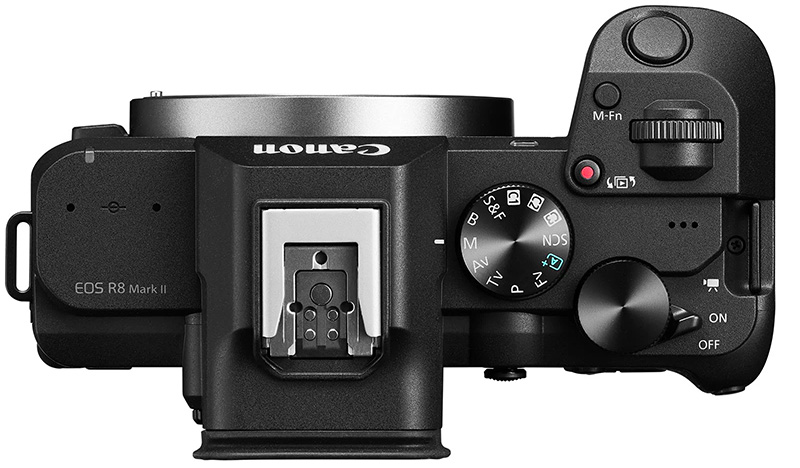
Video receives a more substantial update. The EOS R8 Mark II records uncropped 4K at up to 60p using oversampled 6K data, while Full HD recording reaches 180p without a crop. Canon C-Log 3 is available for color grading, and the camera supports 10-bit HEVC recording. Slow and Fast Motion now has a dedicated position on the mode dial, with audio recording supported across the available frame rates.
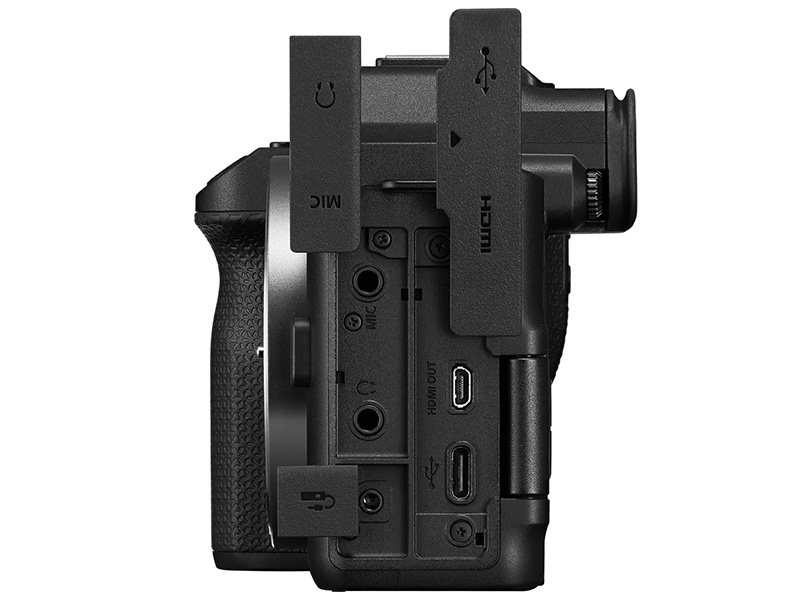
Other additions include Wi-Fi 6 for faster wireless transfers, USB-C and HDMI connectivity for live streaming, and a series of in-camera creative functions aimed at users who prefer finished JPEG output. Among them are 16 Color Filters, including Negative Filmtone and Positive Filmtone profiles.
The Canon EOS R8 Mark II will be available in late October 2026 for $1,899 body-only. A kit with the RF 24-50mm f/4.5-6.3 IS STM will cost $2,099, while the optional EG-E2 extension grip is priced at $99.99.