Declan Haun: Between Fact and Feeling
Joseph Bellows Gallery presents Between Fact and Feeling, an exhibition dedicated to American photographer Declan Haun (1937–1994), whose work moved freely between photojournalism, documentary photography, and a more personal approach to the medium.
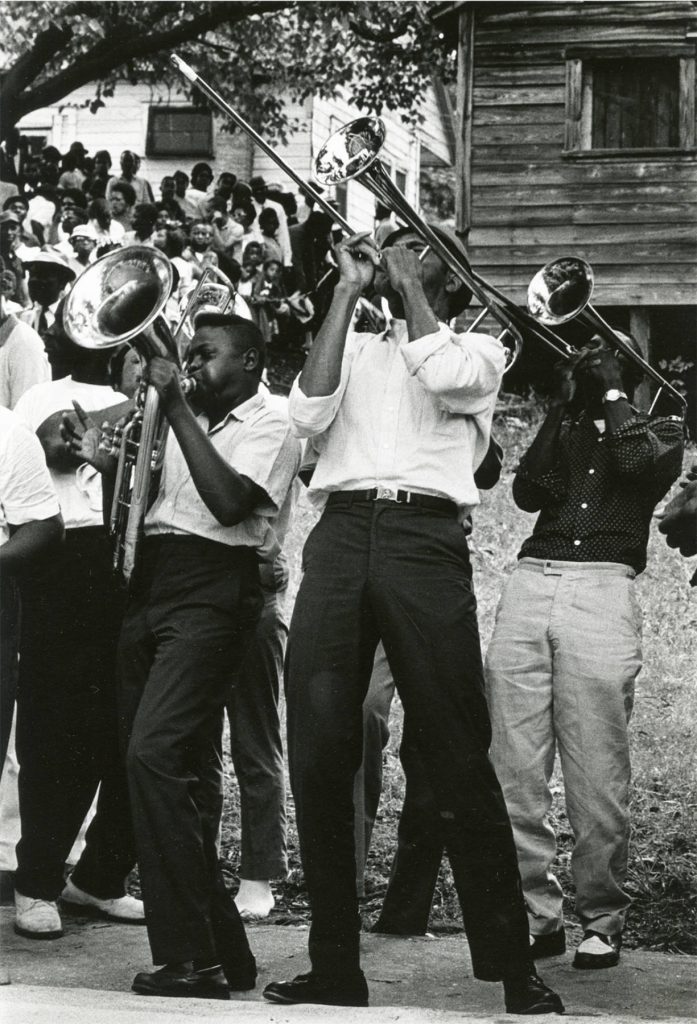
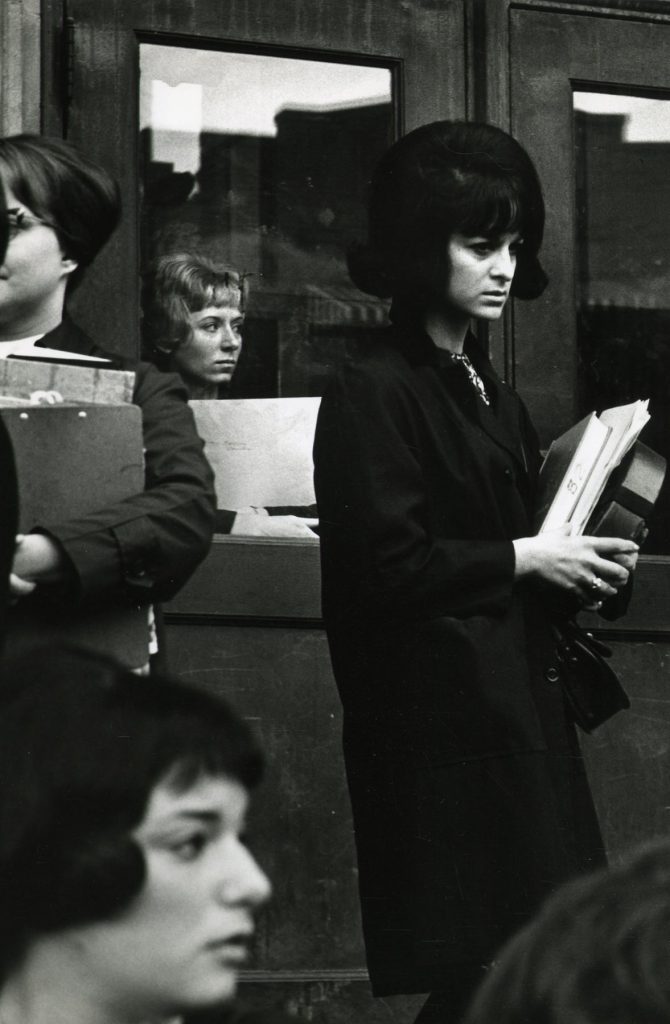
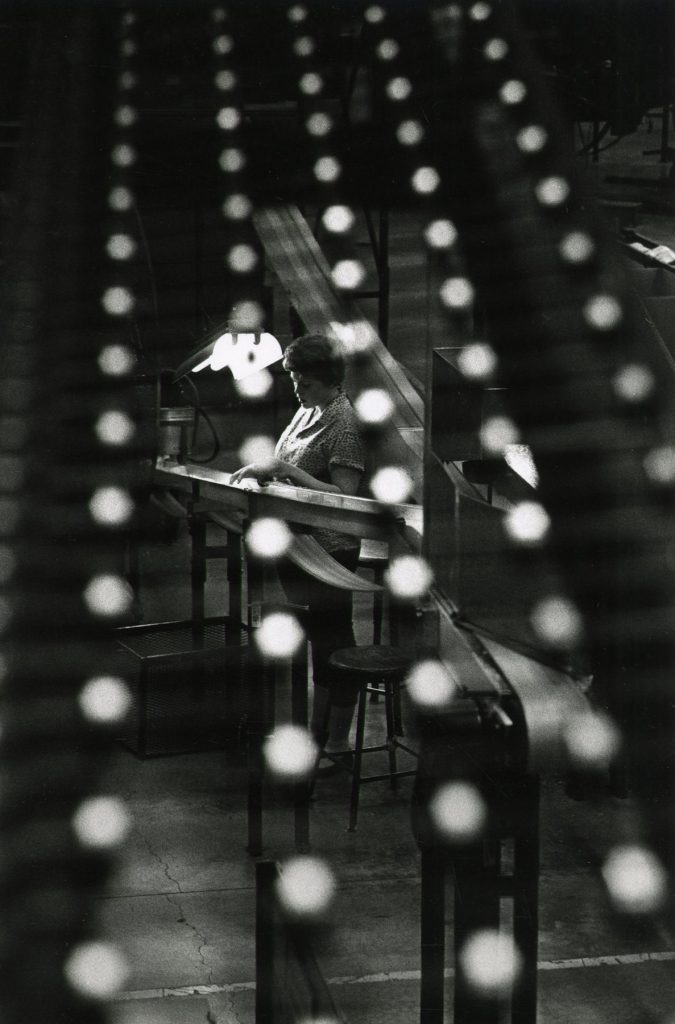
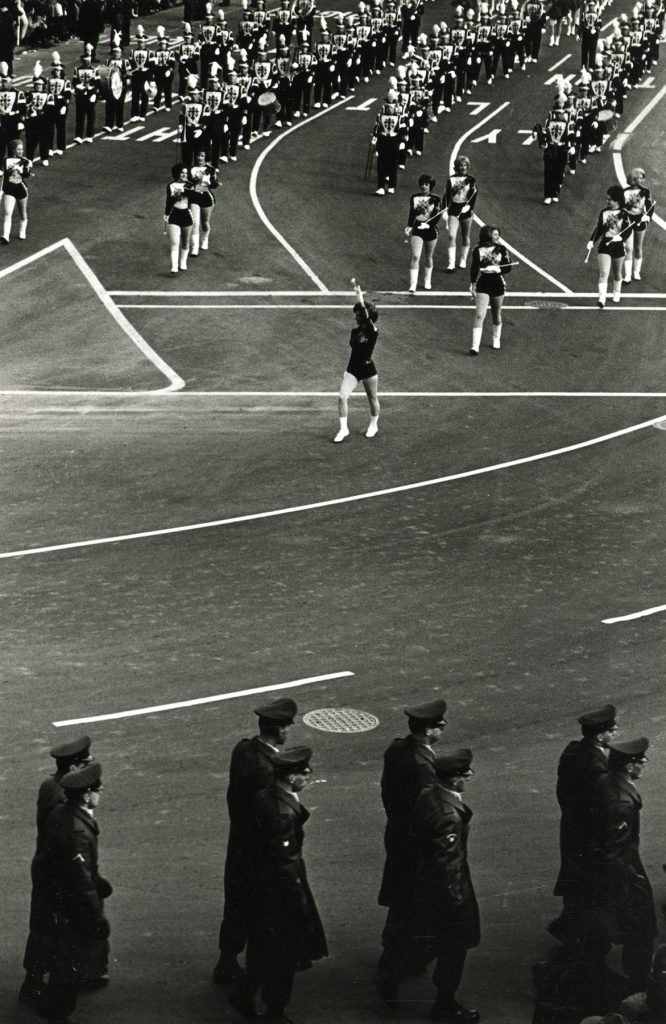
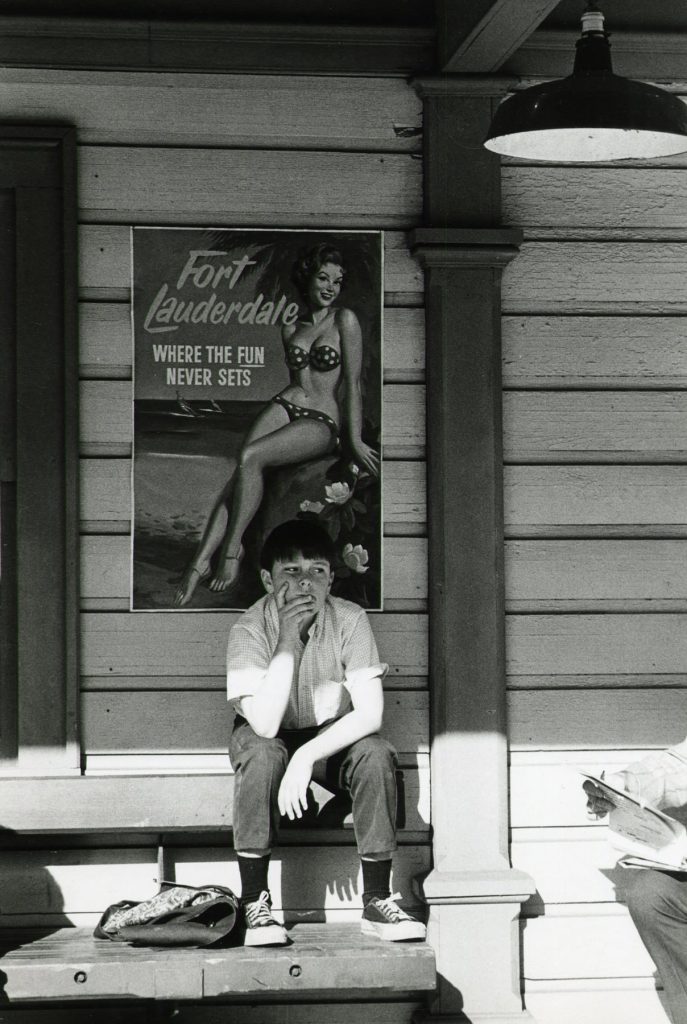
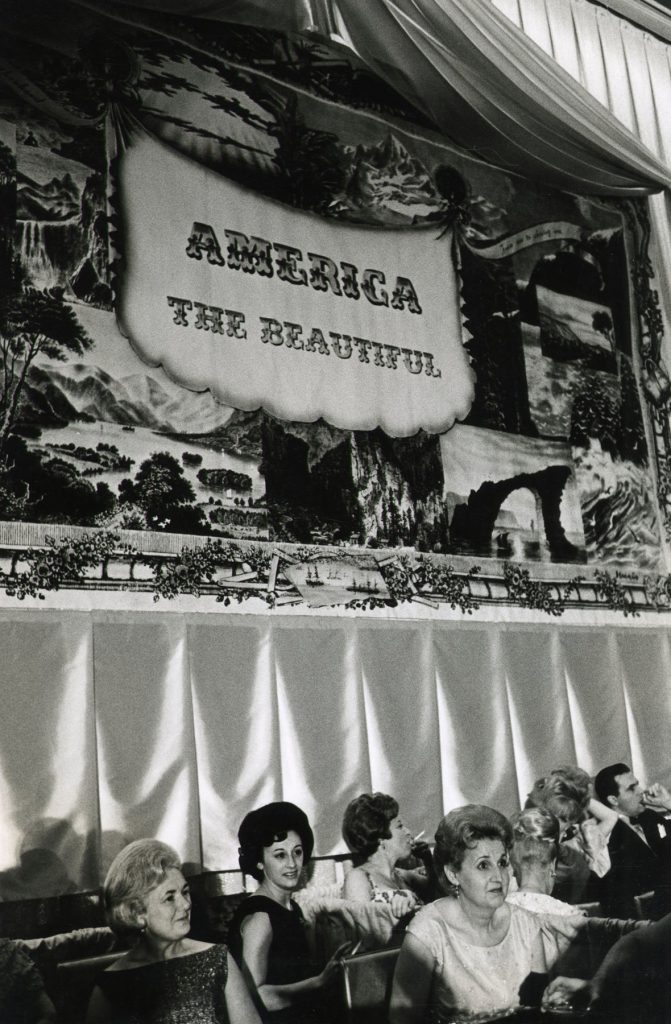
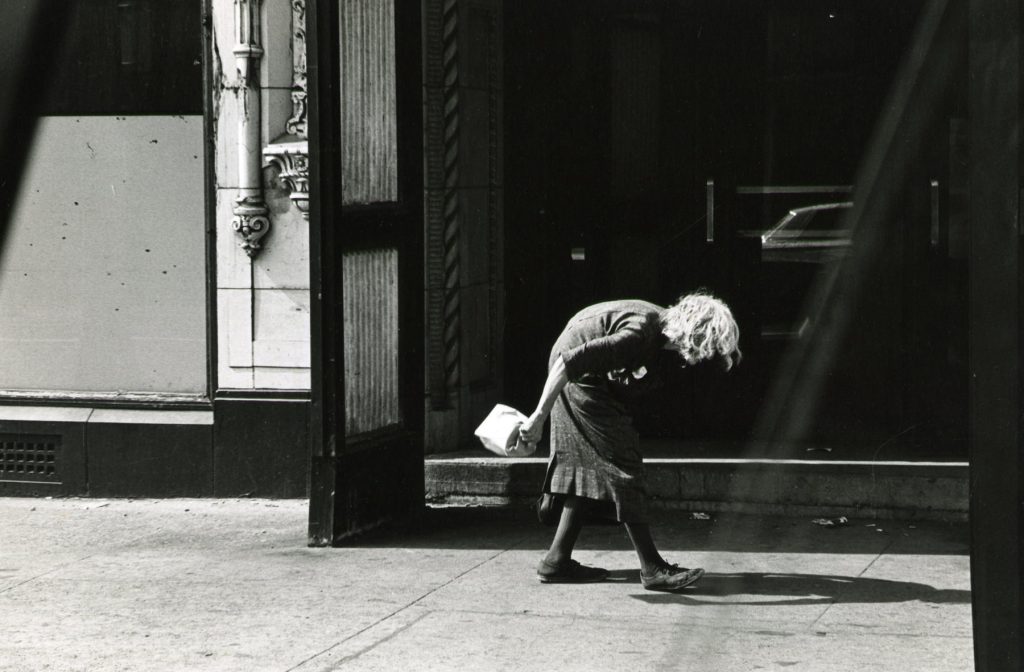
Haun was a keen observer of American life. His photographs carry the immediacy of images made in the midst of unfolding events, but they are equally defined by composition, timing, and an instinctive sensitivity to human behavior. Even when working on assignments, he often looked beyond the obvious subject, focusing instead on small gestures, expressions, and encounters that revealed something about the people caught within larger historical events.
Haun began his professional career at the Charlotte Observer when he was twenty one. In 1963 he moved to Chicago, where he spent the next fifteen years working as a freelance photographer. Represented by the influential Black Star agency, his photographs appeared in major publications including Life, Look, Time, The Saturday Evening Post, and National Geographic.
The political and social transformations of the 1960s became central to his work. Haun photographed the Civil Rights Movement across the South and Midwest, including the 1963 March on Washington and the Selma to Montgomery marches, as well as political campaigns, conventions, and the funeral of Martin Luther King Jr.
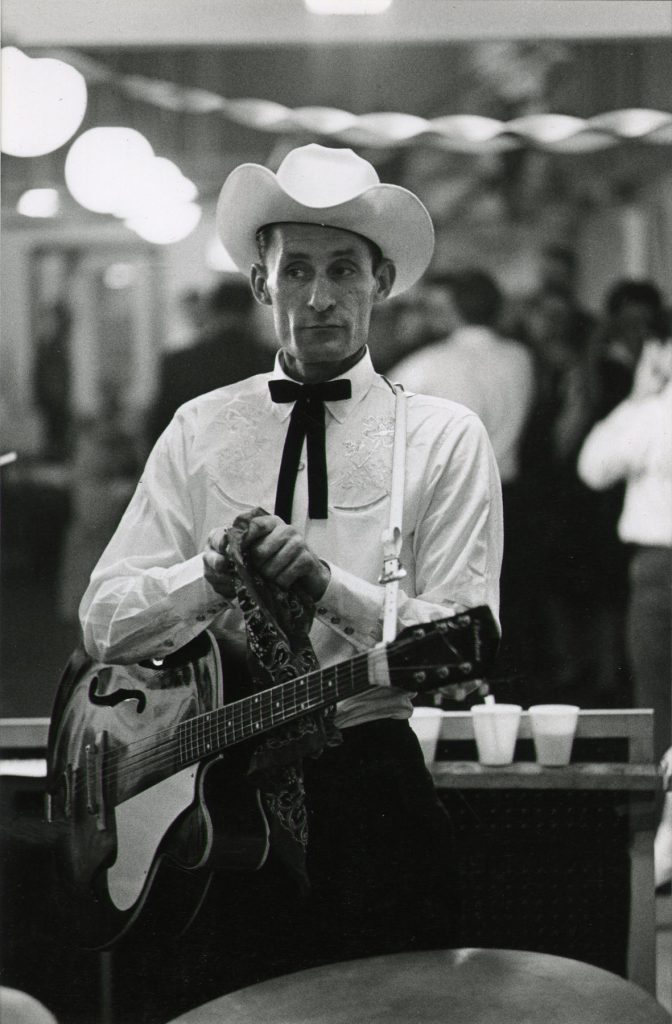
Yet his photographs rarely depend on the scale or drama of the events themselves. Haun was often more interested in the individual experience within history: a person standing apart from the crowd, an unexpected glance, a fleeting exchange. These details give his work an intimacy that separates it from conventional news photography.
Haun described his approach in simple terms: “My pictures are not very complex. I try to make them simple statements of fact or feeling.”
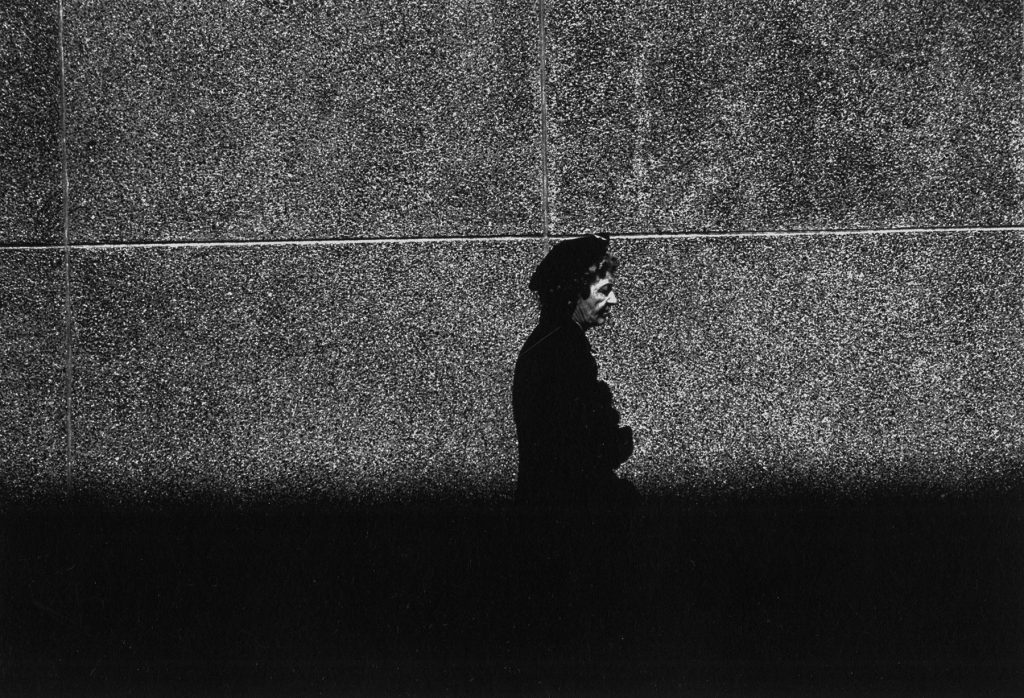
That balance between fact and feeling runs throughout his work. His photographs are direct but never merely descriptive. They reflect a strong social awareness while maintaining a careful attention to photographic form, light, and the relationships between people within the frame.
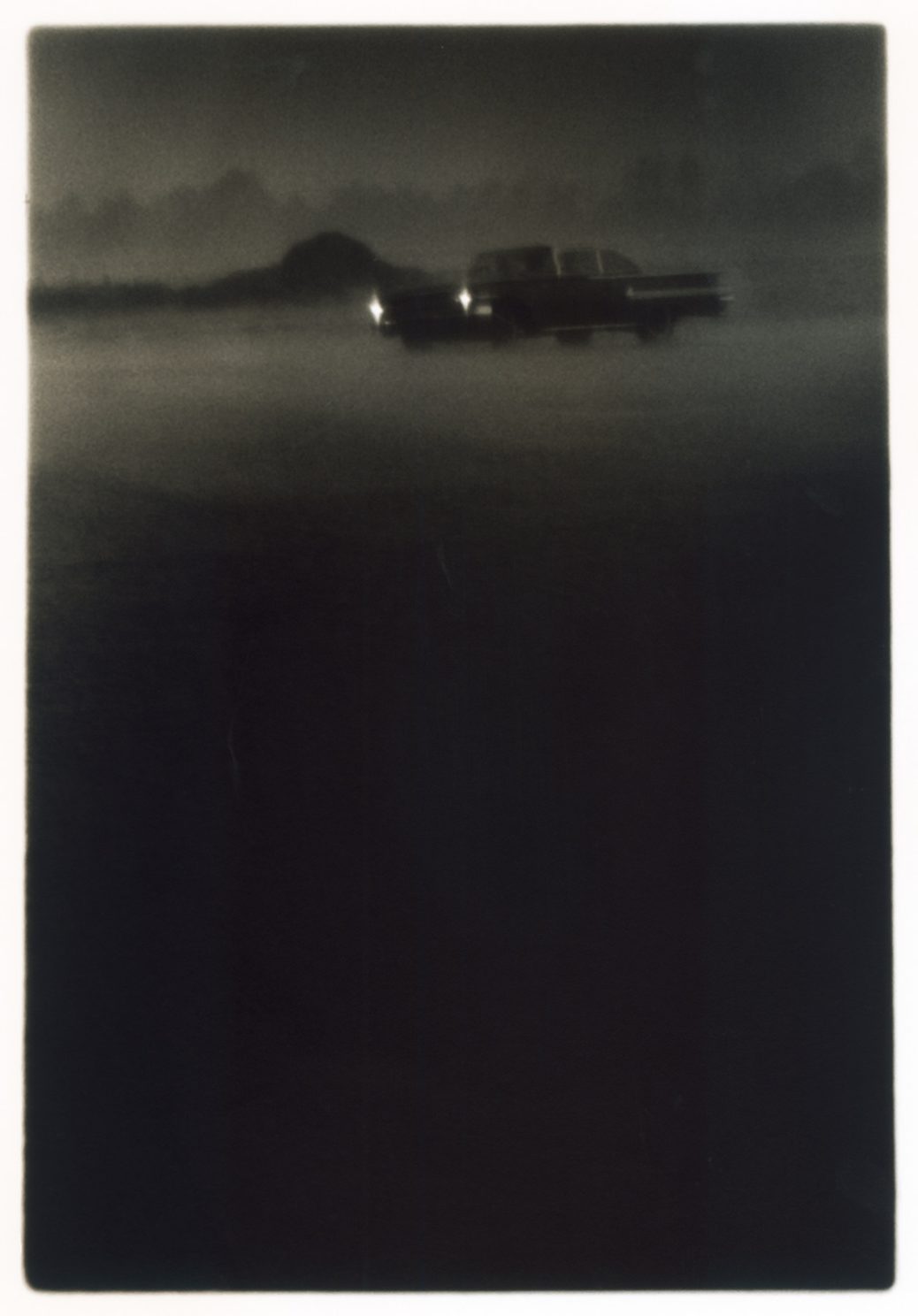
Haun also regarded himself as a fine art photographer and printmaker. The physical print was an important part of his practice, and his photographs reveal close attention to tonal range, contrast, light, and the material qualities of the photographic image.
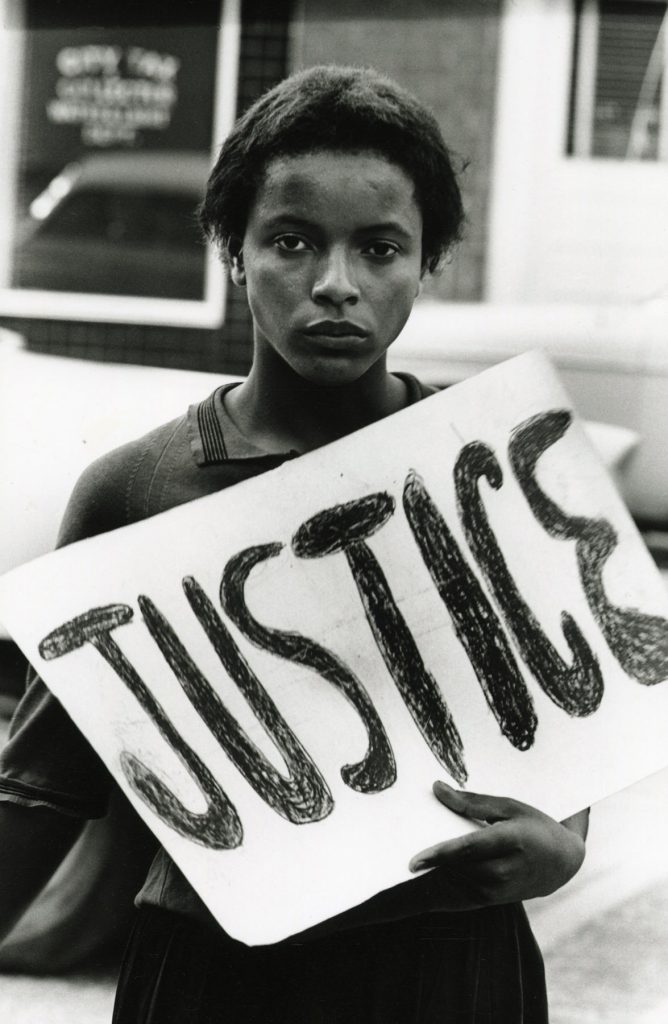
In 1964, John Szarkowski included Haun’s photograph Justice, 1963 in the Museum of Modern Art exhibition The Photographer’s Eye. Bringing together work by photographers from different periods and traditions, the exhibition examined the particular visual language of photography itself. Haun’s inclusion placed his work within a broader conversation about the medium that extended well beyond photojournalism.
In the later part of his career, Haun moved increasingly into editorial work and education. From 1976 to 1982 he worked as a picture editor at National Geographic, followed by a position at Smithsonian Magazine from 1982 to 1984. He also taught photography for many years at George Washington University and led workshops for younger photographers.
Between Fact and Feeling offers an opportunity to reconsider Haun not only as an accomplished photojournalist, but as a photographer whose work helped shape the visual record of postwar America. Presented as original prints, the photographs reveal the richness of his printing, the precision of his compositions, and an emotional complexity that can be harder to perceive when the images are reproduced on the printed page.
Decades after they were made, Haun’s photographs retain their immediacy. At the same time, they reveal an achievement that goes beyond the events they document: a sustained attempt to understand history through the individuals living inside it.
About the Author
Declan Haun (1937–1994) was an American photographer, photojournalist, editor, and educator whose work documented some of the defining social and political events of the United States during the 1960s. He began his professional career at the Charlotte Observer before moving to Chicago in 1963, where he established himself as a freelance photographer. Represented by the Black Star photo agency, Haun worked for publications including Life, Look, Time, The Saturday Evening Post, and National Geographic. His photographs documented the Civil Rights Movement, the 1963 March on Washington, the Selma to Montgomery marches, political campaigns and conventions, and other major events of the period. Alongside his journalistic work, Haun developed a personal photographic practice distinguished by its attention to gesture, expression, composition, and the everyday experience of people caught within larger historical events.
In 1964, his photograph Justice, 1963 was included in John Szarkowski’s landmark exhibition The Photographer’s Eye at the Museum of Modern Art in New York.
Haun later worked as a picture editor at National Geographic and Smithsonian Magazine and taught photography at George Washington University. His photographs are preserved in major public collections, and an extensive body of his work is held by the Chicago History Museum, which has presented his photographs of the American Civil Rights era and in 2004 organized the exhibition A Compassionate Eye: The Photographs of Declan Haun, 1961–69.
Declan Haun: Between Fact and Feeling
until October 31, 2026
Joseph Bellows Gallery – La Jolla, CA 92037
More info: