
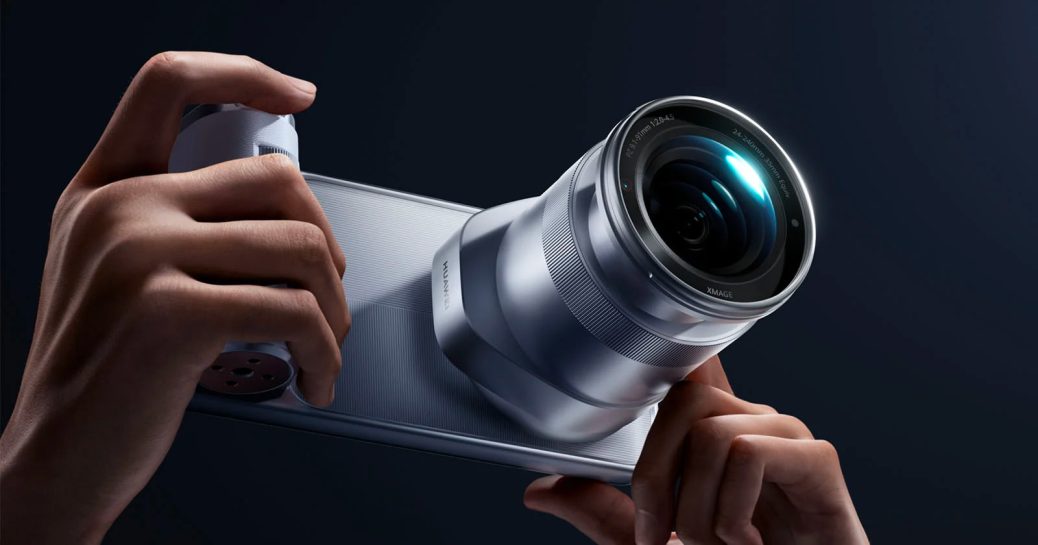
Huawei Releases the Ruiying Z10 Camera Module in China
Huawei has launched the Ruiying Z10, a self-contained camera module that attaches to a smartphone via a screw-on mount rather than functioning as a lens add-on or teleconverter. The product is compatible with two specific Huawei devices — the Mate 90 Pro Max Collector’s Edition and the Mate 90 RS — and uses those phones solely for power and image processing, while all optics and image capture are handled independently by the module itself. The attachment system is mechanically analogous to mounting an interchangeable lens on a conventional camera body, and sits in front of the phone’s native cameras without interacting with them in any way.
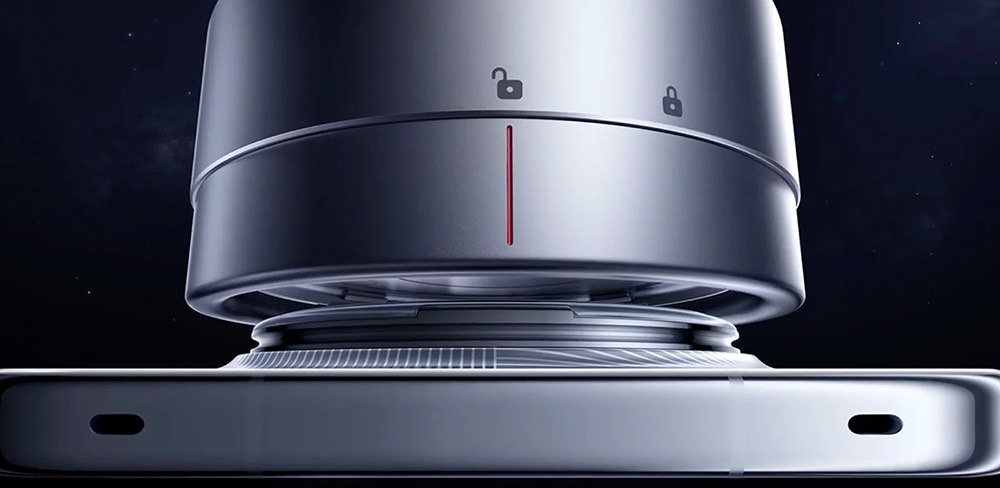
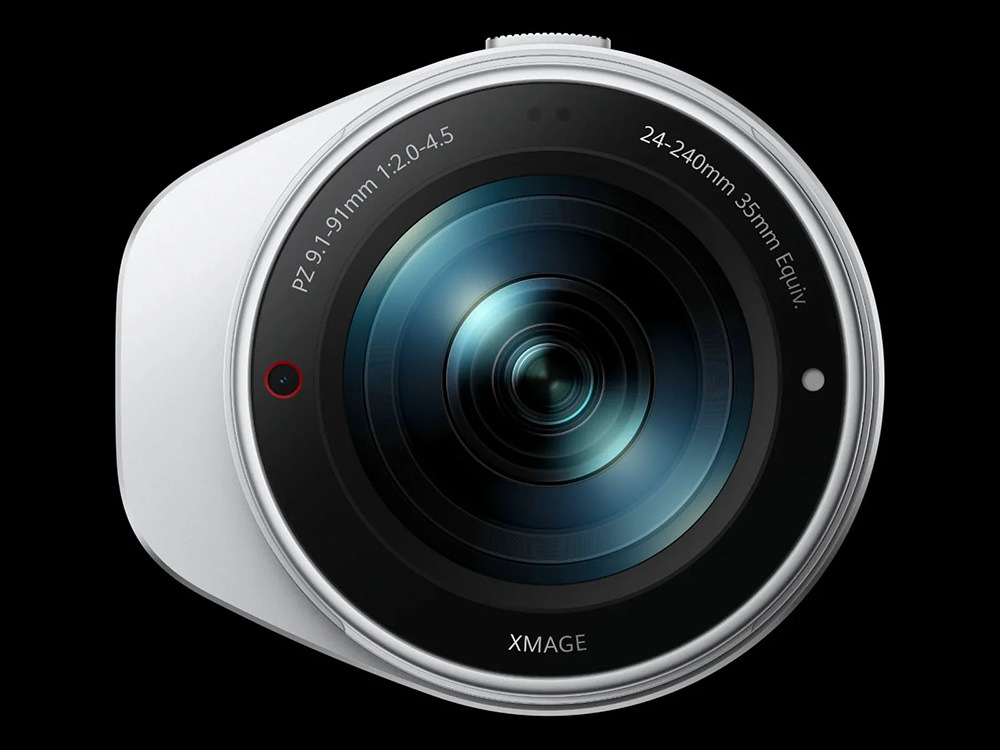
The Ruiying Z10 is built around a Type 1 RYYB image sensor — a 50-megapixel unit using Huawei’s red-yellow-yellow-blue color filter arrangement, which is designed to improve light sensitivity compared to a conventional RGGB Bayer pattern — behind a power zoom lens with a physical focal range of 9.1 to 91mm. The 2.6x crop factor of the module’s sensor produces a 24–240mm equivalent range, a figure that places it in the same territory as a travel zoom compact, with a maximum aperture of f/2 at the wide end and f/4.5 at full zoom — numbers that are notably faster than most equivalent-range smartphone periscope systems. The optical formula comprises 19 elements in six groups. The zoom operates continuously and step-lessly across the full range, unlike the discrete focal length switching of native smartphone telephoto systems, and covers a broader range than any built-in smartphone zoom currently available.
Here are some sample pictures, courtesy of Huawei:





The product occupies a category with very few precedents. Vivo and other manufacturers have offered Zeiss-made teleconverter lenses that optically extend a phone’s native telephoto, but these are passive optical elements rather than independent imaging systems. The Ruiying Z10, by contrast, introduces a complete sensor-and-lens pipeline, with the consequent difference in image quality that a physically larger lens and dedicated sensor can provide over software-enhanced smartphone zoom — particularly at the telephoto end, where digital magnification tends to compound noise and reduce resolving power. The tradeoff is weight: at approximately 350 grams, the module adds more mass to the phone than most users would consider acceptable for everyday carry, though the screw-on design allows it to be detached when not needed.
The Ruiying Z10 is available in China at ¥5,999, approximately $900 at current exchange rates. No international availability has been announced.