
Stephanie Duprie Routh: Atlas of Invisible Things
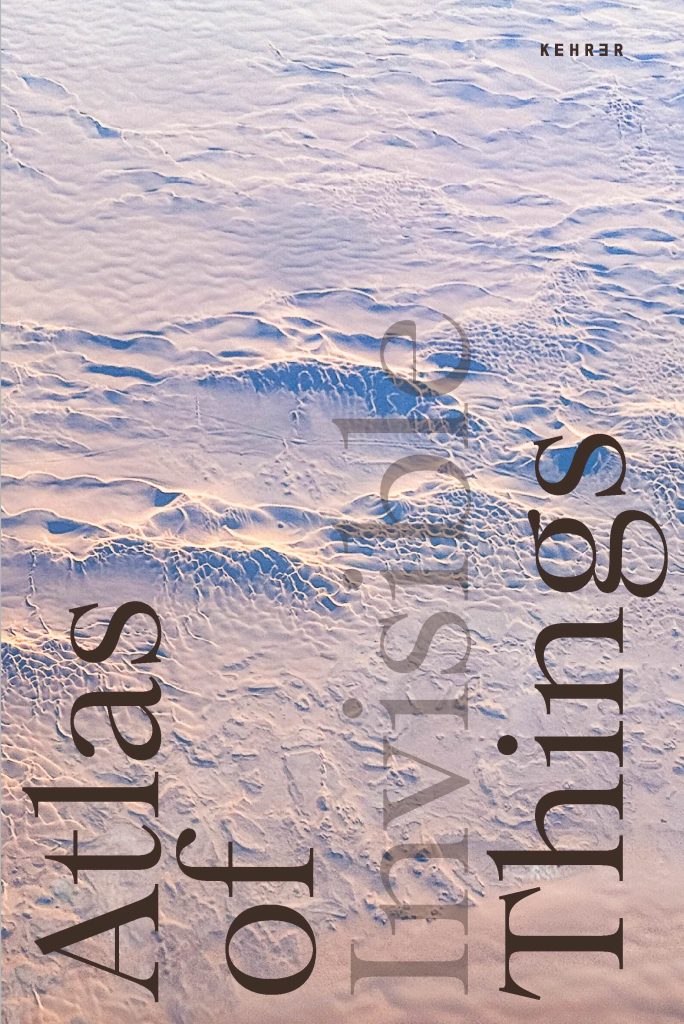
In Atlas of Invisible Things, Stephanie Duprie Routh brings photography and writing together to explore Morocco through place, memory, identity and time.
At the centre of the book is Soul, a long-form essay written and photographed by Duprie Routh. Moving between Marrakesh and Essaouira, the work unfolds through the perspective of a figure called Soul, whose presence allows the artist to move freely between observation, fiction and imagination. Rather than describing Morocco in the manner of a traditional travelogue, Duprie Routh builds a more elusive portrait of the country, shaped by personal experience, questions of gender and an altered sense of time.
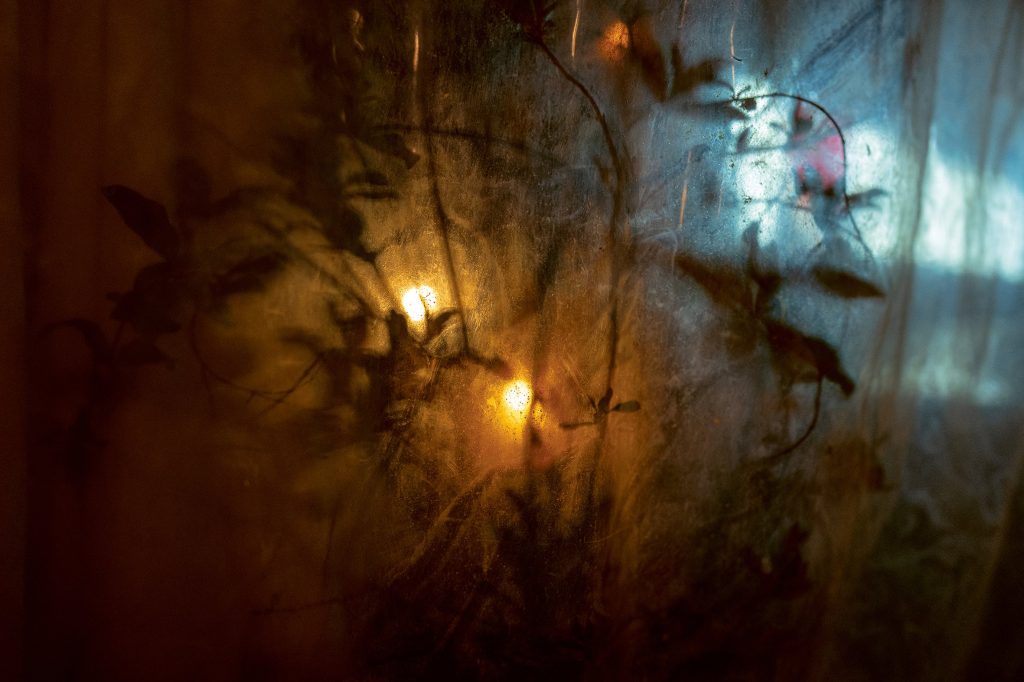
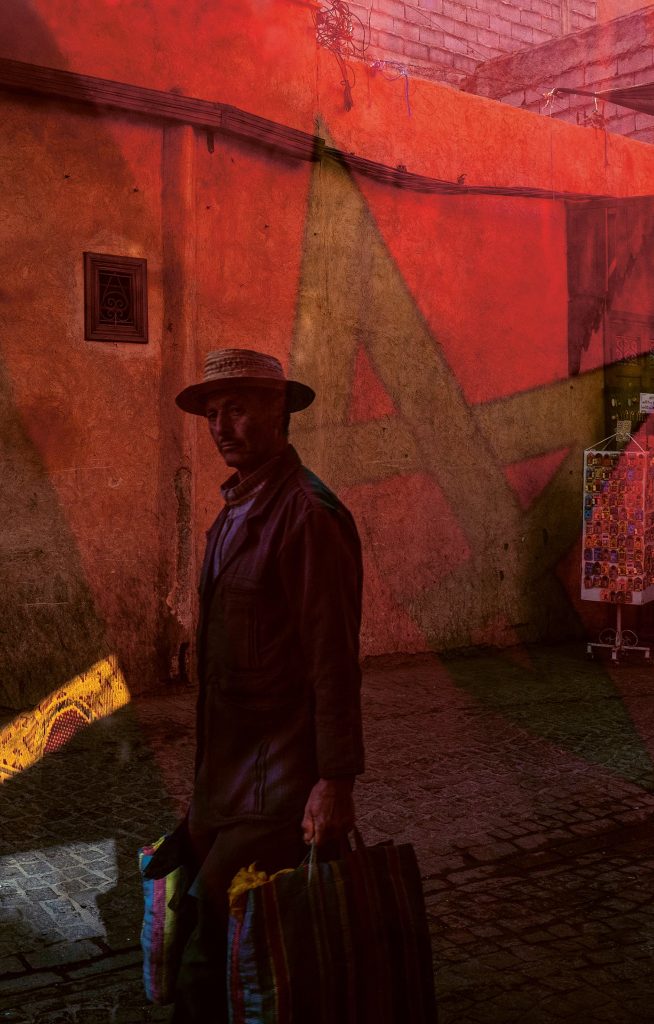
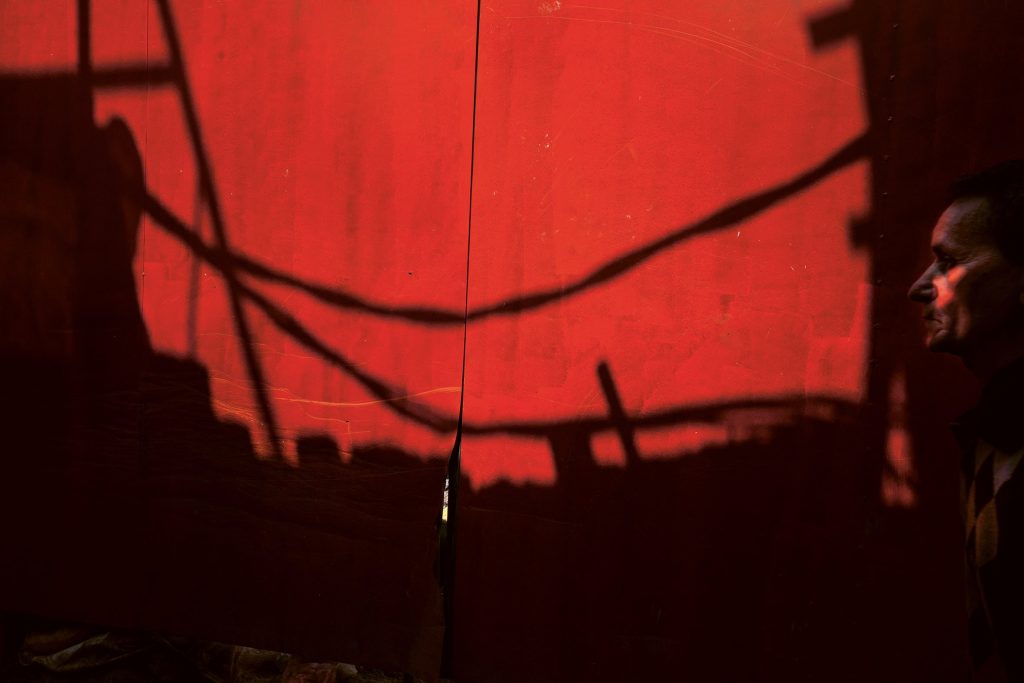
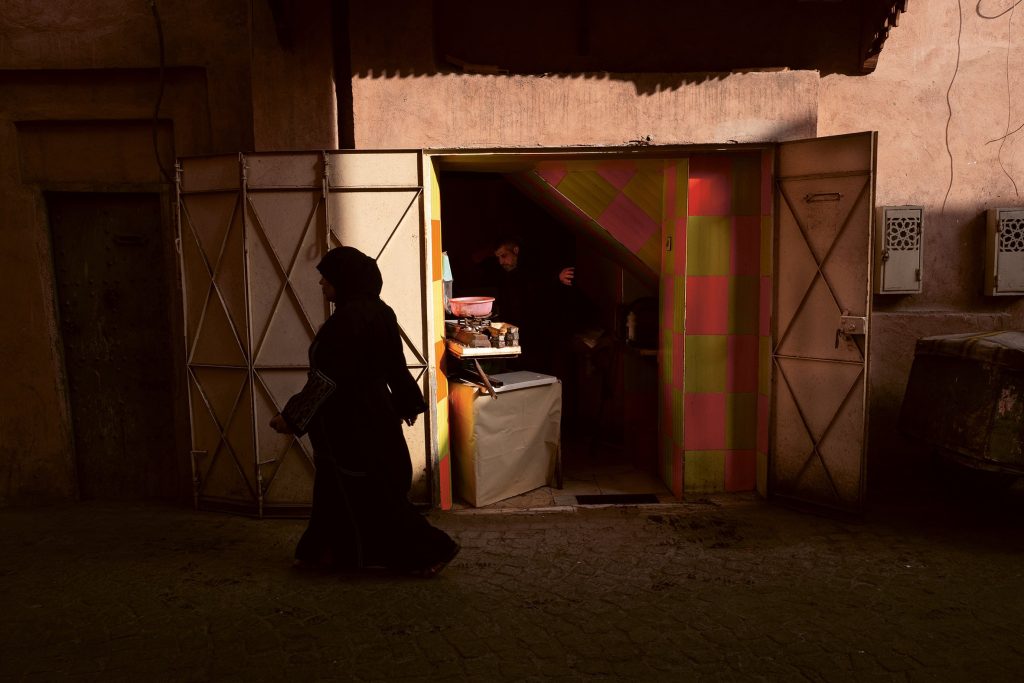
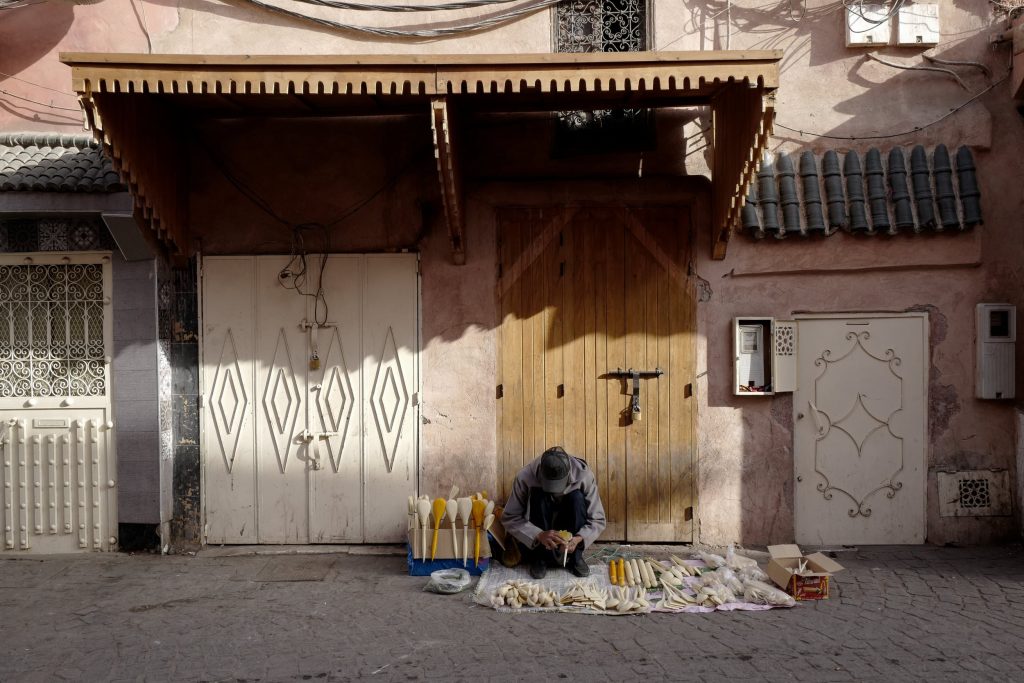
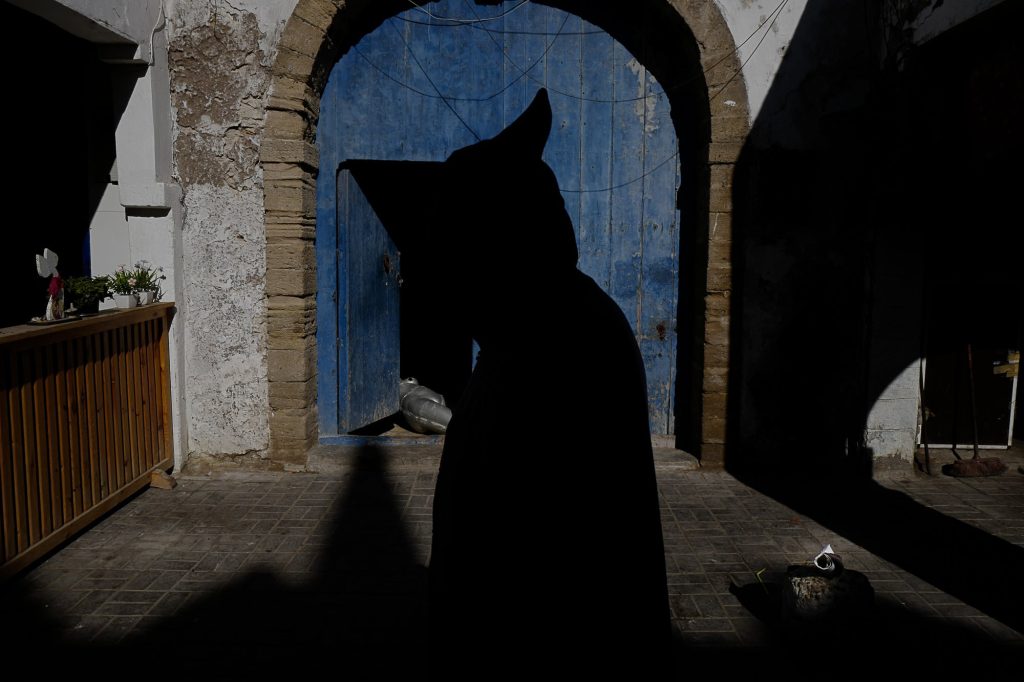
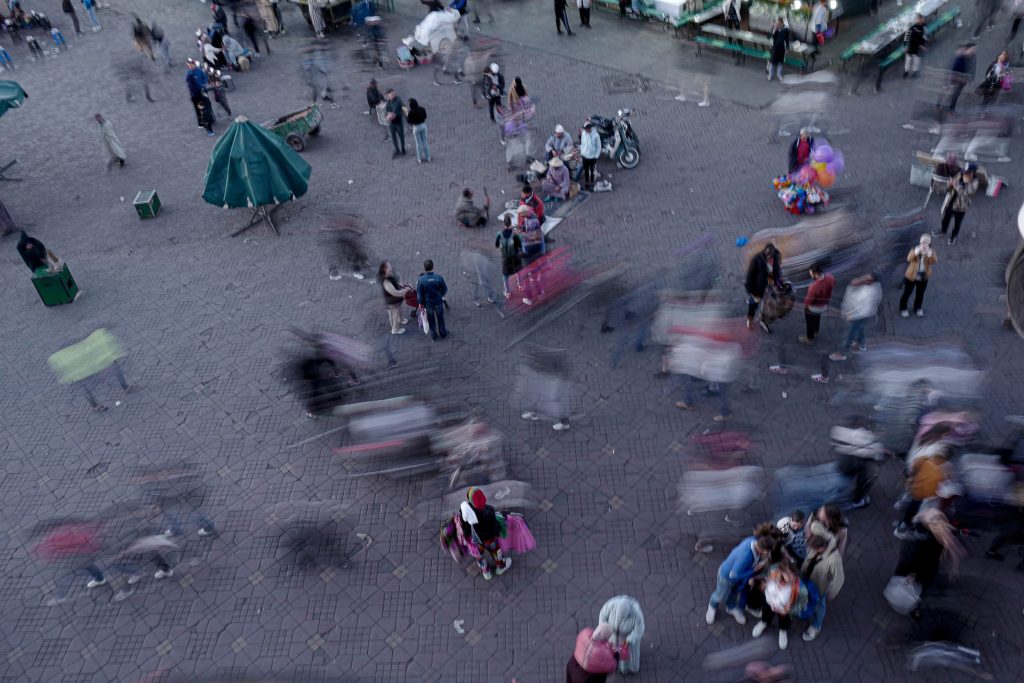
Past and present frequently overlap. Places seem to carry memories of what has happened within them, while the distinction between what is seen, remembered or imagined gradually becomes less certain. Photography and prose follow the same shifting logic, each adding another layer to the narrative. Light plays an important role throughout the photographs. Shadows move across old walls, architectural forms become almost abstract, and colour changes the mood and perception of a place. Marrakesh appears through its faded reds, enclosed streets and reflected light, while other images open onto quieter spaces and different rhythms. Duprie Routh is interested not only in the physical landscape but also in what remains difficult to photograph: atmosphere, memory, emotion and the traces that people and places leave behind.
The text extends this idea. In Soul, Marrakesh becomes a living presence, imagined as female and surrounded by the ancient walls of the Medina. The character moves through the city as both observer and part of it, responding to its light, architecture, history and hidden energies. This relationship between the visible and the invisible runs throughout the book. Duprie Routh does not attempt to explain Morocco or offer a definitive portrait of it. Instead, Atlas of Invisible Things remains deliberately open, allowing images, stories and impressions to coexist without resolving into a single meaning.
The result is a book about Morocco, but also about the ways we experience places and carry them with us. Through photography and prose, Duprie Routh reflects on how memory, imagination and time continually reshape what we believe we see.
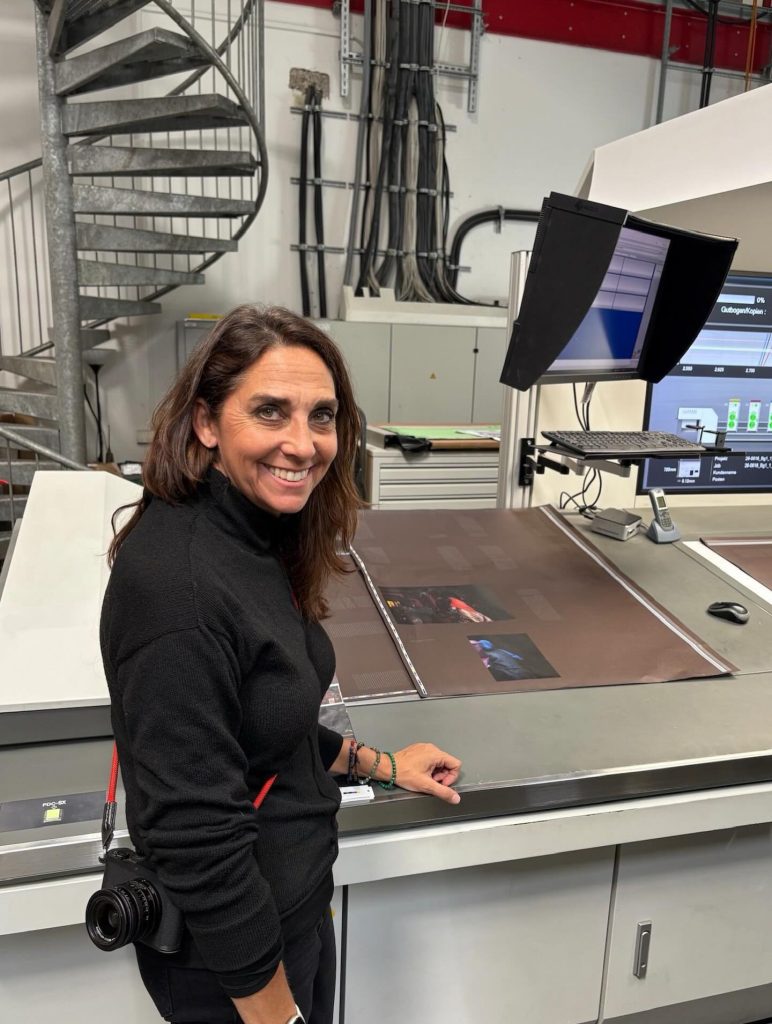
About the Author
Stephanie Duprie Routh is a photographer and writer whose practice combines photography, literature and experimental forms of storytelling. Her work often moves beyond straightforward image-making, using text, physical interventions and different stages of editing and recontextualisation to explore how photographs acquire meaning.
Her work focuses on womanhood, identity, memory and the emotional experience of place. Rather than simply documenting what is visible, she is interested in psychological and subconscious realities and in the ways photography can suggest experiences that cannot easily be represented directly.
Routh is represented by SLATE Contemporary Gallery in Oakland, California. Her work has been exhibited in the United States, Japan, Italy, Spain and India, and is included in a number of institutional and private collections, including The Wittliff Collections, CENTER Image Library and Archive, Texas A&M University, Concordia University, Austin-Bergstrom International Airport and The Loren at Lady Bird Lake.
Her work has received recognition from the Julia Margaret Cameron Awards, the International Photography Awards and LensCulture. In 2024, she was nominated to apply for the Leica Oskar Barnack Award.
Her photographs and writing have appeared in Forbes, The Raw Society Magazine, FRAMES Magazine, PDN Magazine, National Geographic Traveler, Dodho Magazine and The Austin Chronicle, among other publications.
Her previous monographs include Where the Ocean Drinks the Sky and Daydream in Memories of Youth. Published in 2024, Daydream in Memories of Youth received recognition from the International Photography Awards and the Paris Photo Prize. Her latest monograph, Atlas of Invisible Things, was published by Kehrer Verlag in 2026.