René Burri: Traversées
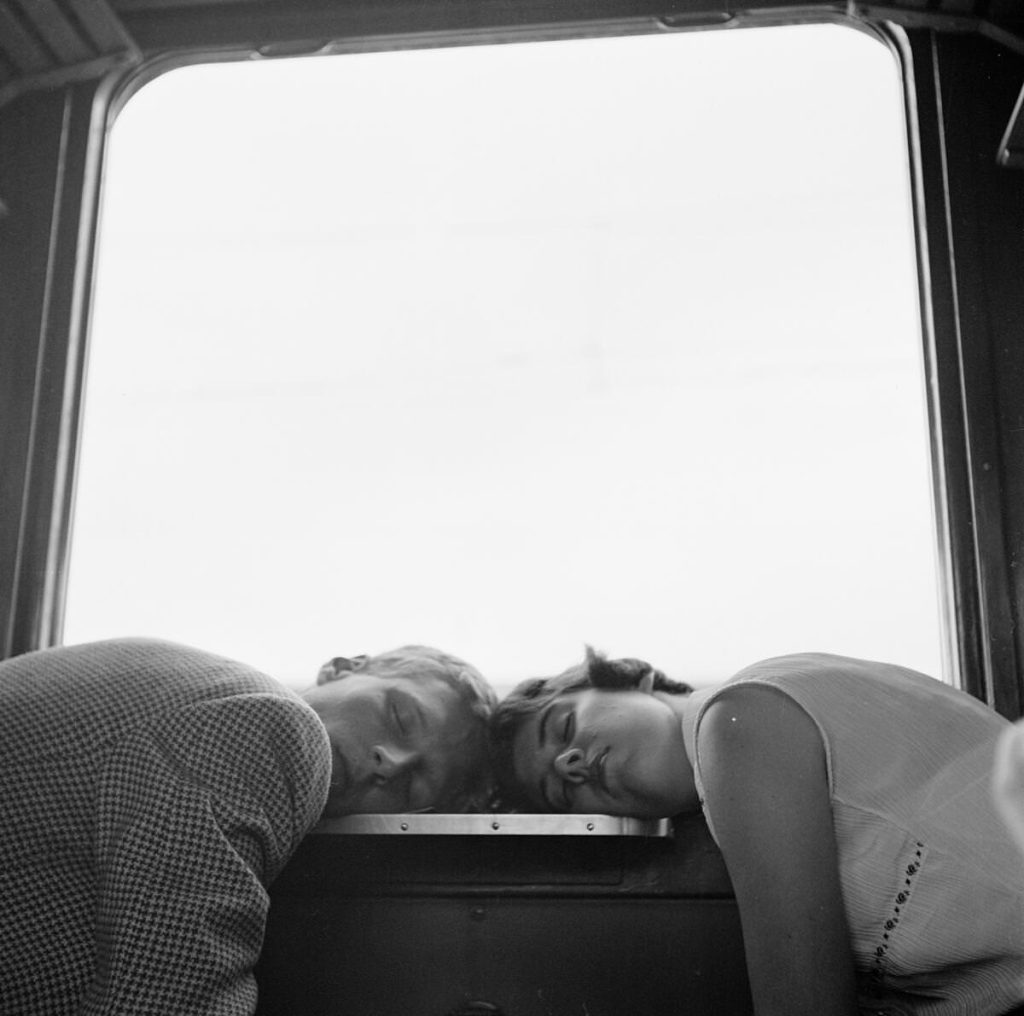
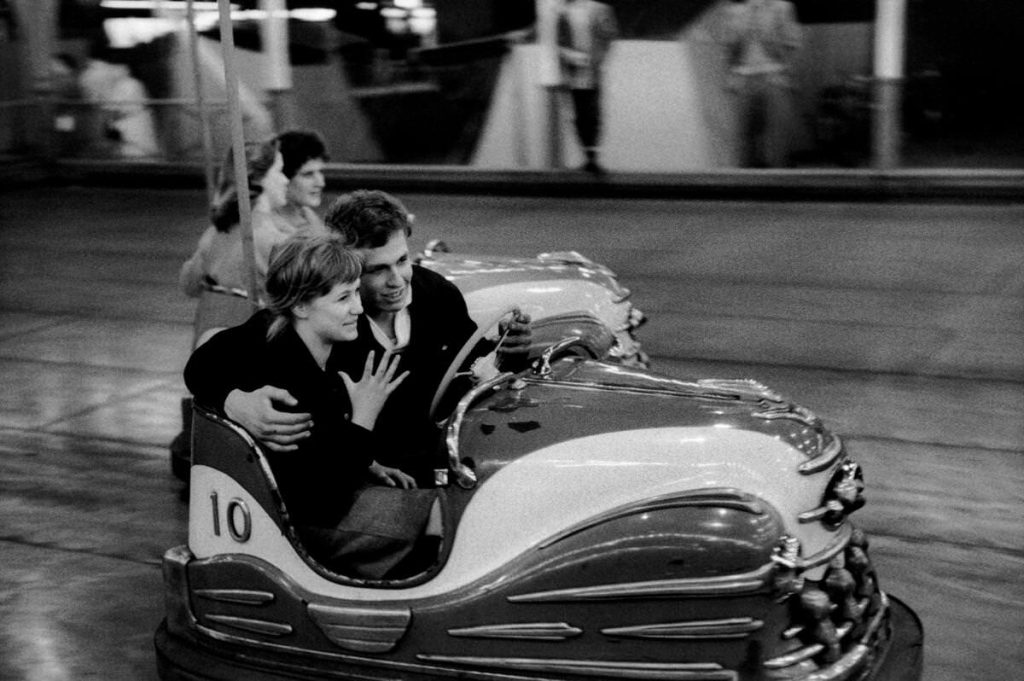
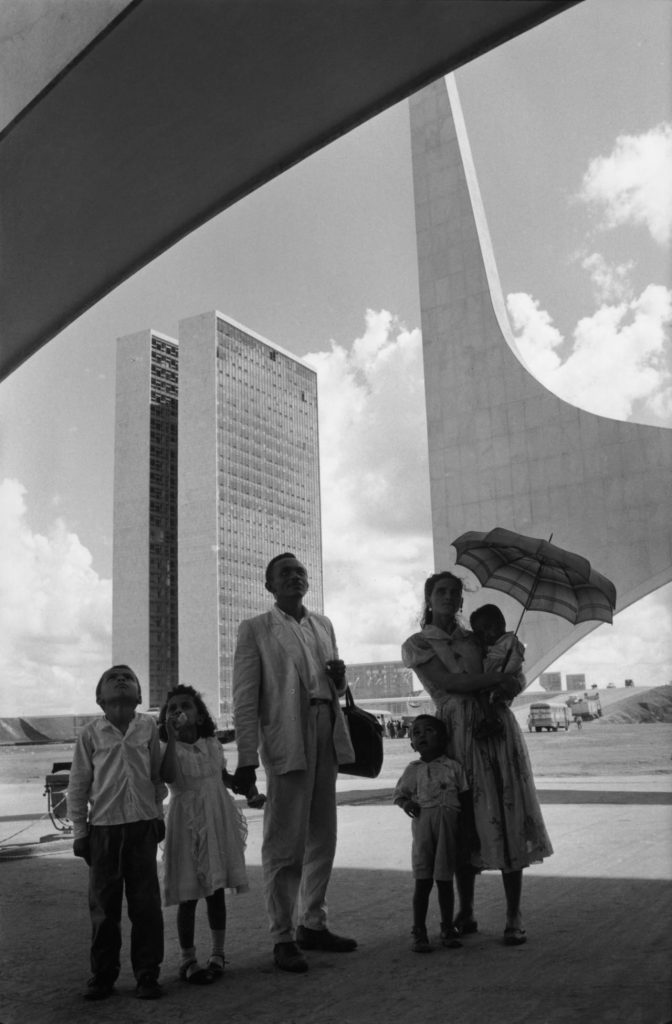
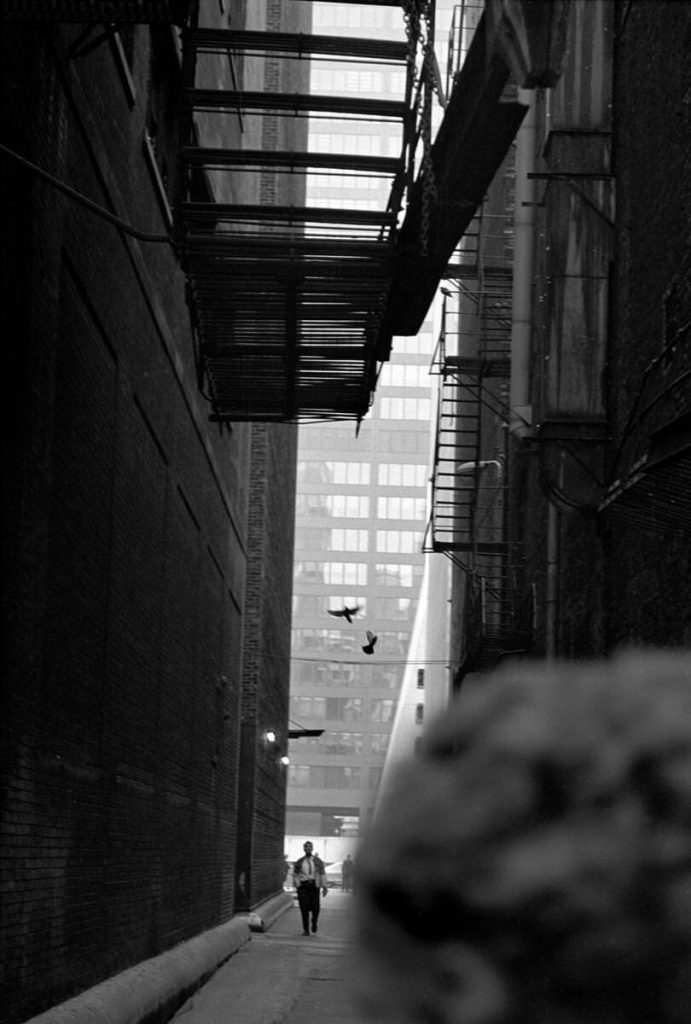
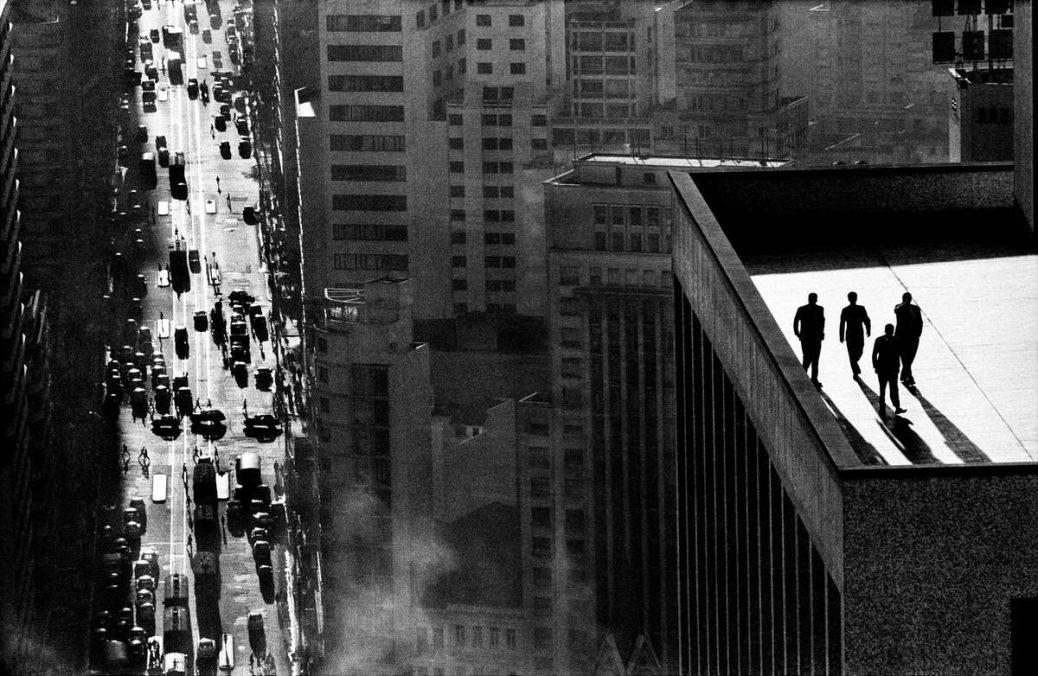
Magnum Gallery in Paris presents Traversées, a retrospective bringing together thirty black and white photographs taken by René Burri between 1950 and 1971. On view until December 12, 2026, the exhibition places celebrated images alongside less familiar work from his archive, tracing the relationship between architecture and everyday life that runs through his photography. Arranged by country, the selection follows Burri through Europe, South America, Cuba, China and the United States. Its title, meaning “crossings,” refers to these journeys while also suggesting the political and social changes he encountered along the way. Across very different settings, his photographs reveal an enduring interest in how people inhabit their surroundings, from a passing gesture on a Paris street to a family standing before the monumental buildings of a new capital.
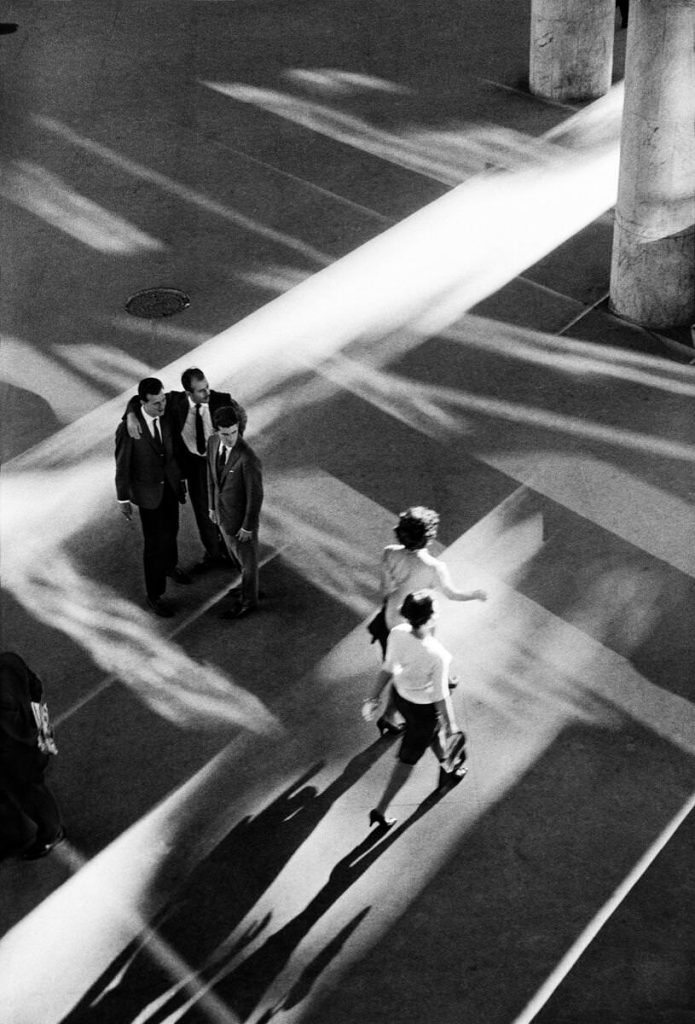
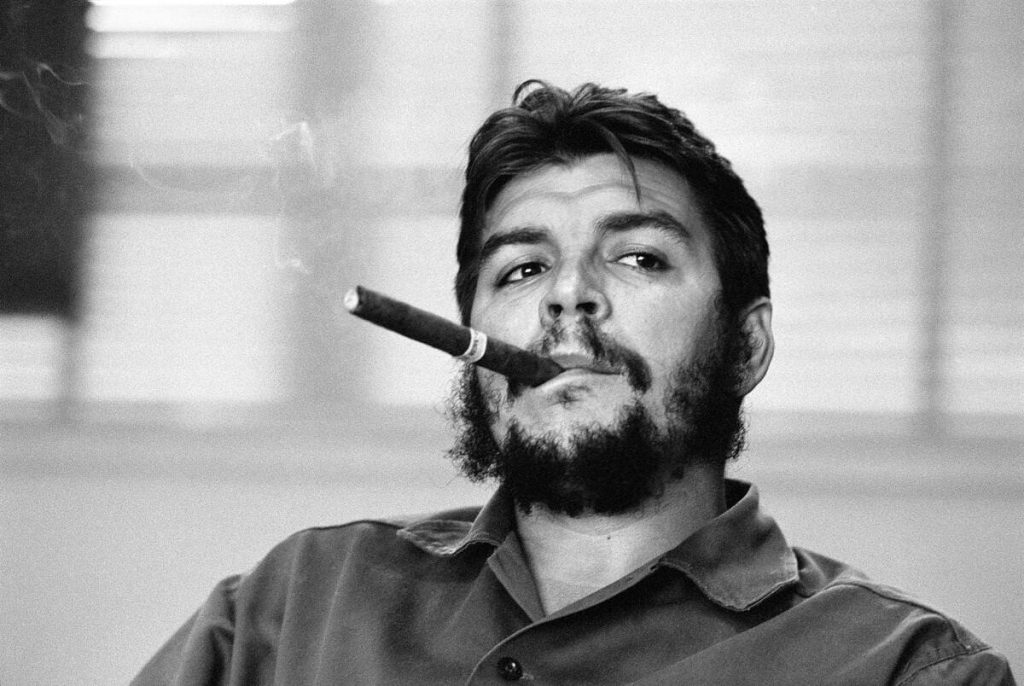
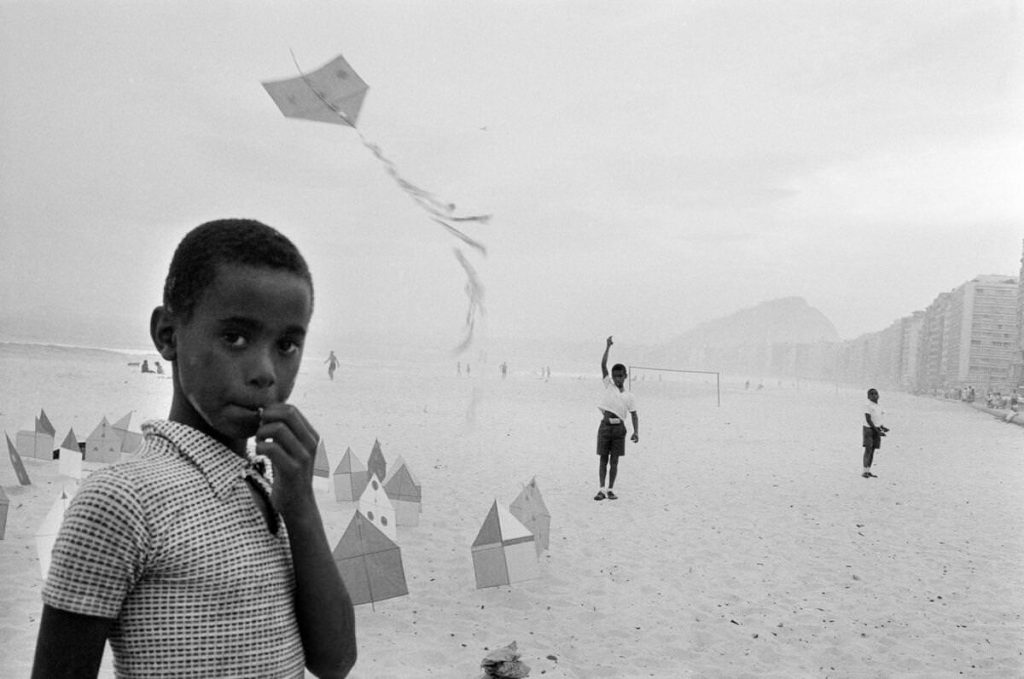
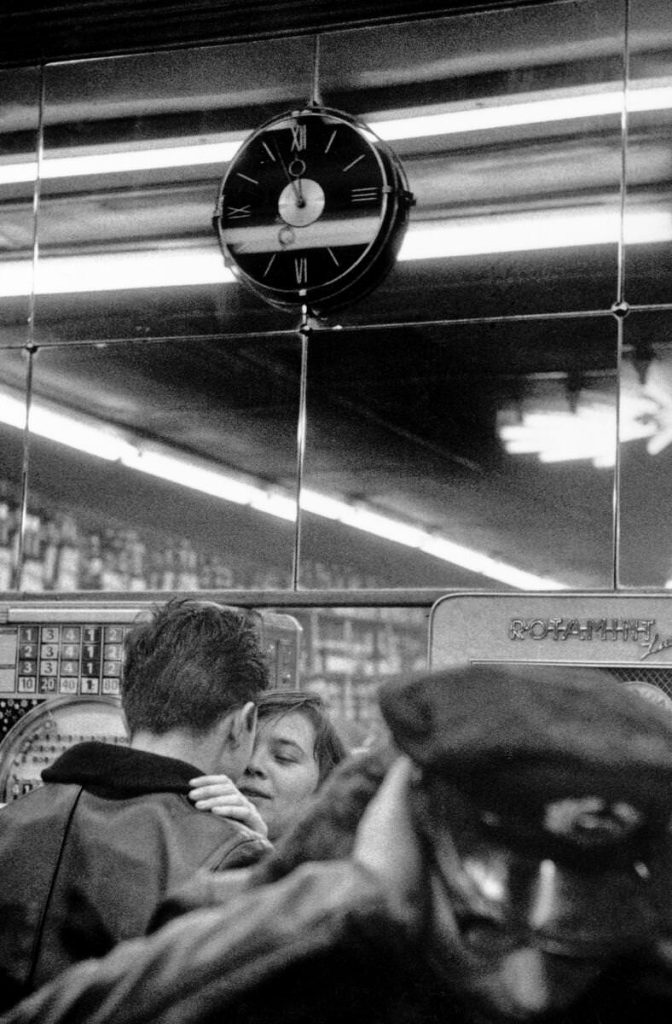
The exhibition opens a window onto Burri’s earliest work. In 1950, aged seventeen and still studying at the Zurich School of Arts and Crafts, he travelled to Paris. His photographs from this period already show a feeling for movement, an eye for unexpected encounters and a quiet sense of humour. Buildings and streets give the pictures their structure, but it is often a small human detail that holds the viewer’s attention. In 1957, he began photographing postwar Germany. Working in both East and West, he observed a divided country through its streets, public spaces and daily routines. Taken before and after the construction of the Berlin Wall, these photographs record the tensions of the period without losing sight of individual lives. The project became his first book, Die Deutschen, published in Zurich in 1962 and released in France by Robert Delpire the following year as Les Allemands. In Brazil, Burri photographed the inauguration of Brasília in 1960, where Lúcio Costa’s urban plan and Oscar Niemeyer’s public buildings gave physical form to the country’s ambitions. One image shows a worker from northeastern Brazil introducing his family to the new city, with the National Congress building behind them. The scene brings the scale of the architectural project back to the people who helped build it. Elsewhere, the exhibition includes his famous 1963 portrait of Che Guevara in Havana, alongside photographs of Rio de Janeiro, São Paulo and Chicago. Seen together, these works show how easily Burri moved between portraits, street scenes and architecture, finding a precise composition without sacrificing the spontaneity of the moment.
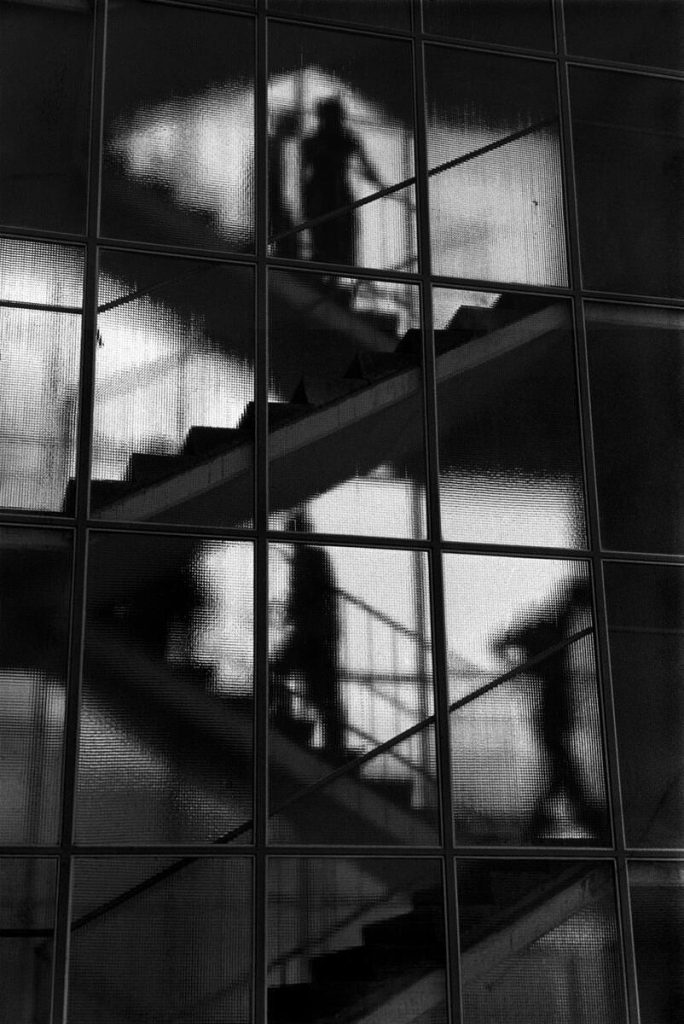
“While architecture is one of the central themes of his work, his photographs of buildings are never mere documents,” says gallery director Clémence Vichard-Larroque. “He placed great importance on geometry, light, and structure, but his true subject was always human presence: passers-by, workers, inhabitants, and everyday gestures.”
That attention connects the photographs throughout Traversées. Burri understood the visual force of a building, but he was equally alert to the unexpected ways people might occupy it, move around it or briefly interrupt its geometry.
About René Burri
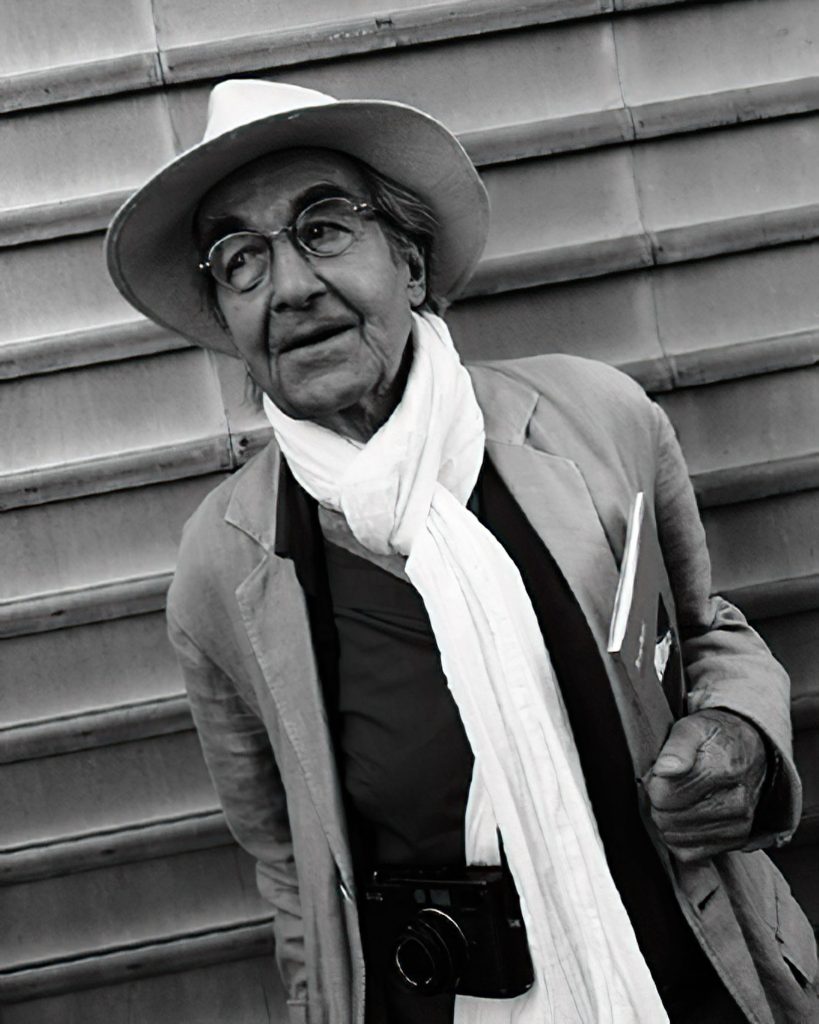
René Burri (1933–2014) was a Swiss photographer whose work encompassed reportage, portraiture, architecture and film. Born in Zurich, he photographed Winston Churchill during a visit to the city when he was thirteen and later trained at the Zurich School of Arts and Crafts. In 1955, his reportage Touch of Music for the Deaf, about music education for deaf children, brought him international recognition through its publication in Life. He began working with Magnum Photos that year and became a full member in 1959. Over nearly six decades, Burri travelled extensively across Europe, the Middle East, Asia and the Americas. His photographs recorded political change and everyday life, while his portraits brought him into contact with figures including Pablo Picasso, Alberto Giacometti and Le Corbusier. His 1963 photograph of Che Guevara smoking a cigar became one of his most widely recognised images. Burri also worked in moving images. He helped establish Magnum Films in 1965 and subsequently made The Two Faces of China, produced by the BBC. His honours included the Dr. Erich Salomon Prize in 1998 and the Leica Hall of Fame Award in 2013.In 2013, he established the René Burri Foundation at the Musée de l’Elysée, now Photo Elysée, in Lausanne, to preserve and promote his work. The museum presented René Burri, Explosions of Sight in 2020, drawing on extensive research into his archive. Burri died in Zurich on October 20, 2014, aged eighty-one.
René Burri: Traversées
until December 12, 2026
Magnum Gallery – Paris – France
More info:
www.magnumphotos.com