
Joachim Brohm: Colour and Territory
The Kunstmuseum Magdeburg presents Colour and Territory, an exhibition dedicated to German photographer Joachim Brohm and his exploration of urban peripheries, industrial landscapes, and places undergoing transformation. Bringing together photographs from four major series, the exhibition traces the development of an artist whose work has played an important role in European color photography.
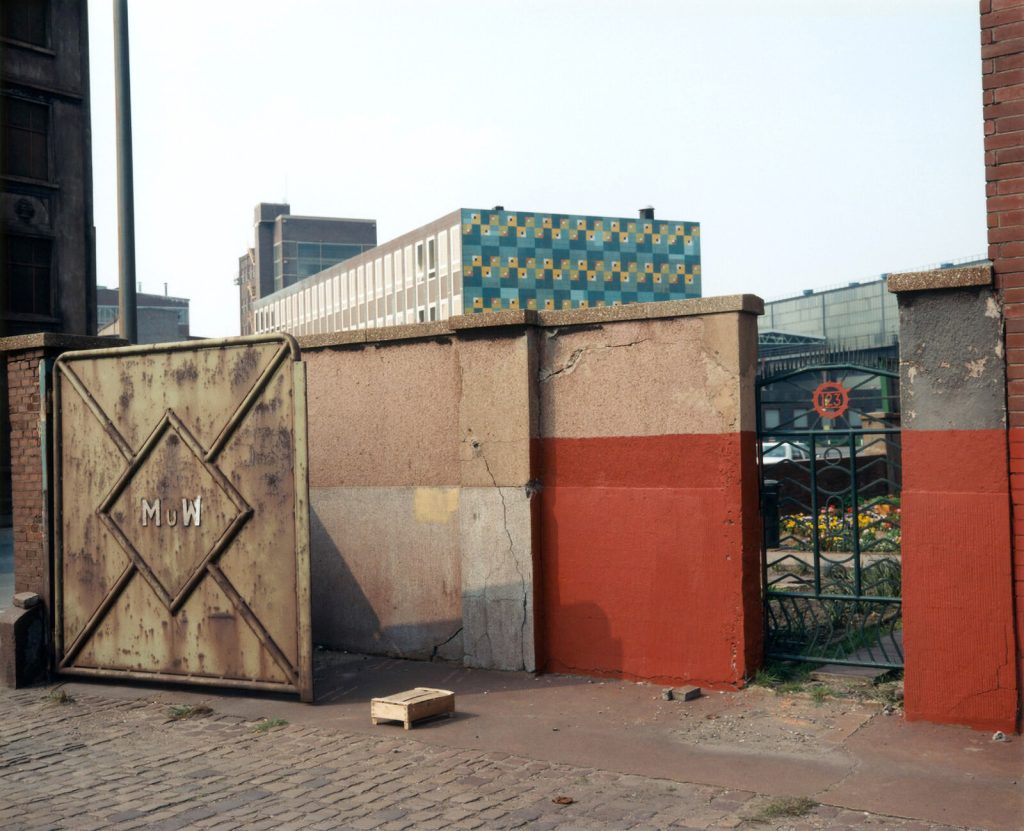
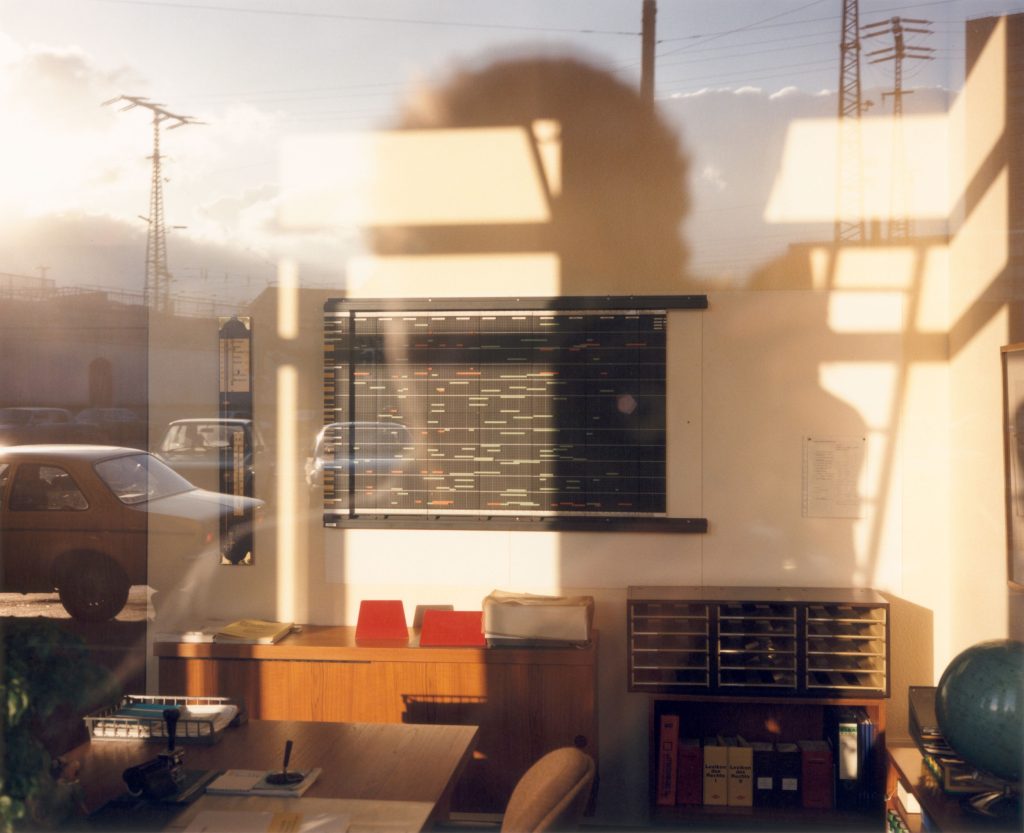
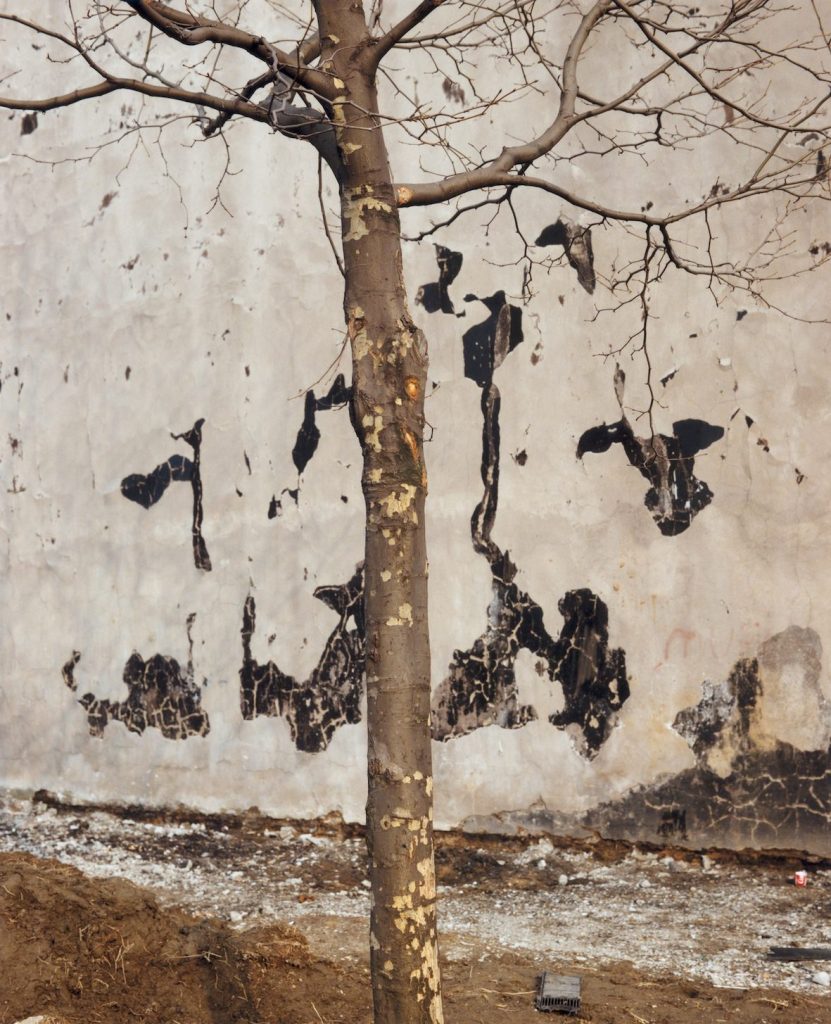
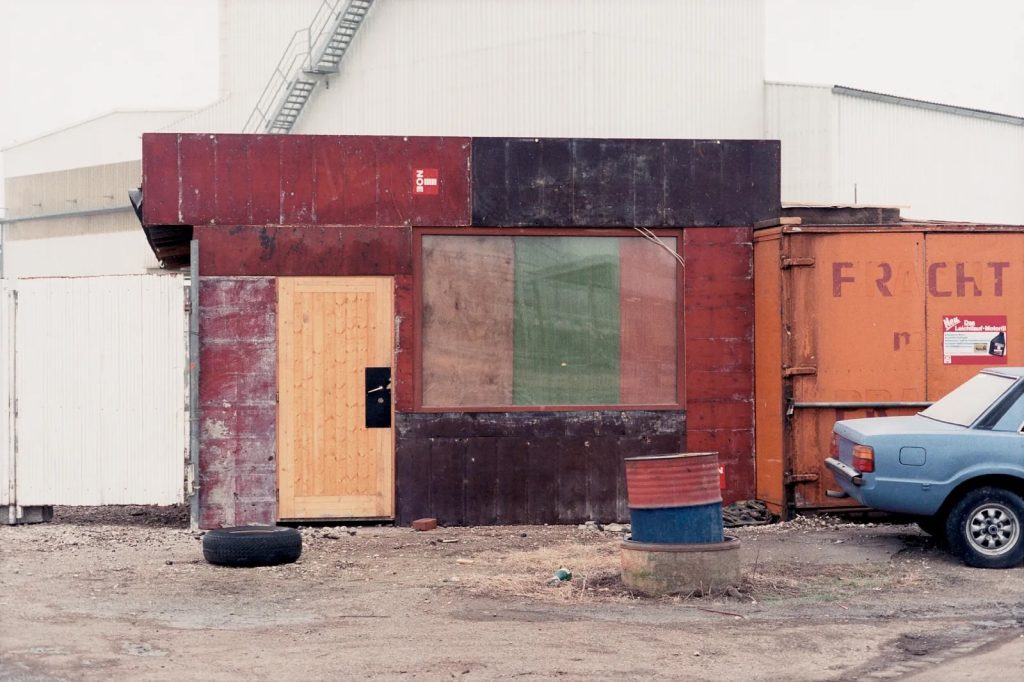
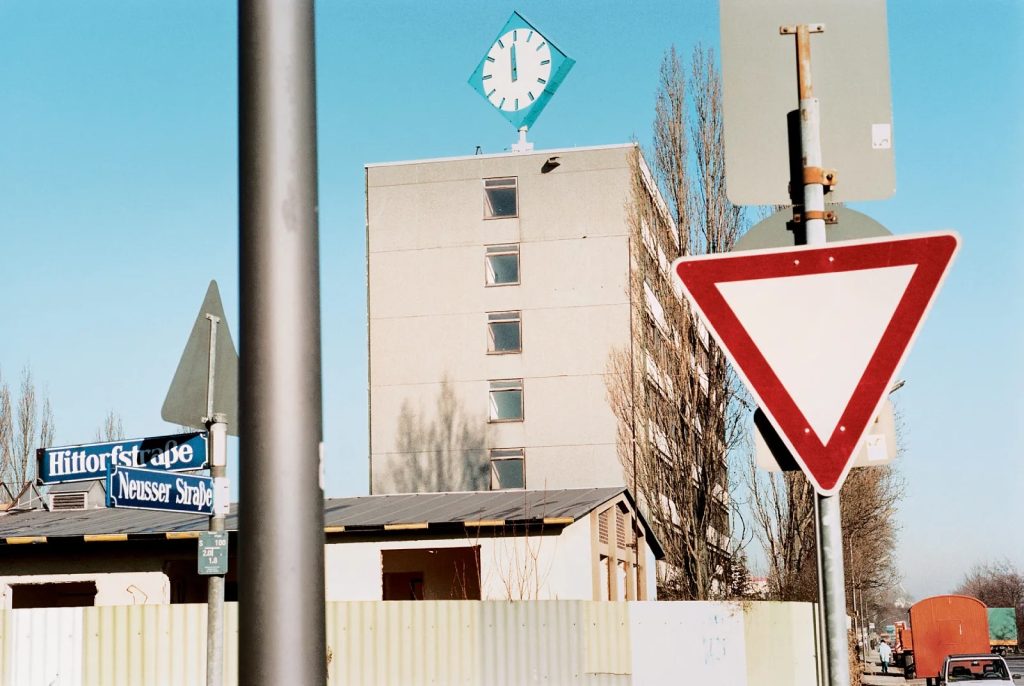
Since the early 1980s, Brohm has focused on overlooked environments: residential estates, abandoned industrial sites, riverbanks, and the undefined spaces between cities and their outskirts. His photographs reveal landscapes shaped by human activity, where traces of the past coexist with new developments or gradually disappear.
The exhibition includes works from Ruhr (1981–1983), Ohio (1983–1984), Farbe und Gebiet (1986–1992), and Areal (1992–2002), exploring the relationship between landscape, architecture, and social change.
In Ruhr, Brohm photographs the industrial and residential outskirts of western Germany, drawing inspiration from the American New Topographics movement while developing his own restrained approach to color. The Ohio series shifts the focus to the United States, where abandoned commercial spaces, oversized cars, and deteriorating billboards suggest a society in transition.
In Areal, developed over eleven years in northern Munich, Brohm documents the gradual decline and redevelopment of a former industrial district. The newly assembled Farbe und Gebiet series returns to the Ruhr region between 1986 and 1992, capturing environments where industrial history remains visible alongside demolished structures, overgrown land, and new construction.
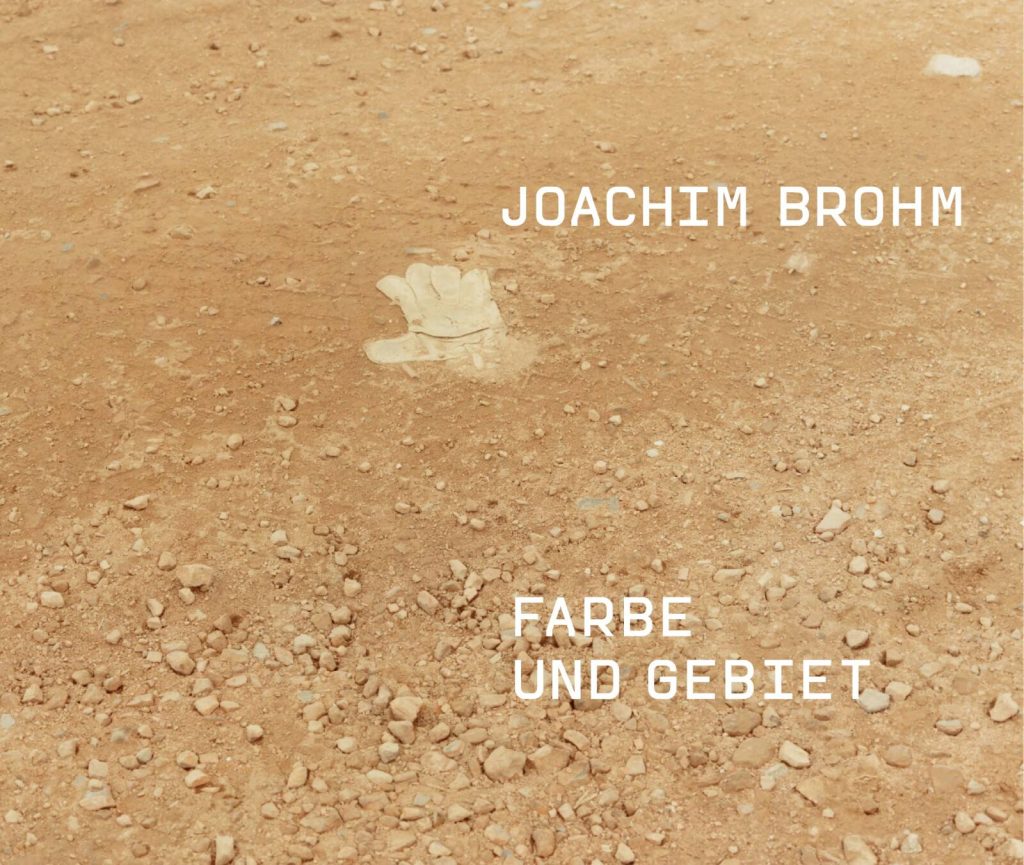
The exhibition is accompanied by the photobook Joachim Brohm: Farbe und Gebiet, published in 2026 by Verlag der Buchhandlung Walther und Franz König and edited by Annegret Laabs. The 120-page volume features 42 full-page color photographs from 1986–1992, with essays by Laabs and Uwe Gellner in German and English. The publication offers a closer look at Brohm’s observations of landscapes caught between industrial decline and urban redevelopment.
Influenced by American photography of the 1970s and conceptual approaches to landscape, Brohm developed a visual language that moves between documentary observation and abstraction. Through subtle variations of color and carefully balanced compositions, he transforms ordinary places into revealing records of time, memory, and change.
About the Author
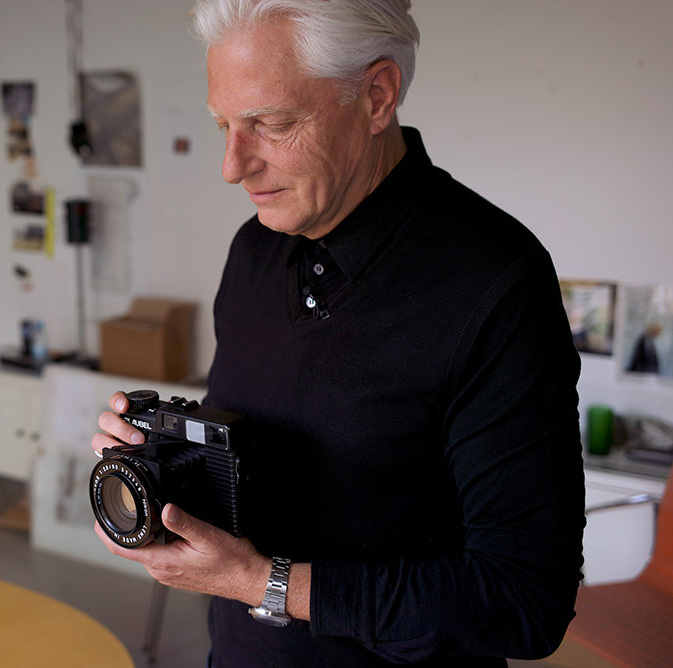
Joachim Brohm (born 1955 in Dülken, Germany) is considered one of the pioneers of artistic color photography in Europe.
He studied Visual Communication and Photography at the Folkwang University in Essen, graduating in 1983, and later received a Fulbright scholarship to study at Ohio State University in the United States.
Since the late 1970s, Brohm has developed long-term photographic projects examining architecture, urban environments, and social transformation. His work is characterized by natural light, restrained compositions, and a subtle use of color.
From 1993 to 2021, he was Professor of Photography at the Academy of Fine Arts Leipzig, serving as rector from 2003 to 2011. His photographs have been exhibited internationally and are held in numerous public and private collections.
His major projects include Ruhr, Ohio, Areal, and Farbe und Gebiet. He lives and works in Leipzig, Germany.
Joachim Brohm: Colour and Territory
until January 31, 2027
Kunstmuseum Magdeburg, Germany