Letizia Battaglia: Works 1970–2020
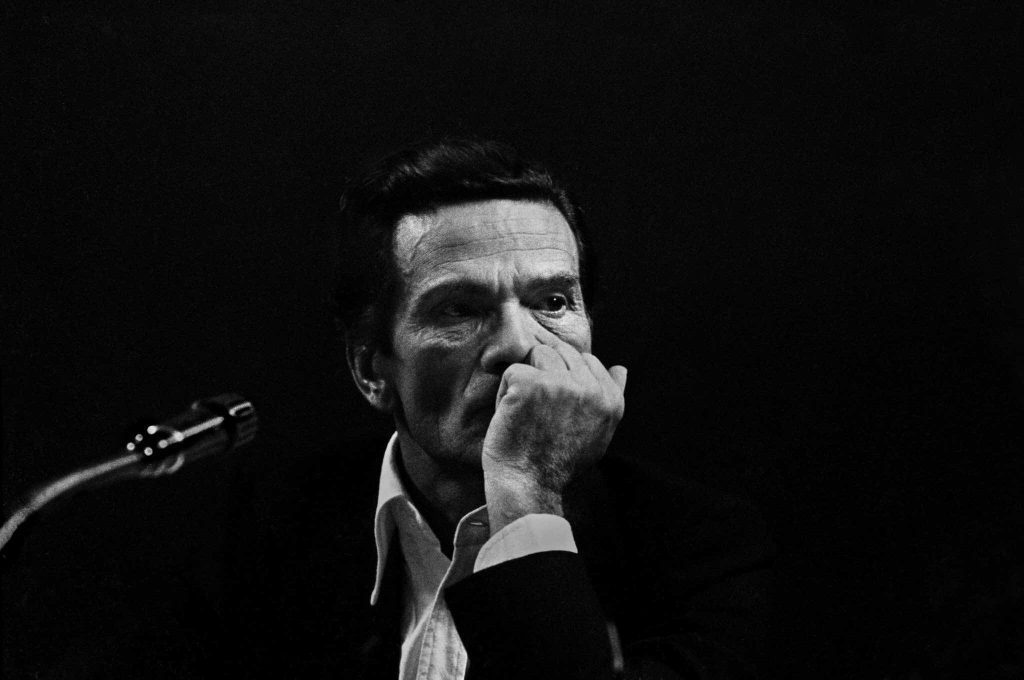
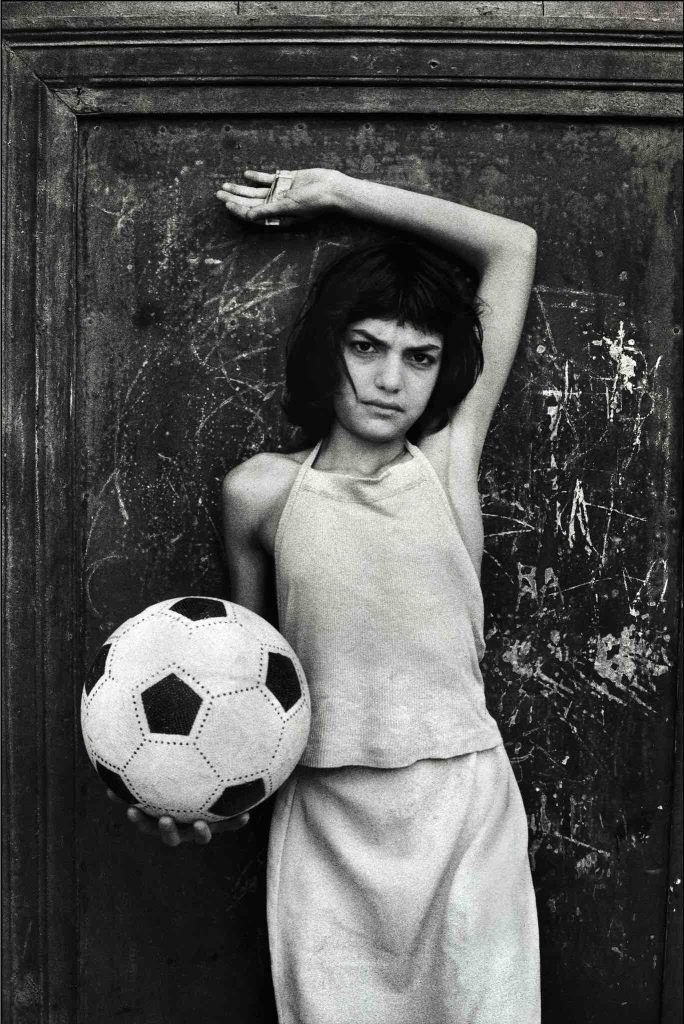
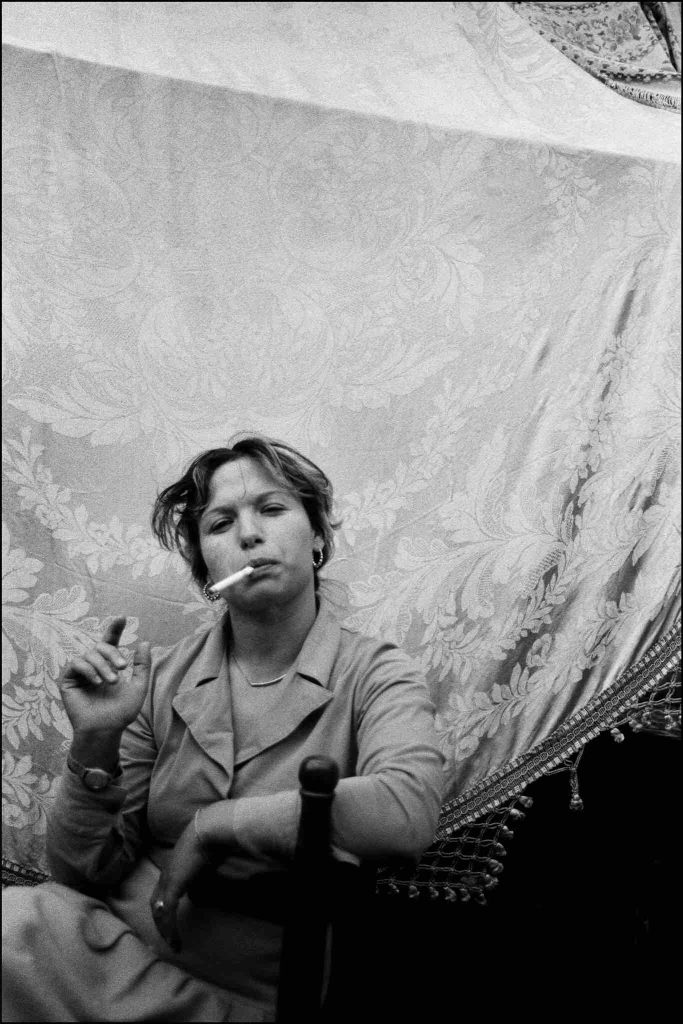
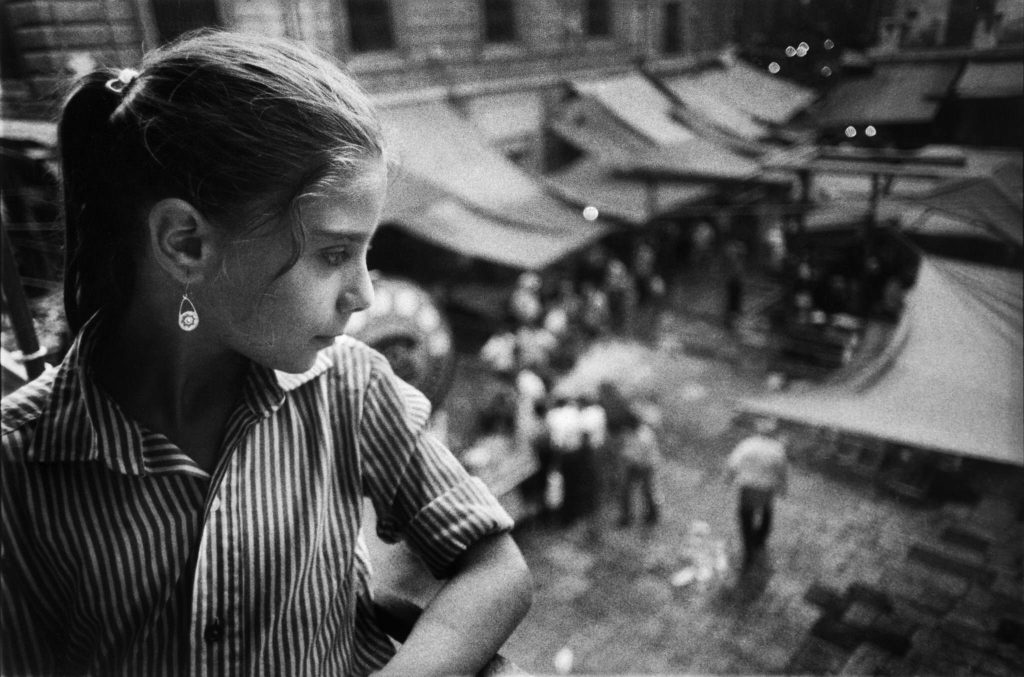
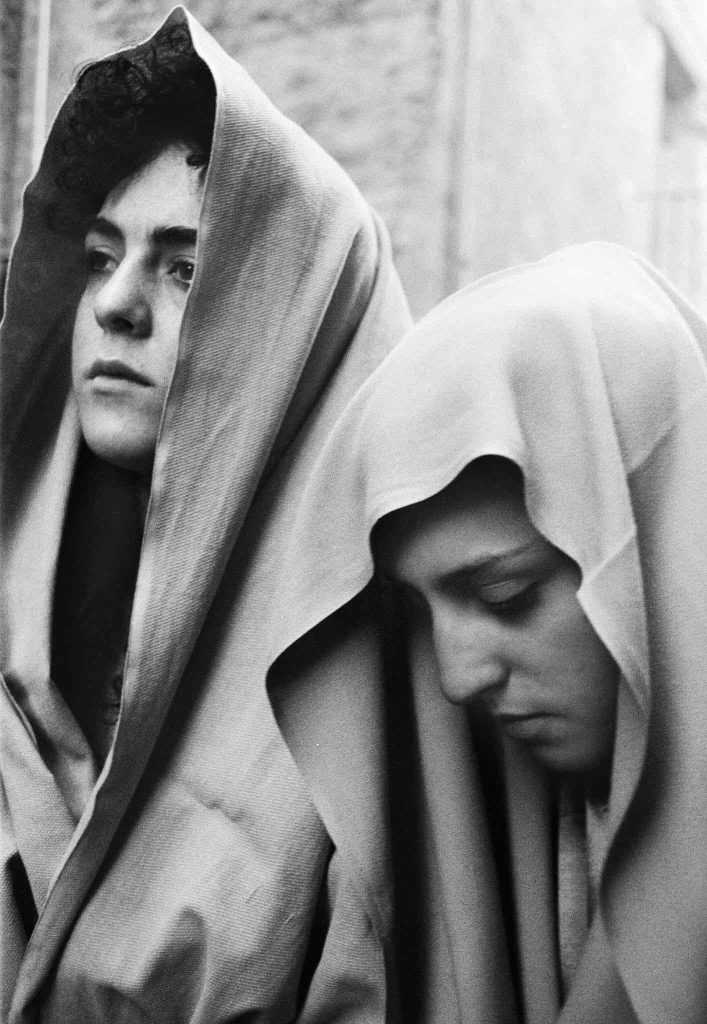
CAMERA – Italian Centre for Photography in Turin is presenting Letizia Battaglia. Works 1970–2020, a major exhibition devoted to the Sicilian photographer, on view until 7 February 2027. Curated by Walter Guadagnini and co-produced by CAMERA and the Jeu de Paume in collaboration with the Archivio Letizia Battaglia, the show reaches Turin after earlier stages at the Château de Tours, the Rencontres d’Arles and the Museo Civico San Domenico in Forlì. Through more than 200 images spanning five decades, it traces the life and work of one of the key figures of Italian photography in the second half of the twentieth century, and a practice in which personal experience, the act of photographing and civic commitment were never separate. The route begins with her early years between Palermo and Milan at the turn of the 1970s, when Battaglia came to photography through her work for newspapers and magazines, writing articles and making the pictures that went with them. It was a lively, politically charged milieu, and it is here that her direct, personal style first took shape, in portraits and images of social and cultural life such as her 1972 portrait of Pier Paolo Pasolini at the Circolo Turati in Milan. In 1974 she returned to Palermo to work for the daily L’Ora, where she soon took charge of the photographic service.
Her long chronicle of the city grew out of that newsroom: a photography rooted in reality and in the urgency of recording it, yet always alert to people’s dignity, irony, affection and vitality.
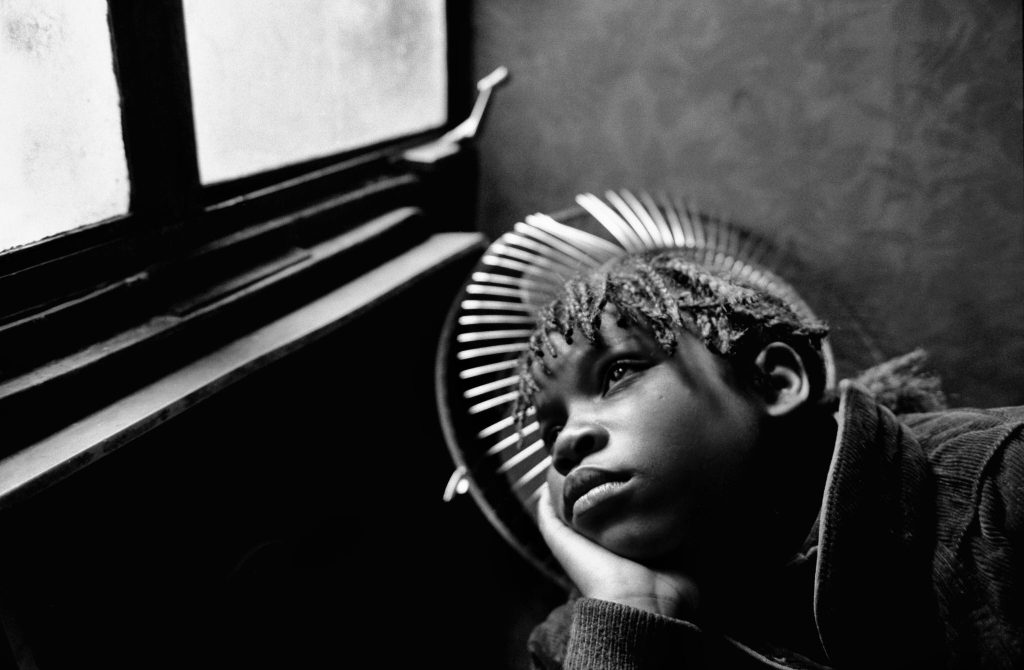
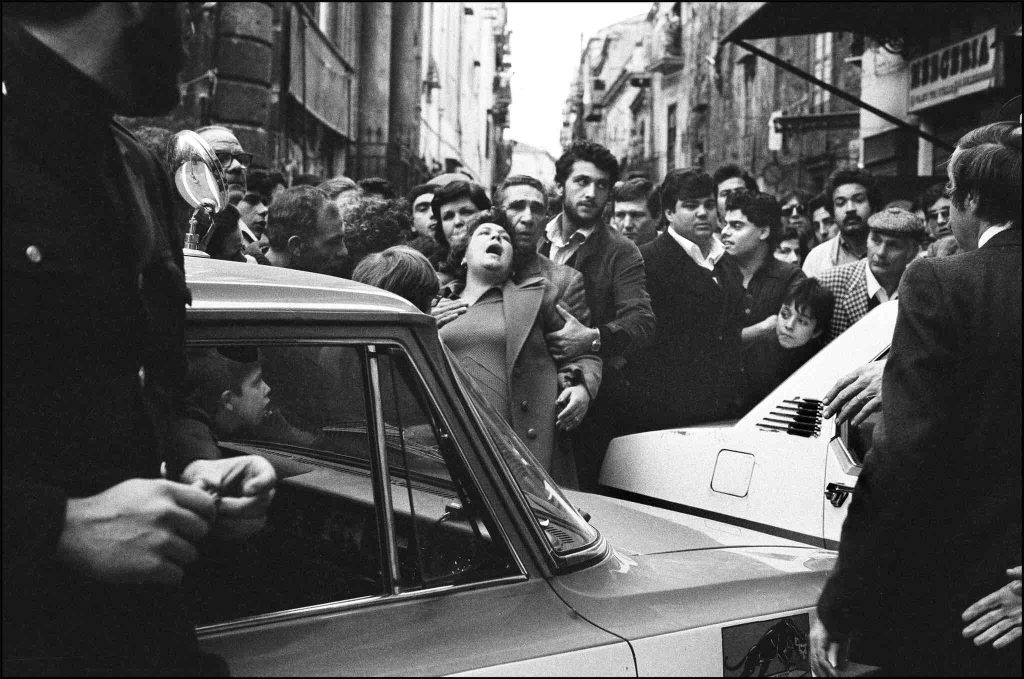
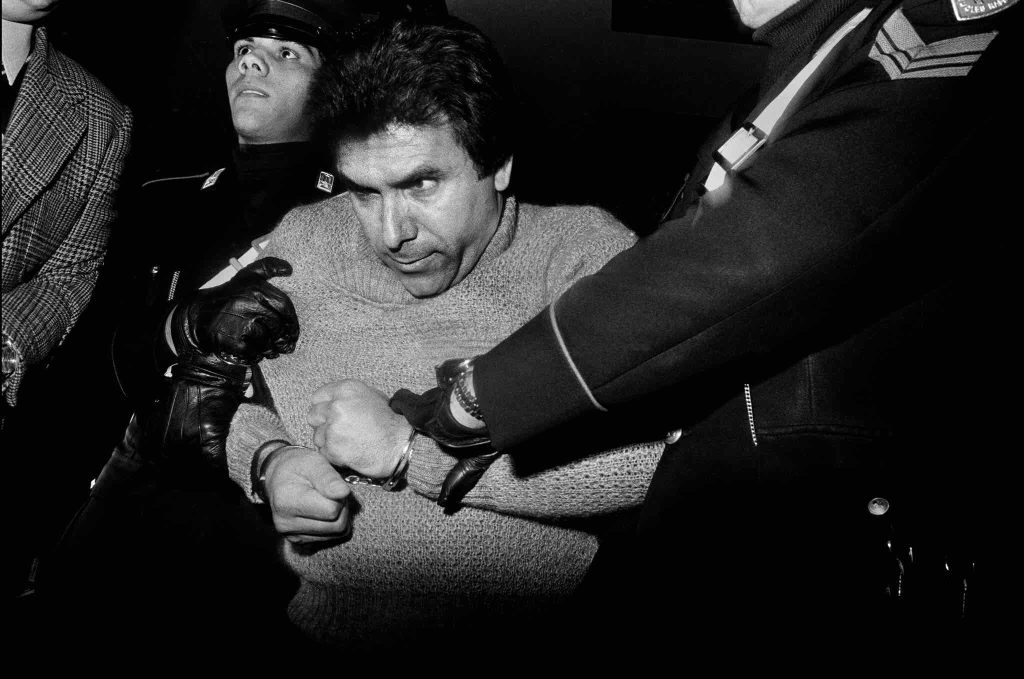
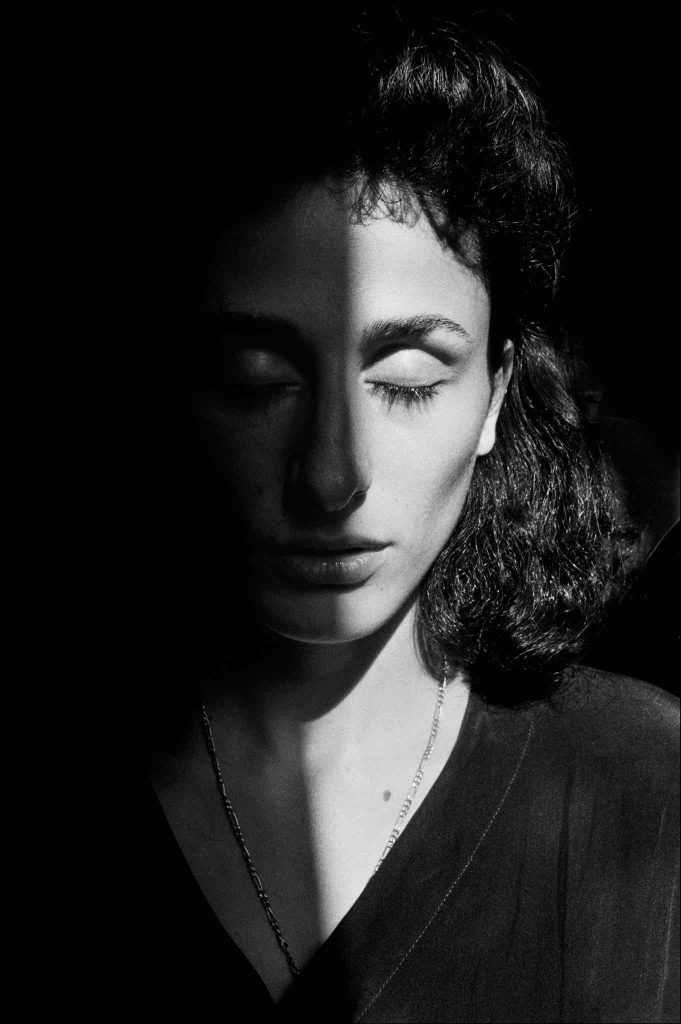
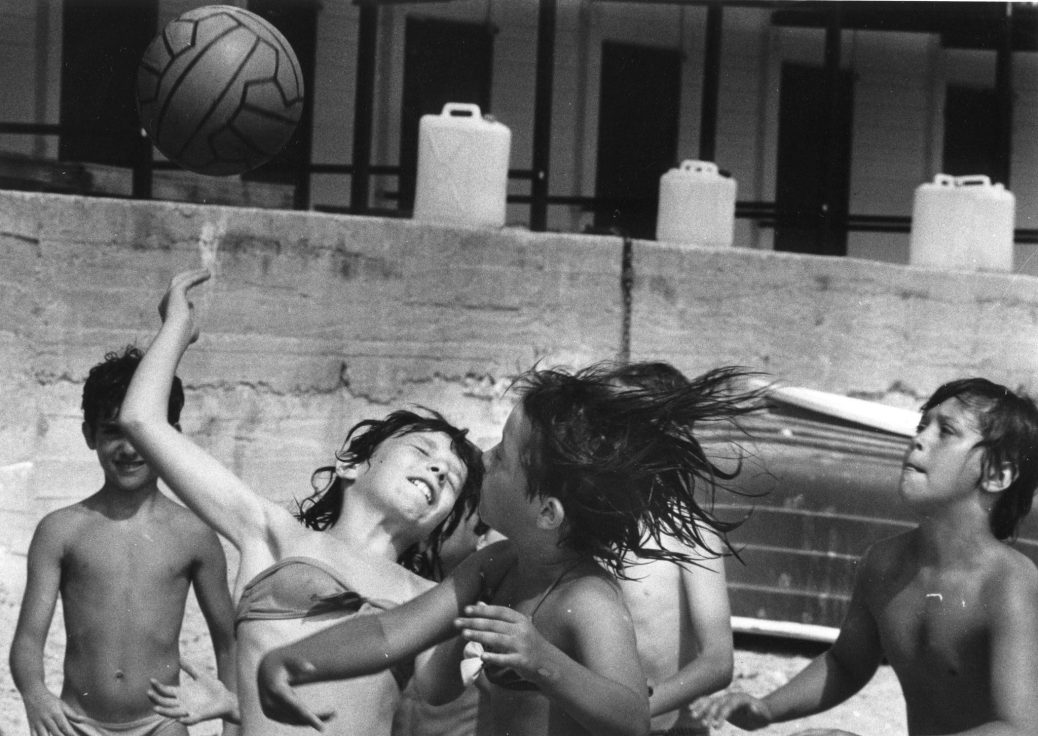
It is above all her account of the Mafia that makes Battaglia’s work a document of extraordinary importance for Italian history. Throughout the 1970s and 1980s, often working alongside Franco Zecchin, she recorded the escalation of violence and the growing entanglement of organised crime and political power: murder scenes, the places of criminality, the protagonists of public life. Among the best-known images on view are those of the police chief Boris Giuliano and of the arrest of Leoluca Bagarella, pictures in which news photography becomes an act of civic denunciation. The exhibition follows these years through to the maxi-trial of 1986 and the 1992 bombings at Capaci and via D’Amelio, after which Battaglia gradually stepped away from news photography to devote herself to other forms of political, cultural and social engagement. In parallel, the exhibition shows the other faces of Palermo she photographed in the 1980s: the outskirts and the drawing rooms of the bourgeoisie and aristocracy, the streets and the places where people met and relaxed, alongside portraits of young women and of figures from Italian culture such as Goffredo Fofi, Mauro Rostagno, Leonardo Sciascia and Renato Guttuso. A substantial section is devoted to the Real Casa dei Matti, Palermo’s psychiatric hospital, where her images document marginalisation and inhuman conditions while also bearing witness to a close relationship with the people portrayed. Religious festivals form another essential chapter, from the Easter Misteri of Collesano in 1985 to those of Trapani in 1989, moments in which the community recognises itself through ritual, bodies, gestures and crowds, and which Battaglia captured in registers ranging from the grotesque to the dramatic and the lyrical. Her gaze also travelled well beyond Sicily. In 1985 she received the W. Eugene Smith Grant in Humanistic Photography, shared with Donna Ferrato, which allowed her to continue her research abroad, from Turkey and Egypt to the Soviet Union, Yugoslavia, Romania and the United States. Wherever she went she turned her attention to ordinary people, children and the young, as in her 1985 portrait of Lizzie in a shelter on 47th Street in New York. After 1992 she widened her field of action still further, founding magazines such as Grandevù and Mezzocielo and, in 2017, the Centro Internazionale di Fotografia at the Cantieri Culturali alla Zisa in Palermo. The exhibition also includes 22 magazines to which Battaglia contributed, some of which she founded and edited, and the documentary Amore Amaro (2012) by Francesco G. Raganato.
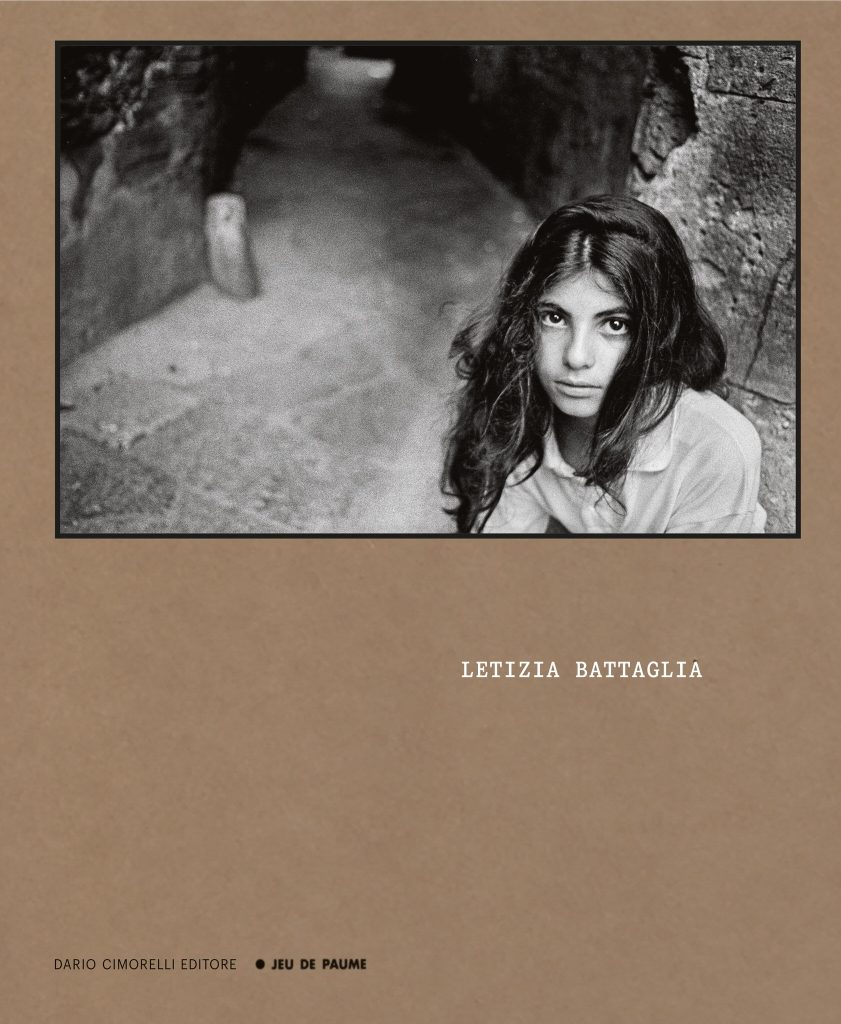
The exhibition is accompanied by a catalogue, Letizia Battaglia, edited by Walter Guadagnini and published by Dario Cimorelli Editore with the Jeu de Paume, with texts by Walter Guadagnini, Melissa Harris, Monica Poggi and Marta Sollima.
About the Author
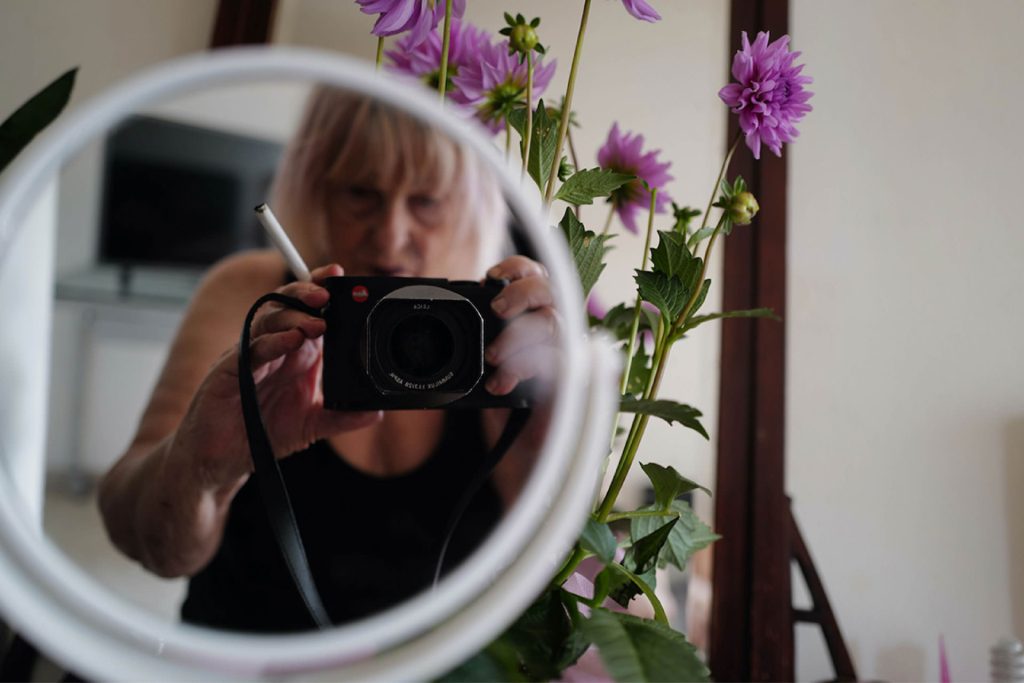
Letizia Battaglia was born in Palermo on 5 March 1935 and died there on 13 April 2022. She began working as a journalist for the Palermo daily L’Ora in 1969 and took up photography in those years. In 1971 she moved to Milan, where she photographed for ABC, Le Ore and other magazines, and in 1974 returned to Palermo to run the photographic service of L’Ora, working for many years alongside Franco Zecchin. In 1977 she co-founded the Giuseppe Impastato Sicilian Documentation Centre In 1985 she was awarded the W. Eugene Smith Grant in Humanistic Photography, shared with Donna Ferrato. In 1987 she joined Palermo’s city government as assessor for urban liveability under mayor Leoluca Orlando, and in 1991 was elected to the Sicilian regional assembly. She also founded the magazine Mezzocielo and the publishing house Edizioni della Battaglia. She received the Dr. Erich Salomon Award in 2007 and the International Center of Photography’s Cornell Capa Infinity Award in 2009. In 2017 she founded the International Centre of Photography in Palermo, which she directed until her death. Her archive is managed by the Archivio Letizia Battaglia.
Letizia Battaglia. Works 1970–2020
until 7 February 2027
CAMERA – Italian Centre for Photography – Turin – Italy