
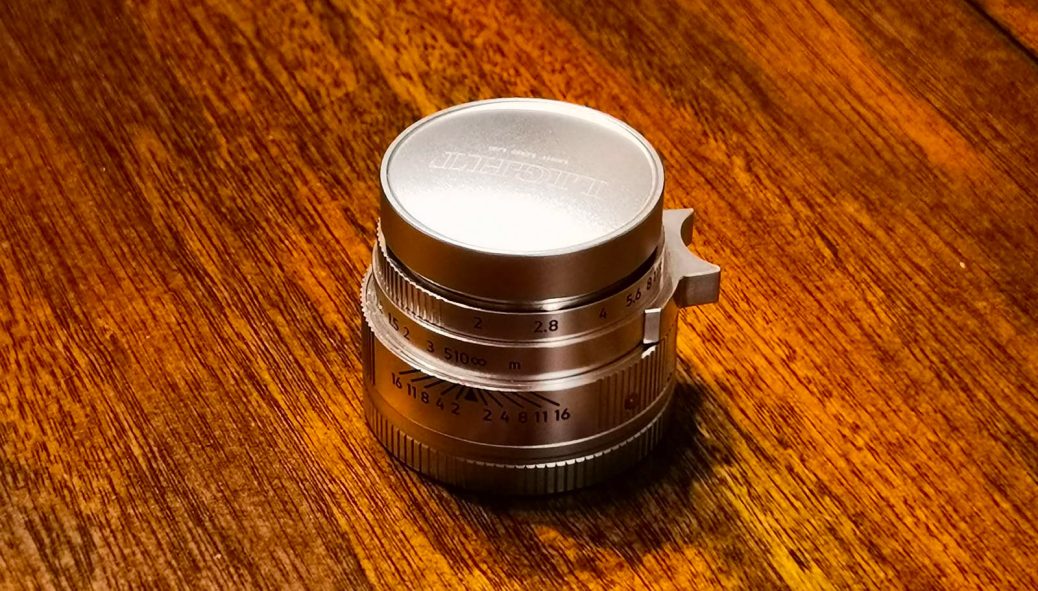
Light Lens Lab Teases 40mm f/2 Hua Lens
Light Lens Lab has introduced the 40mm f/2 Hua, a manual-focus prime lens designed for full-frame Leica M-mount cameras. Developed as a limited-production project, the lens incorporates a combination of newly manufactured and restored vintage optical elements. Although every unit shares the same optical architecture, differences in the selection of glass elements mean that individual copies may exhibit distinct rendering characteristics.
The project draws on the history of Chinese photographic manufacturing, particularly the development of domestic rangefinder cameras during the second half of the twentieth century. The vintage optical components originate from the personal research collection of Light Lens Lab founder Zhou, who began collecting Chinese photographic equipment before establishing the company. Among the sources of these components are Huaxia rangefinder cameras manufactured during the 1980s.
In particular, the Huaxia 822, introduced in 1984, incorporated a fixed 40mm f/2 lens based on a six-element optical configuration. Its design appears to have been derived from the compact optics developed for the Leica and Minolta CL rangefinder systems during the previous decade. Rather than simply transferring the original optical assembly into a contemporary lens barrel, Light Lens Lab has developed a hybrid construction incorporating both historical and newly produced glass.
The Hua employs a Double-Gauss optical design consisting of six elements arranged in four groups. Before assembly, the recovered elements undergo inspection, cleaning and restoration, followed by the application of new optical coatings consistent with their original specifications. They are subsequently combined with elements manufactured by Light Lens Lab.
Consequently, while the focal length, maximum aperture and general optical configuration remain consistent throughout production, differences in the composition of individual optical assemblies may affect image characteristics such as contrast, sharpness and the rendering of out-of-focus areas.
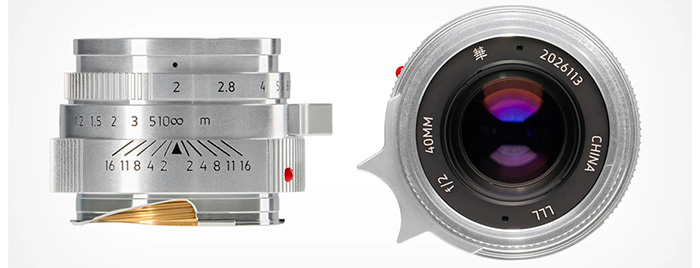
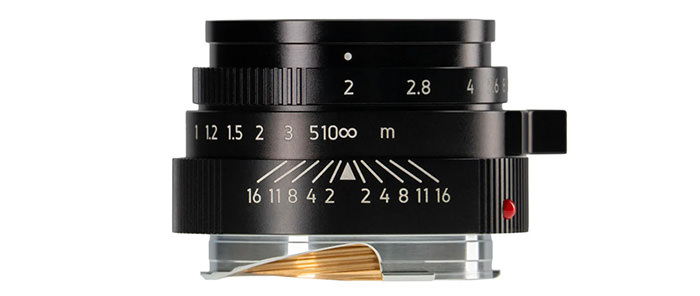
The aperture can be adjusted between f/2 and f/16 through a mechanical preset diaphragm incorporating ten blades, with locking positions corresponding to full-stop increments. The front of the lens features a 39mm filter thread, while the focusing mechanism includes a distance scale, depth-of-field markings and a dedicated focusing tab.
The minimum focusing distance is 0.5 meters, although mechanical rangefinder coupling operates only between 0.7 meters and infinity. Furthermore, Light Lens Lab specifies that variations in the optical elements may affect rangefinder accuracy even within the coupled focusing range. The manufacturer therefore recommends using Live View to verify focus when operating the lens on compatible digital cameras.
The housing is constructed from aluminum alloy and brass and is based on the mechanical design of the company’s existing 50mm f/2 lens. Measuring approximately 51mm in diameter and 32mm in length, excluding the mount and external protrusions, the Hua weighs 162 grams. It is available in Silver Chrome and Black Chrome finishes, with the latter employing a newly developed finishing process that Light Lens Lab intends to introduce on subsequent lenses.
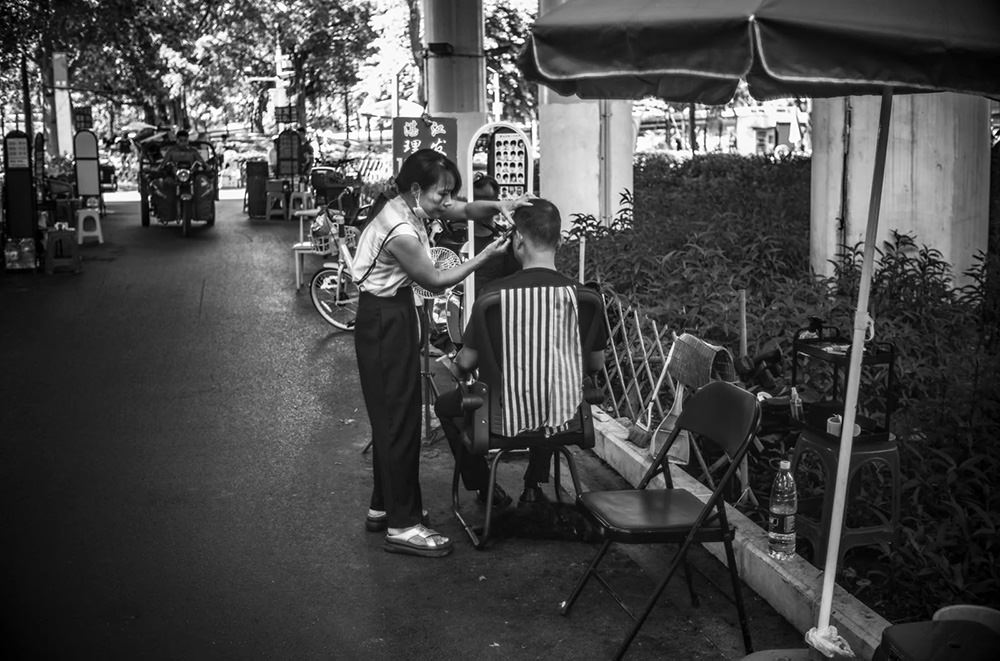
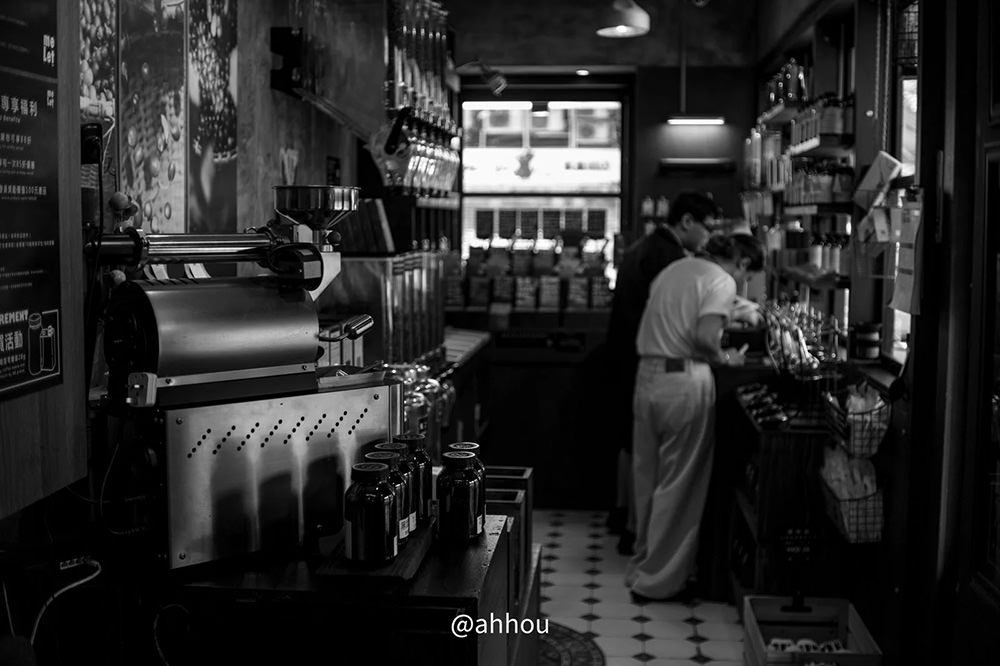
Here are some sample pictures, courtesy of Light Lens Lab:
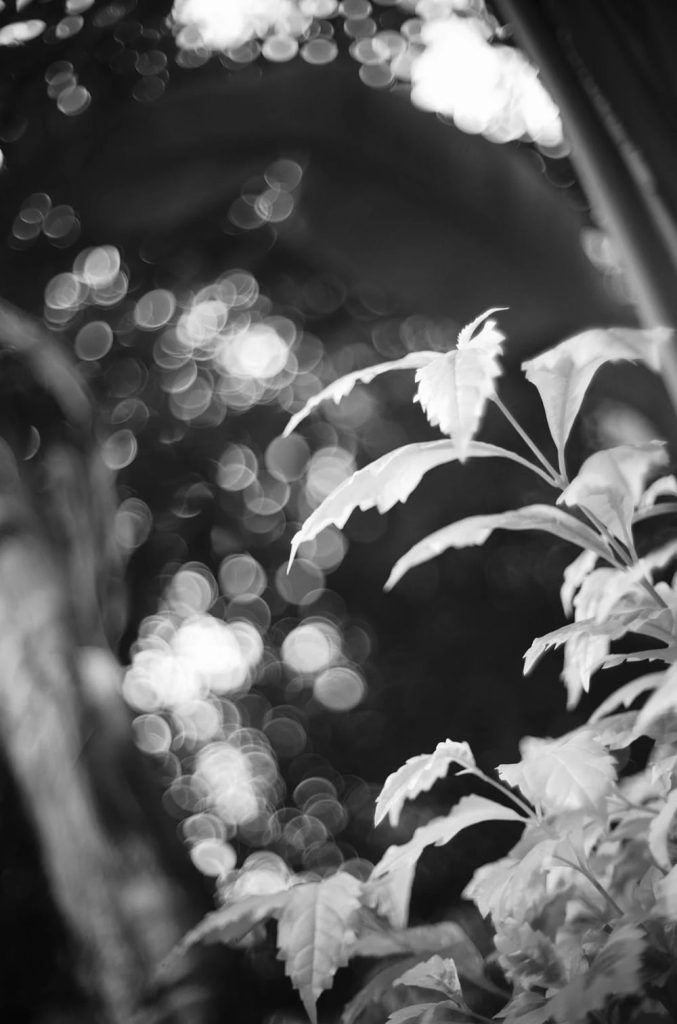
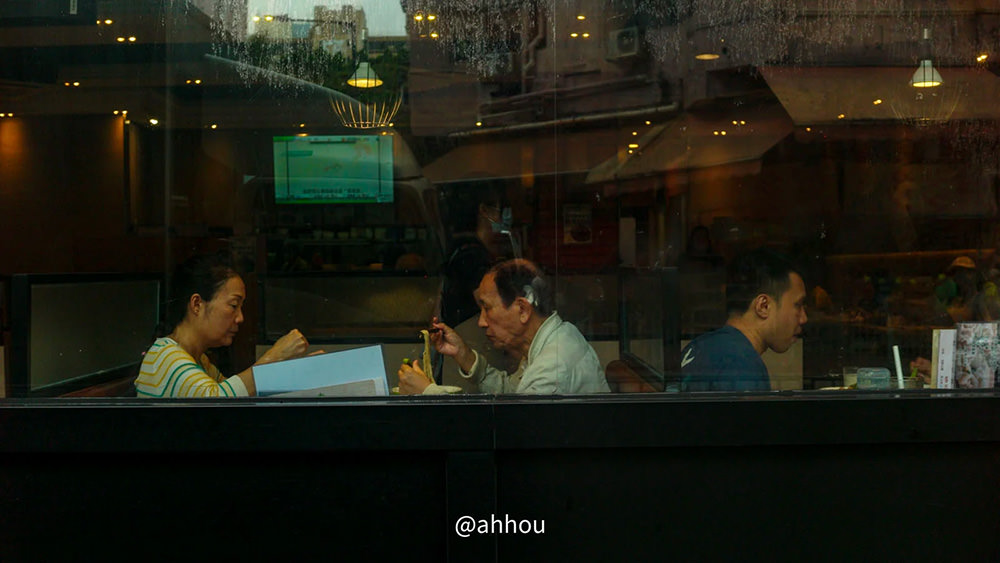
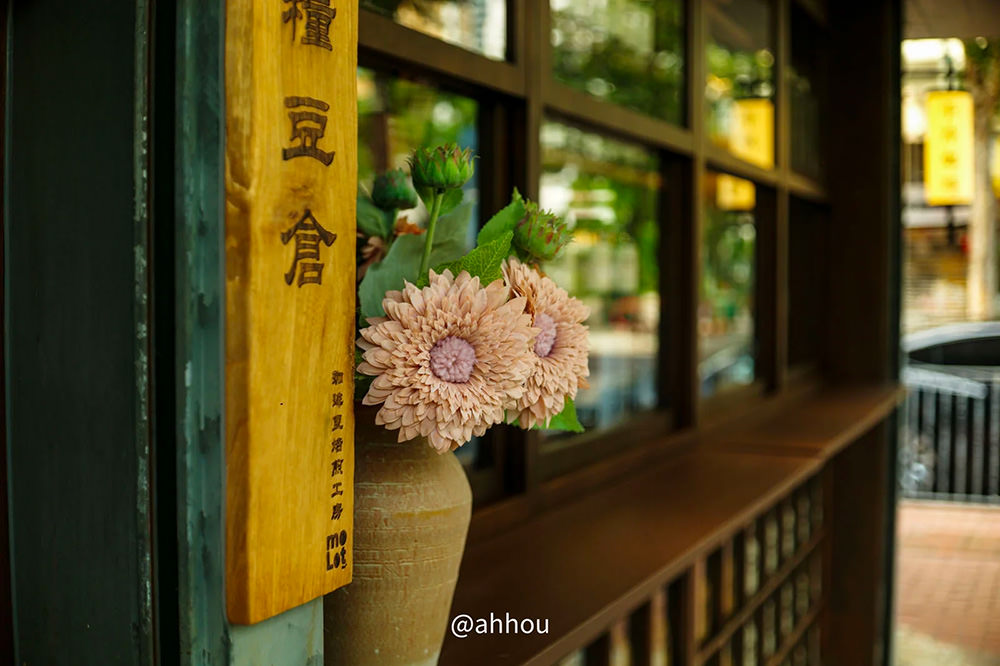
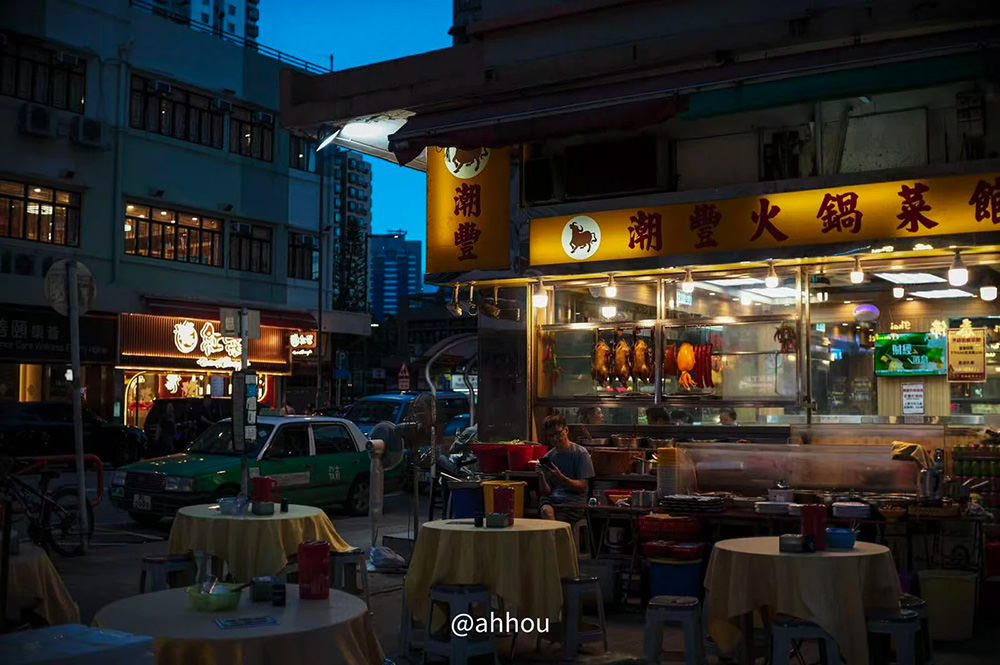

Production will take place in small batches, depending on the availability of recovered optical components and manufacturing capacity. International orders for the Light Lens Lab 40mm f/2 Hua are opened at a retail price of $250 for either finish. Worldwide shipments are scheduled to begin in December 2026. Matching front and rear lens caps are included.