
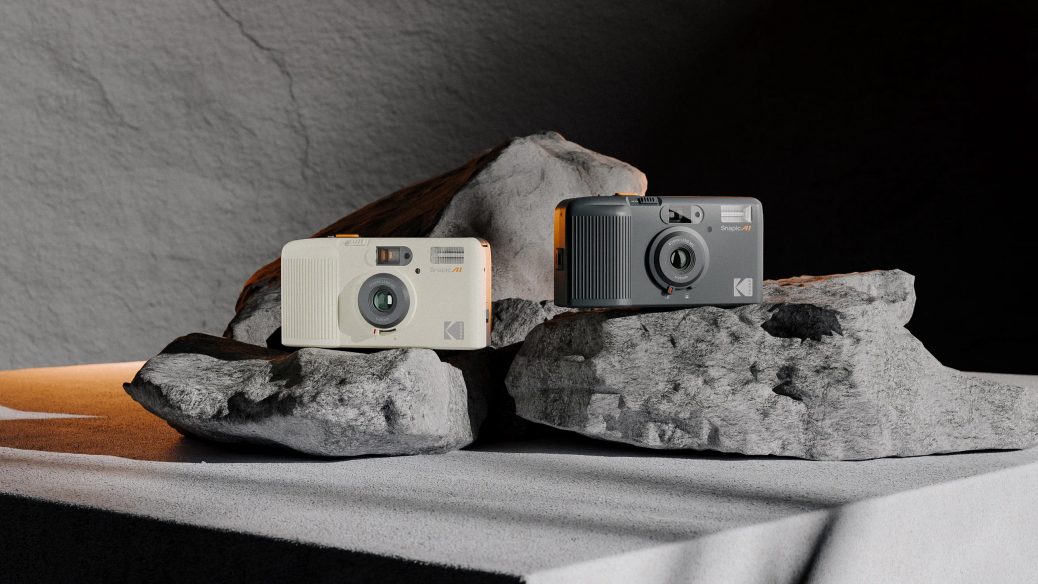
Reto Launches New Kodak Snapic A1
The Kodak Snapic A1 is a compact 35mm film camera developed by Reto, the Hong Kong company that licenses the Kodak brand and is known for recent low-cost analog models such as the Charmera and the Ektar H35. Unlike those novelty-oriented cameras, the Snapic A1 is designed as a straightforward point-and-shoot device with a set of automatic functions and a few basic manual controls. It enters a market where small film cameras have gradually returned, targeting users who want an accessible entry into analog photography without relying on disposable cameras.
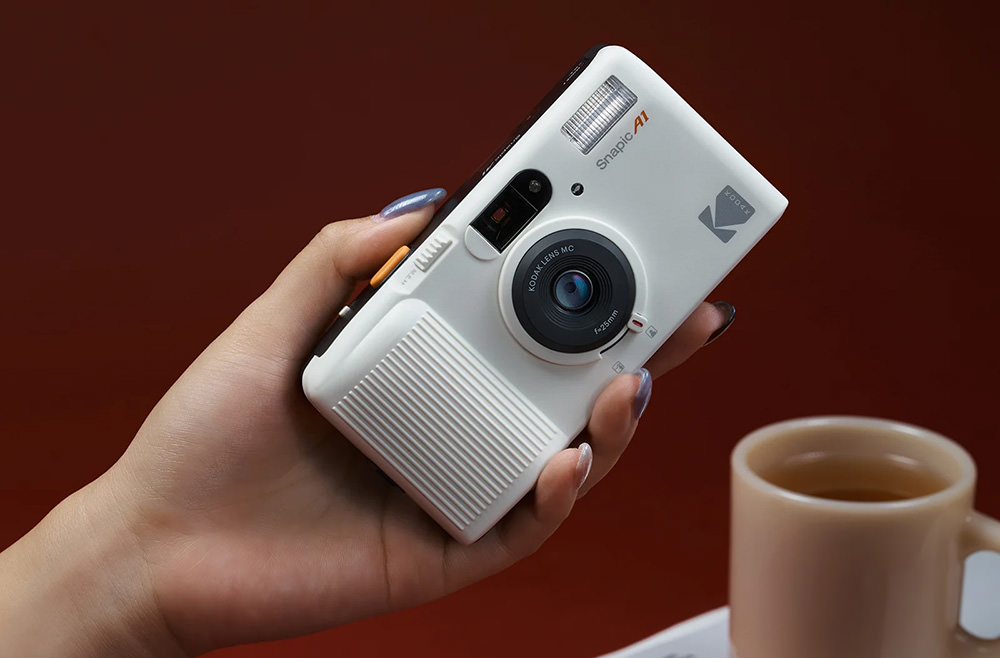
The Snapic A1 uses a full 35mm frame rather than the half-frame format of some earlier Reto products. The camera has a 25mm f/9.5 three-element glass lens, a simple optical construction that provides wide coverage and a deep depth of field. Focusing is limited to two preset zones: a near setting from 0.5 to 1.5 meters and a distant setting from 1.5 meters to infinity, selected through a switch positioned below the lens. The shutter speed is fixed at 1/100 second. Given the slow lens and the fixed shutter, the built-in flash is likely to activate frequently in dim or indoor conditions. The flash can operate automatically, be forced on or deactivated; it also includes a red-eye reduction light.
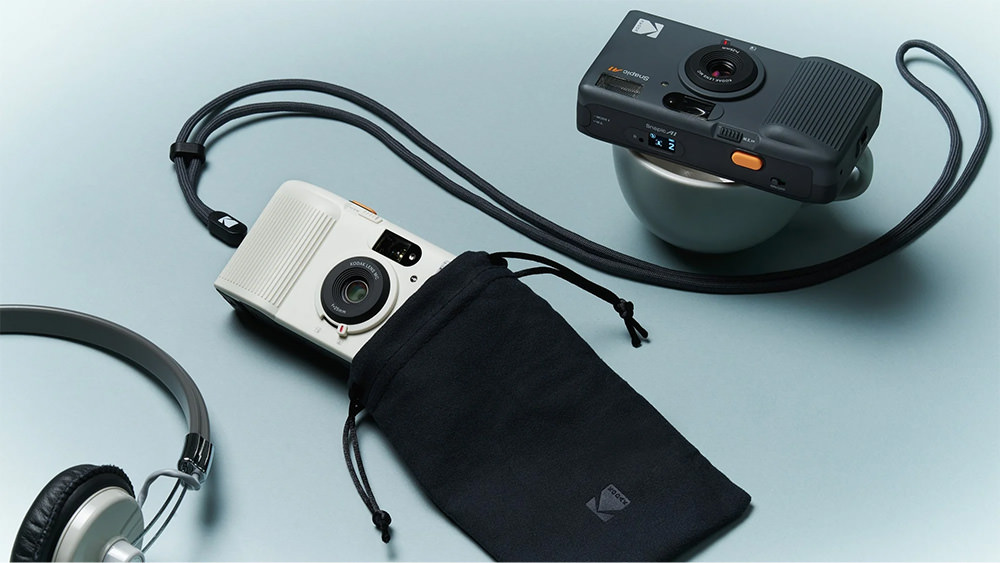
The camera is constructed from ABS plastic and remains lightweight at 117 grams without film or batteries. It measures 118 by 62 by 24 millimeters and is powered by two AAA batteries, which Reto estimates are sufficient for roughly ten rolls of 24-exposure film. A small OLED display on the top plate shows the remaining exposures, battery status, flash mode, and focus zone.

Alongside the automatic functions, the camera includes a double-exposure mode limited to two exposures per frame, that can be activated by a dedicated switch located near the shutter release, while flash control is placed on the side of the body.
Reto presents the Snapic A1 as a more capable option than the simplest disposable-style cameras while retaining minimal operational complexity: the use of a glass lens indeed distinguishes it from many entry-level point-and-shoot models that rely on plastic optics. The combination of an extremely deep depth of field, fixed shutter speed, and zone focusing minimizes user intervention but also limits creative control to a narrow set of parameters.
Here are some sample pictures, courtesy of Reto:











The camera is offered in two finishes, Rhino Grey and Ivory White, and comes with a strap and pouch. Unlike the Charmera camera, which was distributed in blind-box packaging, the Snapic A1 allows buyers to select the color. The model is priced at $99 in the United States, while international availability has not yet been detailed.