
Sarah van Rij: Atlas of Echoes
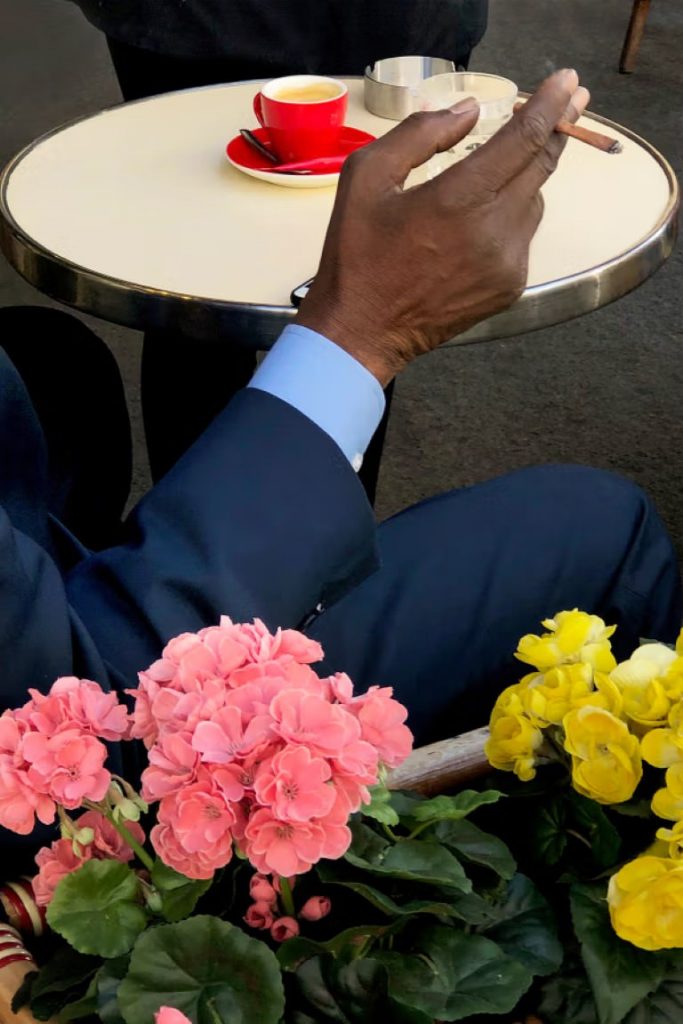
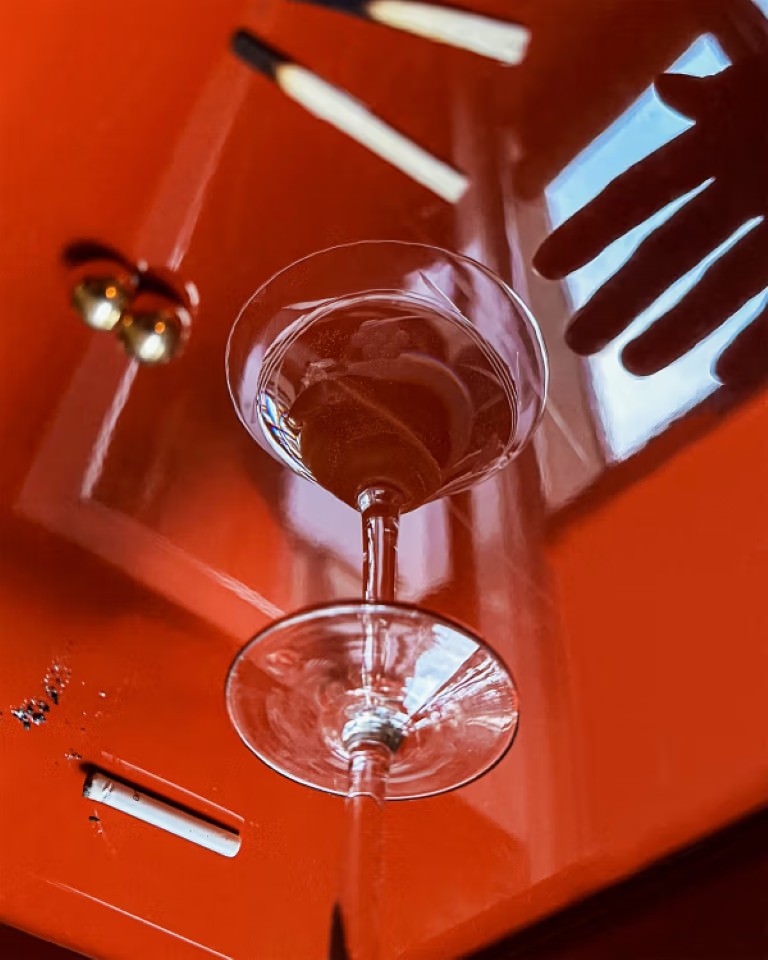
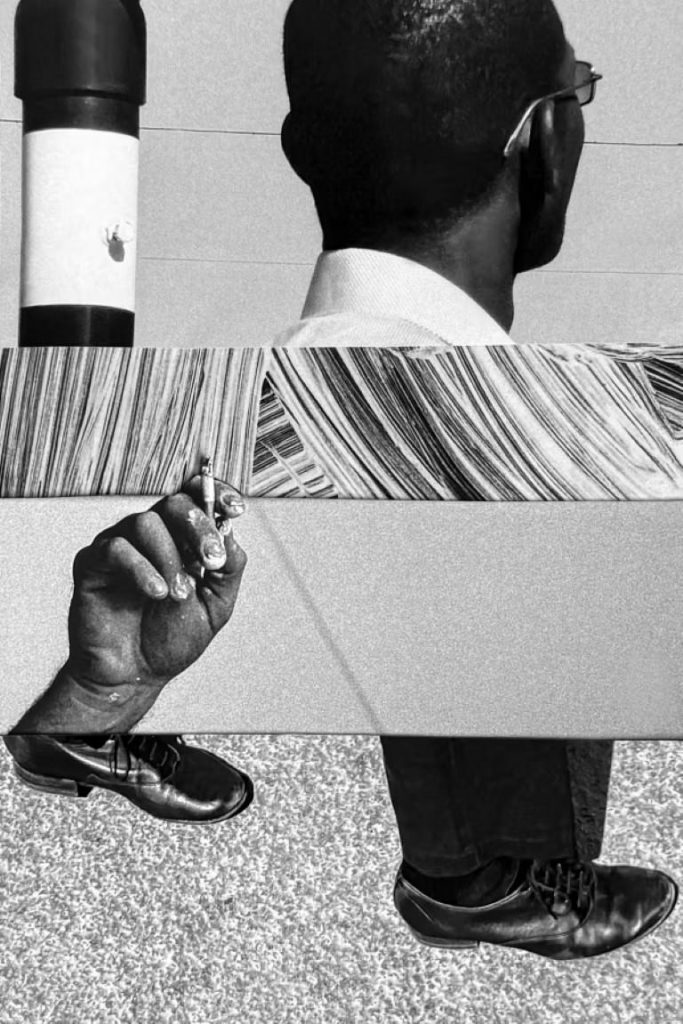
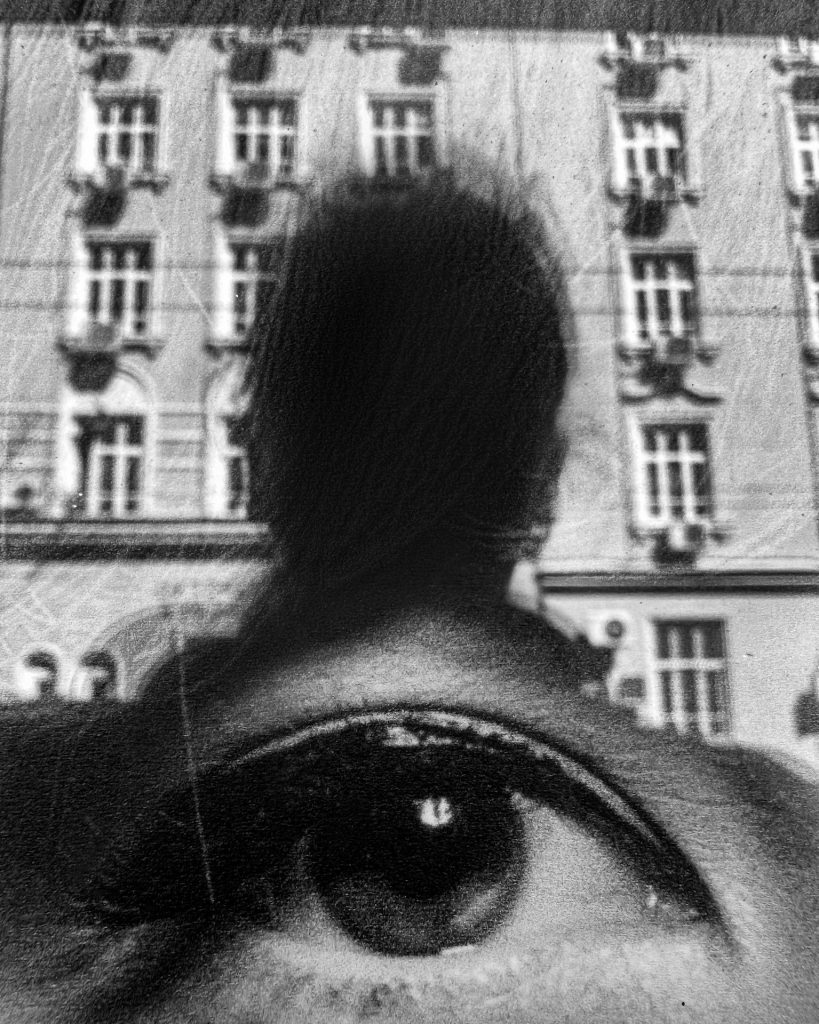
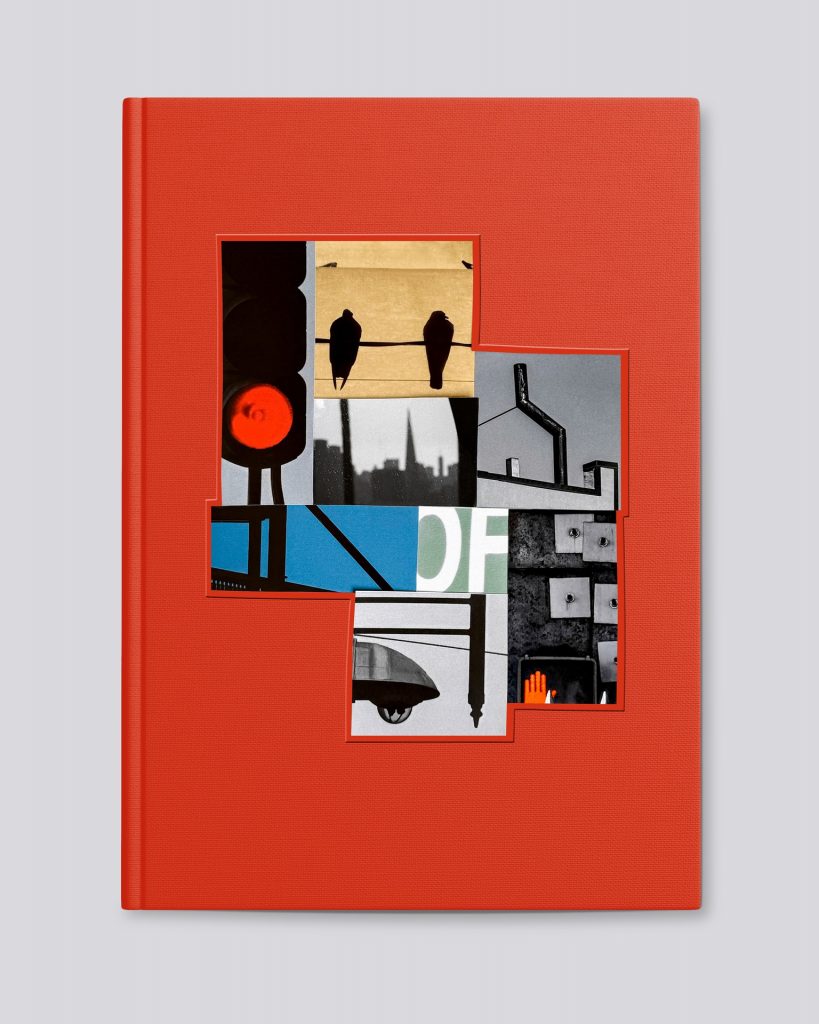
Atlas of Echoes is the first comprehensive monograph dedicated to the work of Dutch artist Sarah van Rij. Envisioned as an immersive journey through her entire practice, the book brings together her black-and-white and colour photographs alongside the collages she has been creating since 2018. In doing so, it traces van Rij’s artistic trajectory—from her earliest experiments with the camera to her most recent explorations.
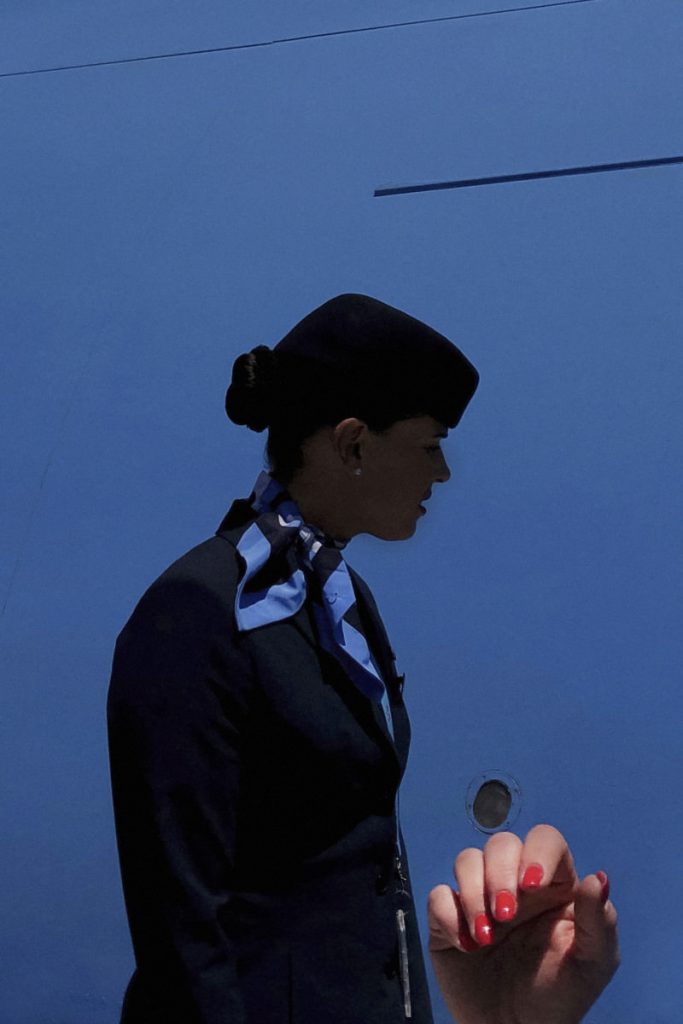
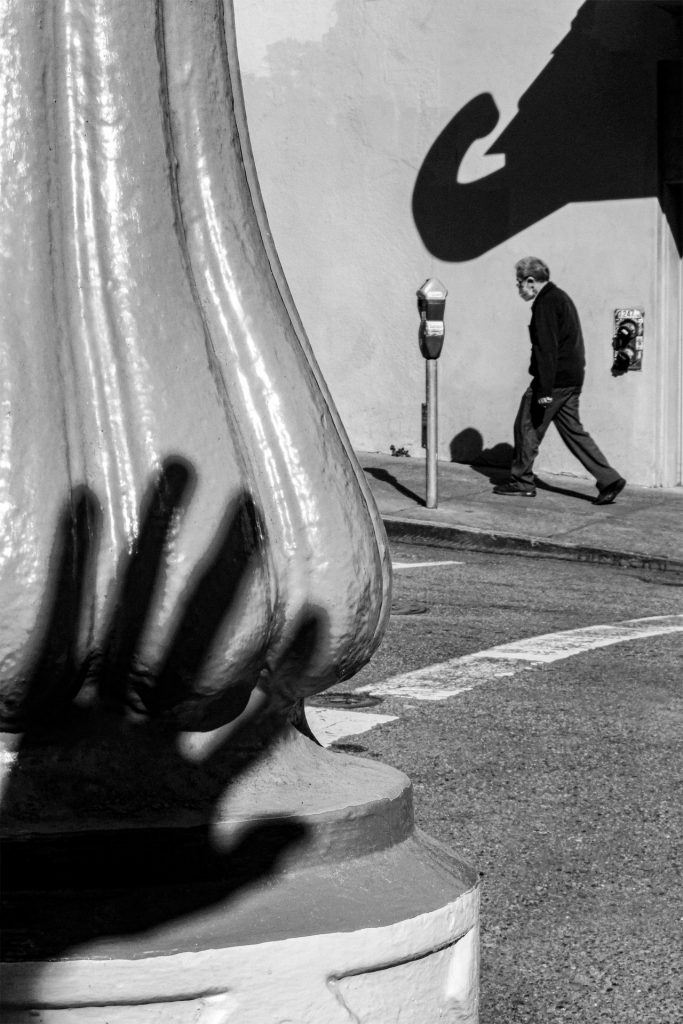
Whether made with a professional camera or an iPhone, her images investigate an expansive spectrum of subjects: urban and natural environments, everyday objects, and the human body. At the same time, they articulate the distinct and cohesive visual language that has come to define her artistic signature.
Developed in close collaboration with the artist, and accompanied by an index that invites both analytical and playful engagement, Atlas of Echoes unveils the unique formal vocabulary that underpins van Rij’s creative practice.
About the Author
Sarah van Rij (FR/NL, b. 1990) is a Dutch photographer who divides her time between Amsterdam and Paris. Guided by an instinctive way of working, she records brief, transitory moments encountered in the streets, uncovering the quiet poetry embedded in the everyday. Her images—distinguished by precise composition, shifts in viewpoint, bold accents of colour, and abstract hints of the human body—reveal a practice shaped by a broad spectrum of artistic influences, ranging from painting to film. Though firmly rooted in the present and often made with her iPhone, her photographs resist clear temporal anchoring; stripped of markers of time, they evoke a sense of timelessness and a subtle longing for eras that seem both distant and familiar.
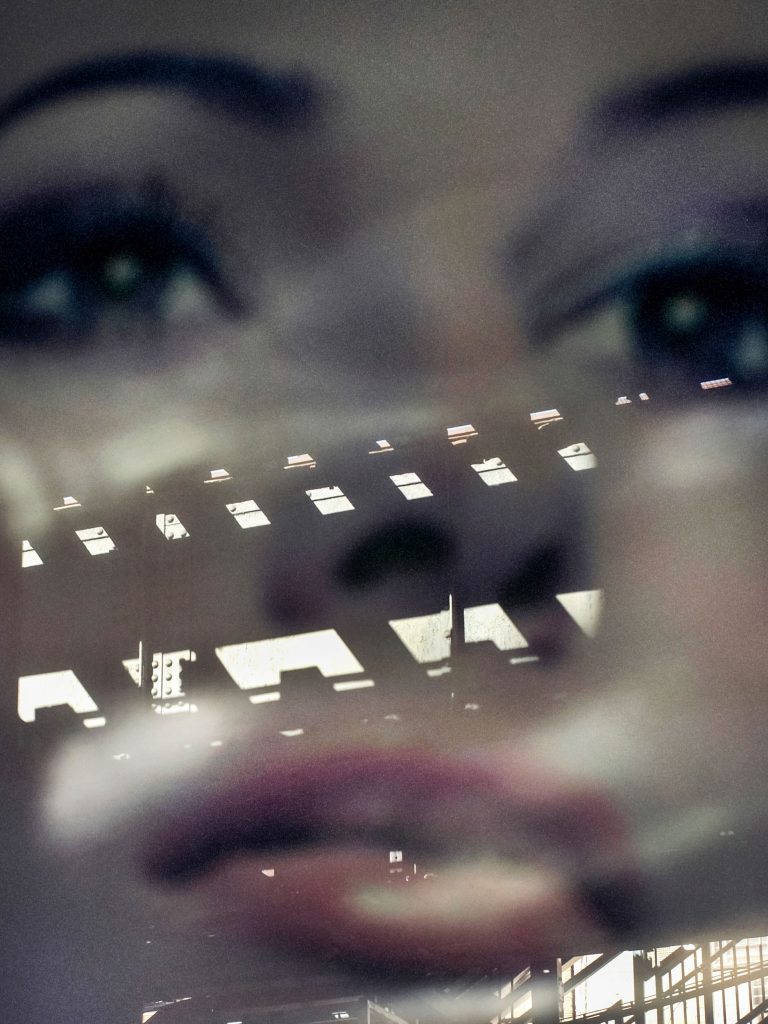
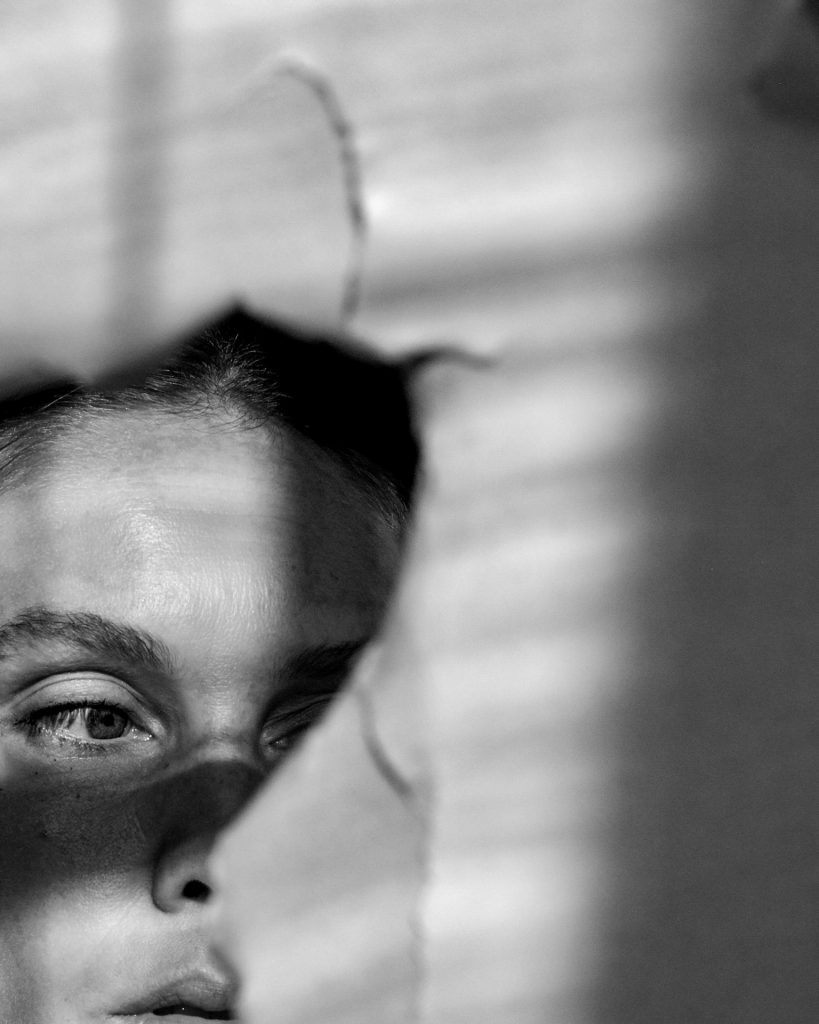
At Foto Tallinn, van Rij unveils her most intimate body of work to date. Moving away from her customary still lifes and street observations, she turns the camera toward her inner world, reflecting on a year marked by struggles with mental health. Alongside these photographs, a series of collages made from torn and reassembled fragments of her own face and body echo the emotional process of finding cohesion after a period of profound disorientation.