Sergio Larrain: Wanderings
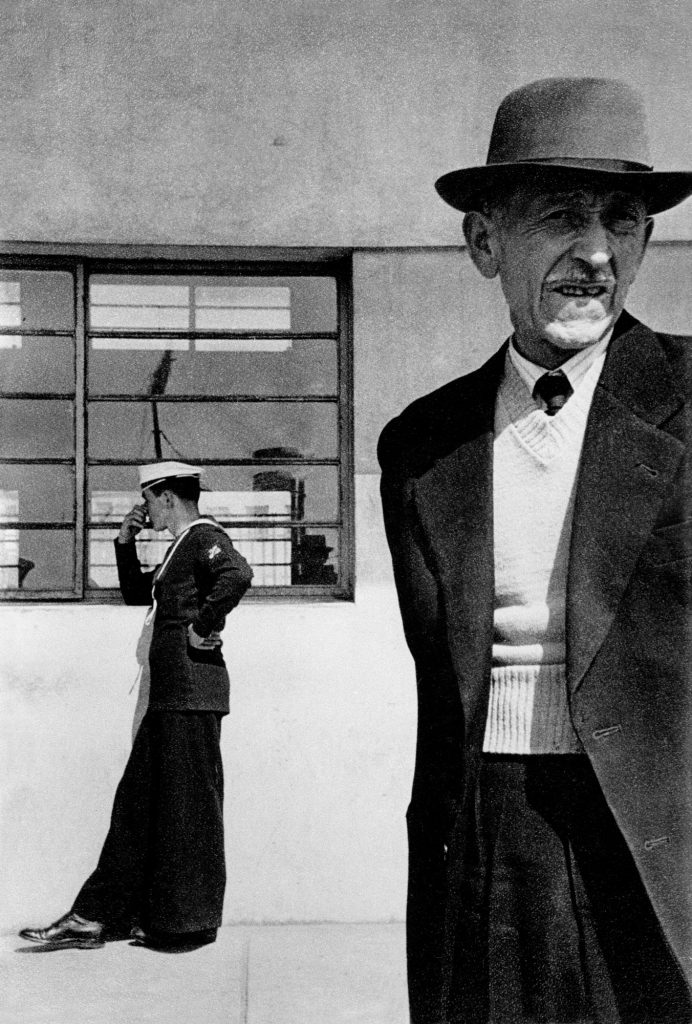
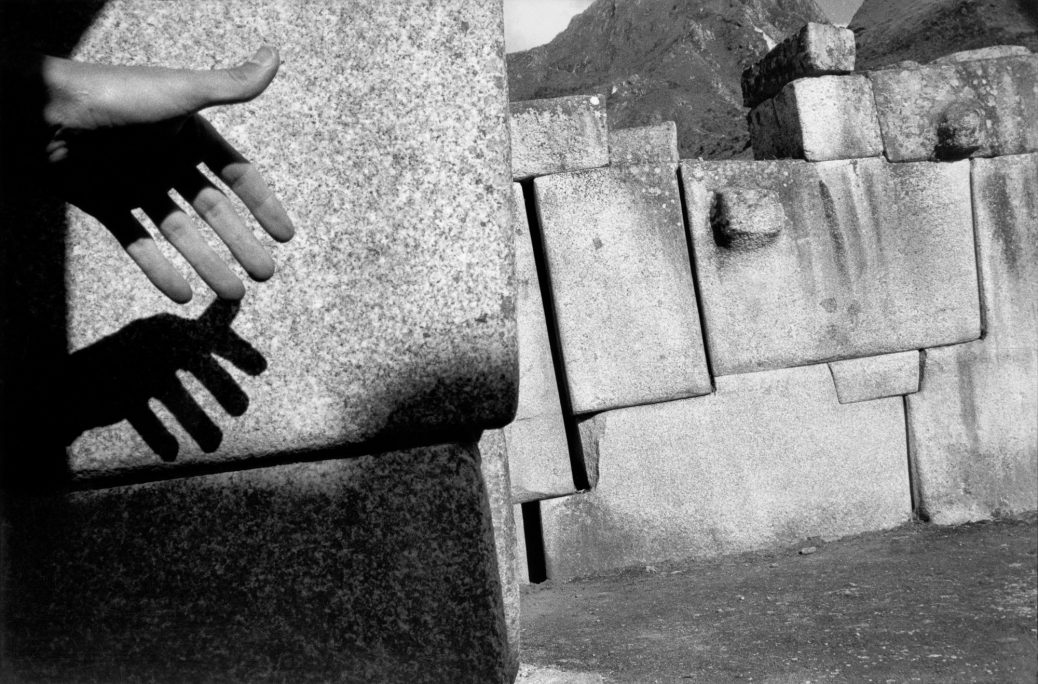
The International Center of Photography (ICP) is delighted to present Sergio Larrain: Wanderings, an exhibition composed exclusively of prints from the Magnum Photos archive—the collective to which Larrain belonged for more than half a century. Curated by Agnès Sire, former Director of the Fondation Henri Cartier-Bresson in Paris, the exhibition concentrates on the photographs Larrain produced during the first two decades of his career, spanning cities including Valparaíso, Santiago, Paris, and London. The exhibition, which opened last October, will remain on view until January 12, 2026.
Featuring examples from many of his most celebrated series, Wanderings reintroduces Larrain’s imaginative and profoundly human style to audiences who, for decades, have had limited opportunities to encounter his work.
“A kind of mystical vocabulary was the only way Sergio Larrain could explain the ‘state of grace’ required to receive an image,” notes Agnès Sire. “He behaved almost like a medium, believing the image already existed somewhere in the universe. He had an extraordinary affinity with stone, with the children roaming the streets, with beings who drifted through space like angels suddenly appearing. His magnetized eye cut sharply into reality, unconcerned with what lay beyond the frame, unconcerned with time, dramatic diagonals, blinding light or deep shadow. His pictures remain open—figures vanish beyond the edges, refusing stillness or containment, just as he did.”
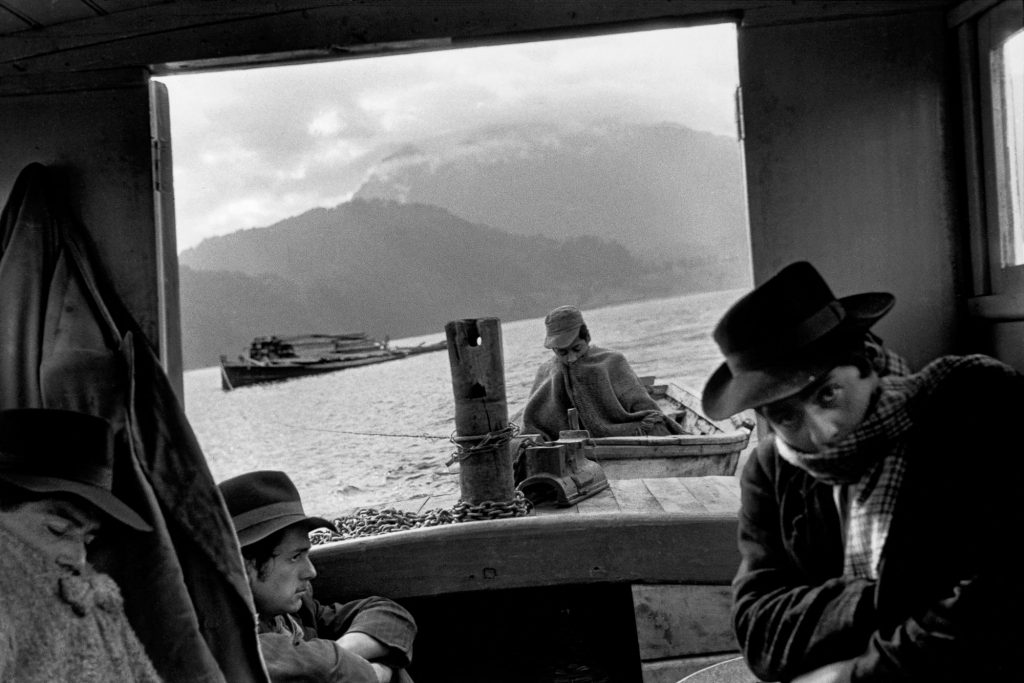
Organized chronologically and guided by Larrain’s own writings, Wanderings explores both the physical and metaphysical dimensions of life in rural and urban settings and traces the gradual refinement of his vision. His 1957 images of the fishing communities on Chiloé Island already contained themes that would define his later work: the lives of children, the pressures of poverty, and the quiet psychological tension embedded in everyday moments.
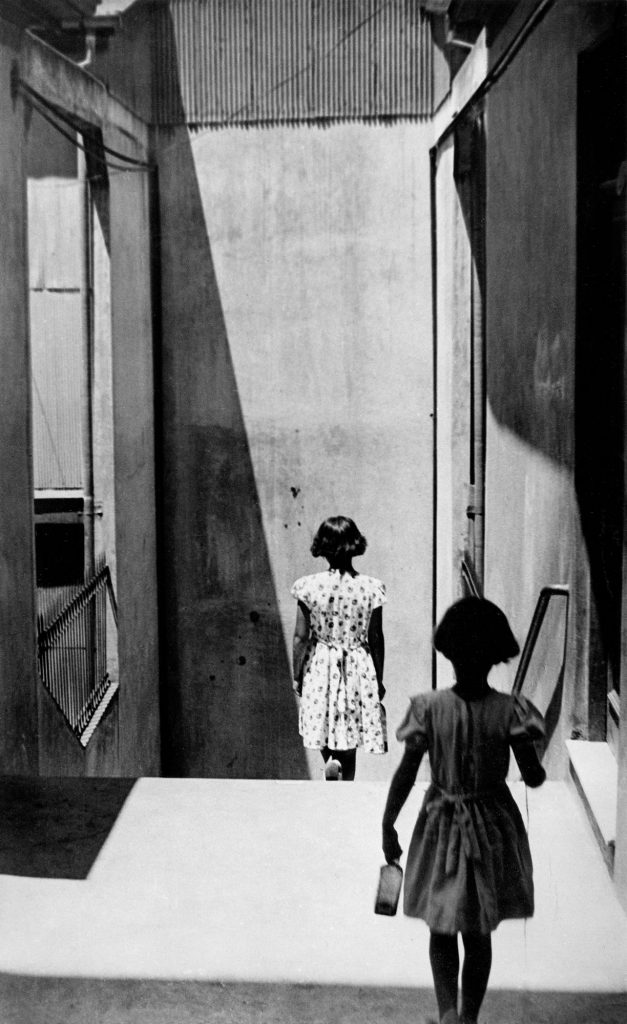
That same year, Larrain completed his first major project, photographing children in Santiago. These images confront the harsh realities of their environment with sobriety, yet remain attentive to sudden moments of joy or curiosity. Larrain’s intention was neither to sentimentalize nor to glorify hardship, but to illuminate their world with clarity and respect.
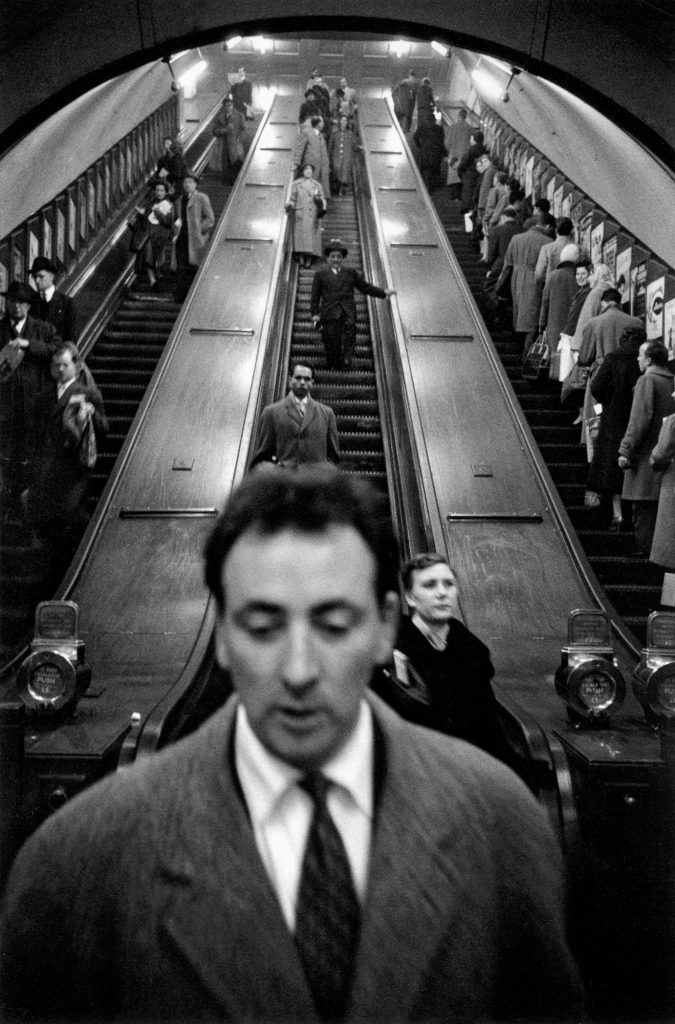
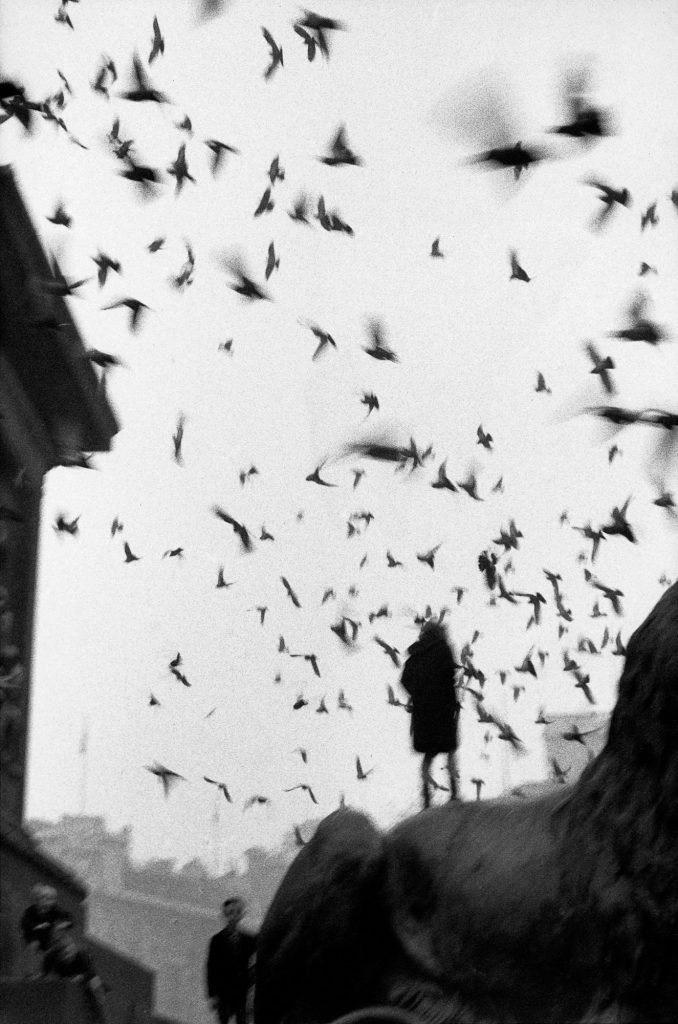
After relocating temporarily to Paris and traveling widely as a Magnum photographer—eventually becoming a full member in 1961—Larrain created bodies of work in London and Paris that reveal his fascination with strange intersections of people and the built environment. His compositions from these cities often border on the surreal, shaped by unexpected juxtapositions and the rapid transformations of postwar Europe.
Upon returning to Chile, he produced what would become one of his most influential series, Valparaíso, a multifaceted portrait of a city caught between eras. Through tightly layered spaces, off-kilter angles, and restless movement, Larrain captured an urban atmosphere infused with struggle and resilience, paying particular attention to the children who both inhabit and wander through the city’s steep geography.
Throughout the 1950s and 1960s, as he photographed across South America, Larrain remained drawn to subjects defined by movement and impermanence—figures who seem always on the verge of slipping beyond the edge of the frame. These fleeting presences contrast with forceful depictions of architecture and public space, underscoring the tension between inner experience and external constraint.
Reflecting on his own practice, Larrain wrote:
“I want my photographs to be encounters—immediate, unprocessed. I came to understand that photography, like every art form, must be searched for within oneself. The perfect photograph is a kind of miracle, a sudden flash in which subject, form, and emotion align; you press the shutter almost by accident, and the miracle occurs.
About Sergio Larrain
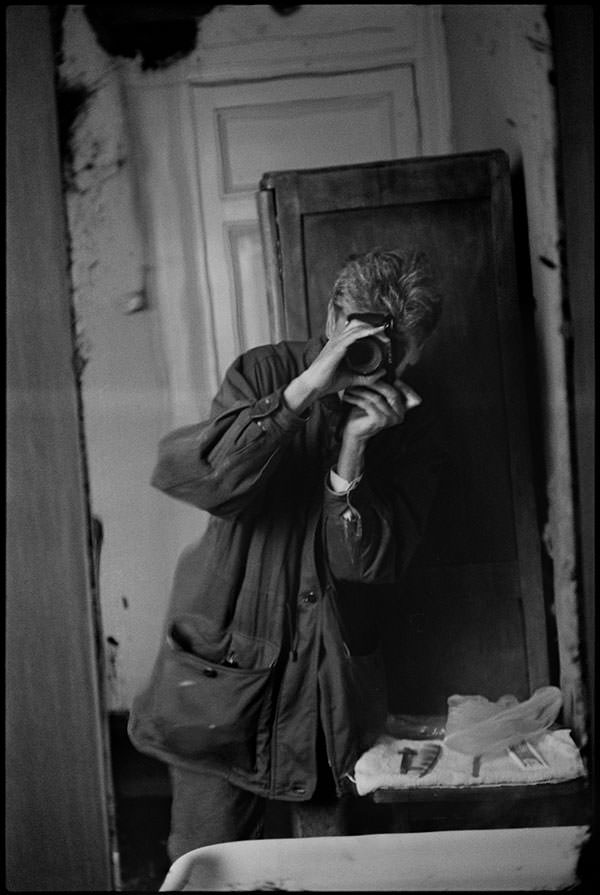
Born in 1931 in Santiago into a culturally vibrant Chilean family, Sergio Larrain initially studied forestry at the University of California, Berkeley, and the University of Michigan. He later pursued freelance photography, contributed to O Cruzeiro magazine, and in 1958 was awarded a British Council scholarship. A pivotal meeting with Henri Cartier-Bresson in Paris led to his joining Magnum Photos the following year. Among his best-known series are Vagabond Children (1957), London (1958–59), and Valparaíso (1952–62). His first book, El rectángulo en la mano, appeared in 1963. Larrain also collaborated with Pablo Neruda—who wrote texts for several of his publications, including Una casa en la arena and books on Valparaíso. Larrain died in 2012 in Tulahuén, Chile.
About Agnès Sire
Agnès Sire earned a master’s degree in philosophy and aesthetics before beginning her professional life at the Alexandre Iolas Gallery in Paris. She later joined the Magnum Photos office in Paris, where she worked for two decades as artistic director. During that time, she co-developed numerous collective projects, including Magnum Cinema and Behind the Iron Curtain, and oversaw the production of key monographs such as Henri Cartier-Bresson: Mexican Notebooks 1934–1964 and Sergio Larrain’s Valparaíso and London. Sire taught for two years at the Sorbonne and, in 2004, was appointed Director of the Fondation Henri Cartier-Bresson. Over the following 15 years, she curated most of the foundation’s 45 exhibitions and played a major role in shaping the identity of the institution alongside Martine Franck.
Sergio Larrain: Wanderings
through Jan 12, 2026
International Center of Photography (ICP) – New York – USA
More info: