Lee Friedlander: Life Still
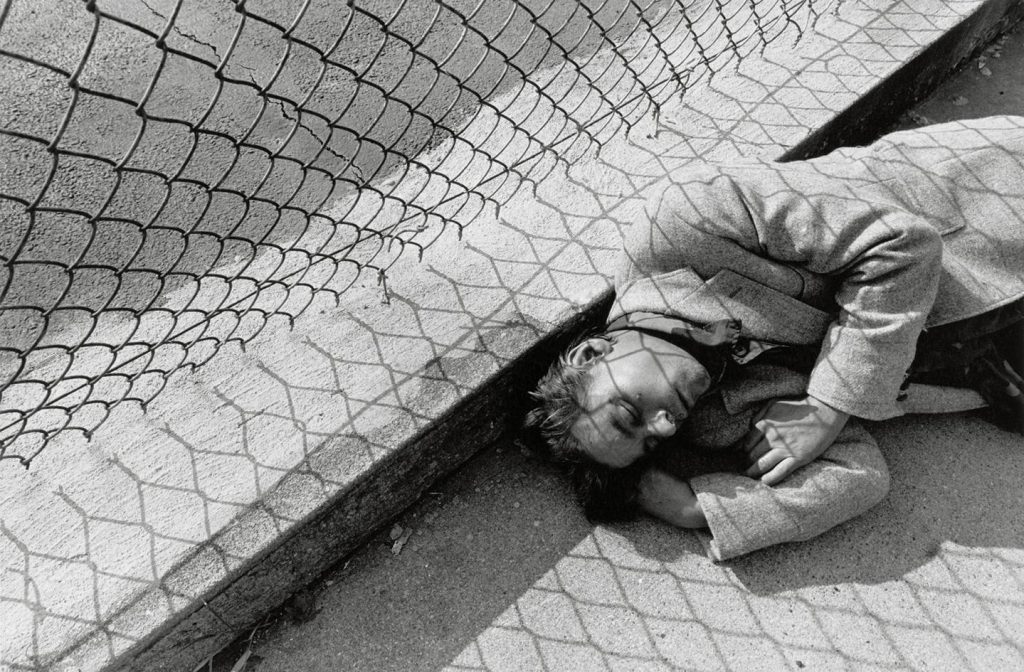
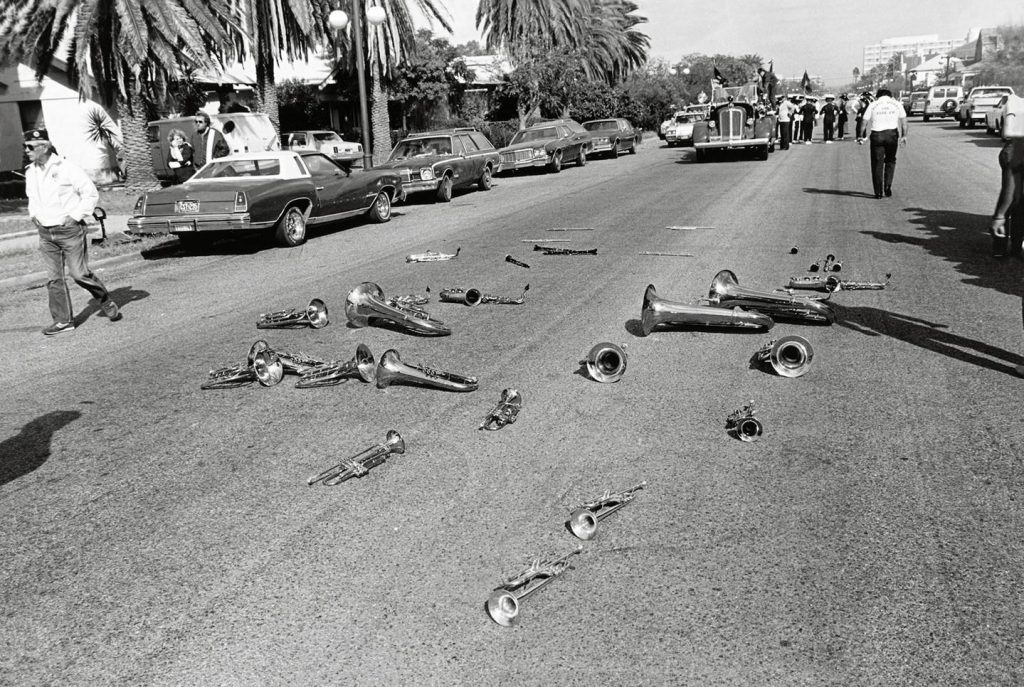
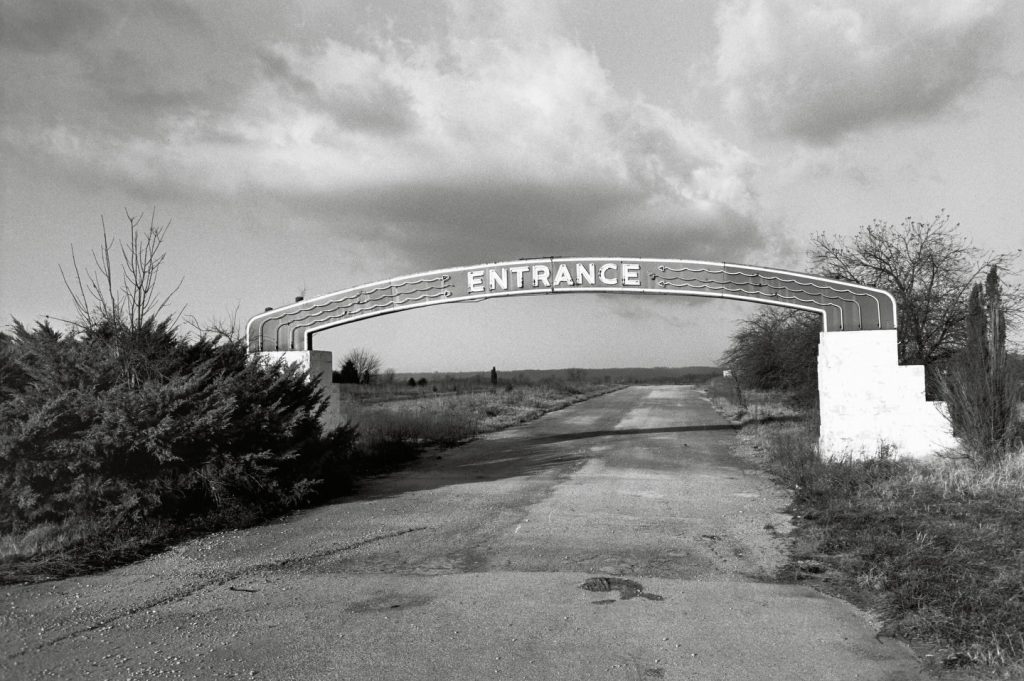
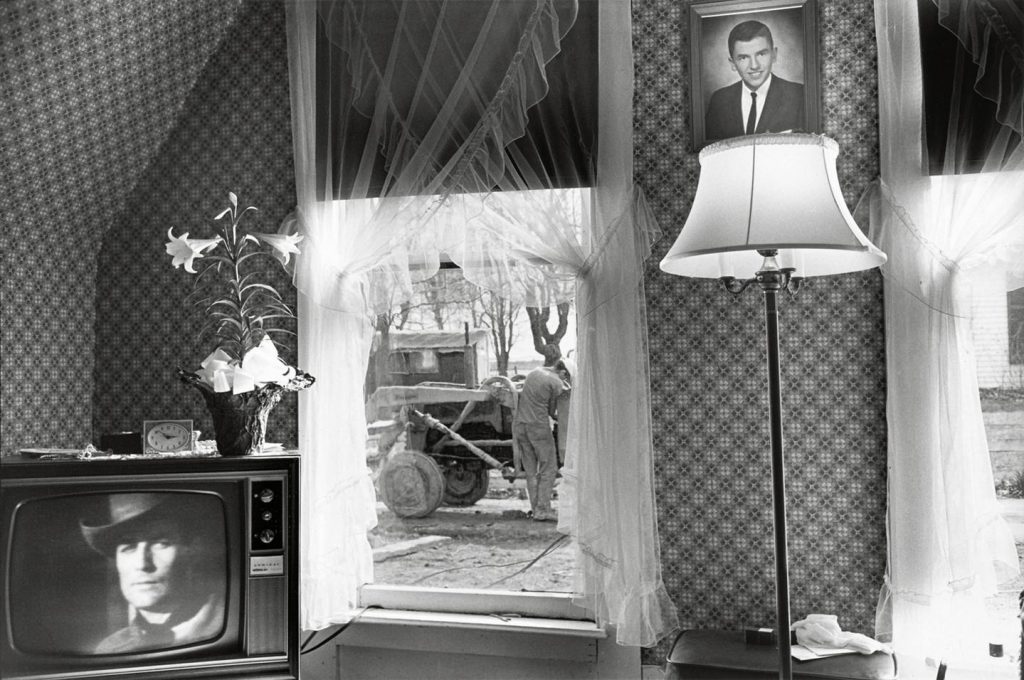
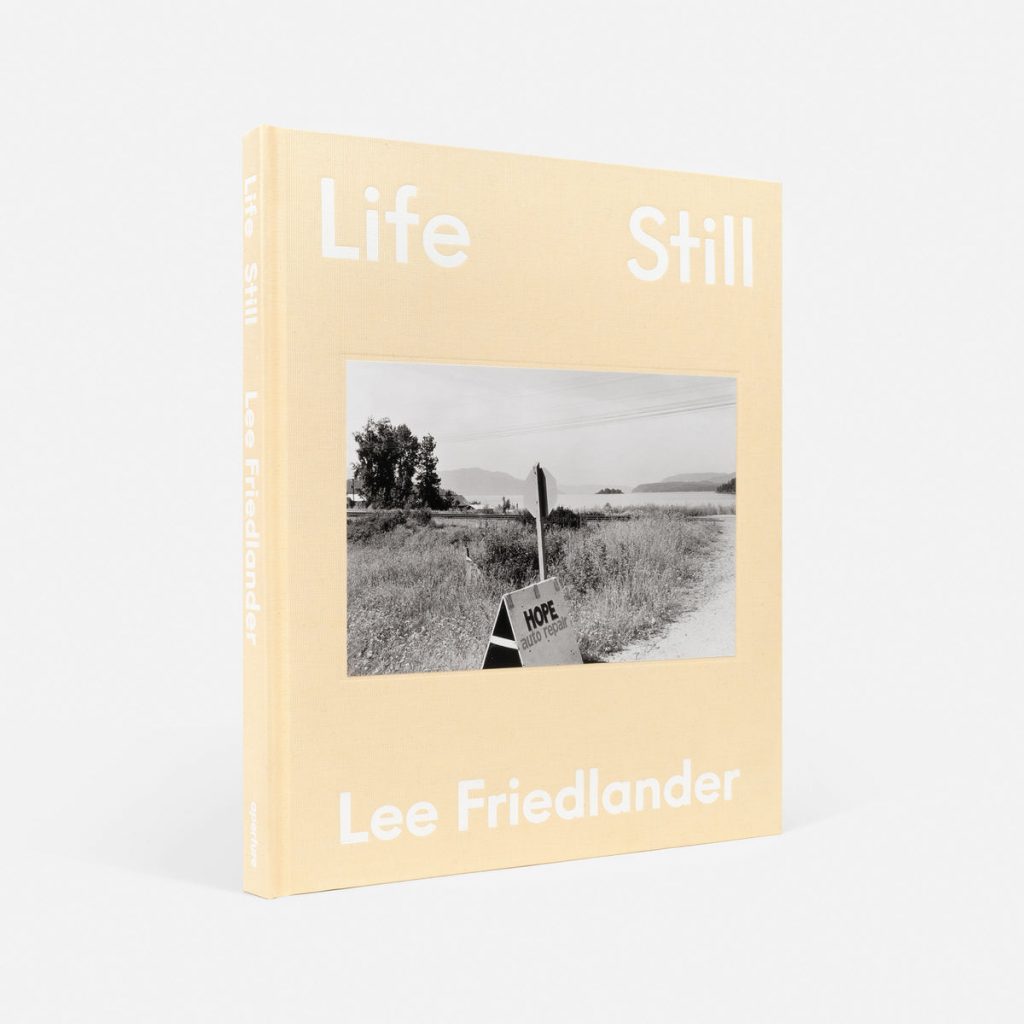
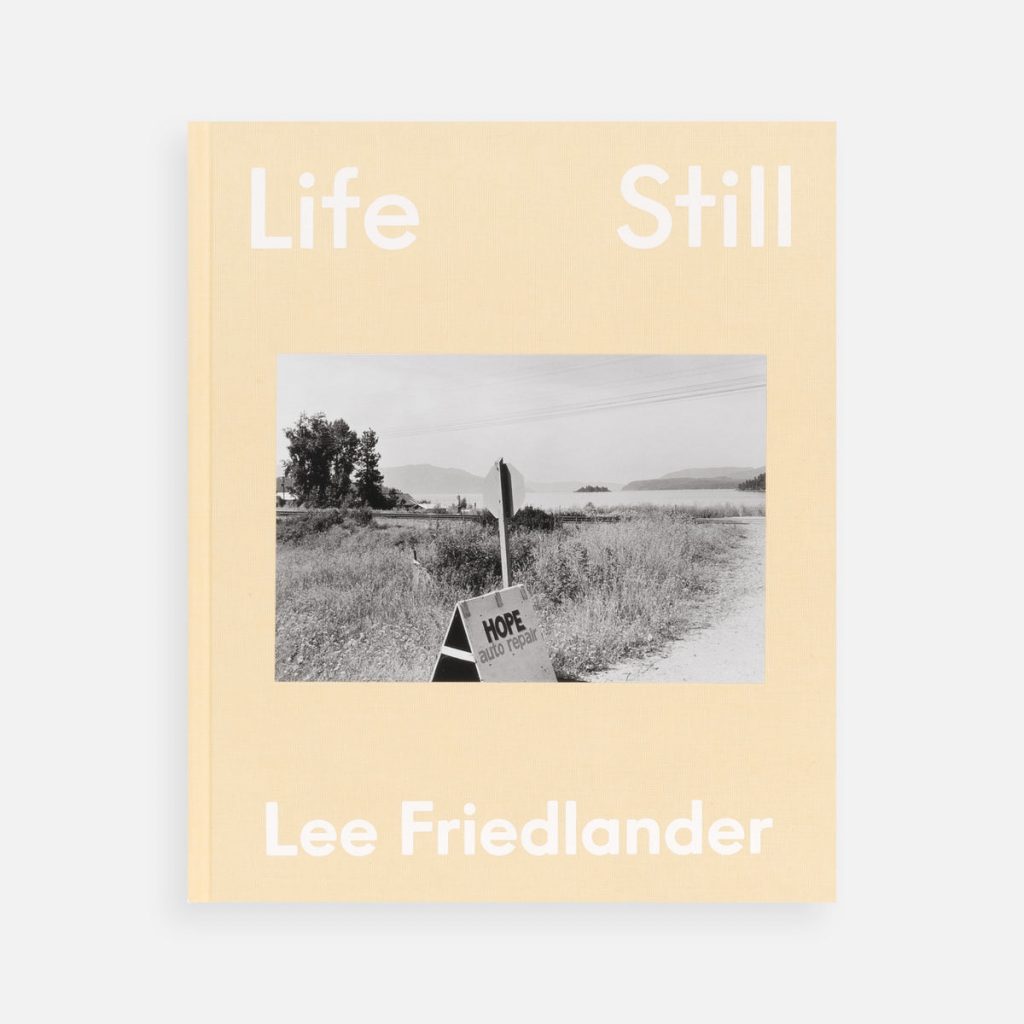
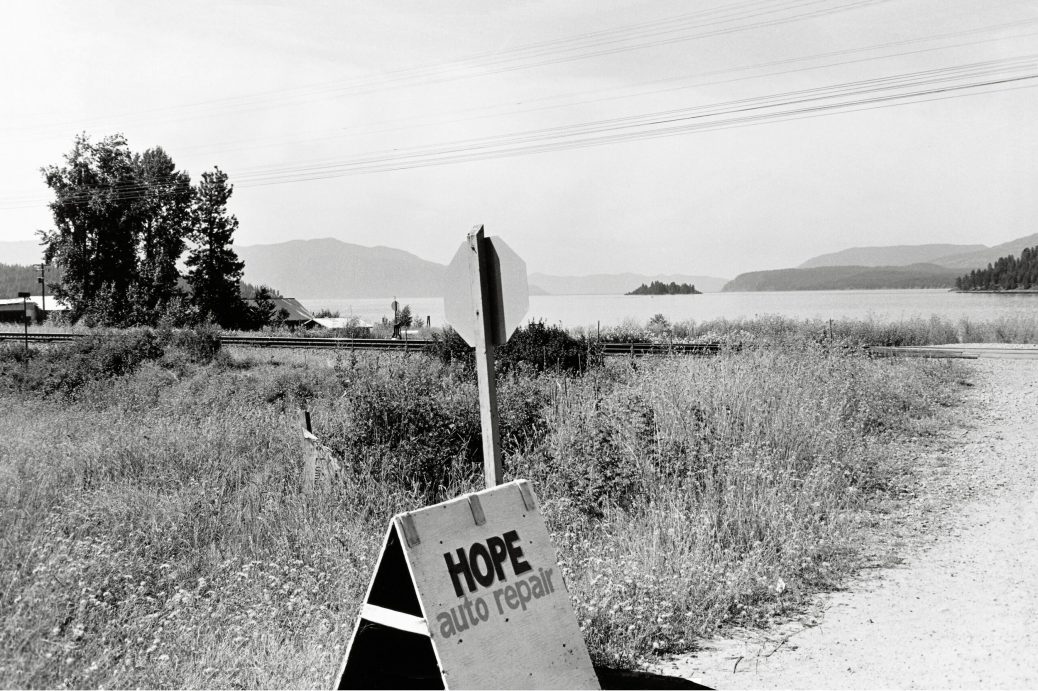
Lee Friedlander’s latest monograph, Life Still, captures the enduring irony and complexity of American life across past and present. In his first publication with Aperture, Friedlander—now ninety-one—reimagines his vast oeuvre by bringing together rarely seen and previously unpublished images from the past six decades alongside new work, creating a visual dialogue that collapses time.
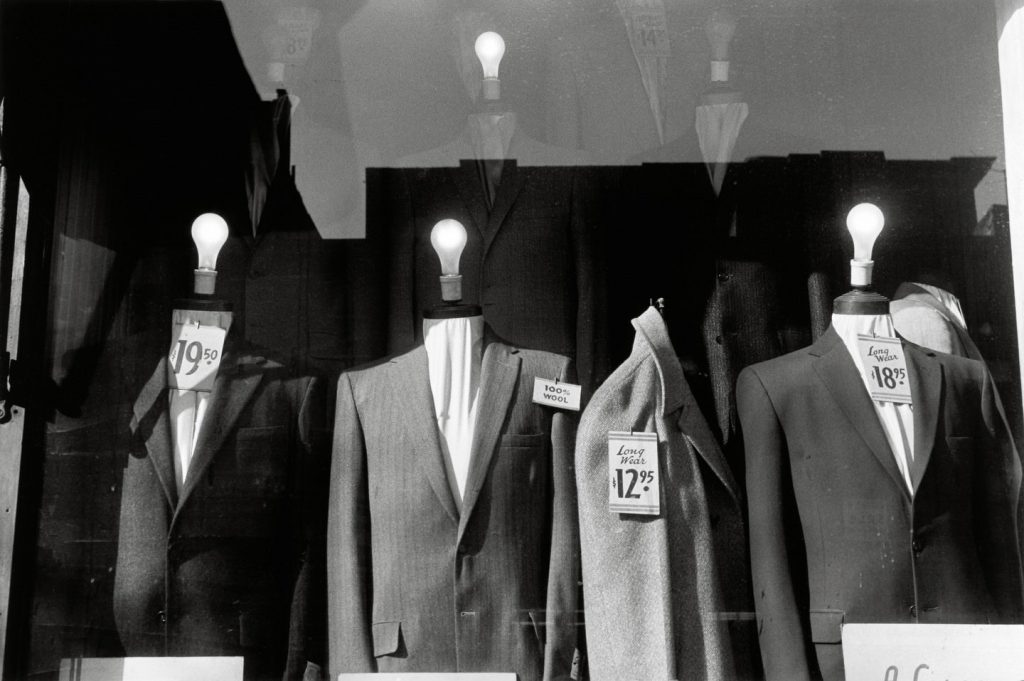
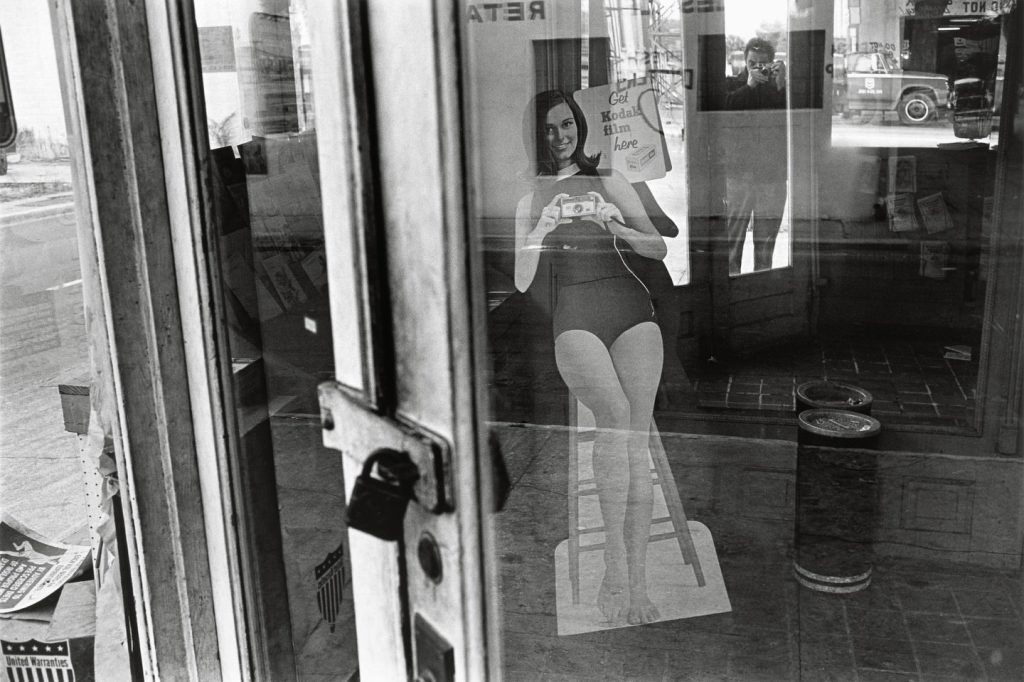
Since the 1960s, Friedlander has produced incisive, often witty photographs of the American social landscape, shaping our understanding of the quirks and idiosyncrasies of everyday life. In Life Still, his distinctive vision unfolds through fractured reflections in shop windows and car mirrors, understated domestic scenes, and deadpan observations of street signage. This polychronic perspective renders American ubiquity both familiar and estranging.
At the heart of the book lies a persistent question: how can the United States appear simultaneously small and vast, quiet and loud, artificial and authentic? As noted by contributor and Pulitzer Prize–winning writer Hua Hsu, these contradictions—rooted in irony, humor, and internal conflict—remain as vivid today as ever. By uncovering paradox within the ordinary, Friedlander presents a body of work that reads as an enduring riddle of American culture.
About the Author
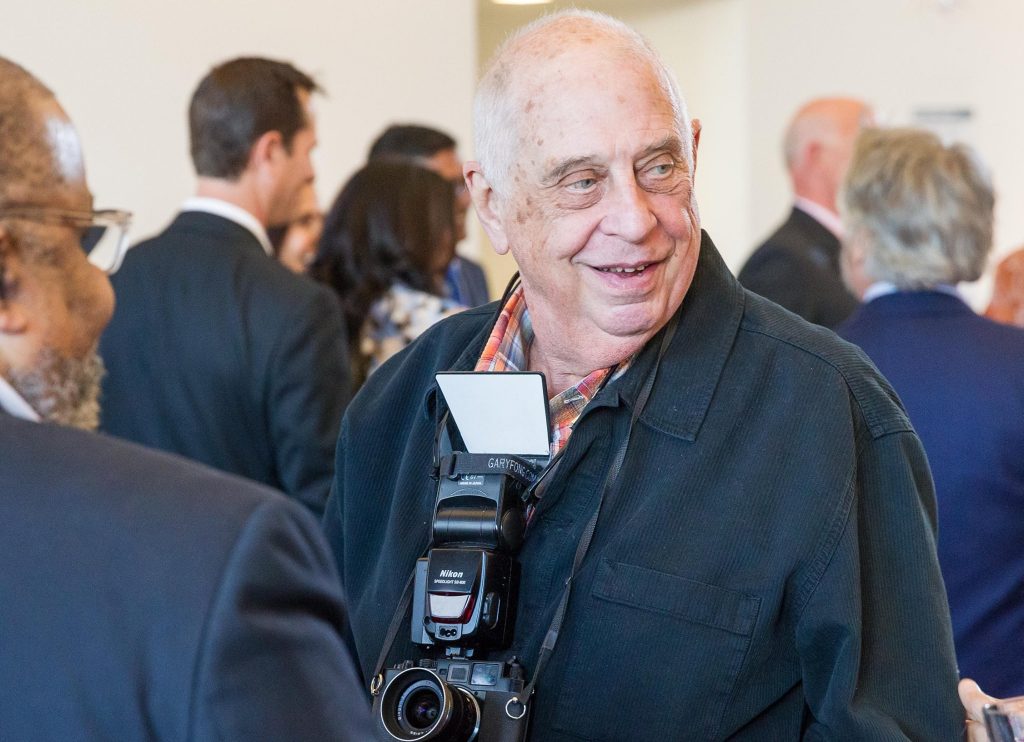
Lee Friedlander (Artist, 1934– ; American) was born in Aberdeen, Washington, and developed an early interest in photography at the age of fourteen. He pursued formal training at the Art Center School in Los Angeles between 1953 and 1955, after which he began working as a freelance photographer. His images were soon featured in prominent publications such as Esquire, Art in America, and Sports Illustrated. In 1963, he held his first solo exhibition at the George Eastman House, marking the beginning of a significant exhibition history that includes Toward a Social Landscape (1966) at the same institution and New Documents (1967) at the Museum of Modern Art. These landmark exhibitions positioned his work alongside that of contemporaries such as Garry Winogrand, Bruce Davidson, Danny Lyon, and Diane Arbus, contributing to the definition of a “social landscape” approach in photography. Over the decades, Friedlander has published extensively, with key titles including Work from the Same House (with Jim Dine, 1969), Self-Portrait (1970), Flowers and Trees (1981), Portraits (1985), and Cray at Chippewa Falls (1987), followed by Nudes (1991) and The Jazz People of New Orleans (1992). His contributions to photography have been widely recognized through numerous honors, including three Guggenheim Fellowships, five National Endowment for the Arts Fellowships, and a MacArthur Foundation Award. He also played a crucial role in preserving the legacy of the New Orleans photographer E. J. Bellocq, printing and bringing renewed attention to Bellocq’s early twentieth-century negatives.Friedlander’s work is rooted in the documentary tradition associated with Walker Evans and Robert Frank, yet it stands apart for its acute awareness of the photographic frame itself. His images frequently foreground the tension between subject and composition, often depicting ordinary scenes—empty streets, storefronts, or overlooked urban details—while simultaneously emphasizing the act of seeing. The recurring presence of his own shadow or reflection introduces a self-referential dimension, adding a subtle disquiet and complexity to his observations of everyday life.