
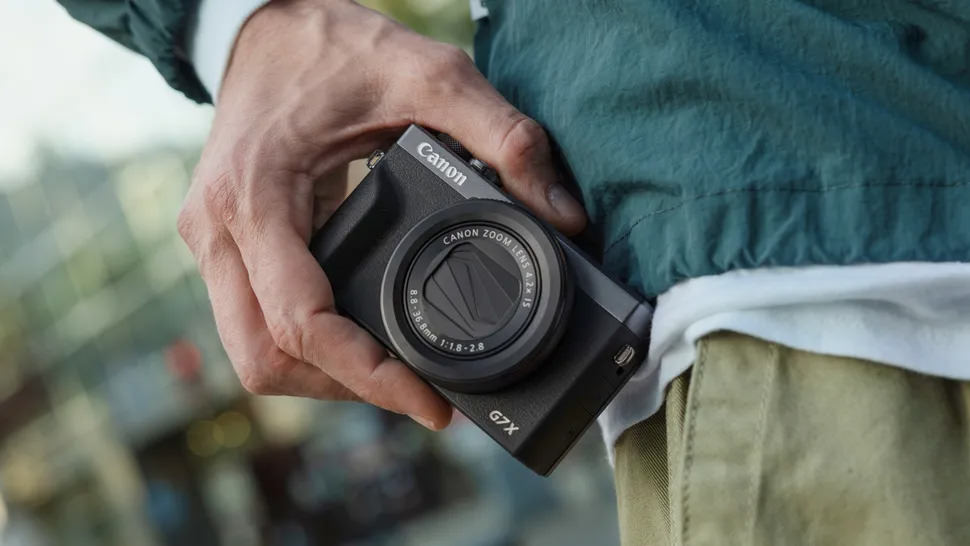
Canon Celebrates 30 Years of PowerShot
2026 marks the thirtieth anniversary of Canon’s first PowerShot compact camera, the PowerShot 600, launched in July 1996. To celebrate the milestone, the Japanese company released a limited-edition variant of the PowerShot G7 X Mark III — visually refreshed but technically identical to the standard model introduced in July 2019.
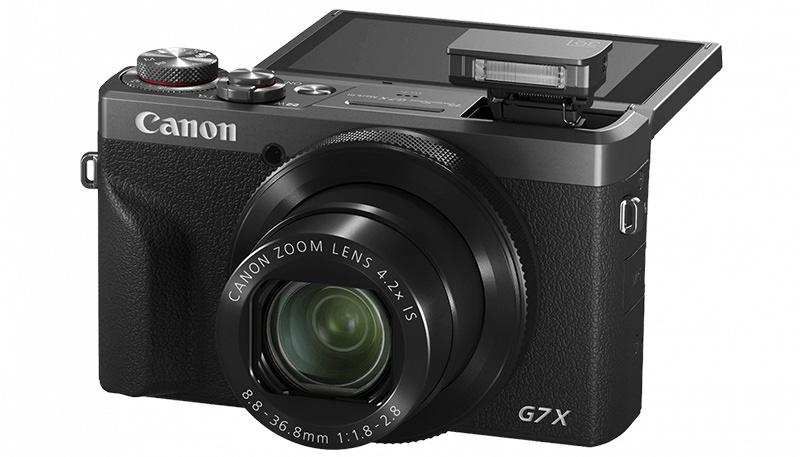
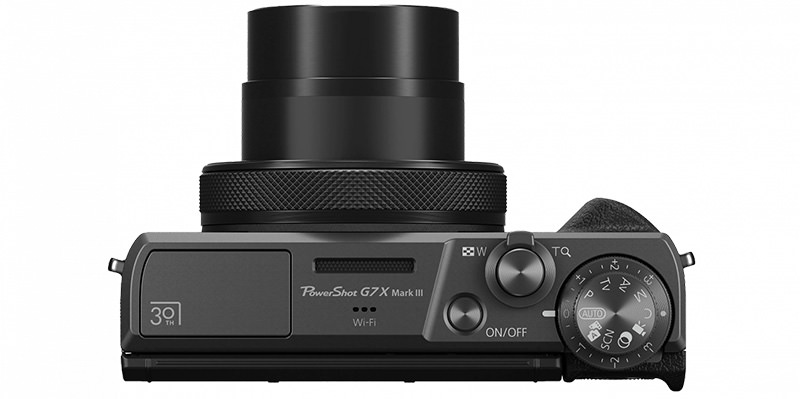
At the heart of the camera is a 1-inch stacked CMOS sensor with 20.1 effective megapixels, paired with Canon’s DIGIC 8 processor. The integrated lens covers a 24–100mm equivalent focal range with a maximum aperture of f/1.8 at the wide end and f/2.8 at full telephoto, delivering 4.2x optical zoom with optical image stabilization. Autofocus is contrast-detect based and supports multi-area, tracking, face detection, and touch operation, with a minimum focus distance of 5cm. A 4x digital zoom and manual focus are also available.
Exposure control covers program, aperture priority, shutter priority, and manual modes, with compensation adjustable in 1/3 EV steps up to ±3 stops. Metering options include multi, center-weighted, and spot. The mechanical shutter runs from 30 seconds to 1/2000 sec., extendable electronically to 1/25600 sec., while continuous shooting reaches 20 fps in standard mode and 30 fps in raw burst. The built-in flash covers up to 7 meters.
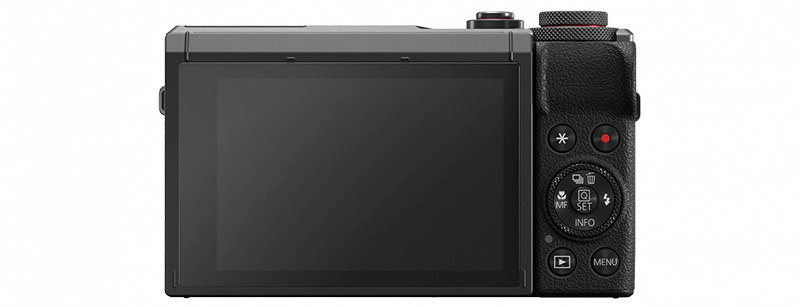
On the video side, the camera supports UHD 4K at 30p and Full HD up to 120p, both in H.264/MPEG-4, with a 3.5mm microphone input for external audio and internal stereo recording. The rear screen is a 3-inch, 1.04-million-dot TFT LCD touchscreen that tilts 90° downward and 180° upward — well suited for vlogging and selfies. Vertical video recording and live streaming are also supported, though there is no optical viewfinder.
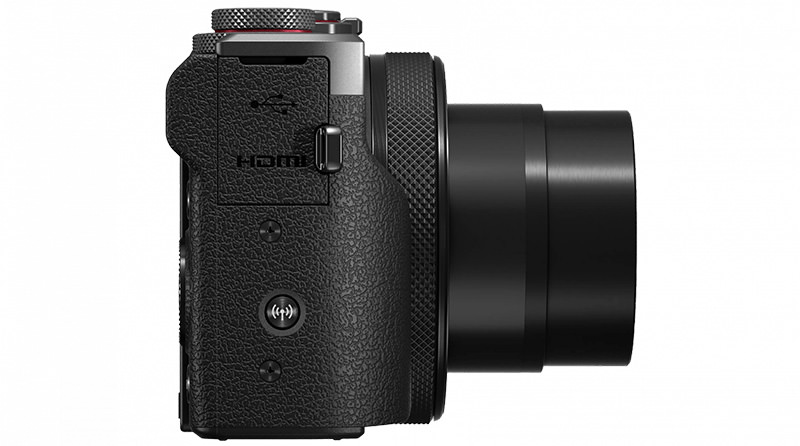
Connectivity includes USB 3.2 Gen 1 with charging support, micro-HDMI output, Wi-Fi (802.11b/g/n), Bluetooth, and smartphone remote control. Storage relies on SD/SDHC/SDXC cards with UHS-I compatibility, and supported file formats are JPEG (Exif v2.3) and Canon’s CR3 raw format. The body measures 105 × 61 × 41mm and weighs 304g with battery; the NB-13L is rated at 235 shots per charge under CIPA conditions. There is no environmental sealing.
The visual differences from the standard version are subtle but distinctive: a gray top plate, different knurling on the control ring, and 30th anniversary branding on the flash. One technical change applies to European markets: both the anniversary edition and all G7 X Mark III units sold in Europe will transition to the new NB-15L battery, which adds a safety feature preventing charging if the battery has been over-discharged.
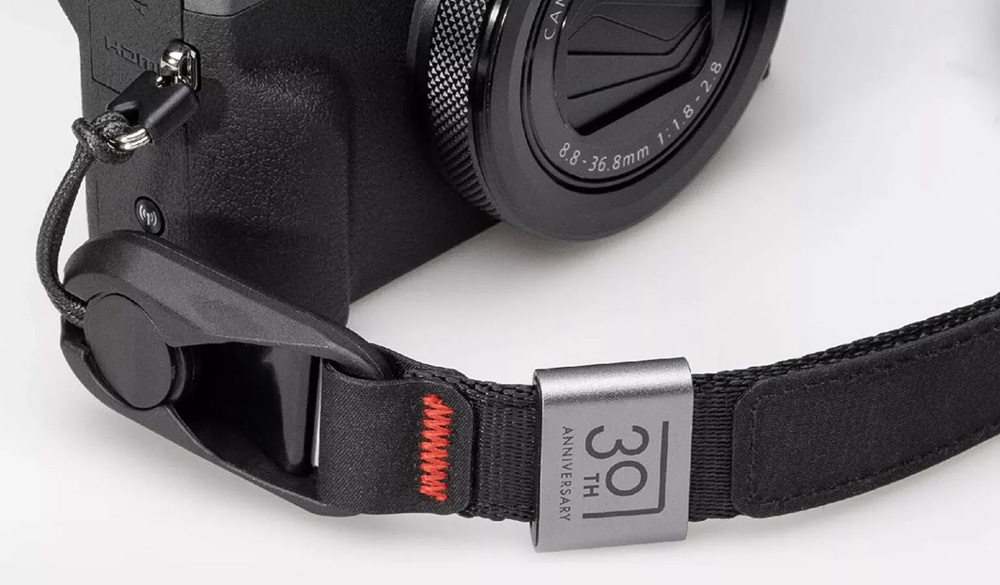
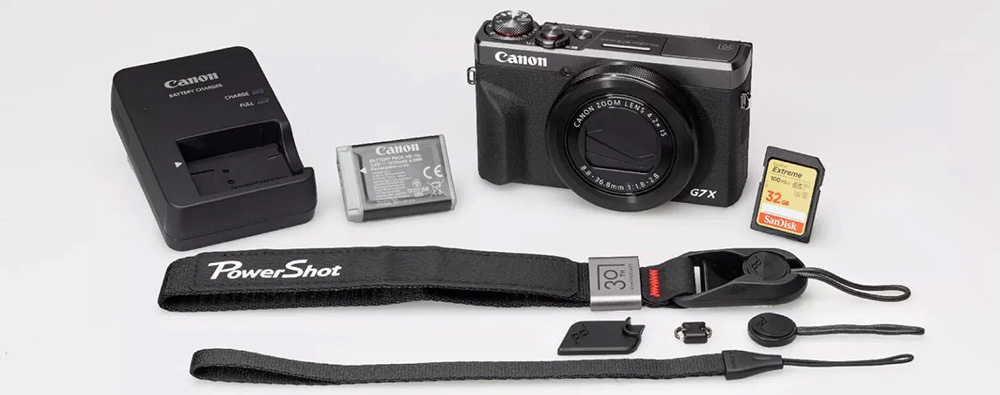
Pricing varies by market. In the United States, the camera retails for $1,295–$1,299 — roughly $420 more than the standard version — and includes a Peak Design wrist strap with anniversary branding and a 32GB SD card, an accessory bundle not available in all regions. In the United Kingdom, it is priced at £860, a more modest £40 premium over the standard model.
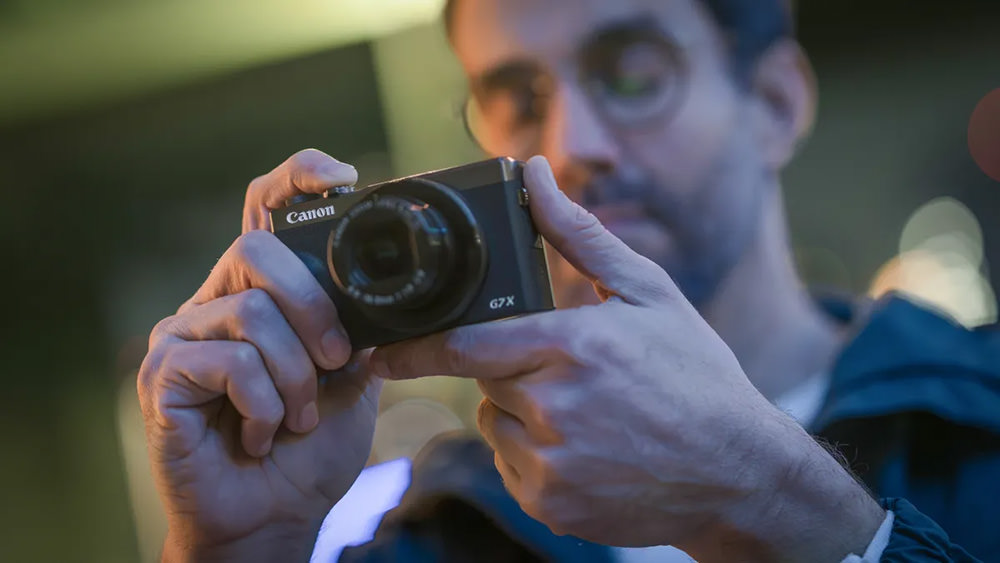
Canon declined to specify how many units were produced, describing the release only as “very limited” and acknowledging it is working on strategies to counter scalping — an issue affecting both the anniversary model and the standard G7 X Mark III, which has itself been chronically out of stock. A Canon spokesperson indicated that supply constraints on the standard version should ease later in the year.
As of early May 2026, the PowerShot G7 X Mark III Graphite Kit 30th Anniversary Limited Edition is listed as no longer available on Canon’s US online store. The initial allocation sold out quickly, consistent with the sustained demand that has long made the standard G7 X Mark III difficult to find at its official retail price. Units continue to appear on the secondary market at prices above the original listing.