Fred Stein: City. Life. Portrait
“The Leica taught me photography.” Fred Stein said this once, and it’s hard to think of a better way to describe a life that was, in so many ways, shaped by a single camera.
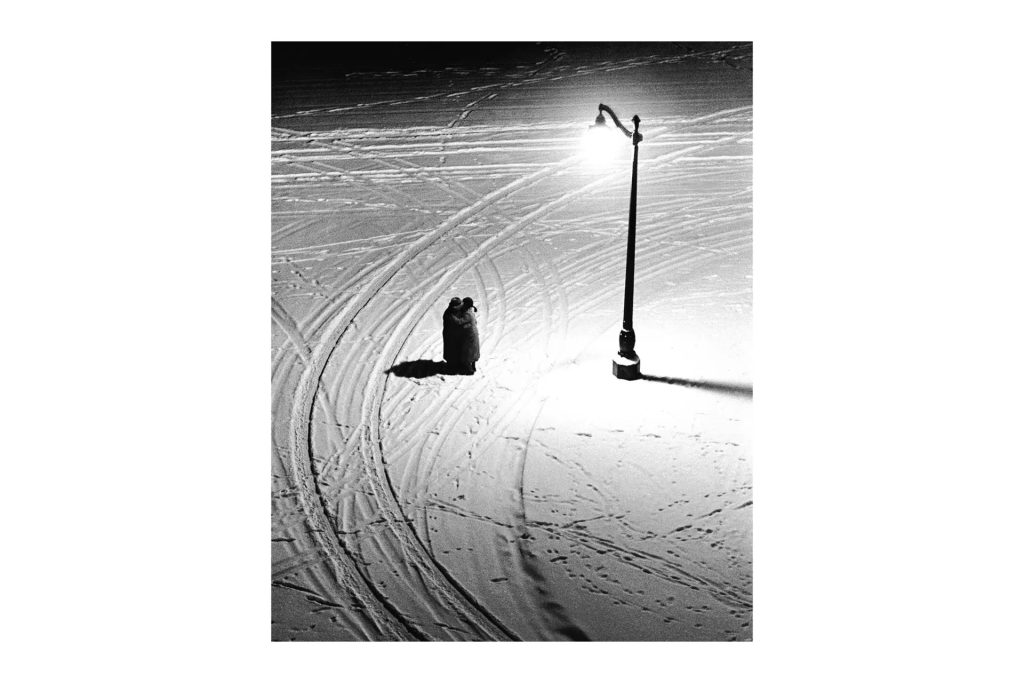
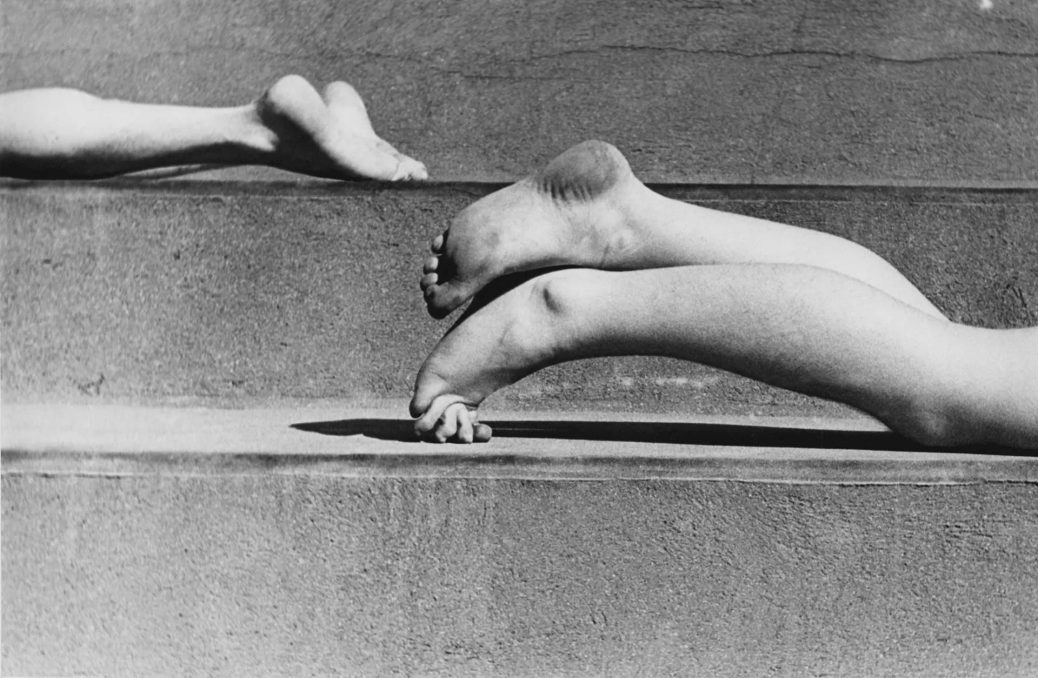
Born in Dresden in 1909, Stein trained as a lawyer, not an artist. But history had other plans. When the Nazis came to power in 1933, he lost his position in the judiciary almost overnight, dismissed on antisemitic grounds. He and his wife Lilo left Germany that autumn, crossing into France under the cover of a honeymoon trip. In their luggage: a Leica I, a wedding gift they’d bought together. It would end up being the most important thing they ever owned. Paris suited him. Stein took to the streets with a quiet, unhurried curiosity, not looking for grand scenes, but for the small ones. A glance, a gesture, a man walking alone. “When I pass a man in the street, I look for his story,” he said. That instinct, warm and a little melancholic, runs through everything he shot. His Paris photographs don’t feel like documents. They feel like memories.
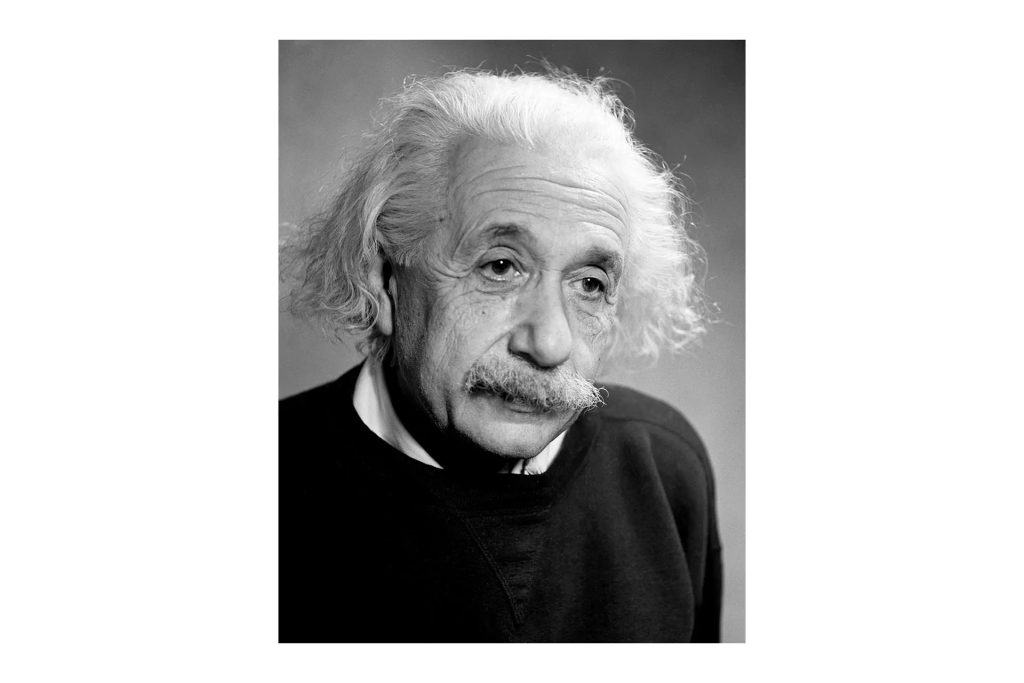
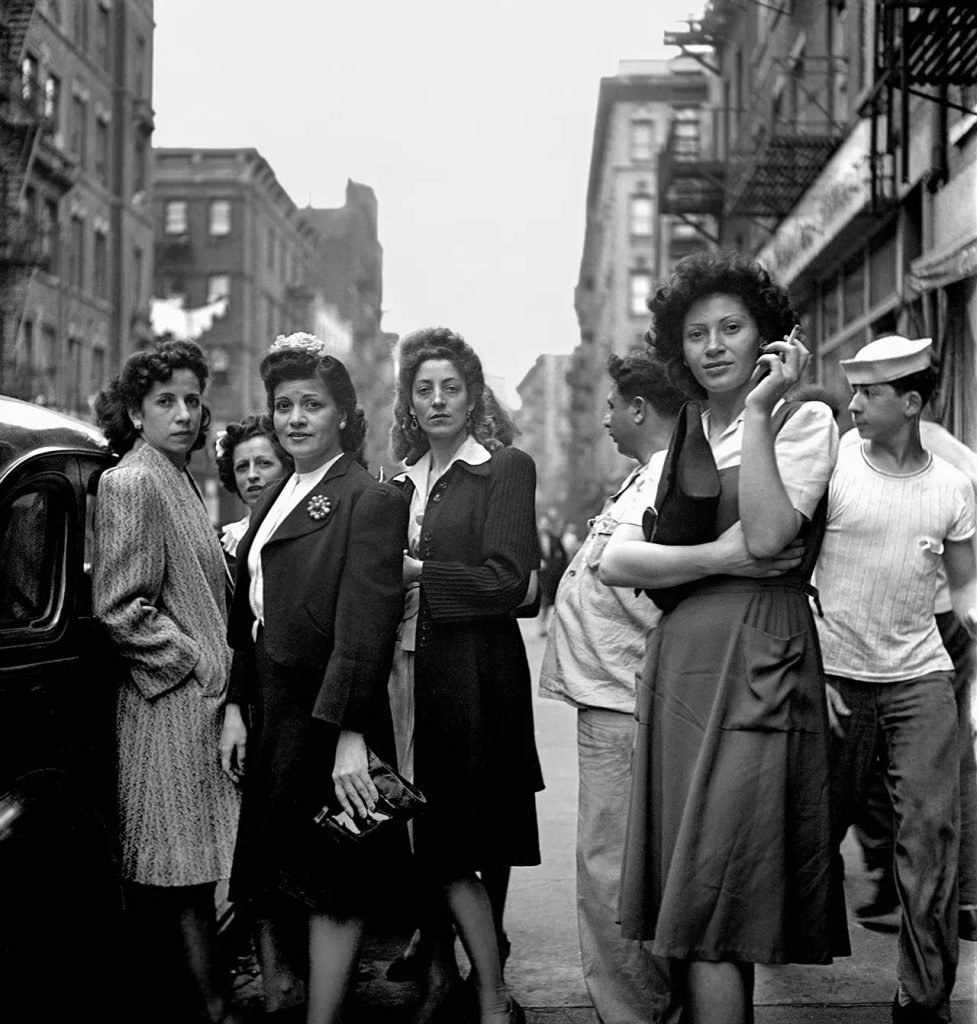
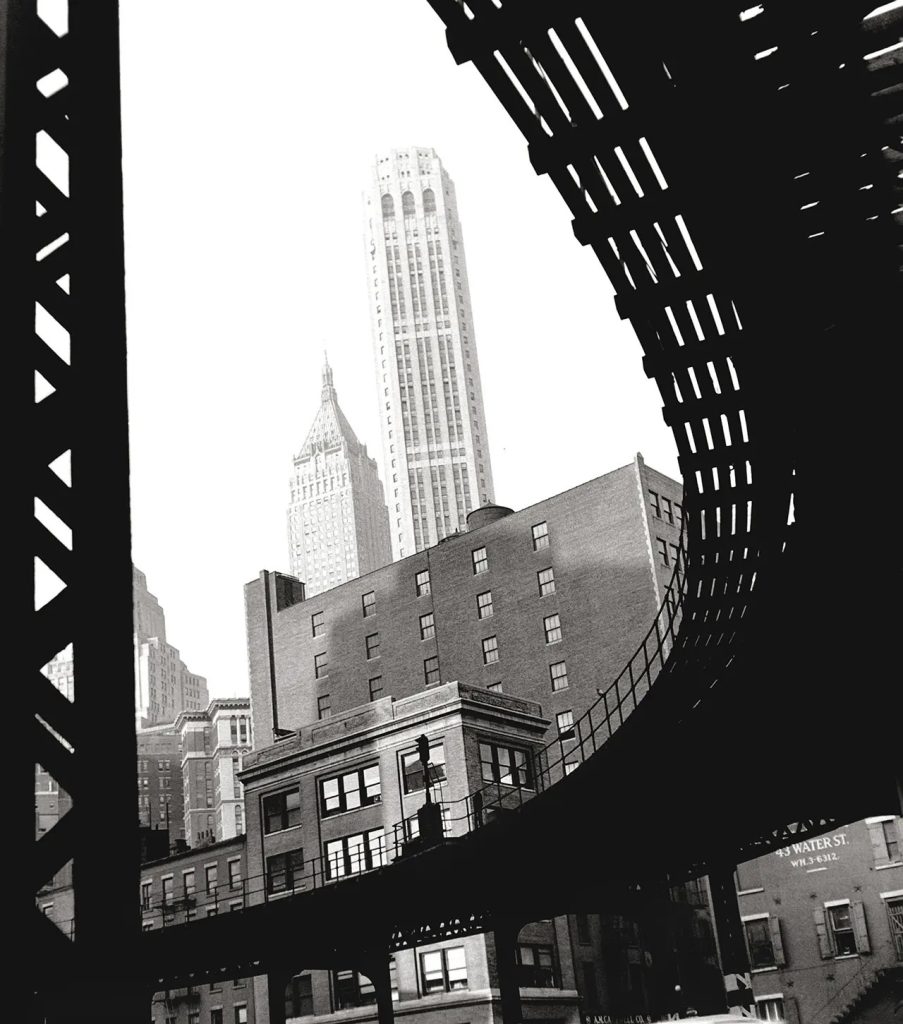
Through the city’s émigré circles, the Steins became close with some remarkable people, Bertolt Brecht, Robert Capa, Gerda Taro, Willy Brandt. Their seventh-floor Montmartre apartment was, by all accounts, a place where people gathered, talked, and found some shelter from the times. Then Germany invaded France, and it started again. In May 1941, the Steins, now with a young daughter, boarded one of the last ships out of Marseille. They arrived in New York that June. New York gave Stein a second act. He kept shooting street scenes, became fascinated by the city’s architecture, and gradually built a remarkable body of portrait work, over a thousand sittings in all. Einstein, Arendt, Dalí, Dietrich, O’Keeffe, Frank Lloyd Wright, Robert Frank. The list reads like a roll call of the twentieth century. And yet his approach never changed: natural light, no retouching, no fuss. He wanted to see who people actually were, not who they wanted to appear to be. Stein died in 1967, at just 58. He never quite got the recognition his work deserved — not in his lifetime, anyway. But his archive survived, carefully kept by his son Peter, and in recent years exhibitions in Salzburg, Stuttgart, and now the Leica Gallery in Wetzlar have begun to give his photographs the audience they always merited. It’s a body of work that spans two continents, two cities, and one of the most turbulent stretches of modern history, seen through the eyes of a man who never stopped being curious about the person standing in front of him.
About the Author
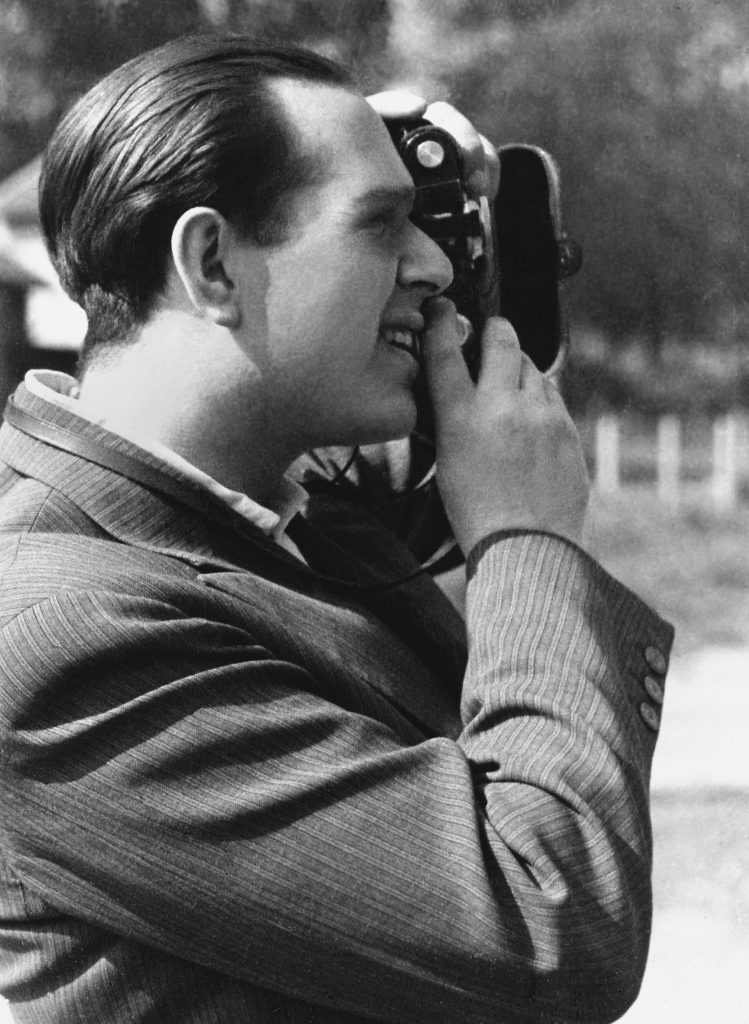
Alfred “Fred” Stein was born on July 3, 1909, in Dresden, the son of a rabbi. His father died when he was six, and his mother raised him with a strong sense of culture and political conscience, by sixteen, he had joined the Socialist Labour Youth. He went on to study law in Heidelberg, Munich, and Berlin, passing his first state examination at the University of Leipzig in 1930. He never made it to the second. On June 30, 1933, he was dismissed from judicial service on antisemitic grounds. That August he married Liselotte “Lilo” Salzburg, they gave each other a Leica I as a wedding gift, and by October they had left Germany for good. He opened Studio Stein in Paris in 1934, shooting portraits and press work for the German exile press, French publications, and the communist and Jewish press. Lilo ran the business side and handled the technical work; the two were inseparable partners in everything. Their apartment became a meeting point for the city’s émigré community of writers, artists, and intellectuals, Gerda Taro stayed with them for a time, and Robert Capa used Stein’s darkroom. Their daughter Ruth was born in 1938.
When war broke out, Stein was classified as an “enemy alien” by the French authorities and spent ten months in internment and labour camps. He escaped, made his way to Toulouse, and found his family there in 1940. Lilo had managed to get out of Paris with a suitcase full of his negatives and prints. On May 6, 1941, they left for the United States. They arrived in New York on June 13. New York became home. Stein joined the Photo League, kept working, and in 1943 their son Peter was born. His photographs appeared in newspapers and magazines; in 1946 he had his first American exhibition, at the Tribune for Free German Literature and Art. The following year, Pantheon Books published his photo book 5th Avenue. He became a US citizen in 1952, joined the American Society of Magazine Photographers in 1957, and in 1958 returned to Germany for the first time, beginning a long collaboration with the German Press Agency (dpa).
Fred Stein died in New York on September 27, 1967, after a short illness. He was 58. His archive is maintained by his son, Peter Stein.
Fred Stein: City. Life. Portrait
through 06/14/2026
Leica Gallery, Wetzlar – Germany
More info: