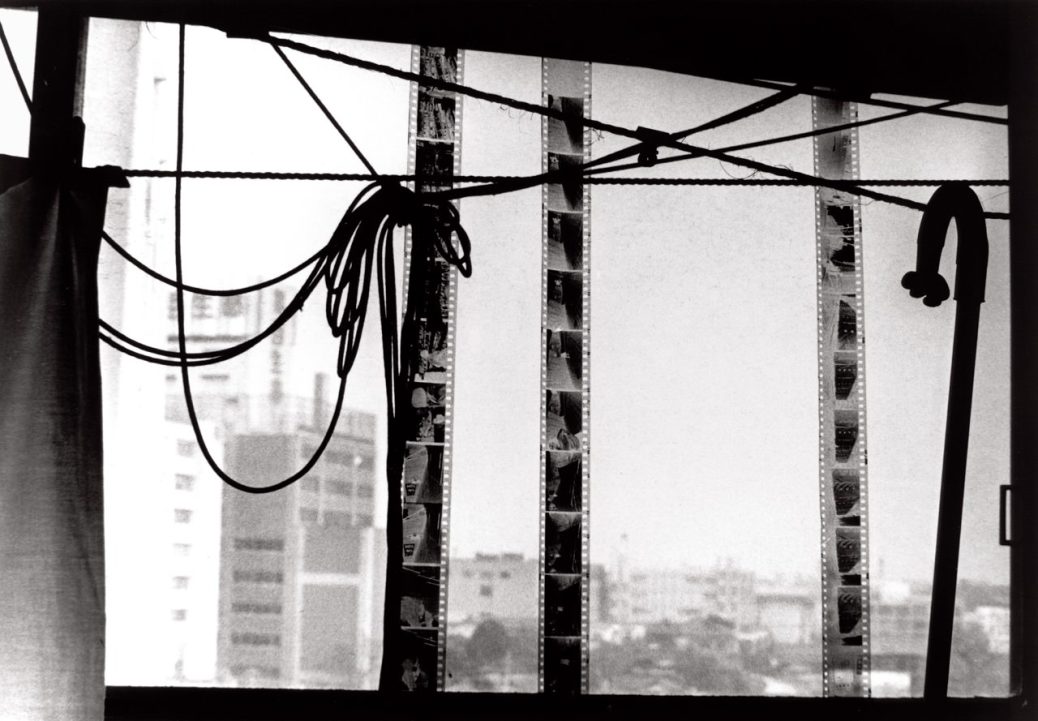
Daido Moriyama: Lettres d’amour à la photographie
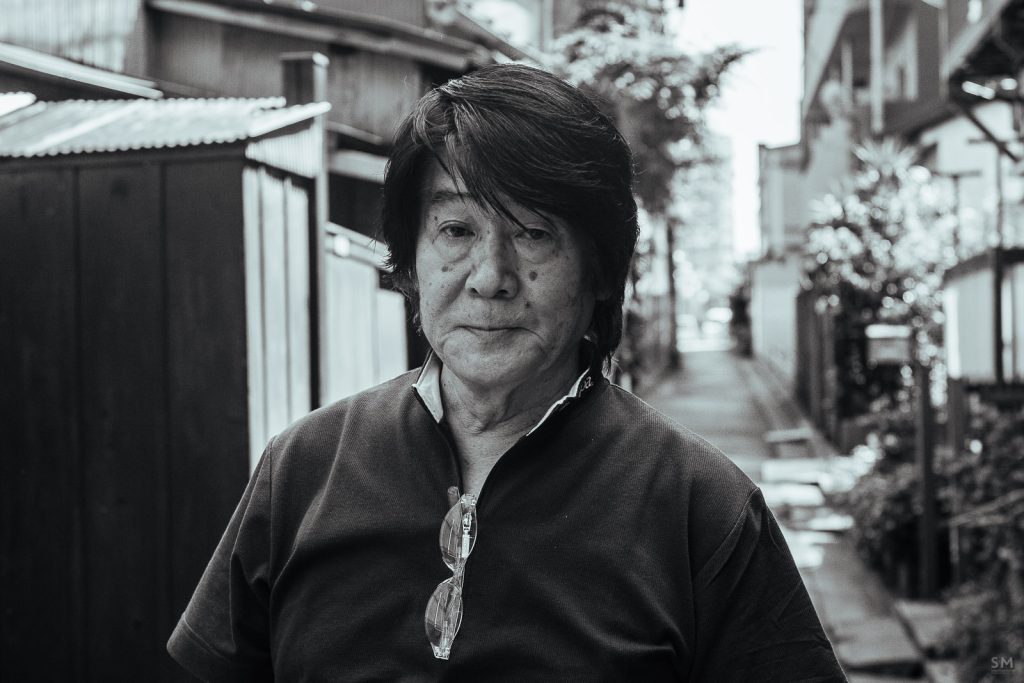
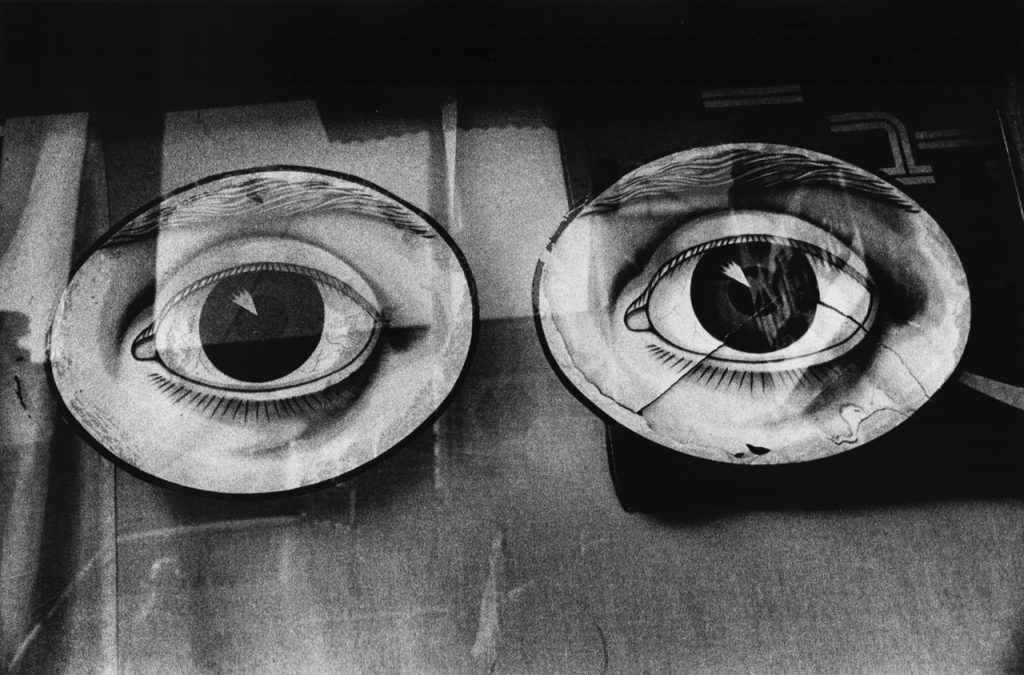
The Henri Cartier-Bresson Foundation presents Daido Moriyama: Lettres d’amour à la photographie, on view in Paris until October 4, 2026. Rather than offering a chronological survey of the Japanese photographer’s career, the exhibition examines a single idea that has shaped more than six decades of his work: his enduring relationship with photography itself.
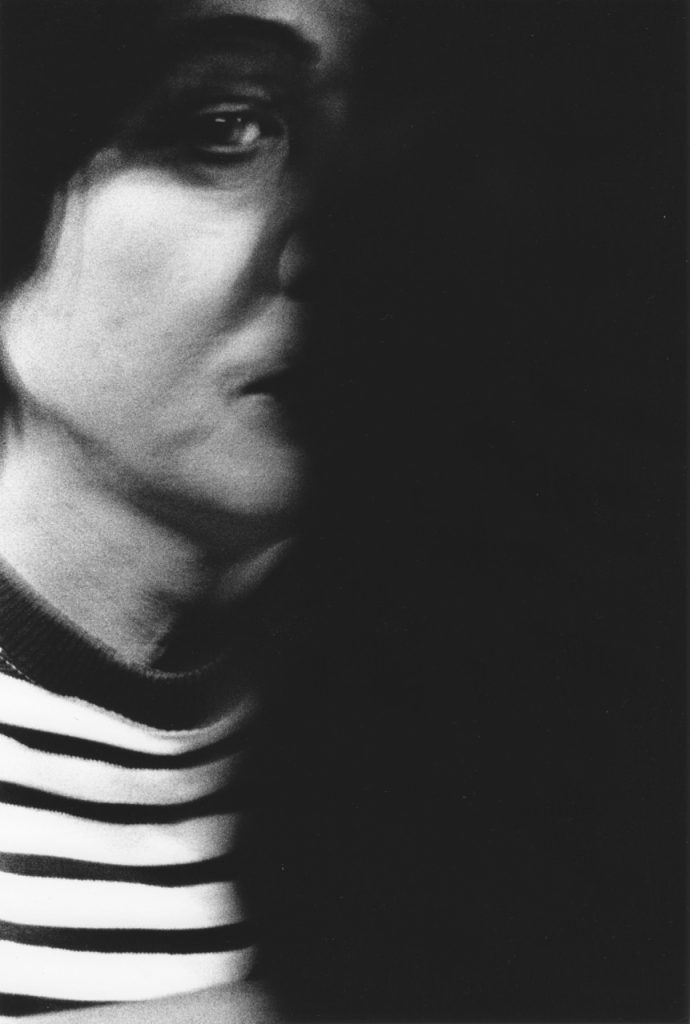
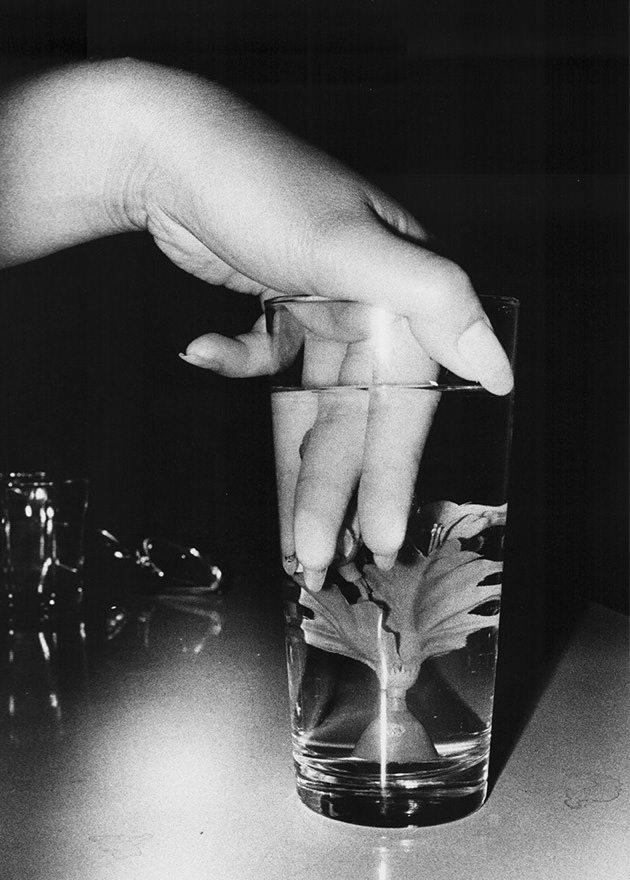
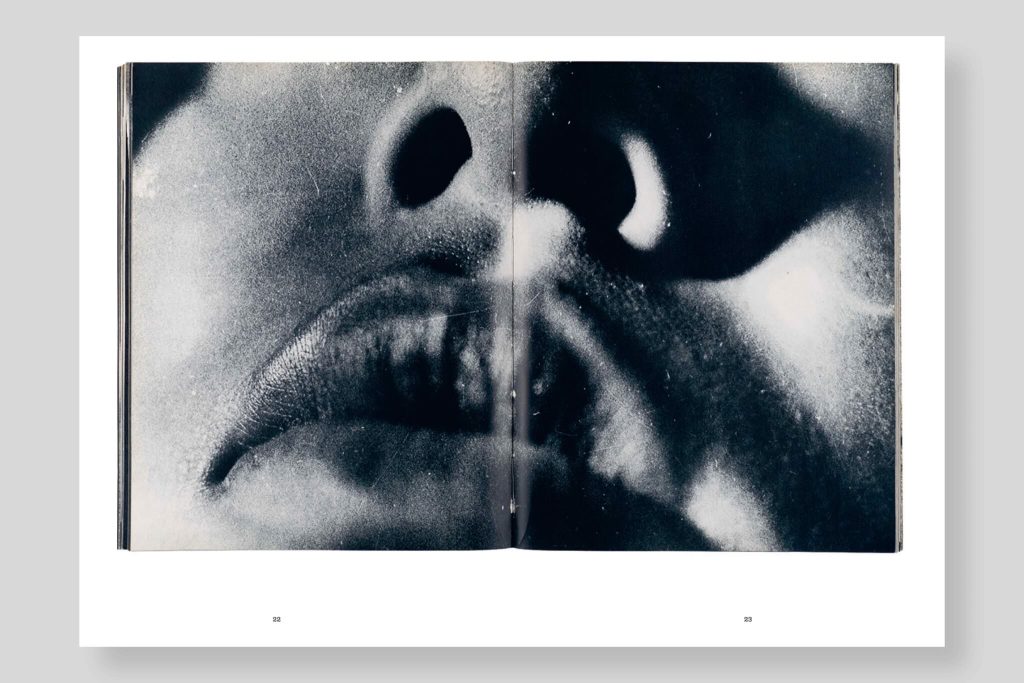
For Moriyama, photography has always been more than a means of documenting reality. Since the early 1960s, it has become the subject of an ongoing personal investigation, expressed not only through his images but also through books, essays, and theoretical writings. Throughout his career, he has repeatedly questioned the nature of the photographic medium, challenging its conventions and exploring its limits.
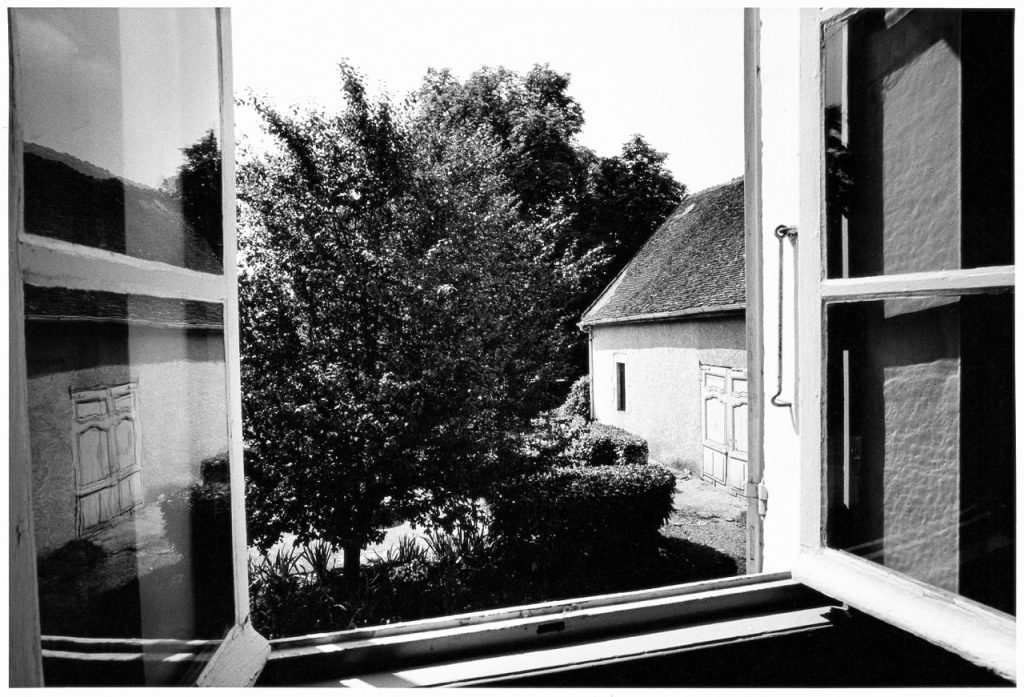
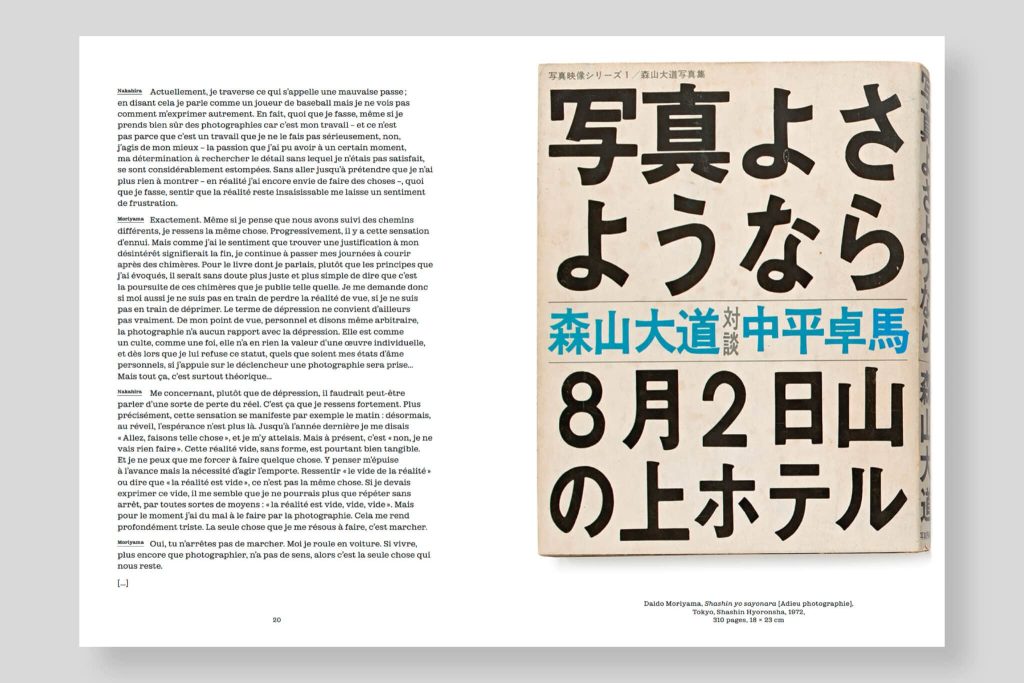
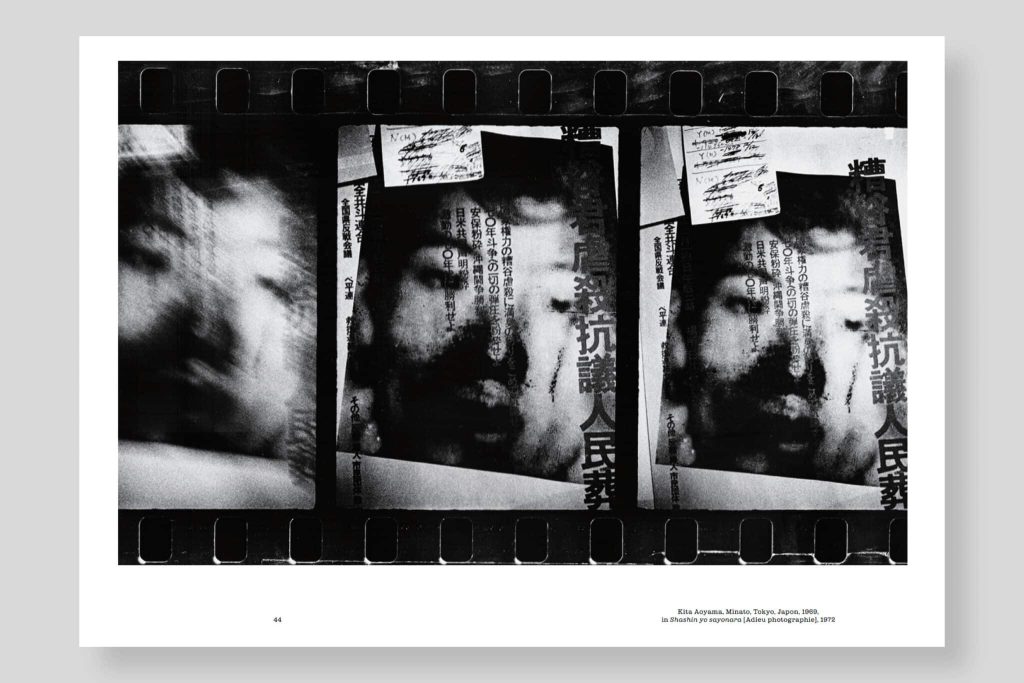
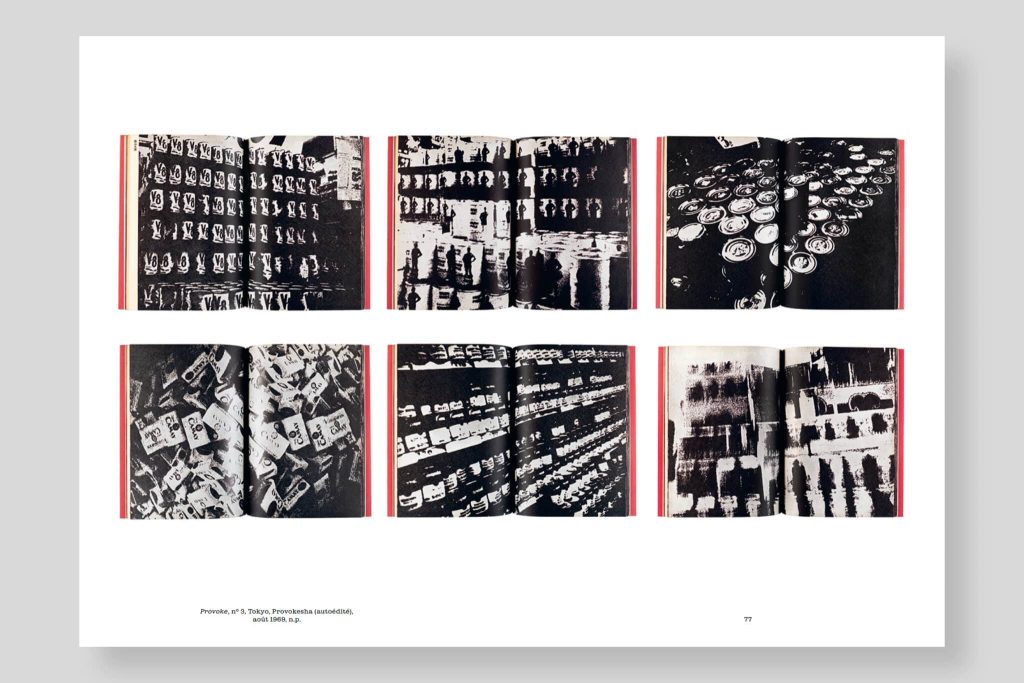
Curated by Clément Chéroux, Director of the Henri Cartier-Bresson Foundation, the exhibition brings together photographs, publications, archival material, and writings to reveal how photography itself has remained at the center of Moriyama’s artistic practice. Iconic projects such as Farewell Photography (1972), which radically challenged established photographic language, are presented alongside lesser-known works and texts that highlight his continuous dialogue with the medium. The exhibition also explores Moriyama’s long-standing fascination with Nicéphore Niépce and View from the Window at Le Gras, the earliest surviving photograph, a reference that has become a recurring point of reflection throughout his career.
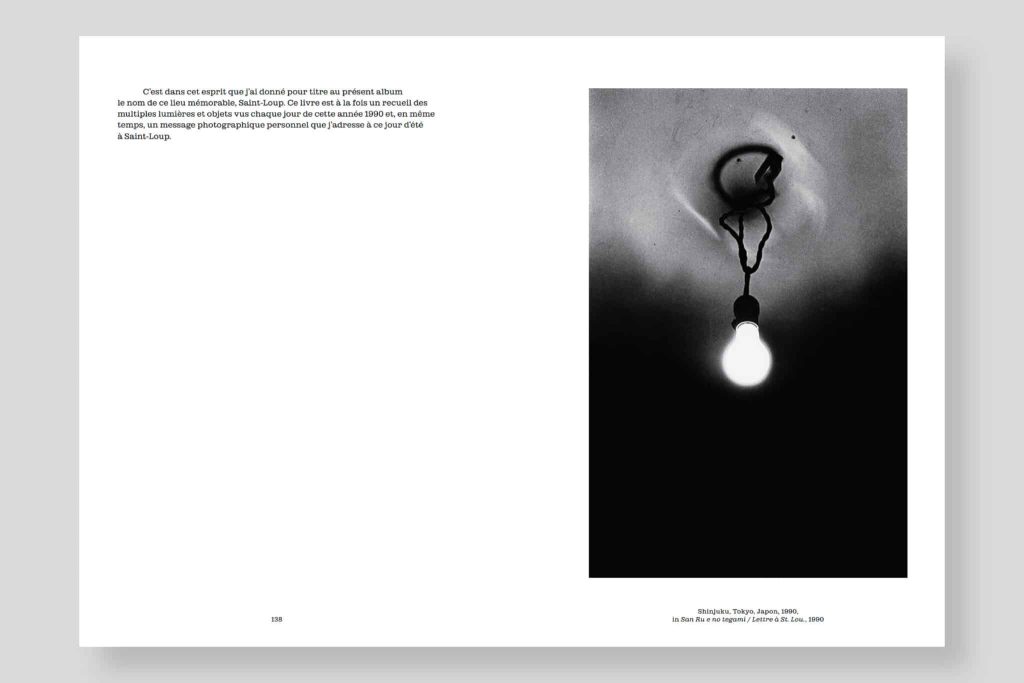
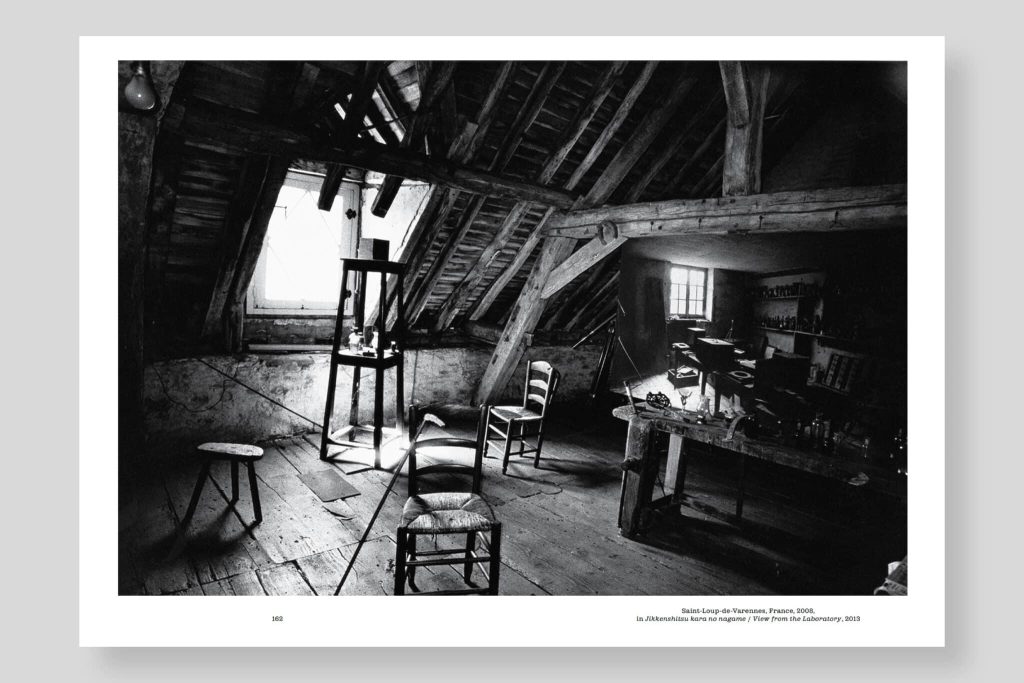
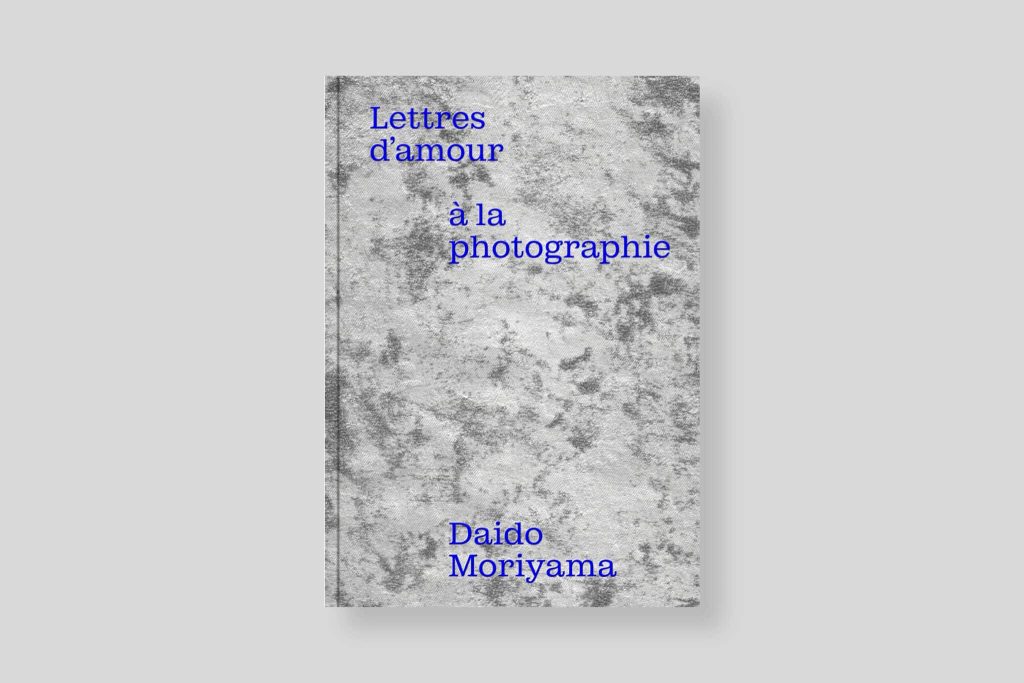
The exhibition is accompanied by the publication of Lettres d’amour à la photographie, released by Éditions Delpire in collaboration with the Henri Cartier-Bresson Foundation. Conceived as an extension of the exhibition, the volume combines a selection of photographs with numerous essays by Moriyama, many of them translated from Japanese into French for the first time. Alongside his images, the texts offer direct insight into his thinking on photography, revealing the intellectual dimension that has consistently accompanied his visual practice. A dedicated section focuses on his fascination with Niépce’s pioneering photograph, placing Moriyama’s work within a broader reflection on the origins and history of the medium.
About the Author
Born in Osaka in 1938, Daido Moriyama studied graphic design before moving to Tokyo in 1961, where he worked as an assistant to photographer Eikoh Hosoe. He began his independent career in 1964 and quickly emerged as one of the leading figures of postwar Japanese photography. His first photobook, Japan: A Photo Theater (1968), established his reputation, while Farewell Photography (1972) became one of the defining publications in the history of the medium. A member of the influential Provoke movement, Moriyama developed the distinctive are, bure, boke aesthetic,rough, blurred, and out of focus, which transformed street photography into a raw and intensely subjective experience. Since the 1970s, he has also incorporated silkscreen printing into both his books and exhibition works.
Moriyama’s international recognition was consolidated in 1974 when his work was included in New Japanese Photography at the Museum of Modern Art (MoMA) in New York, the first major exhibition in the West dedicated to contemporary Japanese photography. Today, with more than 180 publications and countless international exhibitions, he is widely regarded as one of the most influential photographers of the contemporary era.
Daido Moriyama: Lettres d’amour à la photographie
October 4, 2026
Henri Cartier-Bresson Foundation – Paris – France