
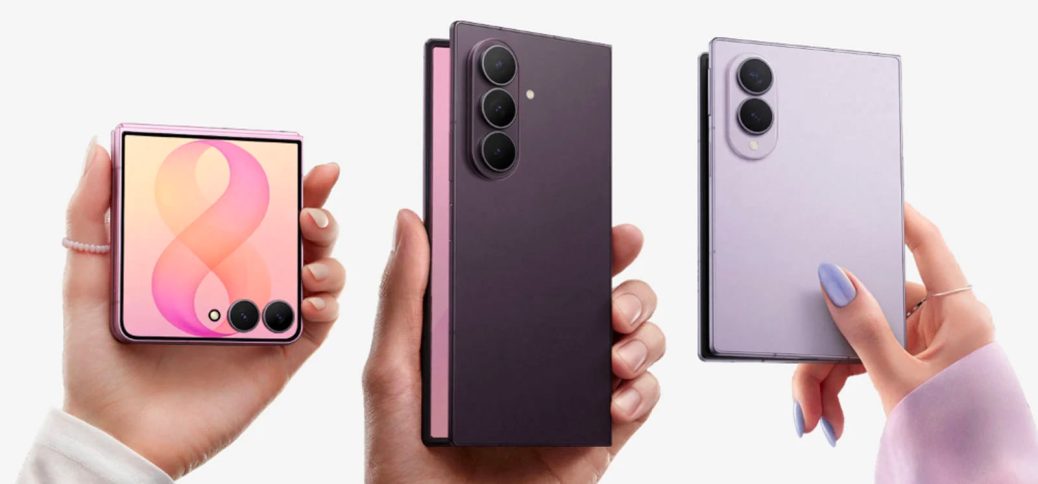
Samsung Unveils the Galaxy Z Fold8 Ultra
Samsung announced three new foldable smartphones at its July 2026 Unpacked event in London: the Galaxy Z Fold8 Ultra, the Galaxy Z Fold8, and the Galaxy Z Flip8. The headline product is the Z Fold8 Ultra, which introduces the “Ultra” tier to Samsung’s foldable lineup for the first time — a designation that, in Samsung’s product language, signals the highest-specification camera system, the largest battery, and the finest materials.
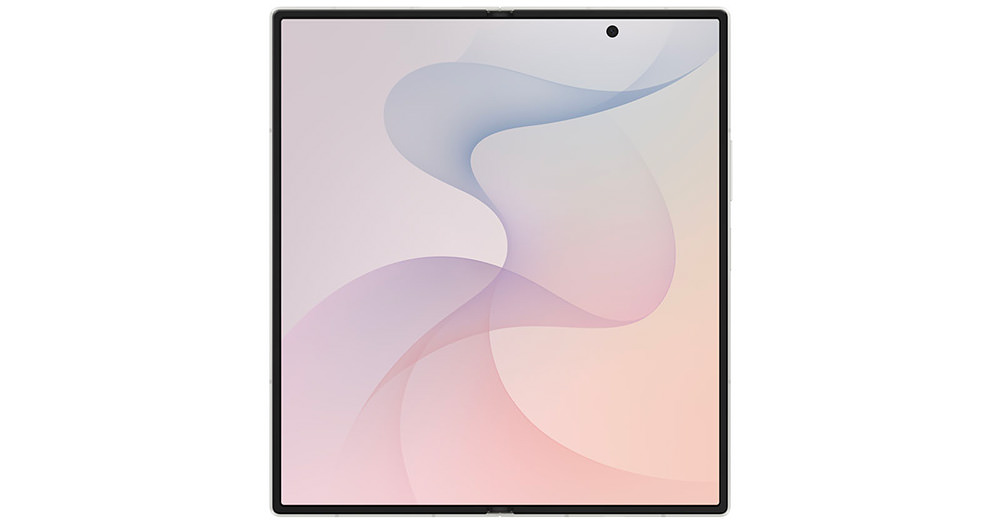
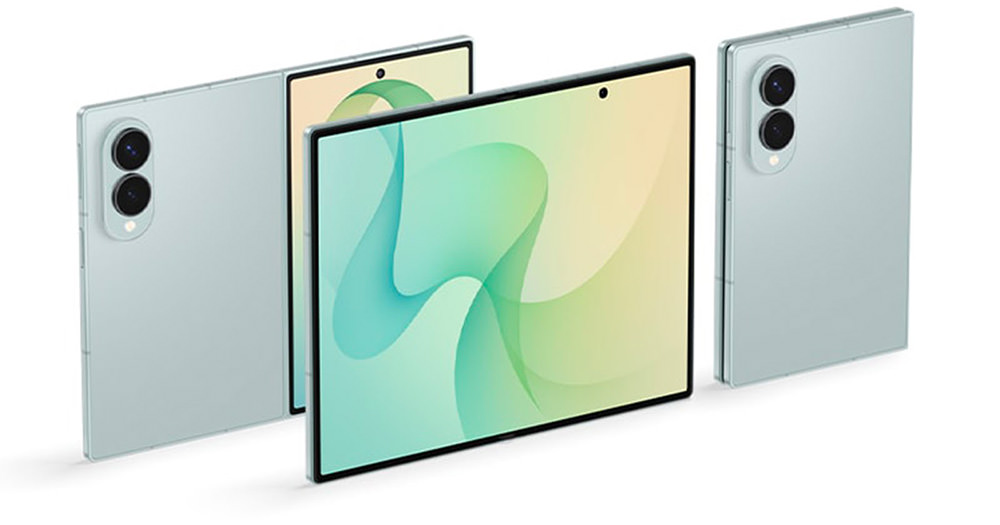
The Z Fold8 Ultra is built around a Snapdragon 8 Elite Gen 5 processor, runs Android 17, and features an 8.0-inch inner AMOLED display and a 6.5-inch cover screen, both at 120Hz. At 4.1mm when unfolded and 8.9mm when folded, it is Samsung’s thinnest foldable to date, weighing 215 grams. The body uses Flex Titanium technology for the display and Armor Aluminum for the frame, with Gorilla Glass Victus Ceramic 3 protection.
The rear camera system comprises three lenses: a 200-megapixel main sensor based on the HP2 imager — the same sensor found in the Galaxy S26 Ultra — at f/1.7 with optical image stabilization; a 50-megapixel ultra-wide at f/1.9 with autofocus, likely using a Sony IMX 858 sensor; and a 10-megapixel telephoto at f/2.2 with 3x optical zoom and optical image stabilization. Two 10-megapixel f/2.2 selfie cameras serve the cover and inner displays respectively. The 200-megapixel mode now supports HDR capture for improved dynamic range in high-resolution stills, and the South-Korean company has also integrated 2x lossless zoom using a center crop of the 200-megapixel sensor, producing an optically equivalent result to a dedicated 2x lens. All cameras support 4K 60fps video with HDR10+ and Super HDR.
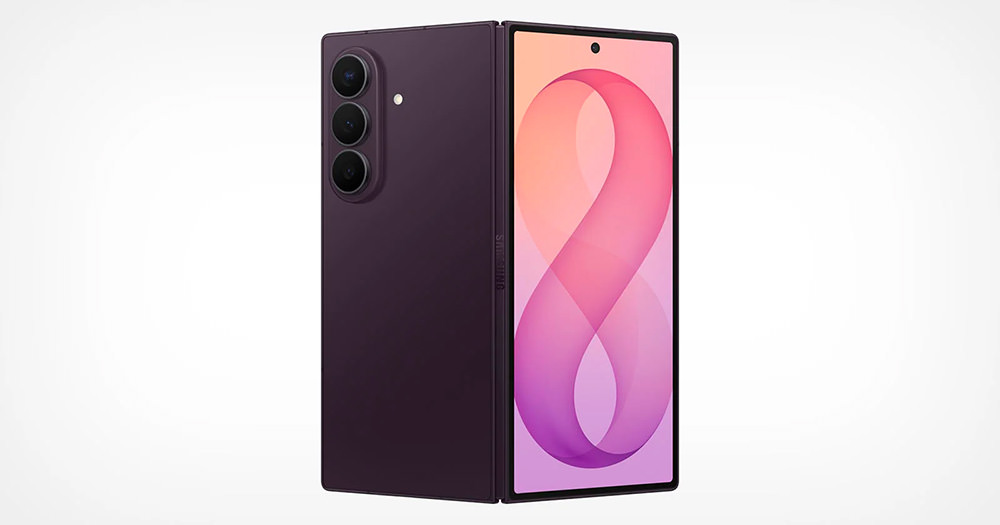
The primary camera gap between the Z Fold8 Ultra and the Galaxy S26 Ultra remains the absence of a fourth 50-megapixel periscope telephoto lens — a consequence of the physical constraints of the foldable form factor that Samsung has not been able to overcome in this generation. The S26 Ultra also uses a slightly faster f/1.4 aperture on its main camera versus the f/1.7 of the foldable.
For video, the Z Fold8 Ultra records up to 8K and introduces support for the APV codec alongside a Cine LUT option that allows users to preview a cinematic color grade in Pro Video mode before recording. Samsung’s ProVisual Engine has been updated with improvements to noise reduction, stabilization, and low-light color processing. The 5,000mAh silicon-carbon battery is the largest ever fitted to a Z Fold device.
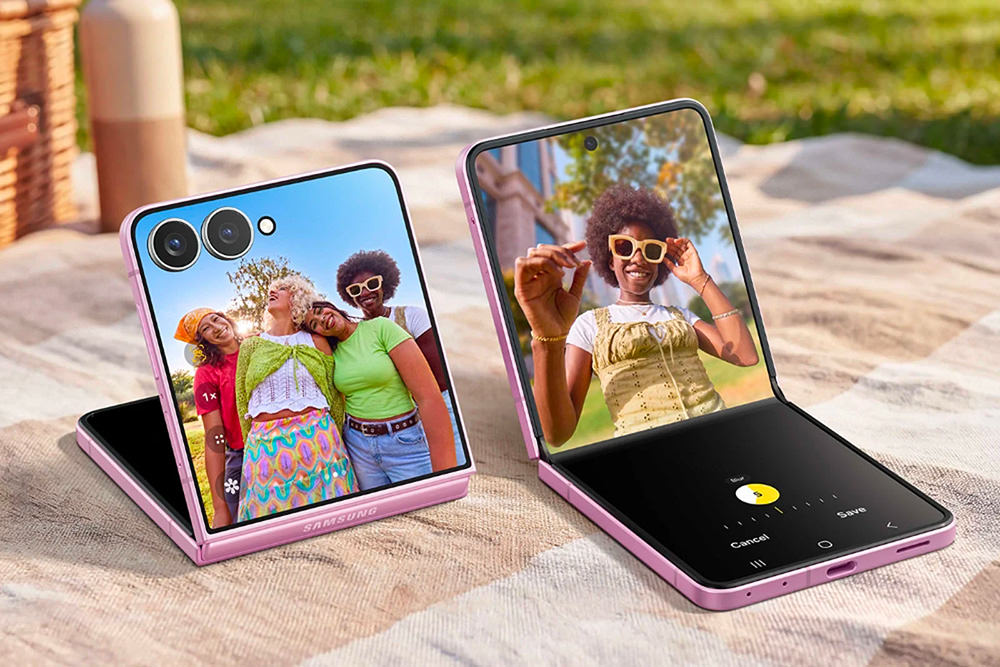
The standard Z Fold8 adopts a wider, shorter form factor with a 7.6-inch inner display and a 5.5-inch cover screen. Its camera system is reduced to two rear cameras: a 50-megapixel main sensor with 2x optical zoom and a 50-megapixel ultra-wide, with no telephoto. The Z Flip8 carries a 50-megapixel main camera and a 12-megapixel ultra-wide on the rear, with a 10-megapixel inner selfie lens. Both the Z Fold8 and Z Fold8 Ultra support 8K video recording.
The Z Fold8 Ultra is now available, starting at $2,099 for 256GB and €2,199 in Europe, rising to $2,699 / €2,799 for the 1TB model. The Z Fold8 starts at $1,899 and the Z Flip8 at $1,199.