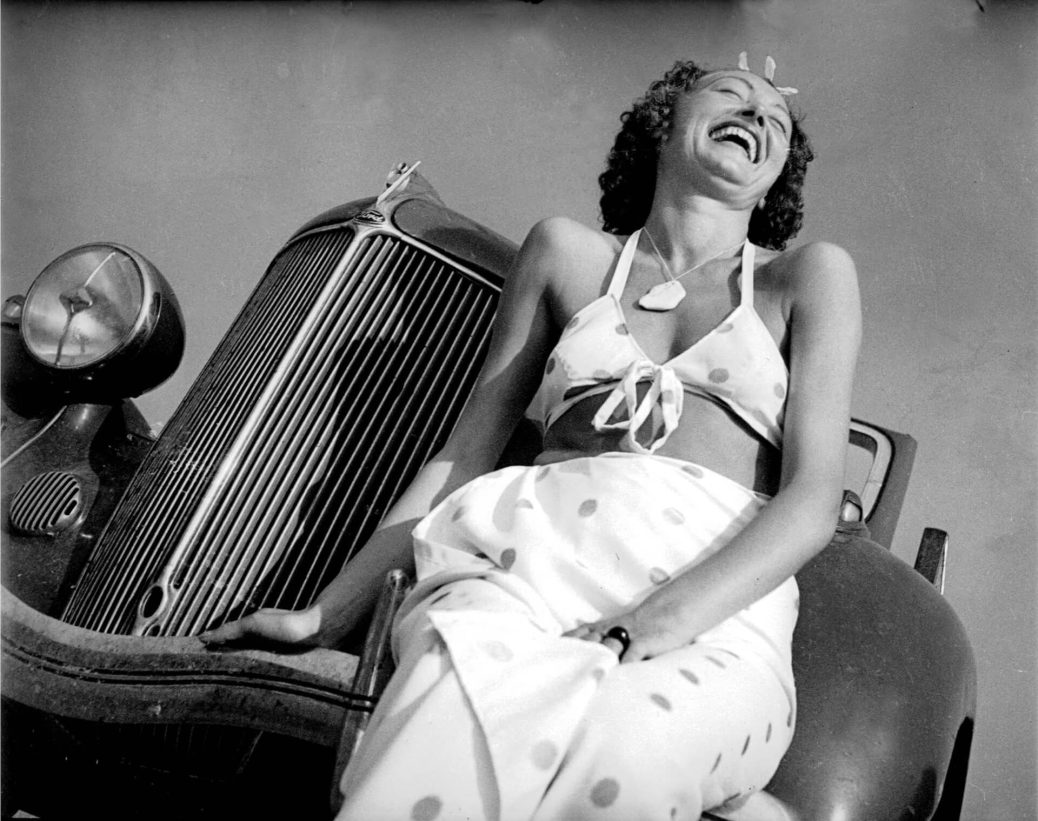
Lee Miller. Works 1930–1955
The Museo Civico San Domenico in Forlì presents Lee Miller. Works 1930–1955, a major exhibition dedicated to the American photographer whose career spanned Surrealism, fashion, portraiture and war reportage. Curated by Walter Guadagnini, the exhibition brings together more than 160 photographs from the Lee Miller Archives, including many rarely seen works, tracing the evolution of an artist who continually reinvented herself.
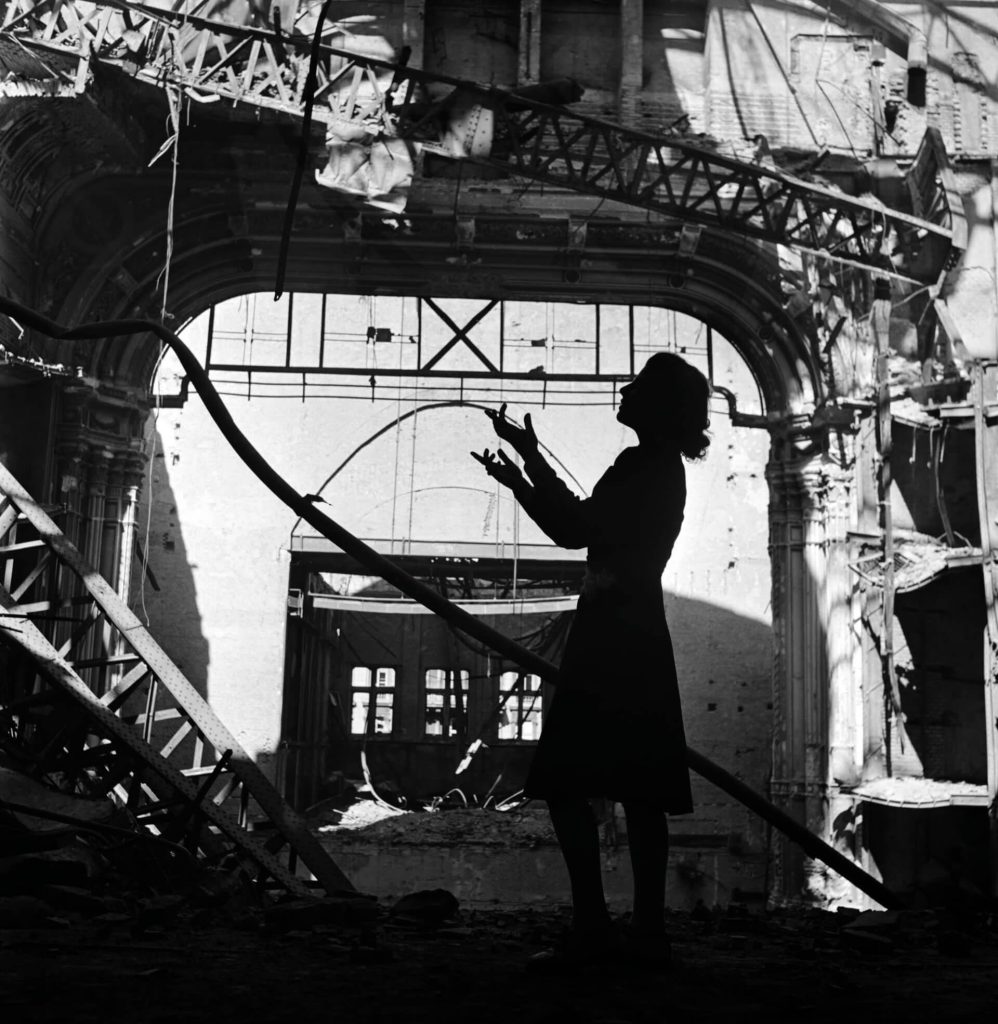
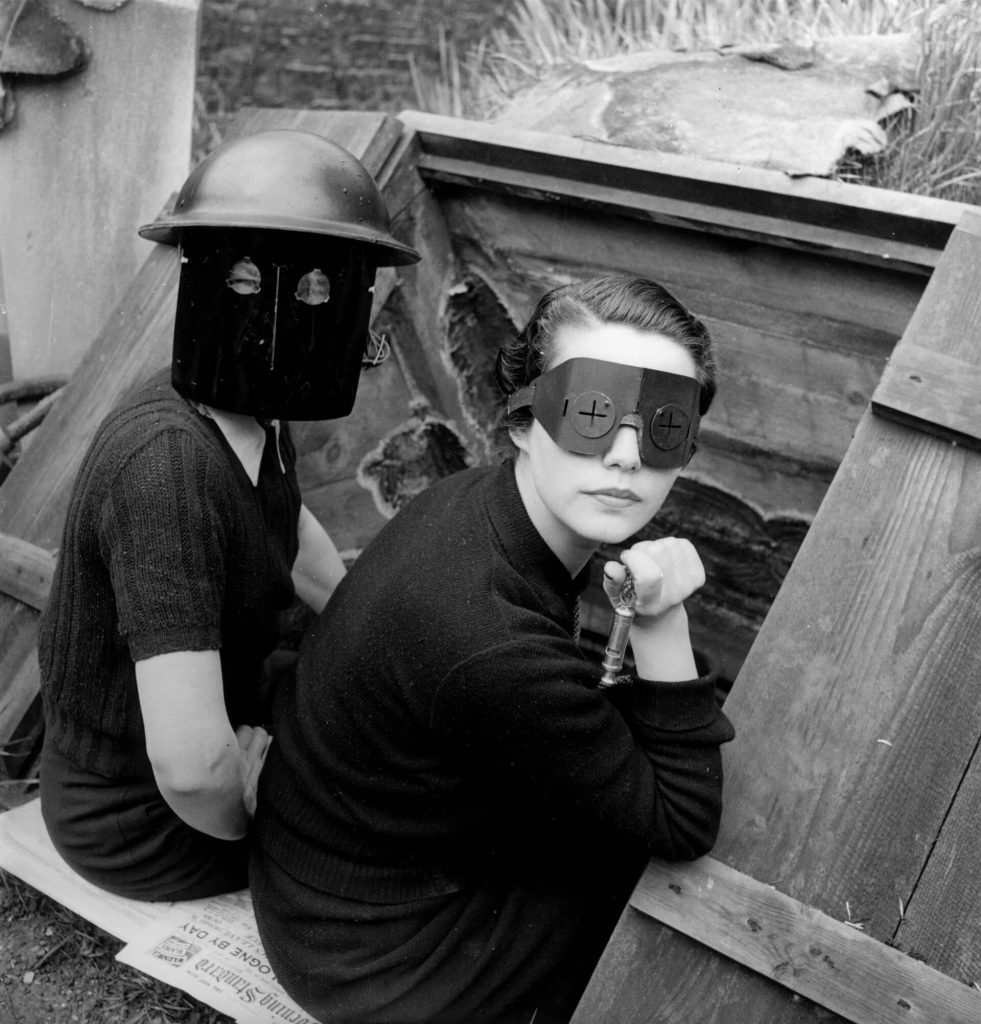
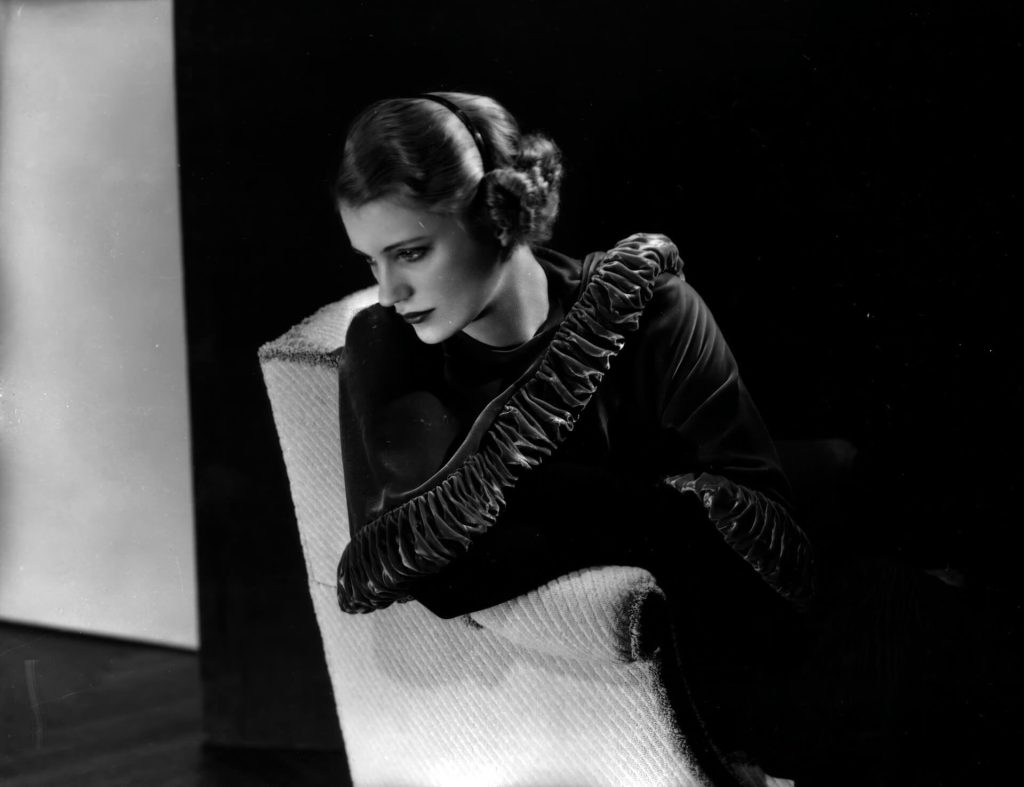
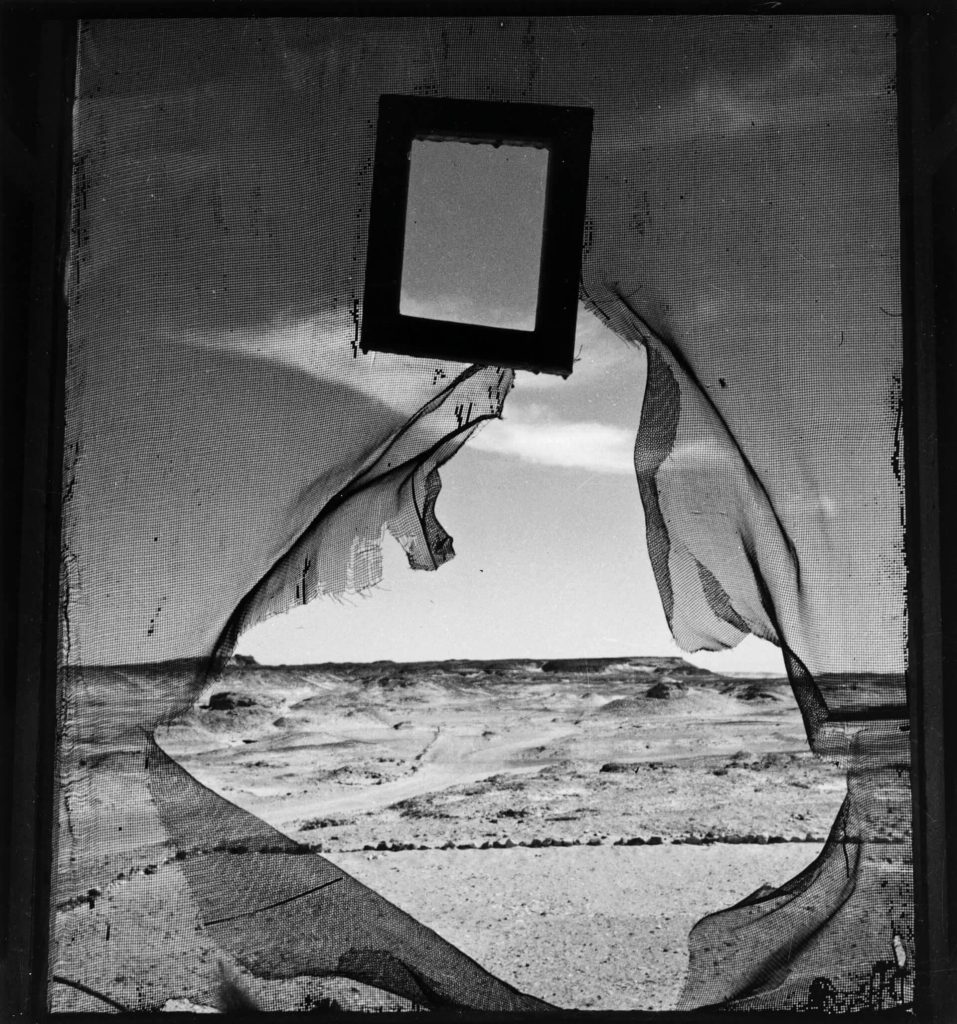
Organised chronologically, the exhibition begins with Miller’s years in Paris between 1929 and 1932, when she worked alongside Man Ray and became closely involved with the Surrealist movement. Photographs such as Impasse des Deux Anges, Exploding Hand and Coiffure reveal her fascination with unusual perspectives, unexpected associations and experimental techniques, including solarisation. The exhibition then follows her return to New York, where she established a successful fashion and portrait studio, and her subsequent move to Egypt in 1934. During her years in Cairo, Miller turned her attention to landscape photography, creating enigmatic images such as Portrait of Space (1937), in which everyday surroundings take on a distinctly Surrealist quality. After returning to Europe, Miller settled in London in 1939 and began working for British Vogue. Her photographs of the city during the Blitz combined fashion, documentary observation and an often unsettling sense of humour. This period marked the beginning of her transition towards photojournalism, which would become central to her work during the Second World War.
As an accredited war correspondent, Miller followed Allied forces across Europe, documenting military operations, devastated cities and the collapse of Nazi Germany. Her photographs of the concentration camps at Dachau and Buchenwald in 1945 remain among the most powerful images of her career. Published in Vogue alongside her own written reports, these photographs also established her reputation as a journalist.
The final section explores her postwar years, including photographs taken in Italy during the Venice Biennale, portraits of artists such as Peggy Guggenheim and Giorgio Morandi, and her last fashion assignments in Sicily. The exhibition concludes with more intimate images from Farleys, her home in Sussex with Roland Penrose, where she photographed visiting artists and friends with the same wit and curiosity that characterised her earlier work.
Accompanied by reproductions of original magazine pages and a catalogue published by Dario Cimorelli Editore, the exhibition offers a comprehensive view of Miller’s photographic legacy, revealing the connections between her artistic experiments, commercial assignments and documentary work.
The exhibition is promoted by the Fondazione Cassa dei Risparmi di Forlì with the Municipality of Forlì, in collaboration with CAMERA – Centro Italiano per la Fotografia.
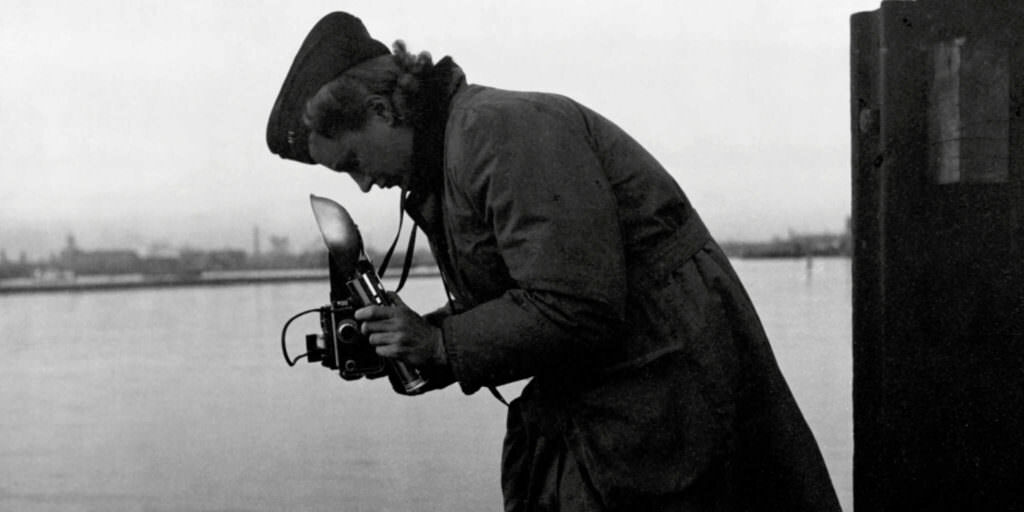
About the Author
Elizabeth Lee Miller was born in Poughkeepsie, New York, in 1907. She began her career as a fashion model in the United States before moving to Paris in 1929 to pursue photography. There, she became the assistant, collaborator and partner of Man Ray, with whom she explored experimental photographic techniques, particularly solarisation.
During her time in Paris, Miller developed close relationships with leading figures of the Surrealist movement, including Pablo Picasso, Max Ernst and Paul Éluard. She also worked as a fashion photographer and appeared in Jean Cocteau’s film Le Sang d’un poète.
In 1932, she returned to New York and opened a successful photography studio, producing portraits and fashion images for clients including Vogue. Two years later, she married Egyptian businessman Aziz Eloui Bey and moved to Cairo, where she turned her attention to landscape photography. Her work from this period, including Portrait of Space (1937), reflects her continuing interest in Surrealist imagery.
Miller returned to Europe in 1937, where she met British artist and collector Roland Penrose. She moved to England in 1939 and began working for British Vogue, initially photographing fashion and civilian life during the war.
In 1942, she received accreditation as a war correspondent for the United States Army. She subsequently travelled through Europe with Allied troops, photographing military operations, liberated cities and the aftermath of Nazi occupation. Her reporting from Dachau and Buchenwald in 1945 remains an essential part of her photographic legacy.
After the war, Miller married Roland Penrose in 1947 and gradually abandoned her professional photographic career. They settled at Farleys in East Sussex, where she maintained friendships with many of the artists she had known throughout her life.
Lee Miller died in 1977, leaving behind an extensive body of work that continues to be recognised for its originality, technical experimentation and historical significance.
Lee Miller. Works 1930–1955
October 10, 2026 – January 10, 2027
Museo Civico San Domenico, Forlì, Italy
More info: