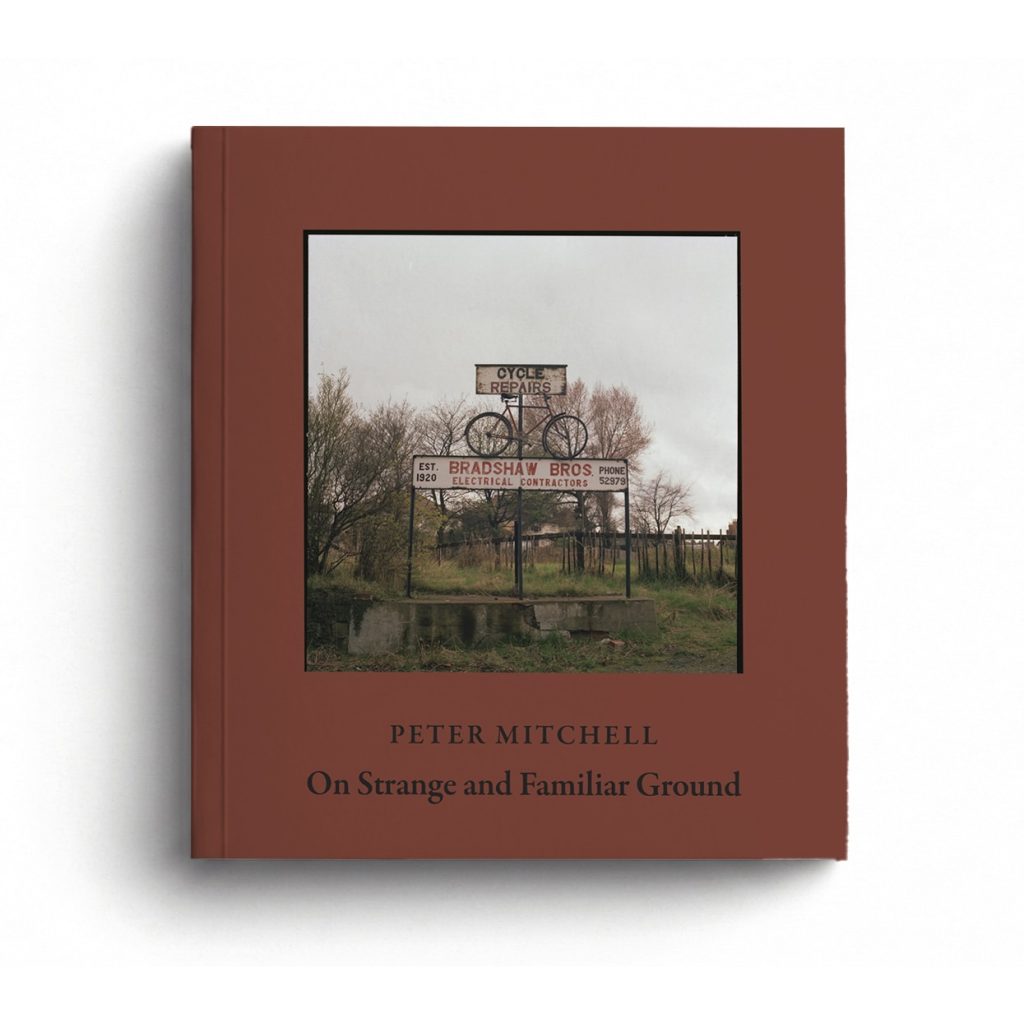
Peter Mitchell: On Strange and Familiar Ground
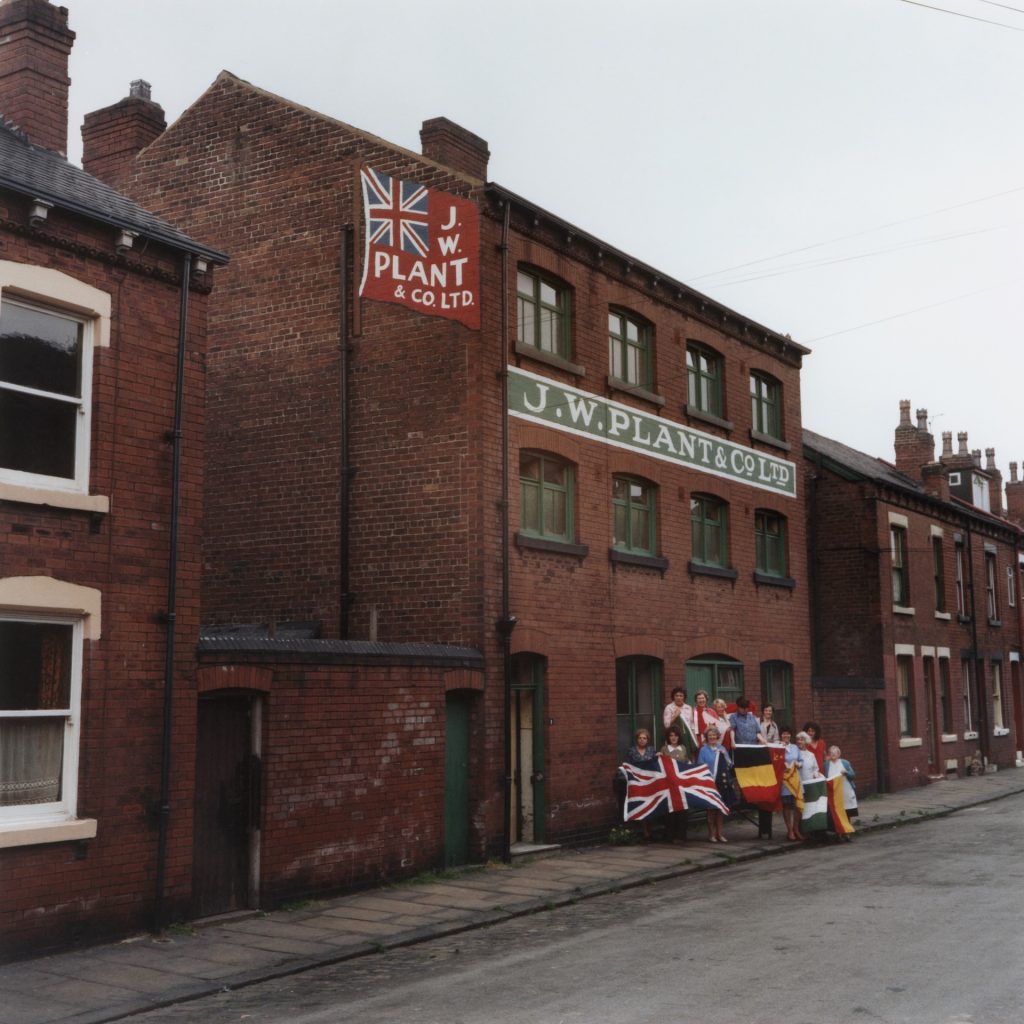
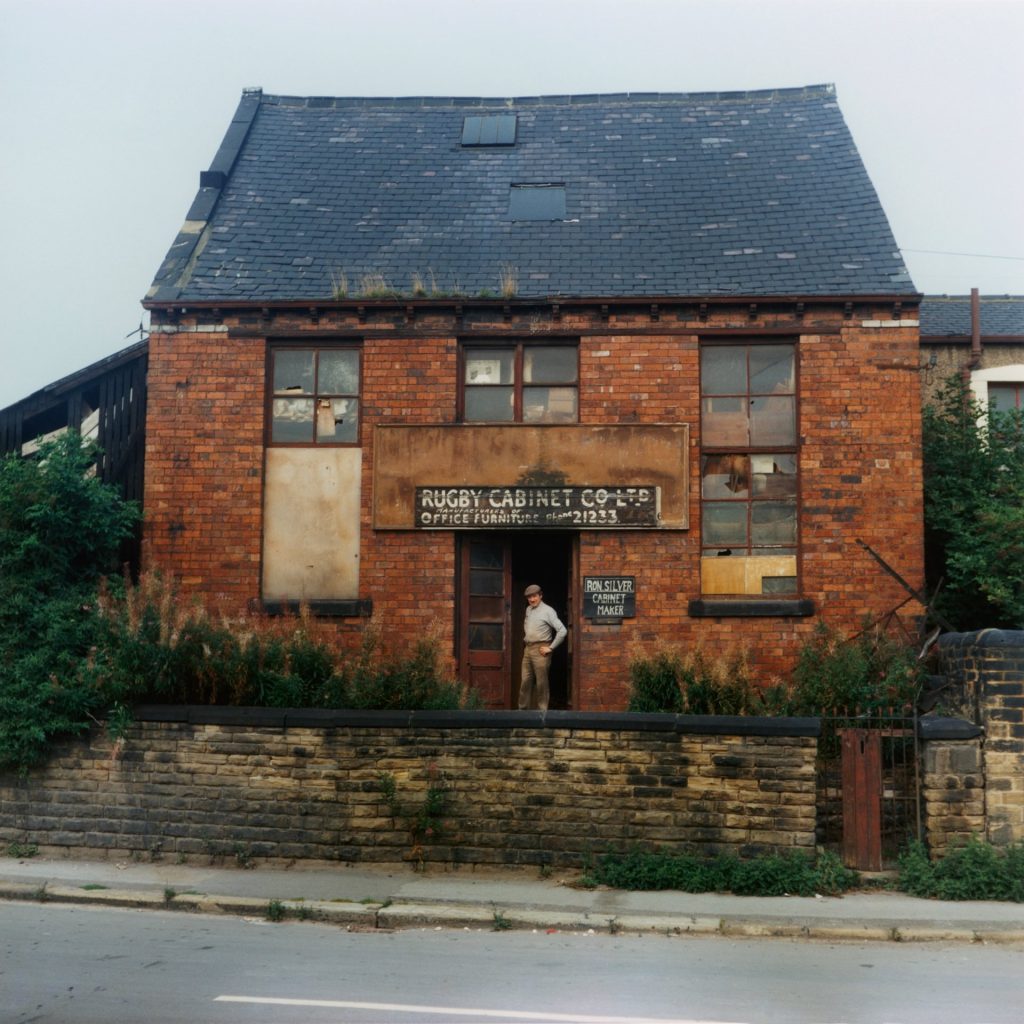
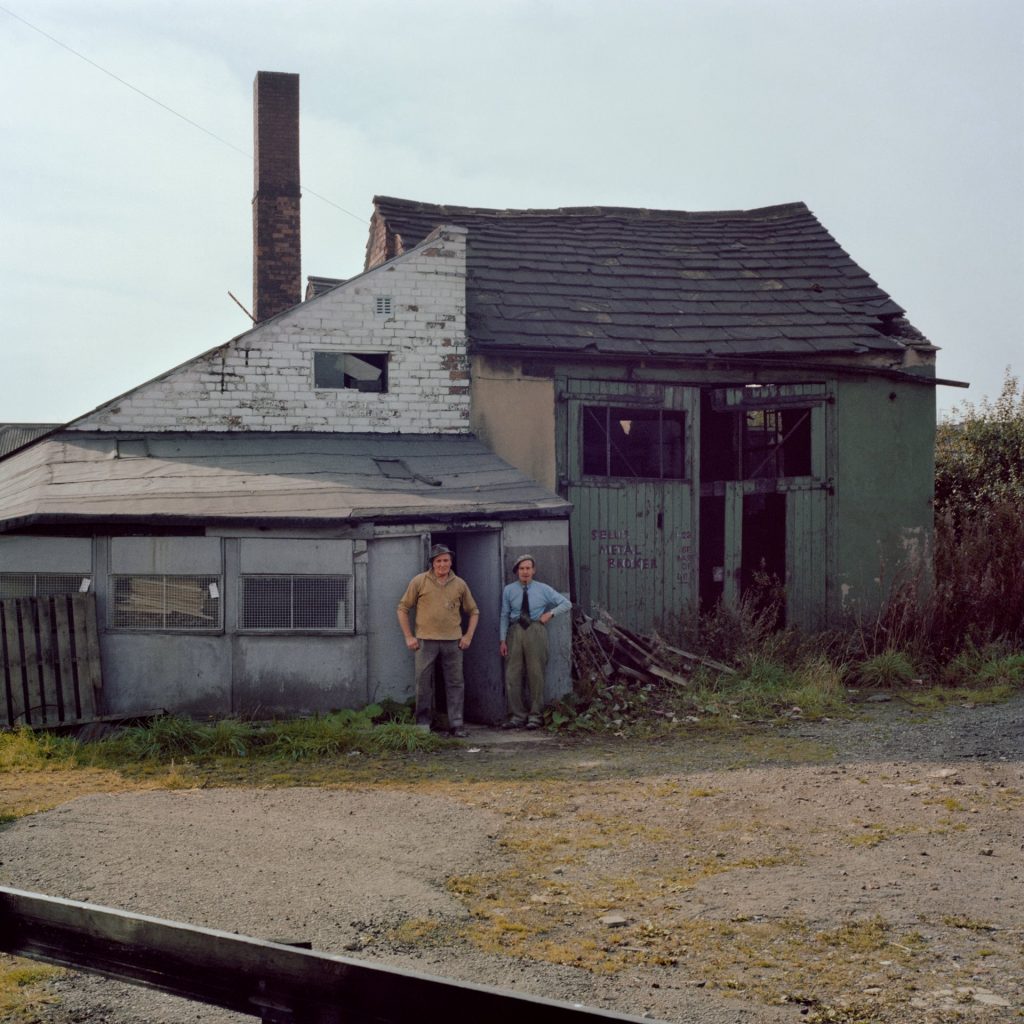
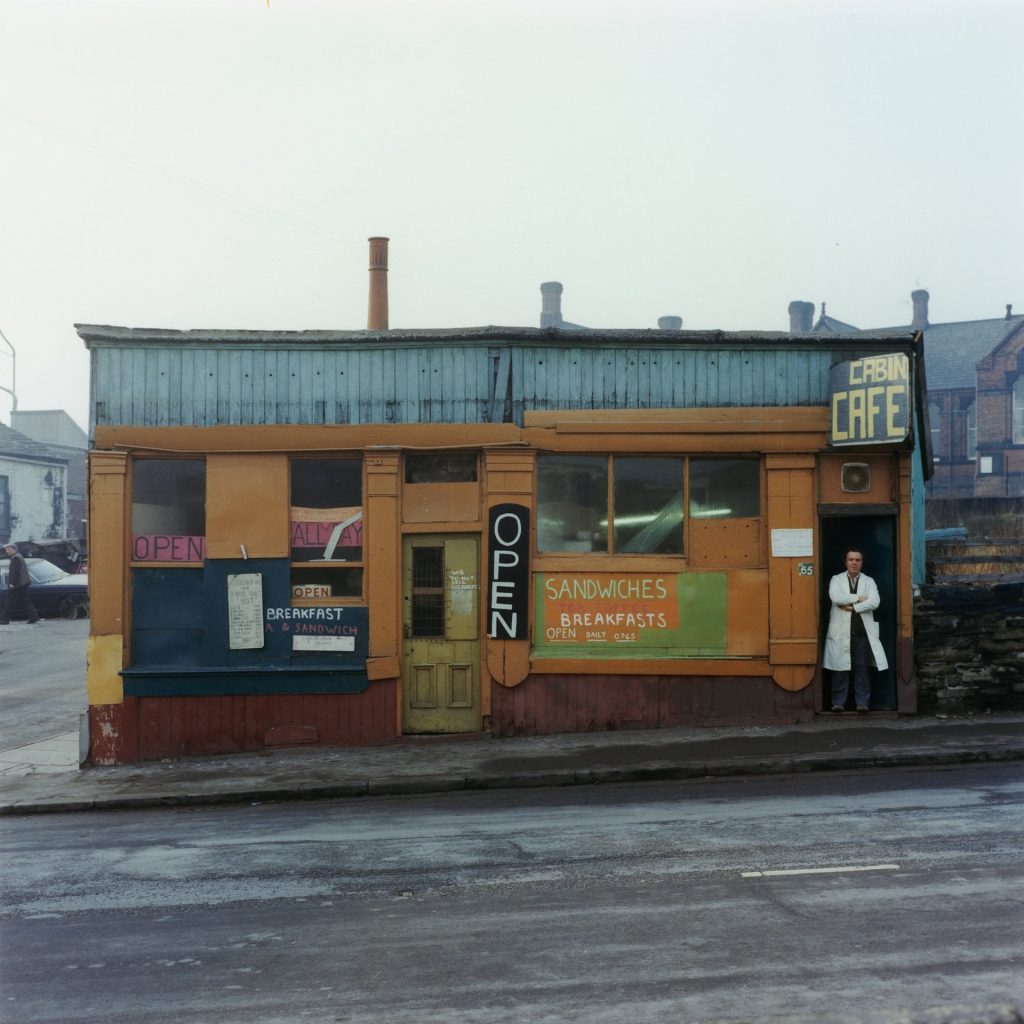
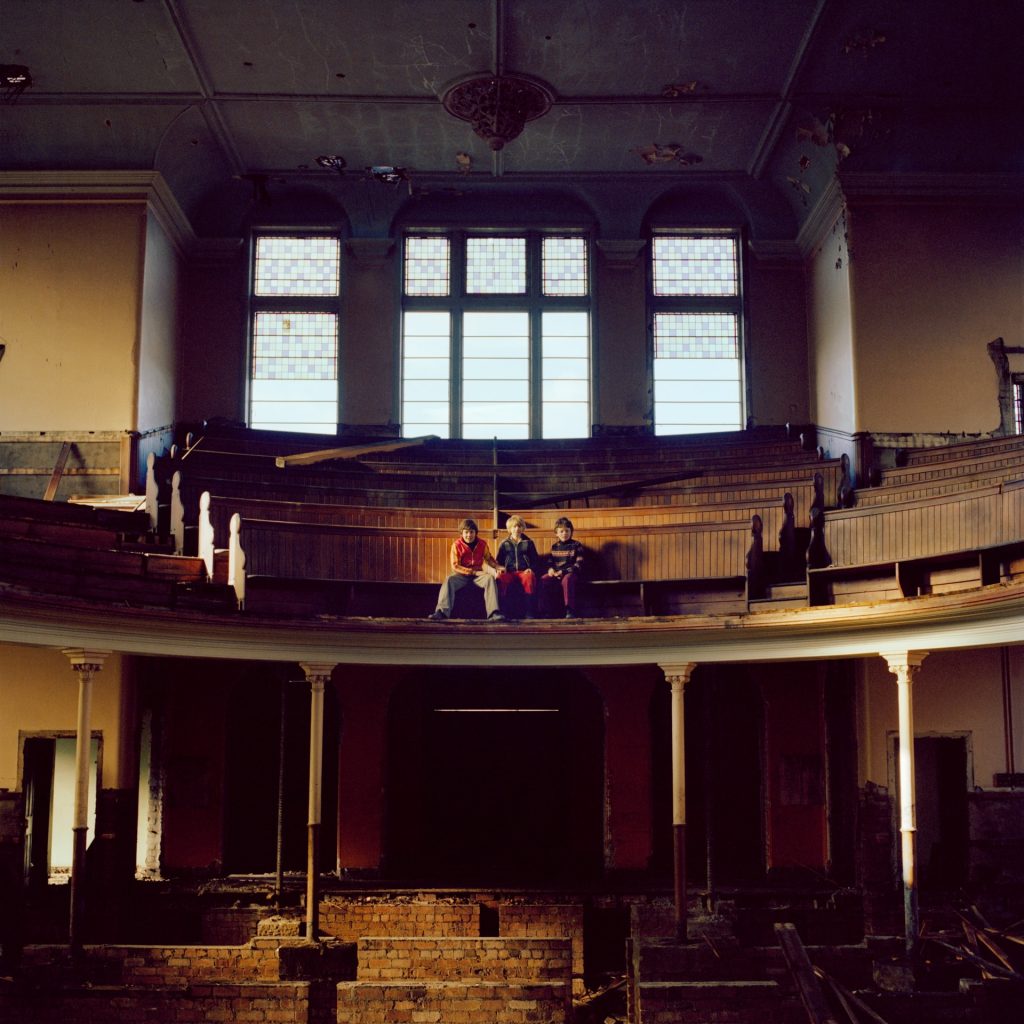
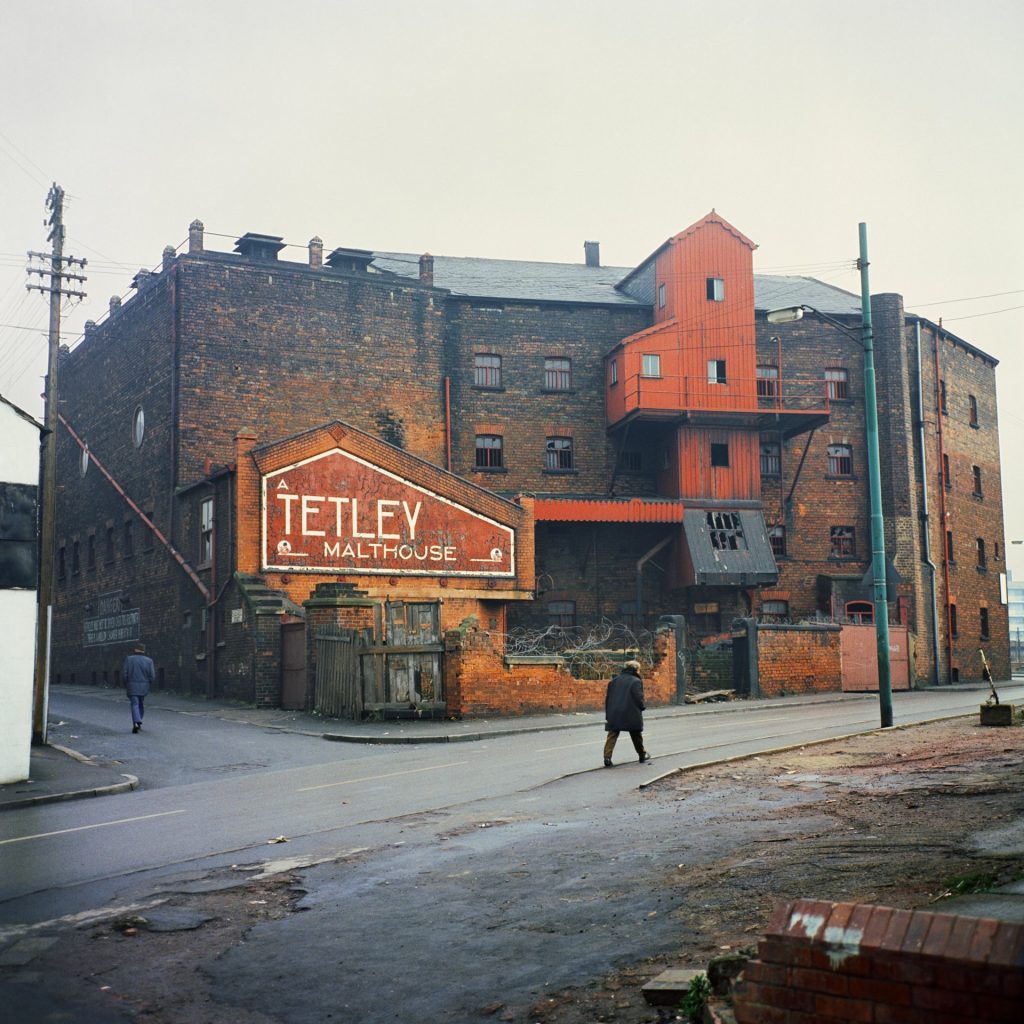
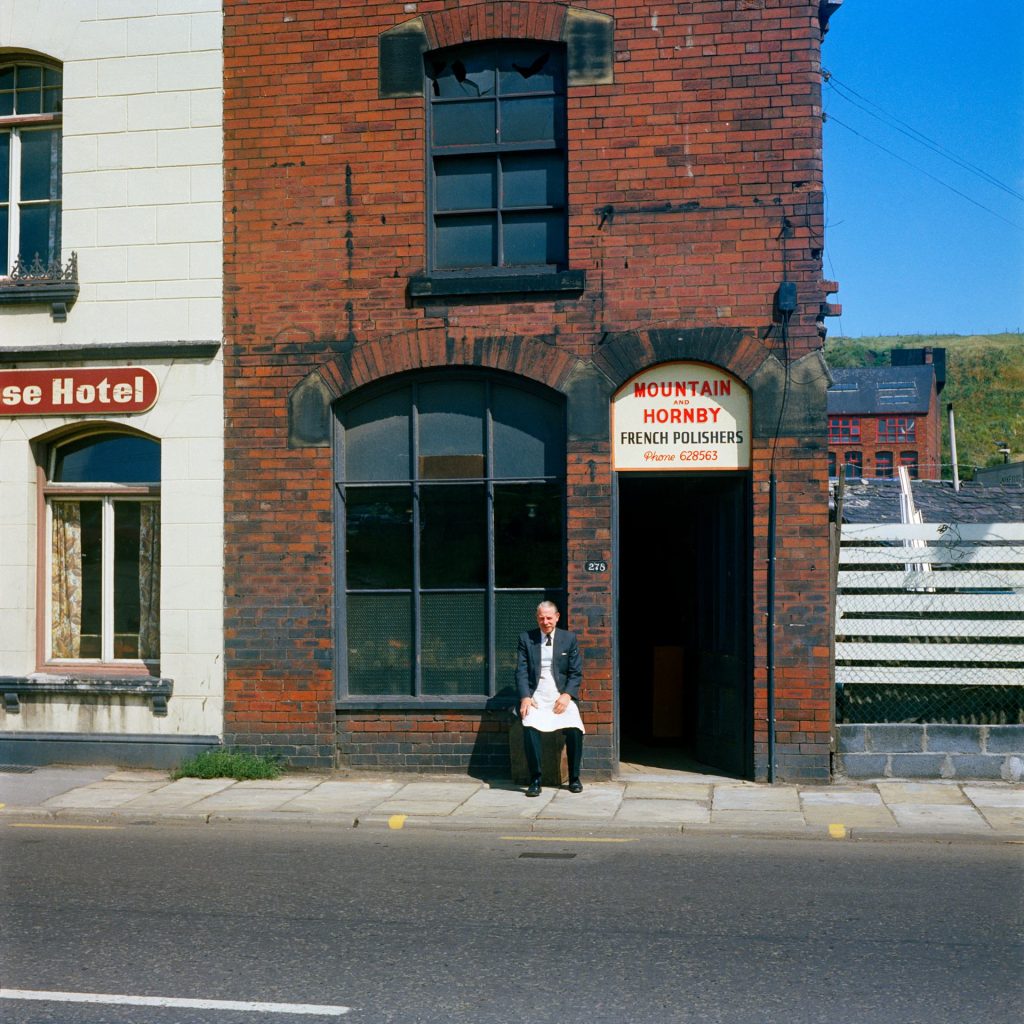
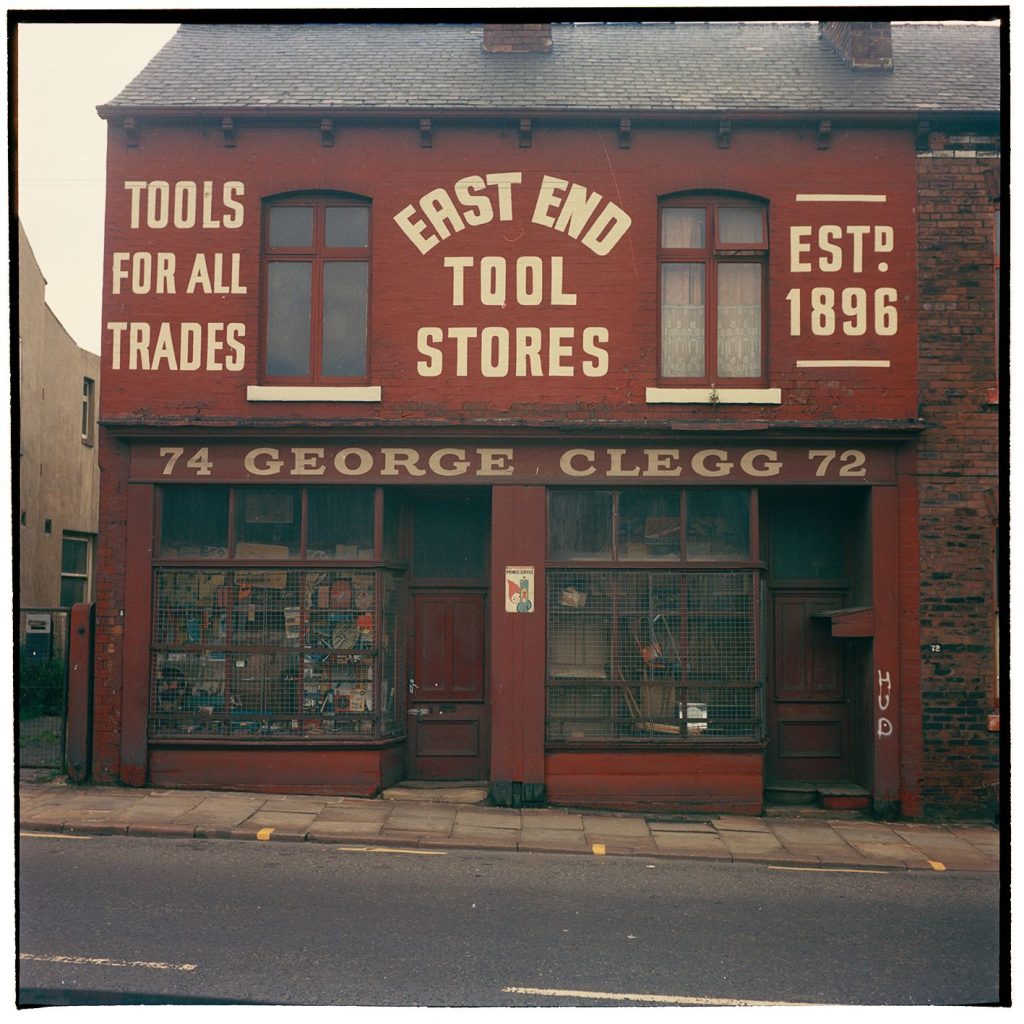
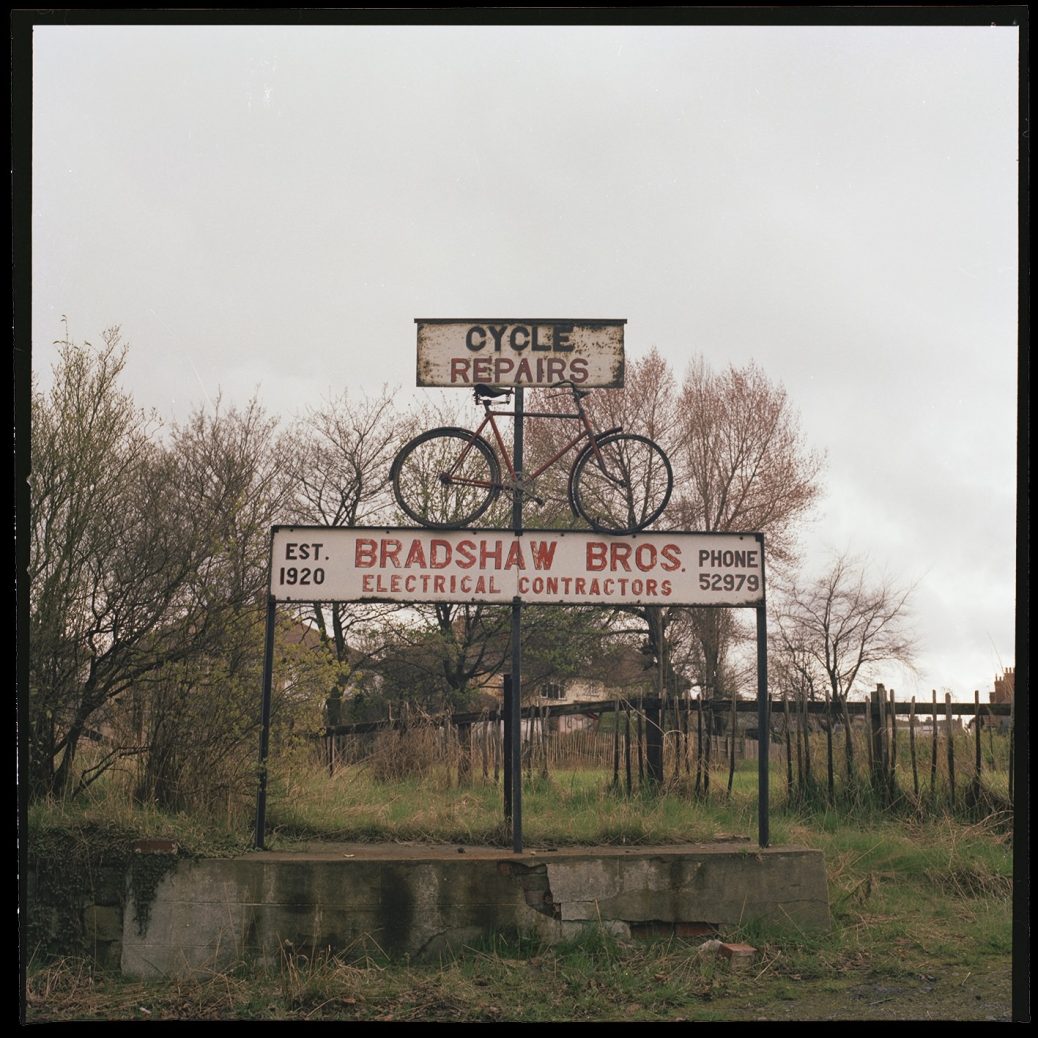
In On Strange and Familiar Ground, British photographer Peter Mitchell returns to the streets of Leeds, revisiting the people, buildings and neighbourhoods he documented during the 1970s. Published by RRB Photobooks and AB Editions, the volume brings together 47 photographs originally selected by Martin Parr for Strangely Familiar, the now out-of-print monograph published by Nazraeli Press in 2013, alongside previously unpublished and rarely seen images from Mitchell’s archive. During the 1970s, Mitchell worked as a delivery driver in Leeds, using the time between deliveries to photograph the city. His subjects were ordinary places and the people who inhabited them: shopkeepers standing outside their businesses, factory entrances, cafés, scrapyards and rows of terraced houses awaiting demolition. Working with a medium-format camera, often positioned on a stepladder, he developed a distinctive approach to portraiture and urban photography, combining carefully composed images with an unmistakable affection for his surroundings. What emerges from these photographs is a portrait of a city undergoing profound transformation. Mitchell recorded a working-class Leeds whose familiar streets and independent businesses were gradually disappearing, capturing details of everyday life that might otherwise have passed unnoticed. His photographs are neither nostalgic celebrations of the past nor detached records of urban decline. They reveal a personal relationship with a place and its inhabitants, shaped by years of observation and a quiet awareness of change.
In 1979, Mitchell presented A New Refutation of the Viking 4 Space Mission at Impressions Gallery in York, a landmark exhibition that helped establish colour photography within British documentary practice. Combining photographs of Leeds with the imagined perspective of an extraterrestrial visitor, the exhibition challenged prevailing ideas about what documentary photography could be. Despite its originality, Mitchell’s work remained relatively overlooked for decades before gaining wider recognition in the twenty-first century.
On Strange and Familiar Ground offers a fresh opportunity to reconsider this important body of work. Newly scanned and remastered from the original archive, the photographs are accompanied by Martin Parr’s original introduction, placing familiar images in dialogue with previously unseen material. Together, they form a record of a city that has changed beyond recognition, while preserving the individual lives and everyday details that once defined it.
For Mitchell, Leeds has become more than the city he photographed. It is the place where he built his life and developed a visual language rooted in familiarity, curiosity and the passing of time. Looking back at these images today, the streets and faces may have disappeared, but their stories remain.
About the Author
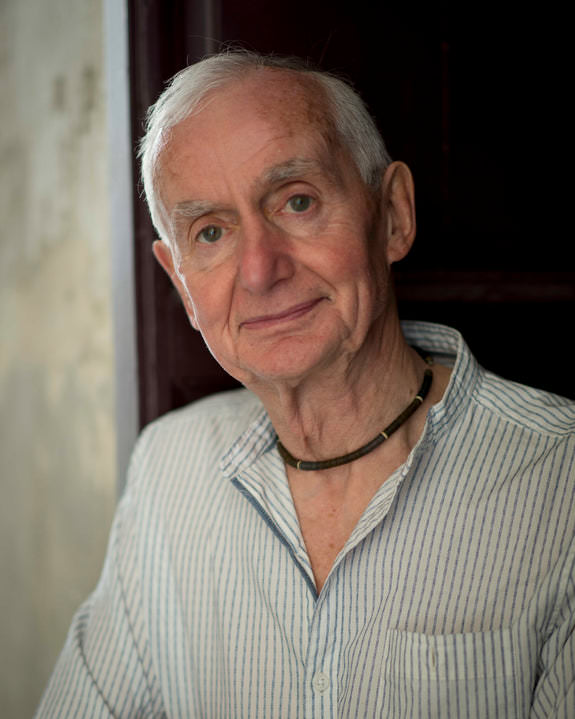
Peter Mitchell (born 1943 in Eccles, near Manchester) is a British photographer best known for his colour photographs of Leeds and his documentation of the city’s changing urban landscape. After studying at Hornsey College of Art in London, Mitchell settled in Leeds, where he began photographing its streets, architecture and inhabitants during the 1970s. His first solo exhibition, An Impression of the Yorkshire City of Leeds, was held at Leeds City Art Gallery in 1975. Four years later, A New Refutation of the Viking 4 Space Mission, presented at Impressions Gallery in York, became a landmark in the history of British colour photography. His work received renewed attention following its inclusion in How We Are: Photographing Britain at Tate Britain in 2007 and the publication of Strangely Familiar in 2013. His photographs have since been exhibited internationally, including at Les Rencontres d’Arles in 2016. In 2024, Leeds Art Gallery presented Nothing Lasts Forever, a major retrospective devoted to his work, which subsequently travelled to The Photographers’ Gallery in London in 2025. Mitchell’s photography occupies a distinctive position within British documentary practice, combining an interest in architecture, everyday life and the gradual transformation of urban environments.