Frank Paulin: Unseen Color, 1956 to 2008
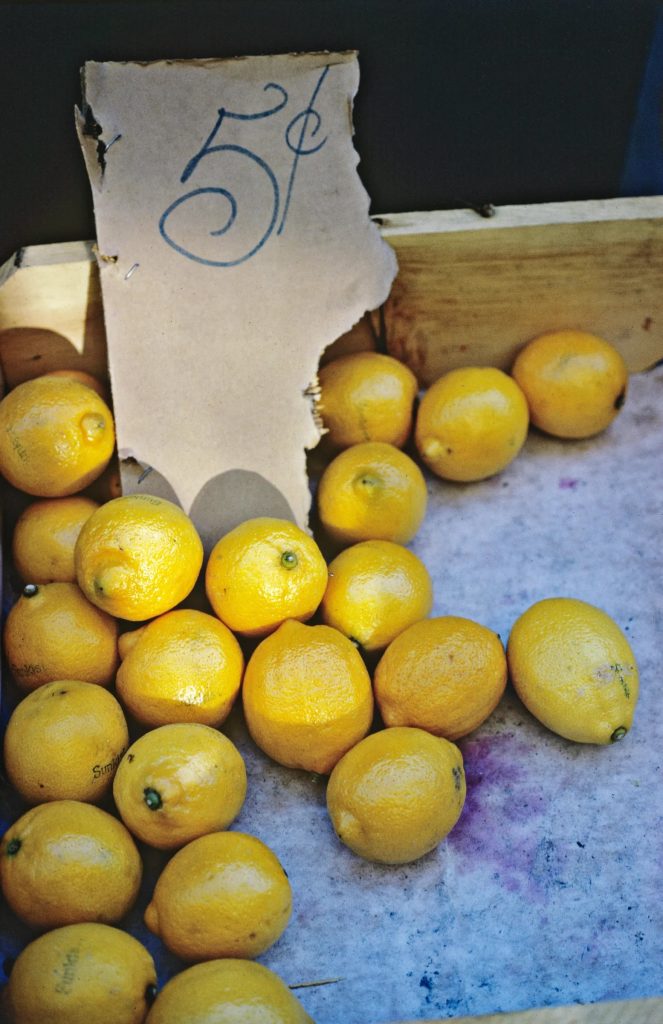
Bruce Silverstein Gallery is pleased to present Frank Paulin: Unseen Color, 1956 to 2008, the gallery’s fourth exhibition devoted to the work of Frank Paulin (1926 to 2016), and the first to focus exclusively on his color photographs. Twenty works span more than five decades, from 1956 to 2008, and together they bring to light a body of work that stayed almost entirely unseen during the artist’s lifetime.
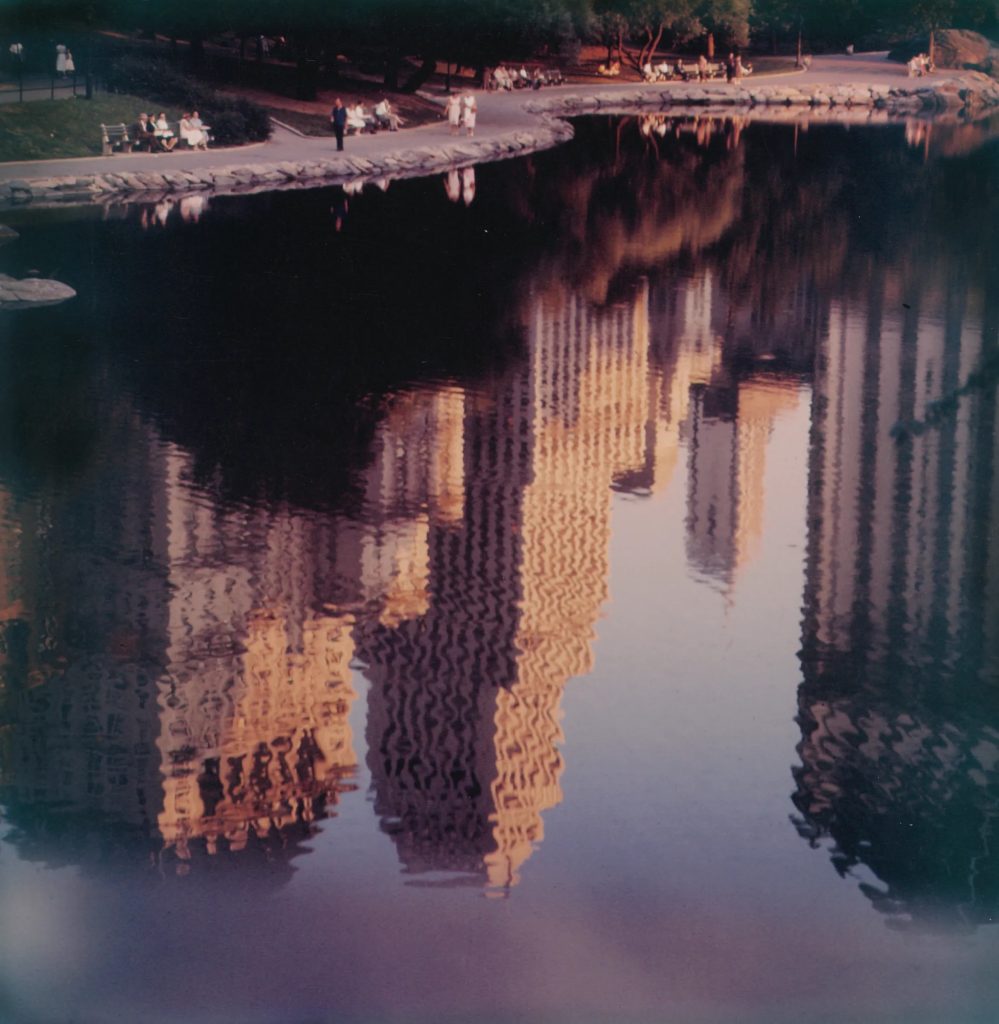
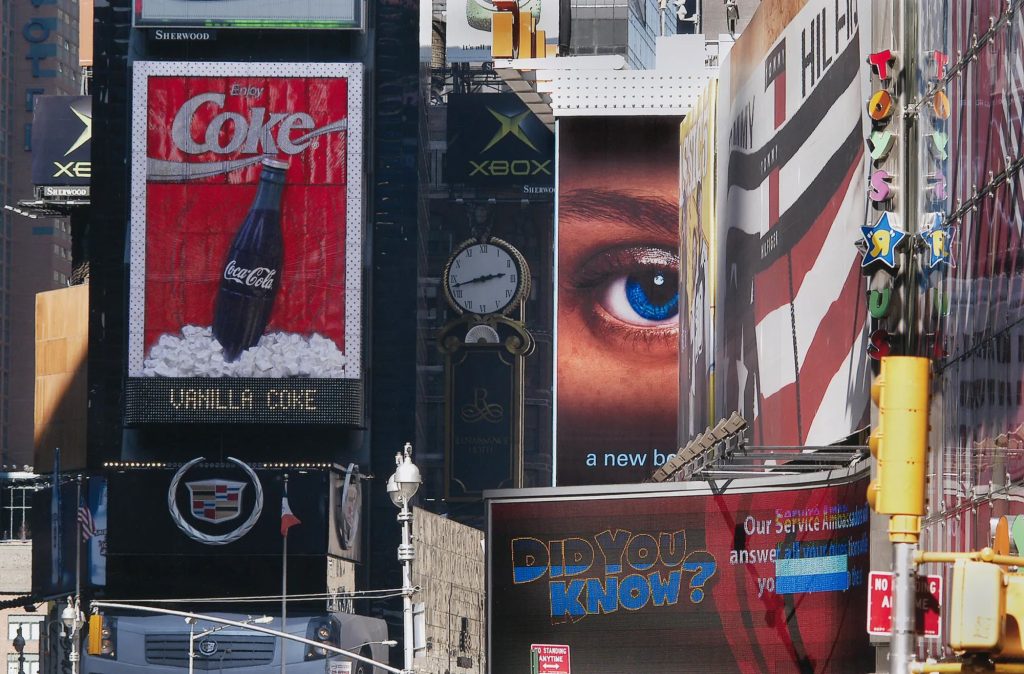
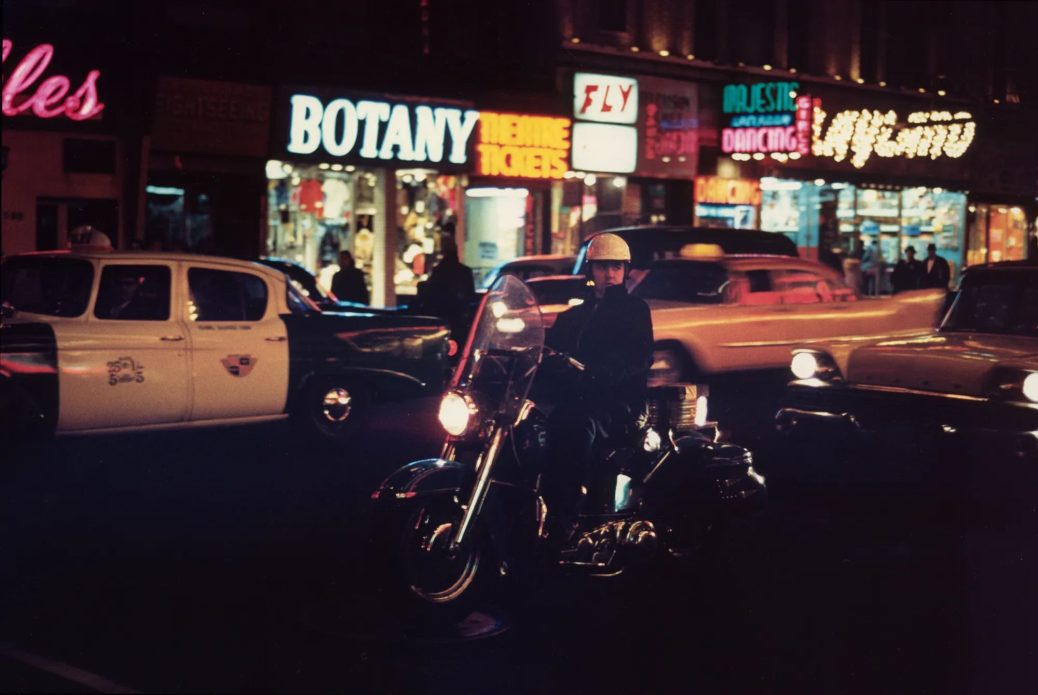
Paulin began shooting on color film in the mid 1950s, but he didn’t print most of these images until much later in his career. That makes this show a rare chance to look again at the early history of color street photography in America. Paulin is best known for his black and white pictures of New York City, the kind of street work that earned him glowing reviews in the New York Times and the Village Voice when it was first shown at Helen Gee’s Limelight Gallery back in 1957. What very few people realized at the time was that he was working in color too, quietly building a body of images full of visual complexity, shot on the streets of Times Square, Fifth Avenue, Central Park, and beyond.
These photographs predate William Eggleston’s celebrated 1976 show at MoMA, the exhibition usually credited with making color a serious medium for fine art photography, by two decades. That puts Paulin among the earliest people working in color on American streets, in the same company as Saul Leiter, Ernst Haas, and Ruth Orkin.
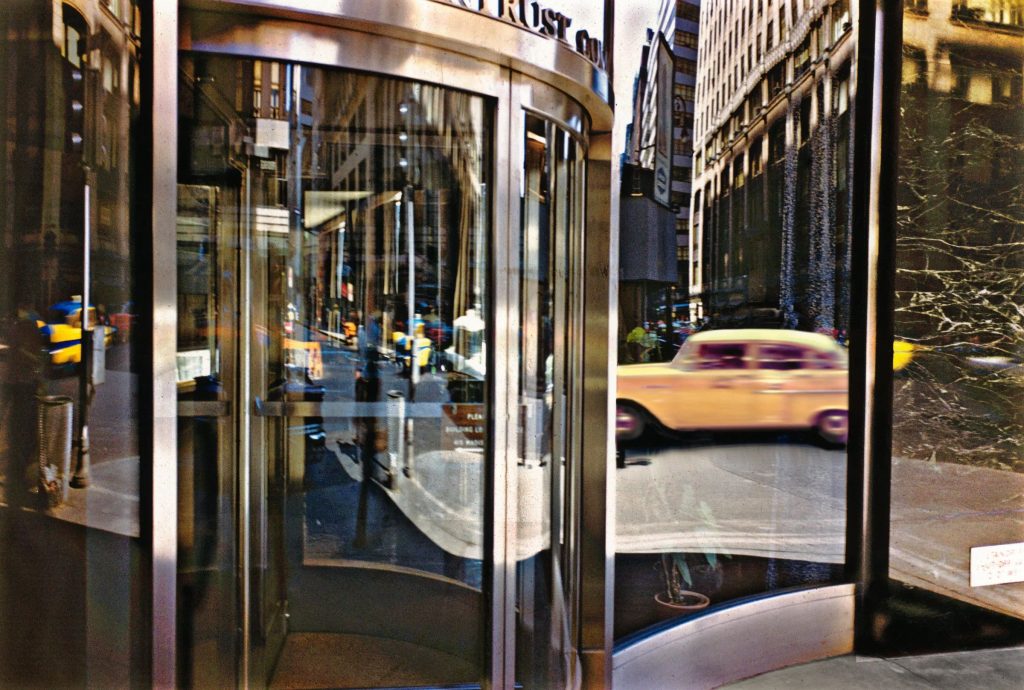
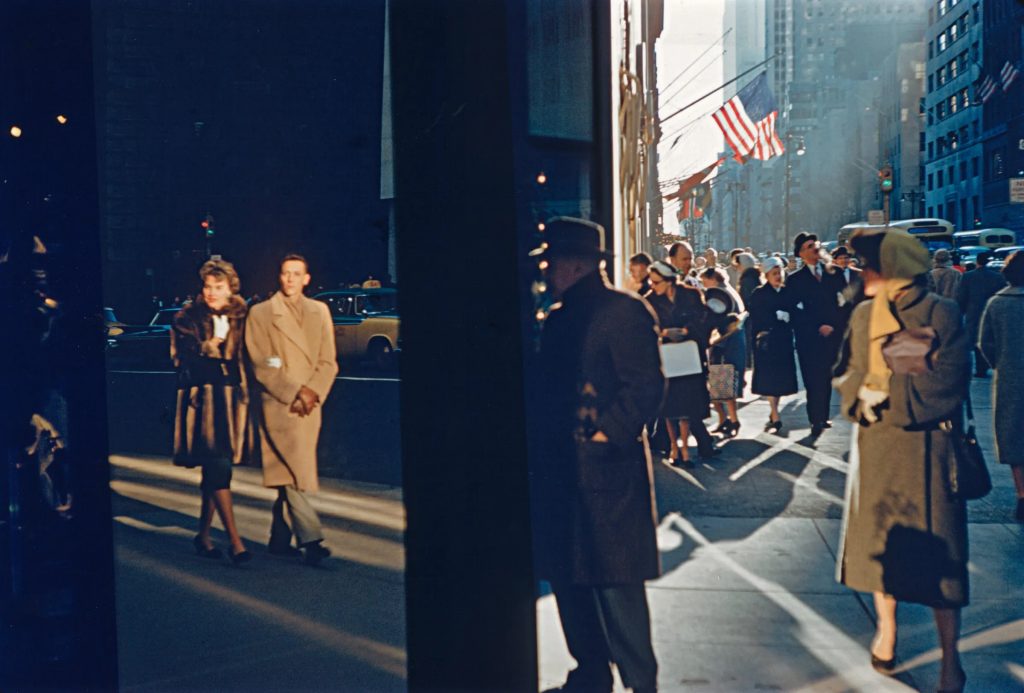
You can see Paulin’s training at work in these color photographs. His background in fashion illustration gave him an eye for style and gesture, for the energy of New York and the people who fill its streets. His Bauhaus education at Chicago’s Institute of Design gave him the tools to read the city as a field of overlapping planes, reflections, and collisions of text and image. What results is a kind of visual montage: shop windows turn into screens layering the street against what’s on display inside, neon light bleeds across people’s faces, revolving doors fold the city into fragments, almost like a kaleidoscope.
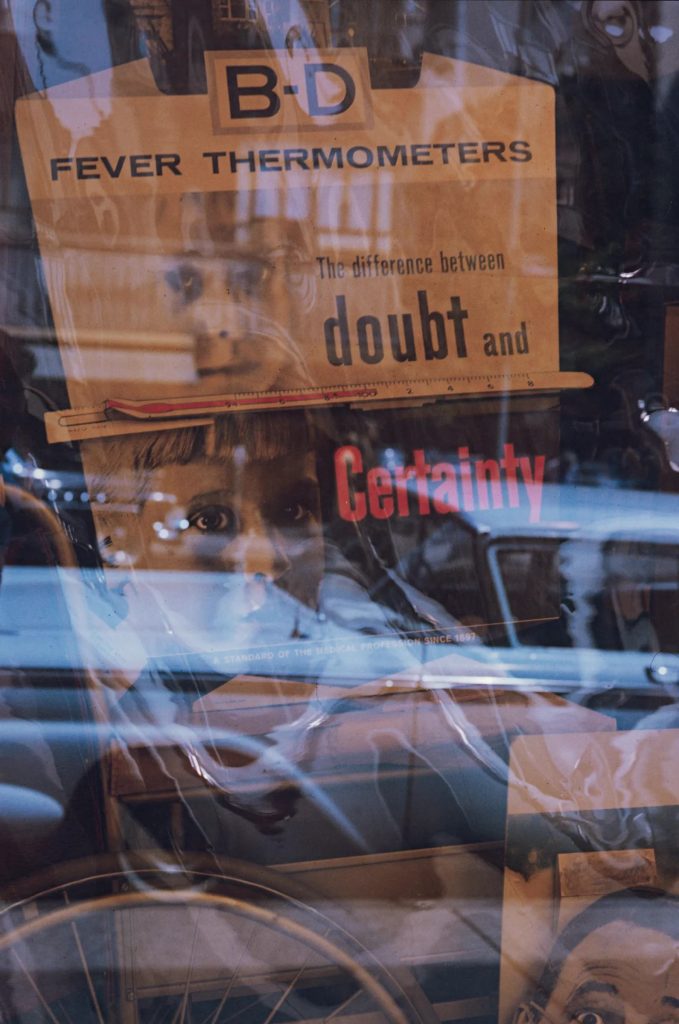
When the Los Angeles Times reviewed the first exhibition of Paulin’s color work in 2009, the paper called it vibrant, layered assemblages of motion, reflection, and signage, describing it as the choreography of the city caught and stilled for a brief, dynamic moment. In 5th Ave Window Reflection (1956), pedestrians on a busy sidewalk appear superimposed over reflections of buildings and sky, a kind of double exposure achieved entirely in camera. Banker Trust and Yellow Cab (1958) compresses the city through a revolving door into one swirling frame of glass, chrome, marble, and motion. Window Reflection (1967) layers an ad for fever thermometers over a ghostly street scene, blending commerce, the body, and the city into a single image that reads as both document and abstraction.
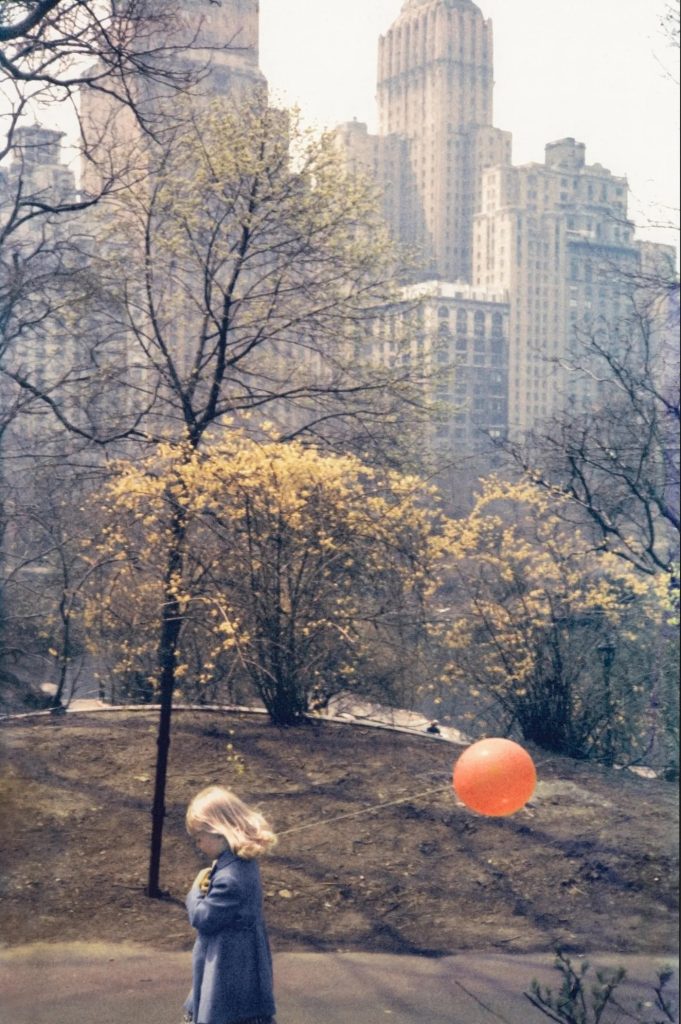
These aren’t snapshots with color added after the fact. They’re photographs that simply couldn’t exist any other way, where the orange of a balloon against a grey Central Park sky, the red blur of a Cadillac through plate glass, or the yellow of a taxi dissolving into a chrome door become the actual structure of the image.
The show also moves beyond midcentury Manhattan. East Hampton 3 Sunz (1997) captures a child and a sunset through the layered reflections of a porch window, while Corn Field (2000) frames a glowing agricultural landscape at the end of a dark motel corridor, an image that belongs as much to the tradition of American color photography built by William Eggleston and Stephen Shore as it does to Paulin’s own New York street work. The most recent piece in the show, Street Vender & Bunny (2008), proves he never stopped paying attention to the strange theater of the American street.
Frank Paulin’s work is held in more than fifty museum and institutional collections, including the Museum of Modern Art, the Whitney Museum of American Art, the National Gallery of Art, the Smithsonian American Art Museum, the National Museum of American History, the Museum of Fine Arts Houston, the Yale University Art Gallery, the Harry Ransom Center at the University of Texas, and the Center for Creative Photography at the University of Arizona. His only monograph, Frank Paulin: Out of the Limelight (Silverstein Publishing, 2007), includes an introduction by Max Kozloff and was designed by Massimo Vignelli.
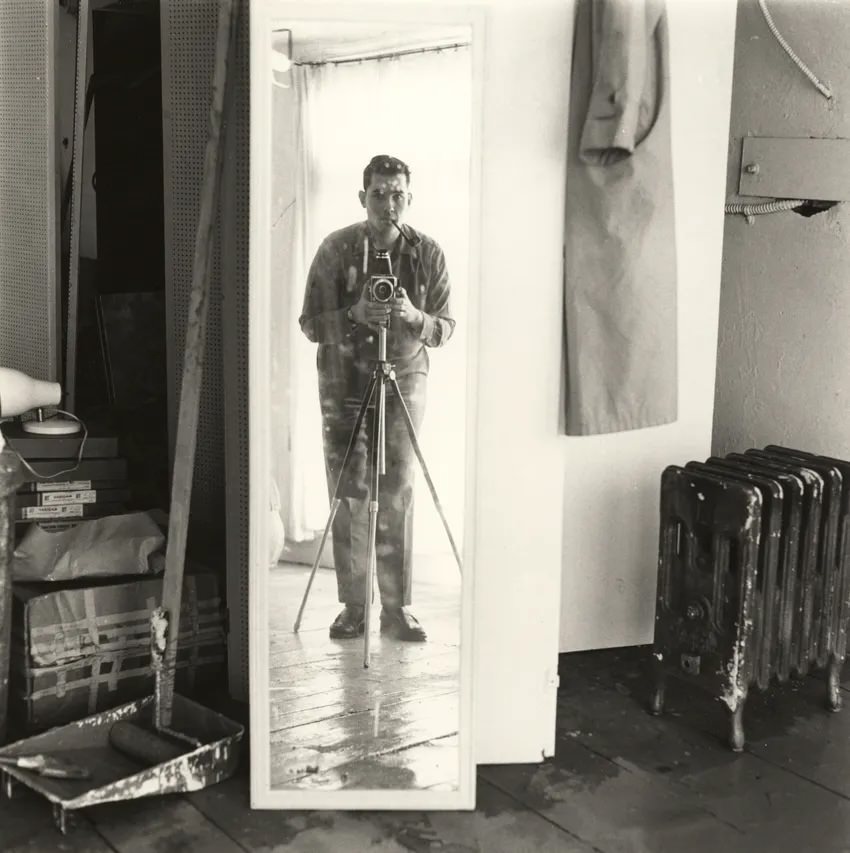
About the Author
Frank Paulin was born in Pittsburgh in 1926 and grew up between New York and Chicago. He started in the arts at sixteen, apprenticing in fashion illustration and photography at the Whitaker Christiansen Studio in Chicago. In 1944 he joined the Army and spent two years with the Signal Corps in Europe, where he photographed the ruins of German cities, an experience that sharpened his documentary instincts.
After the war, he used the GI Bill to enroll at the Institute of Design in Chicago, arriving the very same day Harry Callahan started teaching there. The Institute, founded as the American successor to the Bauhaus, made photography part of its core curriculum, with the goal of pushing students to think and see in new ways. Studying under László Moholy Nagy, Harry Callahan, and Arthur Siegel, Paulin sharpened his eye for light, form, and structure.
By the end of the 1950s, he’d also studied at the New School under Alexey Brodovitch, whose famously demanding Design Laboratory shaped a whole generation of photographers and designers, among them Richard Avedon, Irving Penn, Art Kane, and Hiro. Brodovitch, never one for empty praise, looked at Paulin’s Ferry Boat (1957), a shot of silhouetted figures framed by the Statue of Liberty through layered reflections of glass, and called it simply “Monumental.”
Paulin is widely recognized for his black and white street photographs of New York, work that earned him admiring reviews in the New York Times and the Village Voice when first exhibited at Helen Gee’s Limelight Gallery in 1957. His work is held in more than fifty museum and institutional collections, including the Museum of Modern Art, the Whitney Museum of American Art, the National Gallery of Art, the Smithsonian American Art Museum, the National Museum of American History, the Museum of Fine Arts Houston, the Yale University Art Gallery, the Harry Ransom Center at the University of Texas, and the Center for Creative Photography at the University of Arizona. His only monograph, Frank Paulin: Out of the Limelight (Silverstein Publishing, 2007), includes an introduction by Max Kozloff and was designed by Massimo Vignelli.
Frank Paulin: Unseen Color, 1956 to 2008
From June 25, 2026 to August 15, 2026
Bruce Silverstein Gallery – New York, NY 10011
More info on: