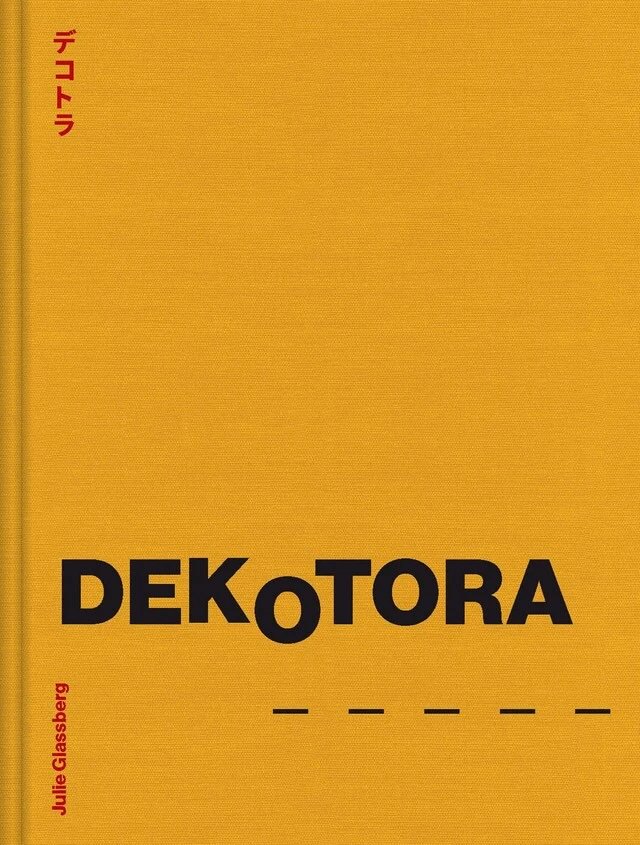
Julie Glassberg: Dekotora
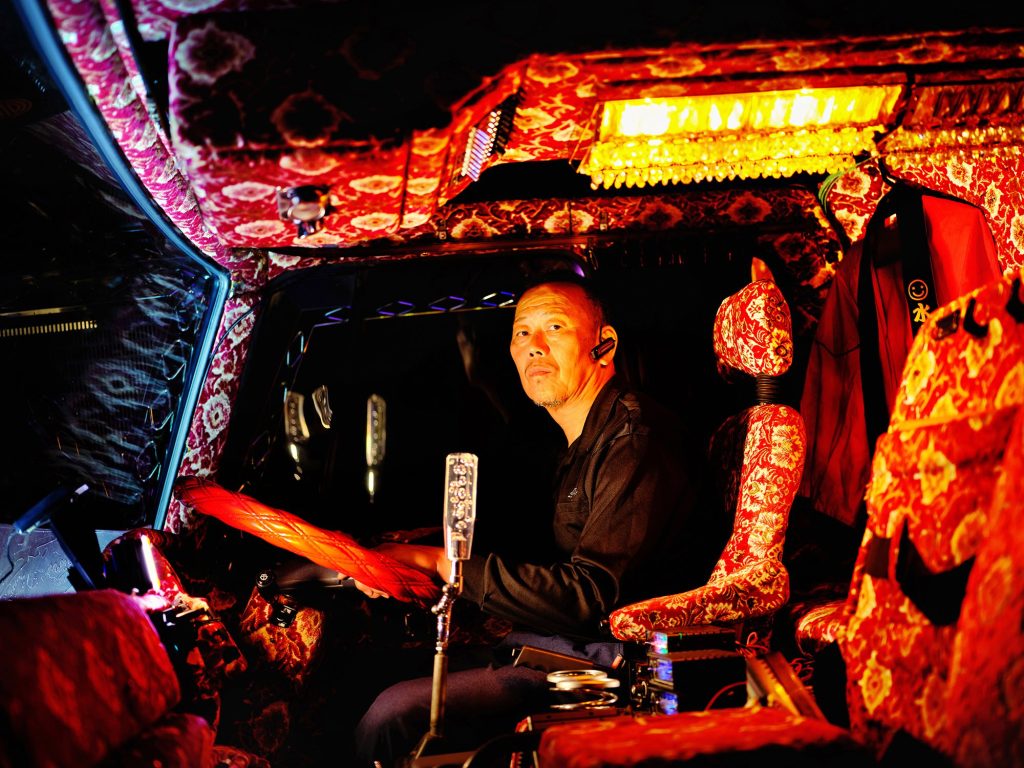
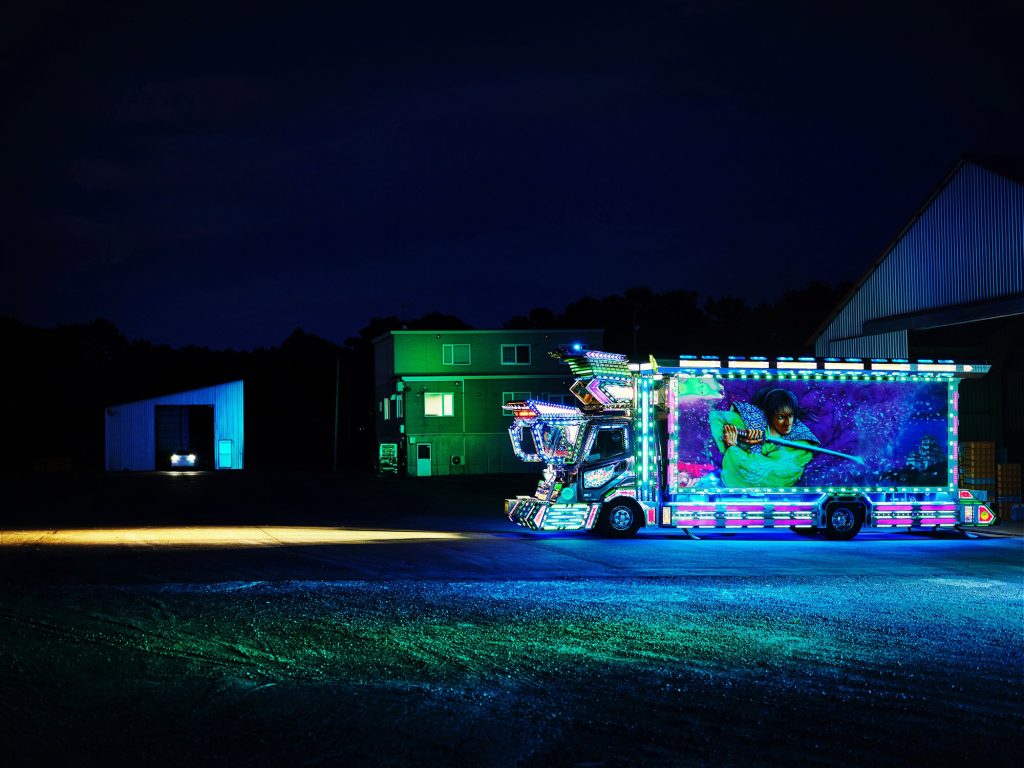
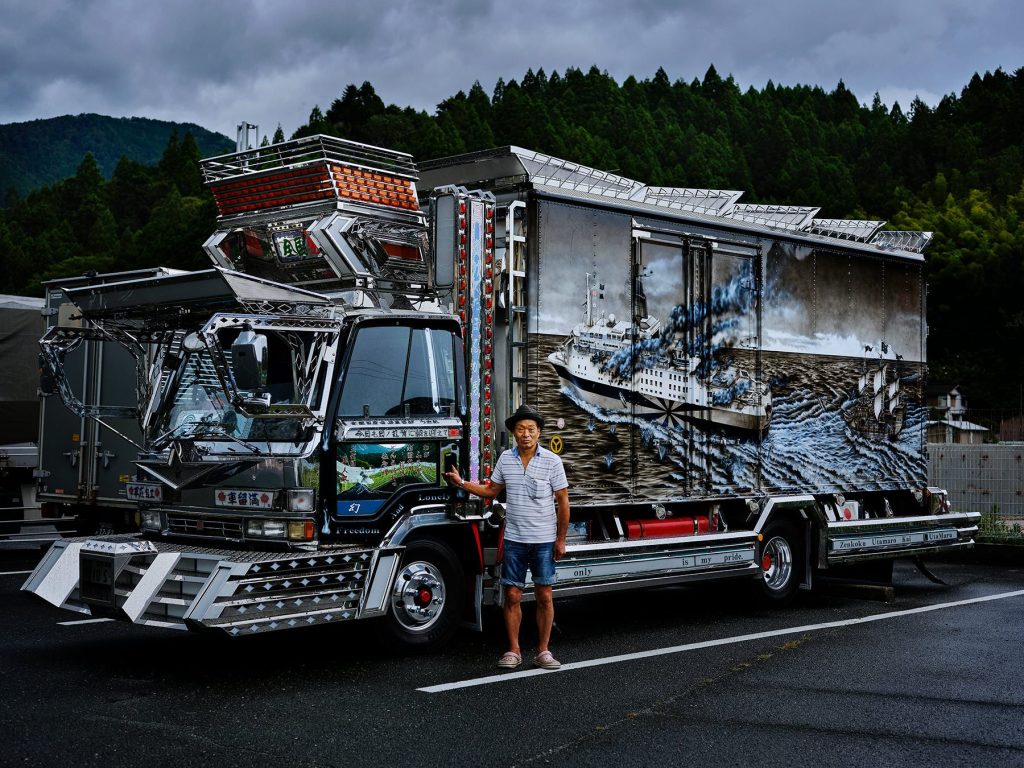
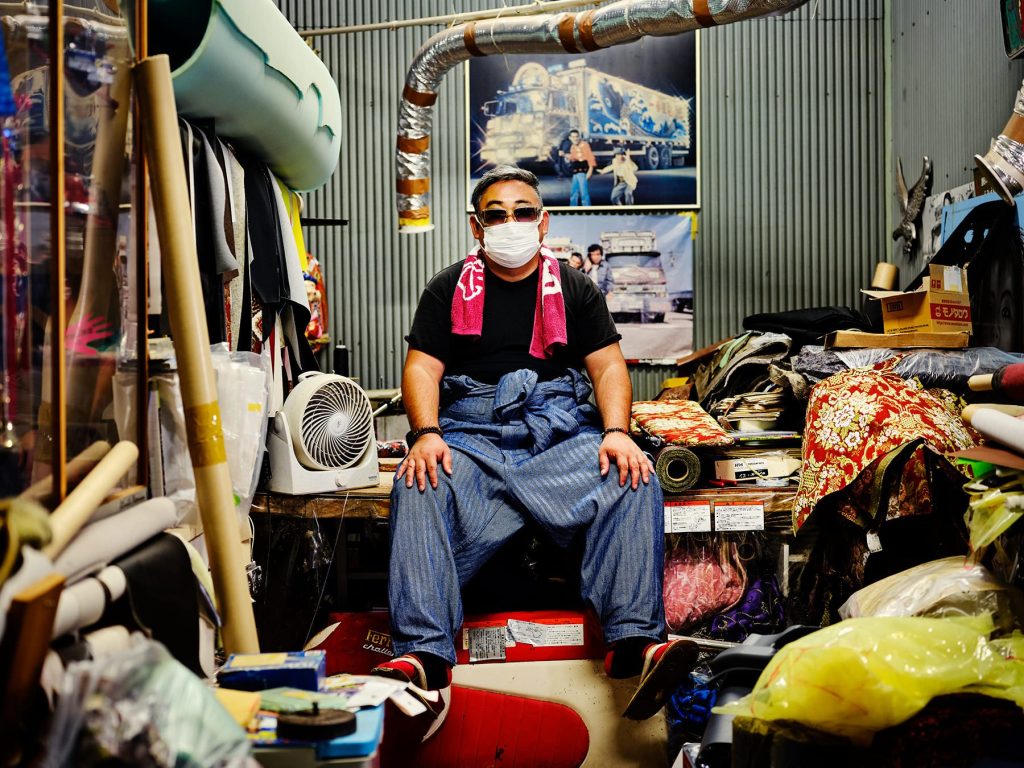
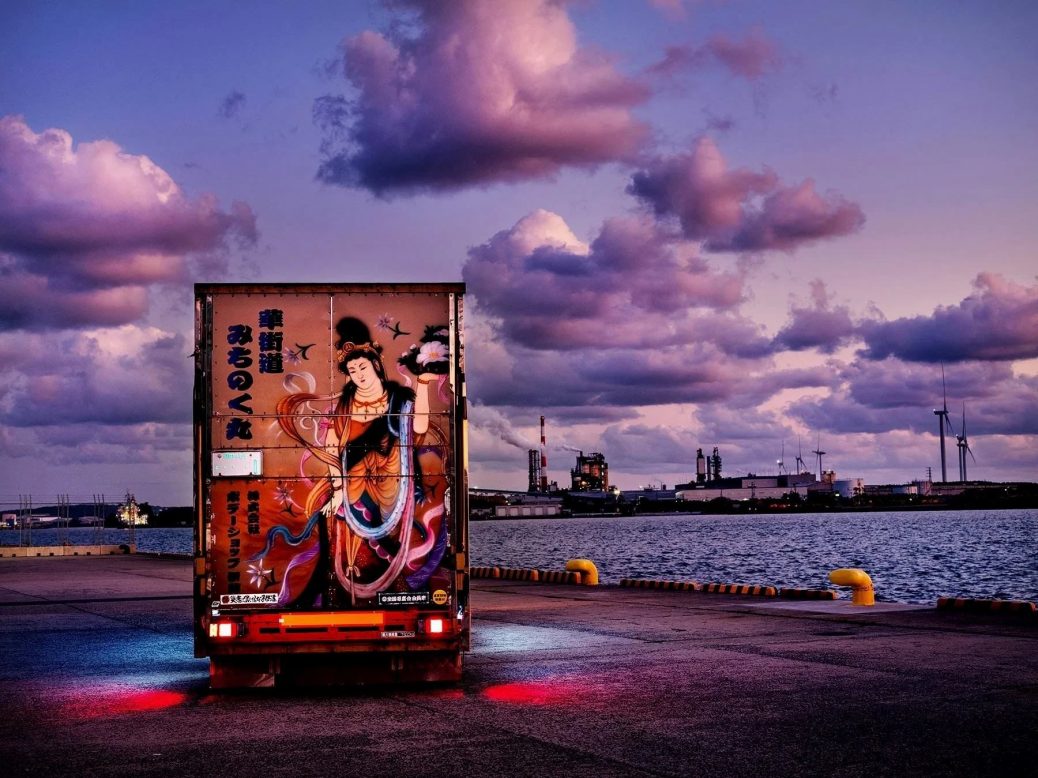
At first glance, Dekotora is all about spectacle. Trucks are transformed into moving displays of vivid colour, chrome and dazzling lights, covered from top to bottom in elaborate decoration. The name comes from deko torakku, meaning “decorated truck”. In mainstream Japanese society, the culture has often been dismissed because of its association with rebellious or marginal figures. Yet behind its extravagant appearance lies a world shaped by tradition, community and a surprising sense of poetry.
Dekotora culture began to emerge in the late 1960s, when decorated trucks were used as a form of mobile advertising. A vehicle transporting fish from Hokkaido, for instance, might be painted with images representing its cargo and place of origin. Over time, stricter regulations and the negative reputation surrounding the scene made this kind of decoration increasingly difficult for commercial vehicles. Today, only a small number of businesses still use such trucks, particularly in industries such as fish and flower delivery.
Although the Dekotora community can appear closed and difficult to enter, its members regularly organise public gatherings where they display their trucks and meet other enthusiasts. These events are not simply occasions to show off their vehicles. Many are also organised to raise money for charitable causes. In the years following the 2011 earthquake and tsunami, Dekotora groups held fundraising events to support communities affected by the disaster.
A conversation with Japanese pop culture expert Kyoichi Tsuzuki helped me understand Dekotora within a much broader cultural tradition. Its elaborate visual language is not as far removed from traditional Japanese aesthetics as it might first seem. Similar forms of ornate decoration can be found in Japanese hearses, tombs, temples and in the sacred mikoshi carried during Shinto festivals.
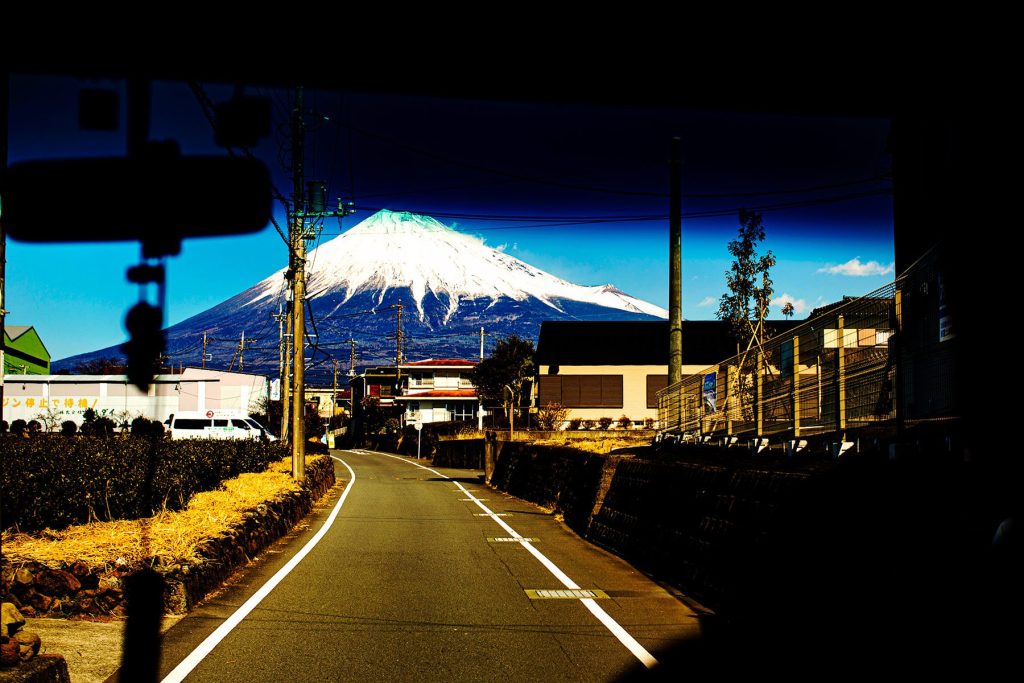
Seen from this perspective, Dekotora is more than an eccentric subculture. It reflects an enduring taste for ornament and visual excess that remains particularly strong in Japan’s suburban and rural communities. These extraordinary trucks also carry a sense of nostalgia, recalling childhood memories, old films and a Japan that still survives in unexpected forms along the country’s roads.

About the Author
Julie Glassberg is a French photographer based in Paris. After studying graphic design, she moved to New York to pursue photography full time. Her work focuses on cultural identity, subcultures, underground communities and people living outside the social mainstream.
For seven years, she worked regularly with The New York Times. Between 2011 and 2015, she photographed the subjects of the weekly Character Study column with journalist Corey Kilgannon. Her work has also been published in The New York Times Magazine, Le Monde, The Wall Street Journal, El País Semanal, Stern View, L’Équipe Magazine and ESPN.
Glassberg later spent a year in Japan developing personal projects and collaborating with local artists, followed by a six month residency at the Swatch Art Peace Hotel in Shanghai.
She has received several awards and grants, including the Lucie Scholarship Emerging Grant, the Getty Images Grant for Editorial Photography, a POYi Award of Excellence and an International Photography Award. Her first book, Bike Kill, was shortlisted for the Paris Photo Aperture Foundation Photobook Award.
In 2022, her project Stayin’ Alive was selected for the Grande Commande for Photojournalism, a major national photography commission led by the Bibliothèque nationale de France with the support of the French Ministry of Culture.