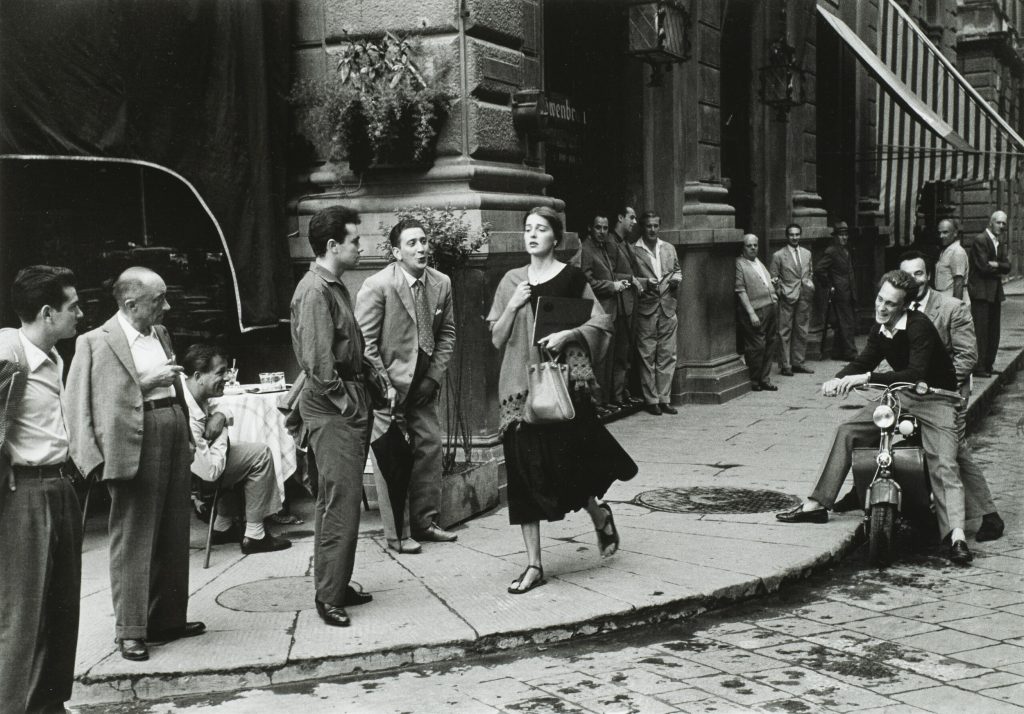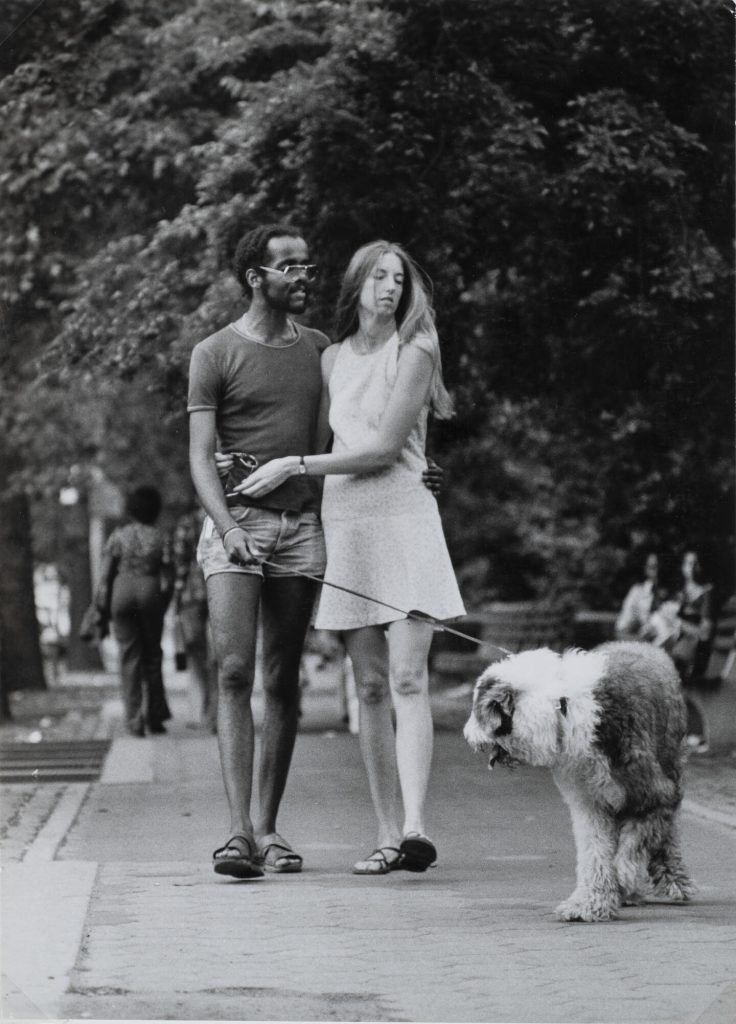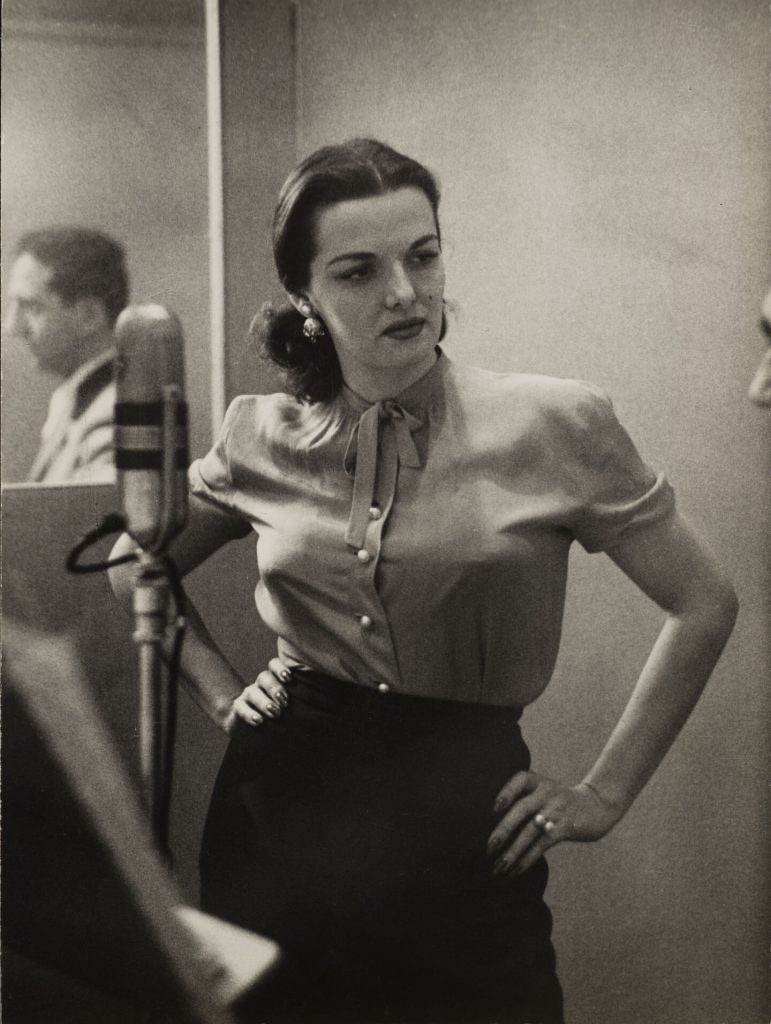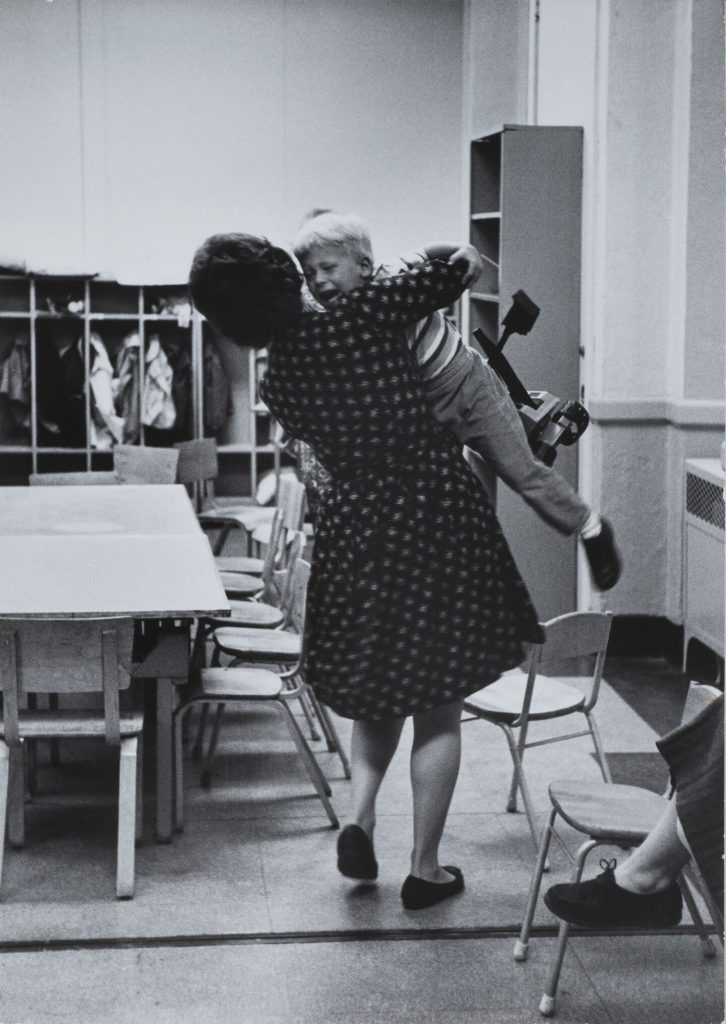
Ruth Orkin: Women on the Move
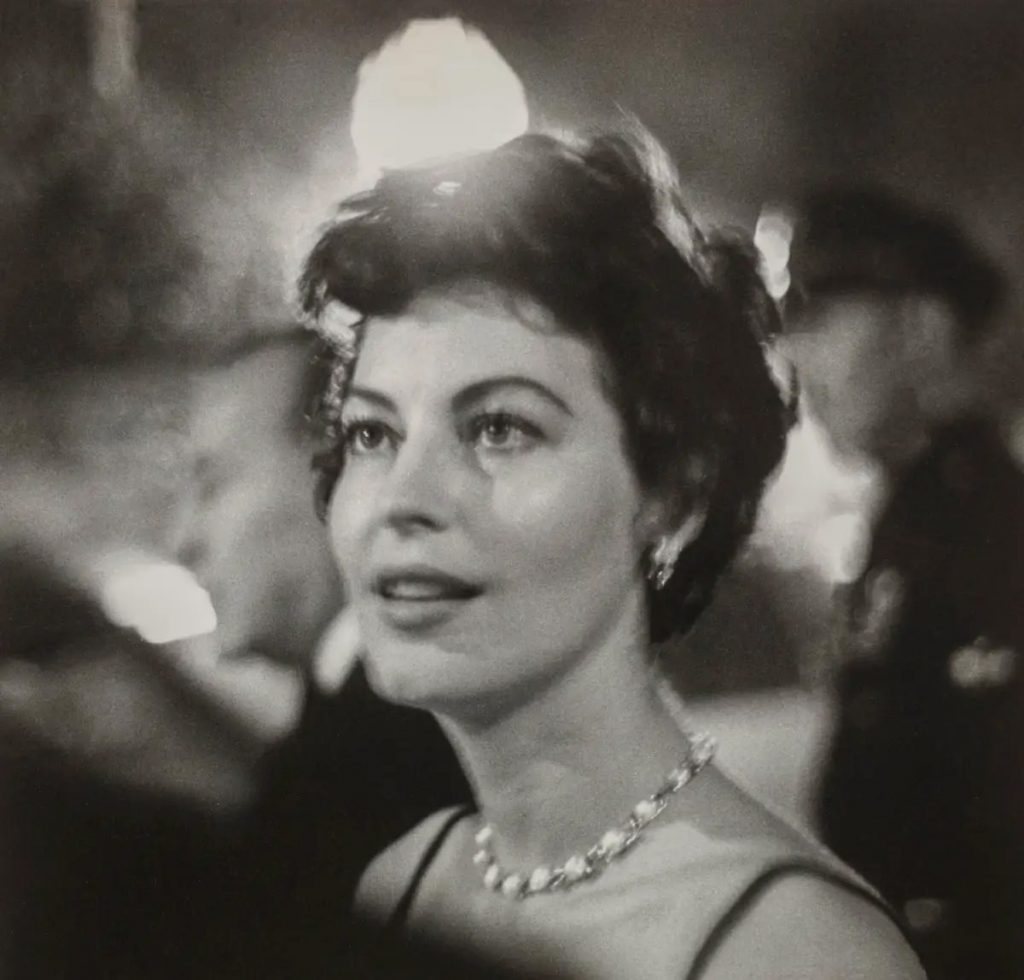
This exhibition brings together twenty-one vintage gelatin silver prints from the museum’s collection, charting Ruth Orkin’s sustained attention to women’s lives from World War II through the 1970s. Born in Boston in 1921 to a silent film actress, Orkin grew up immersed in visual storytelling—an early influence that shaped a career moving fluidly between glamour and documentary observation, from Hollywood portraiture to the textures of everyday life in classrooms, parks, homes, and city neighborhoods.
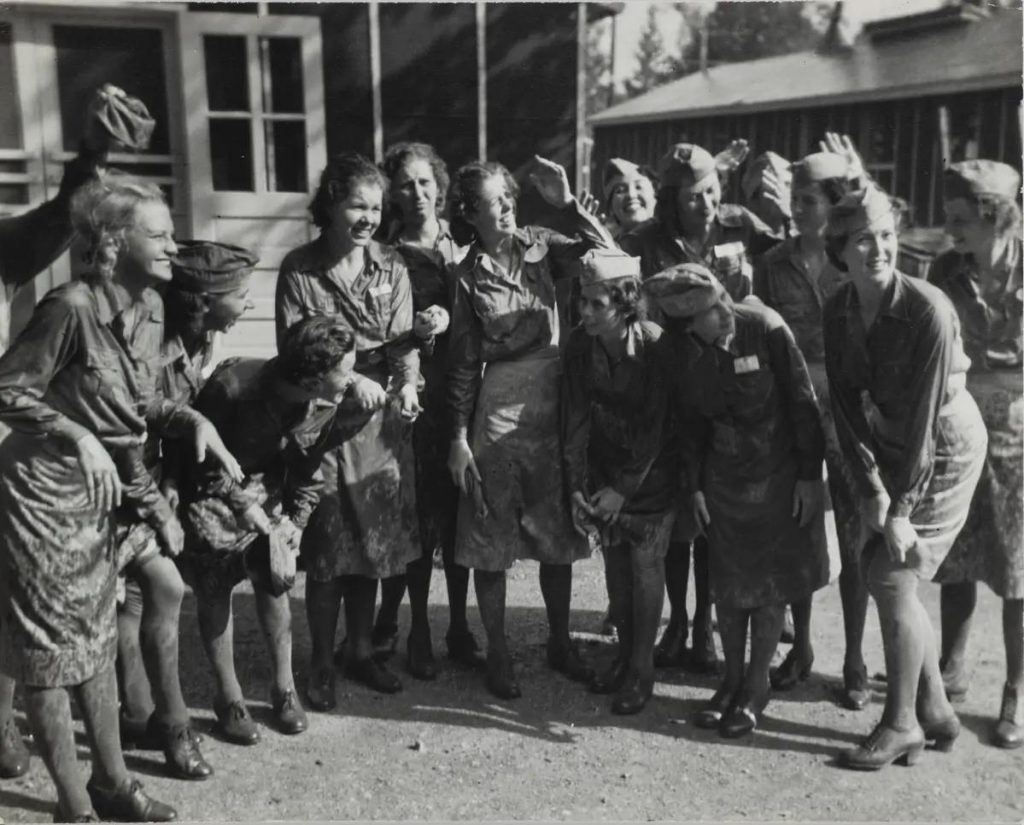
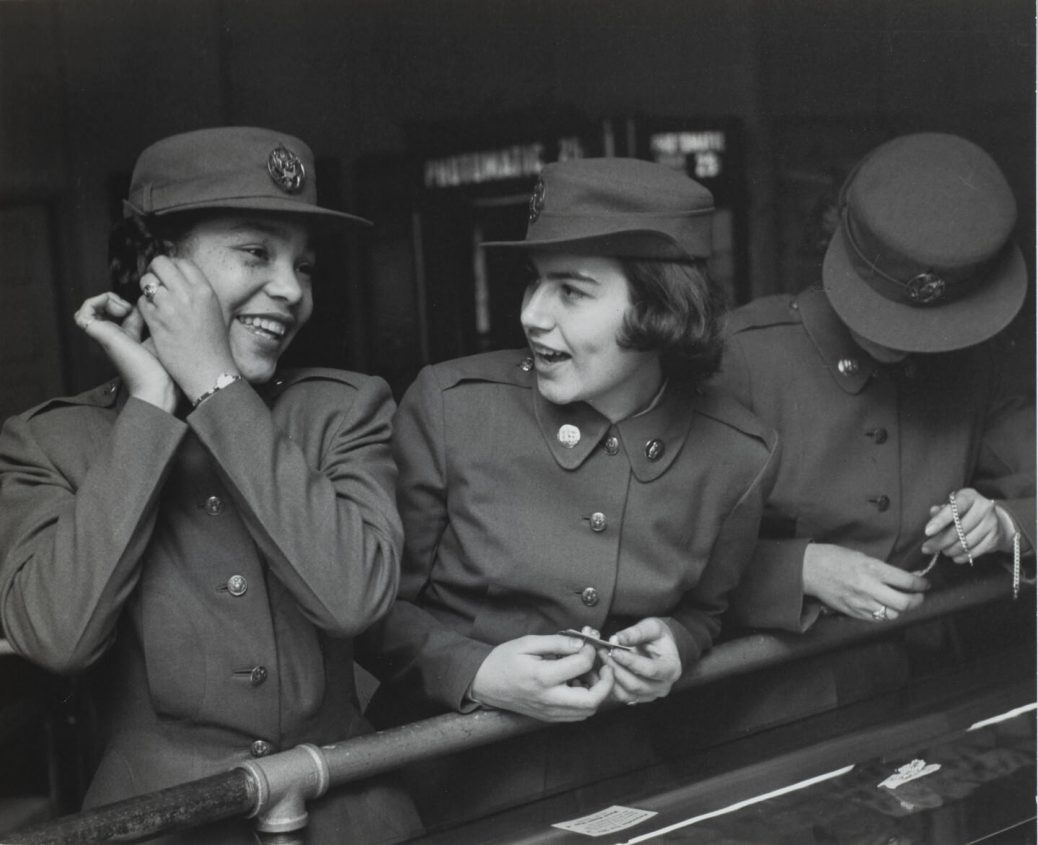
Across continents and social contexts, Orkin photographed women who were actively reshaping their place in a rapidly changing society: members of the Women’s Army Auxiliary Corps, travelers in postwar Europe, Broadway performers between rehearsals, families abroad, and communities in New York. Her photographs resist passivity; they emphasize presence, agency, and individuality, presenting women not as spectacle but as subjects seen on their own terms. Often working in dialogue with the people she photographed, Orkin challenged inherited dynamics of looking, turning the camera into a space of exchange rather than dominance.
Although she initially aspired to a career in filmmaking, Orkin was barred from joining the cinematographers’ union because it excluded women. That obstacle did not diminish her narrative ambition: she brought a cinematic sense of structure and pacing to still photography, making each image feel like a fragment from a larger story. Later collaborations in film with her husband expanded her practice, yet photography remained her most consistent medium—one through which she recorded the dignity, vitality, and complexity of women navigating modern life.
About the Author
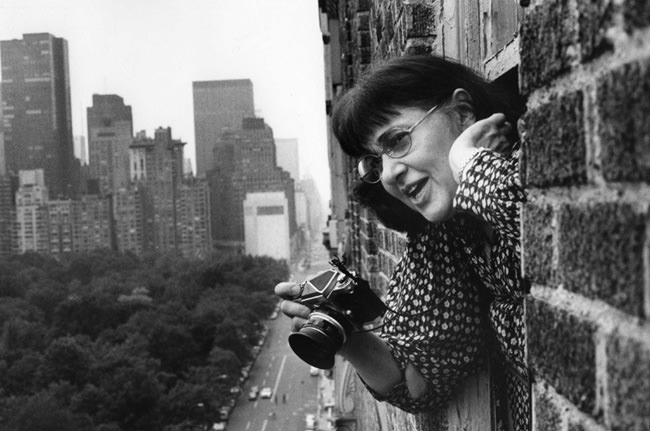
Ruth Orkin was an American photographer and filmmaker whose work significantly contributed to the visual culture of postwar America, particularly in shaping new representations of women in public and private life.
Born on September 3, 1921, in Boston, Massachusetts, Orkin was the daughter of silent film actress Mary Ruby. She grew up in Los Angeles within the orbit of the film industry, an environment that profoundly influenced her sense of framing, movement, and narrative structure. Her interest in photography began early: as a teenager she undertook a cross-country bicycle trip to the 1939 New York World’s Fair, documenting the journey with her camera—an experience that marked the beginning of her lifelong commitment to visual storytelling.
In the early 1940s, Orkin relocated to New York City, where she first worked as a nightclub photographer before establishing herself as a freelance photojournalist. Her photographs were published in leading magazines such as Life, Look, Ladies’ Home Journal, and Collier’s. She moved fluidly between celebrity portraiture and documentary work, photographing figures from the worlds of film, music, and theater while also chronicling everyday urban life.
During World War II, she documented members of the Women’s Army Auxiliary Corps (WAAC), portraying women in roles traditionally reserved for men. Throughout the 1950s and 1960s, she continued to focus on women navigating changing social landscapes—as workers, performers, travelers, mothers, and students—capturing them with a blend of strength, immediacy, and empathy. Her approach often involved collaboration with her subjects, challenging conventional hierarchies between photographer and sitter.
Although Orkin aspired to become a cinematographer, she was barred from joining the professional union because it excluded women.
Ruth Orkin: Women on the Move
until March 29, 2026
National Museum of Women in the Arts, Washington, DC 20005
More info: