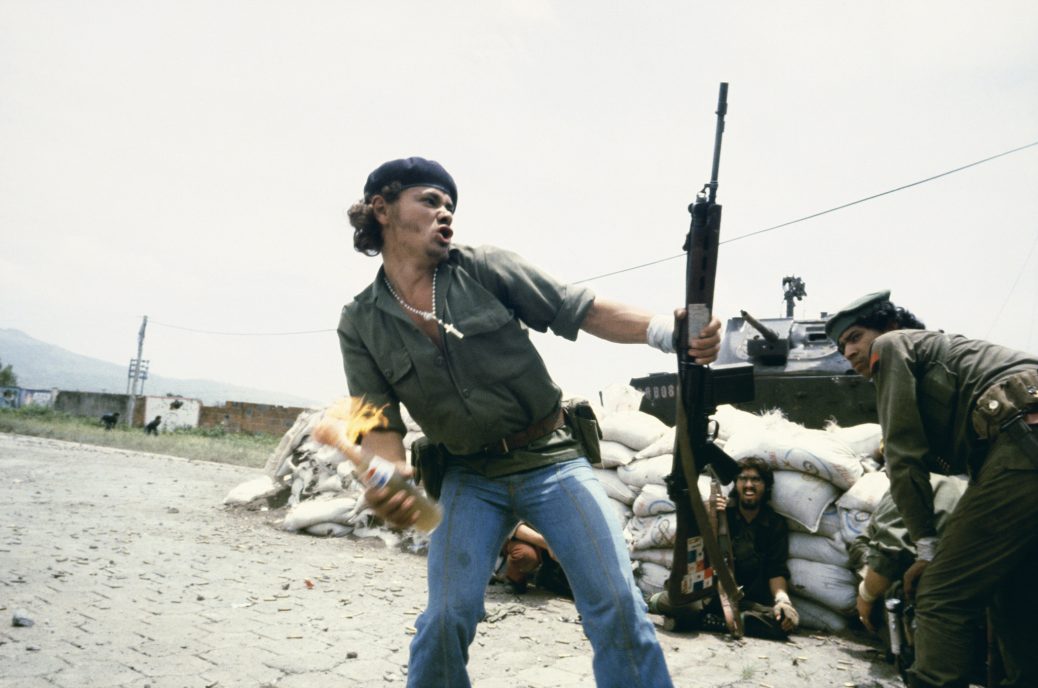
Susan Meiselas: Nicaragua, History, Memory
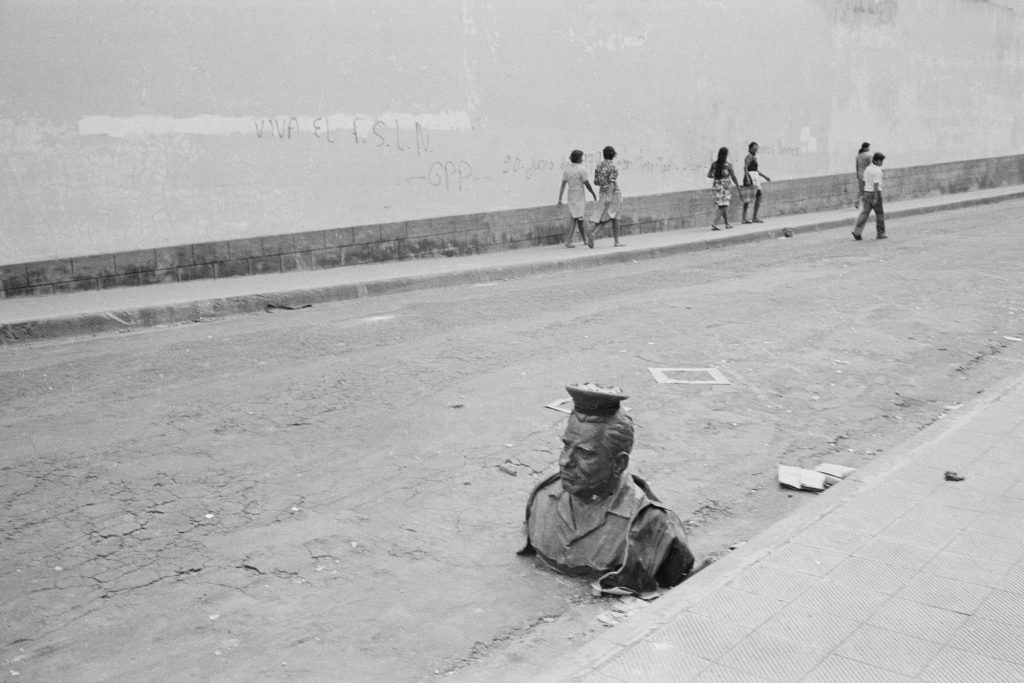
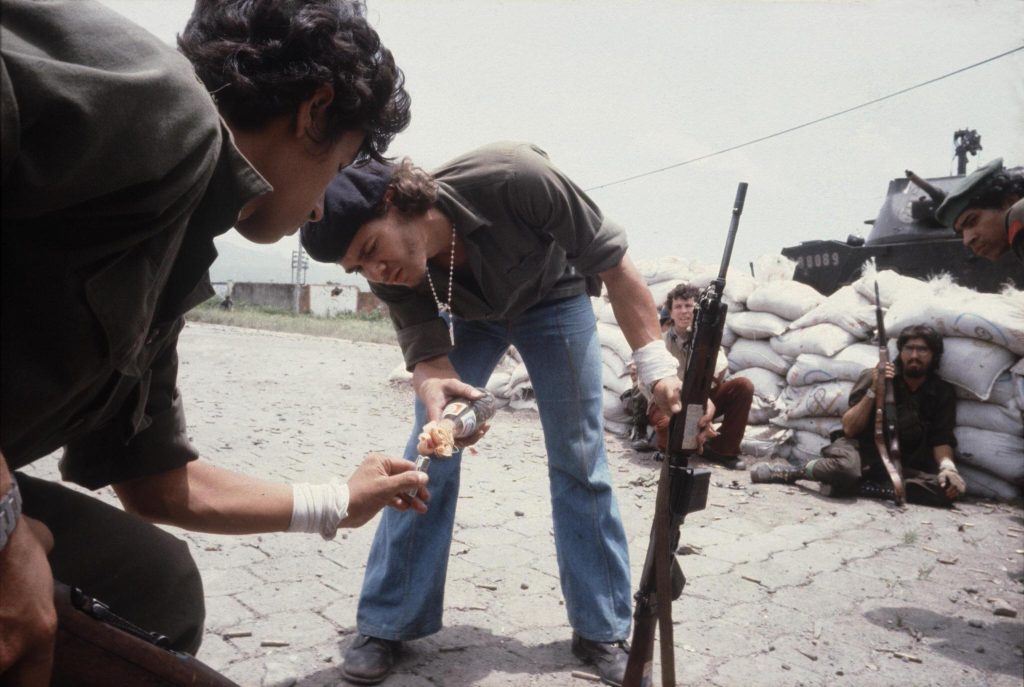
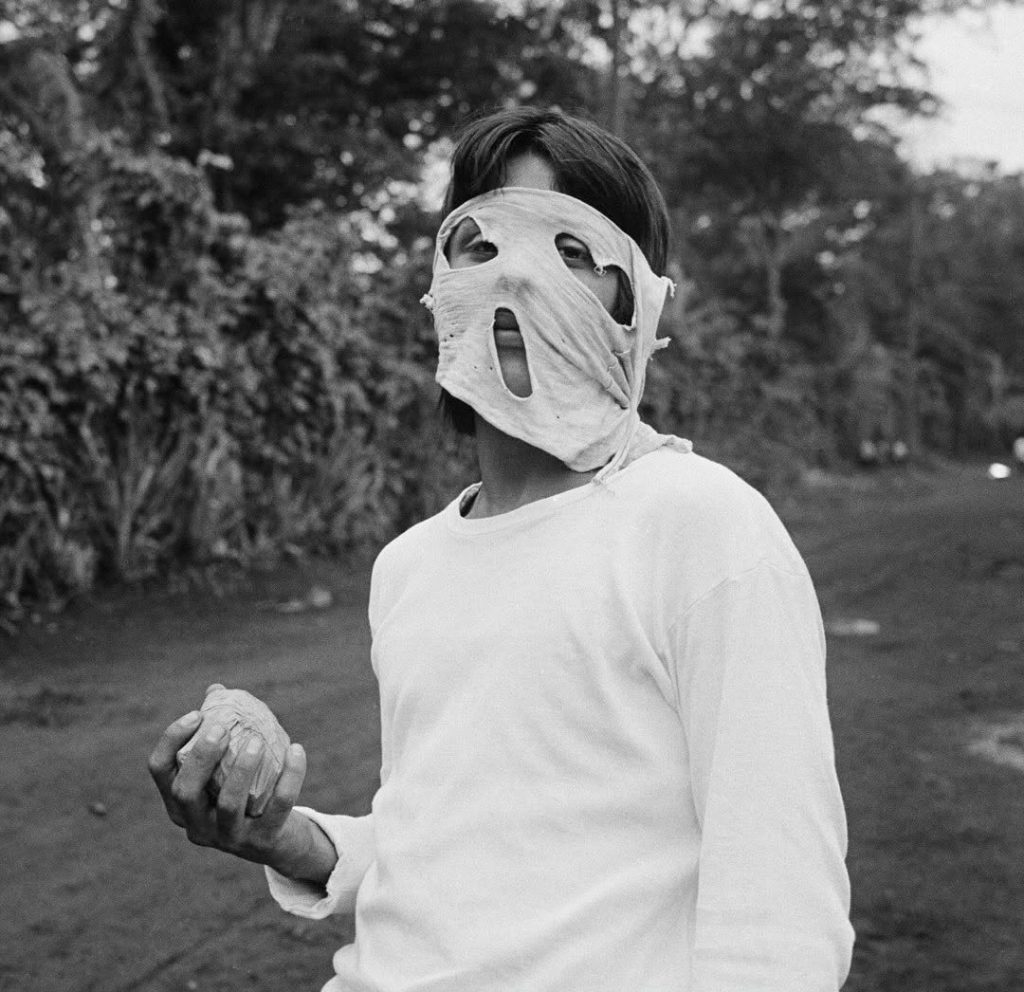
In 1978, at the age of thirty, Susan Meiselas travelled to Nicaragua for the first time. She had studied visual education at Harvard University, published Carnival Strippers, and joined Magnum Photos. In the country, a popular uprising was turning into a revolutionary war between the Sandinista National Liberation Front (FSLN) and the National Guard of President Anastasio Somoza Debayle’s dictatorship, a regime supported by the United States. Over several stays, Meiselas photographed everyday life, street fighting and the victory of the Revolution, working close to the people and the action, often in colour. A first selection of this work appeared in 1981 as Nicaragua, June 1978–July 1979.
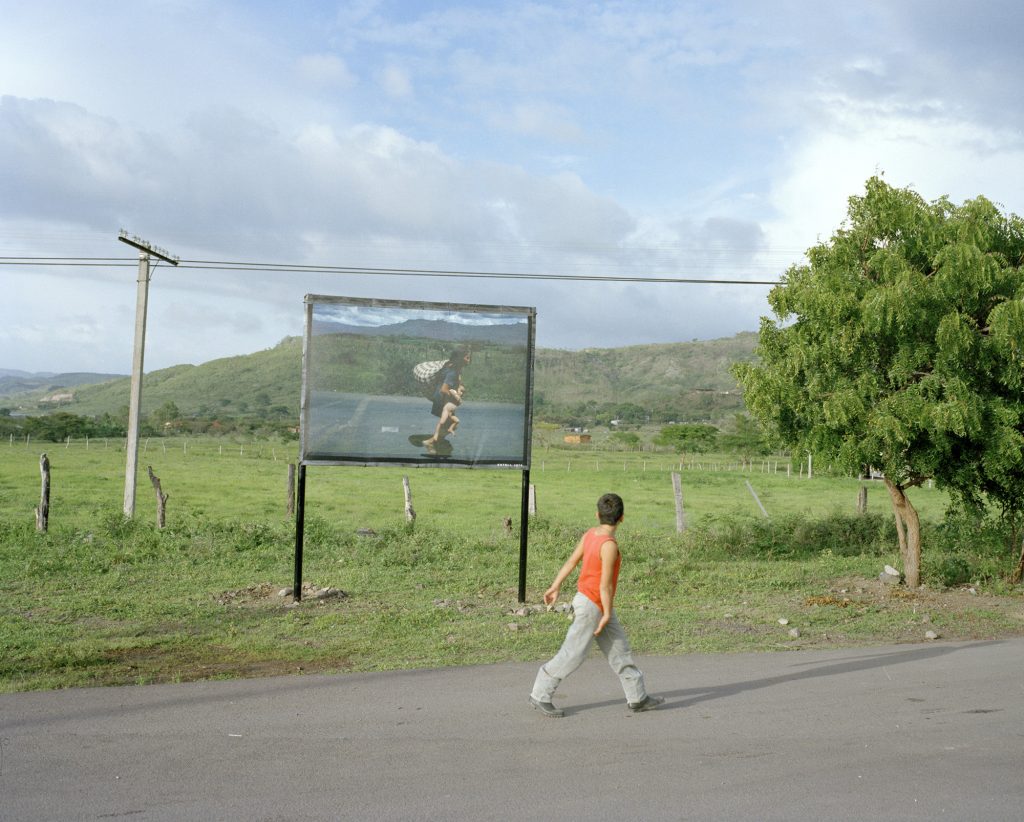
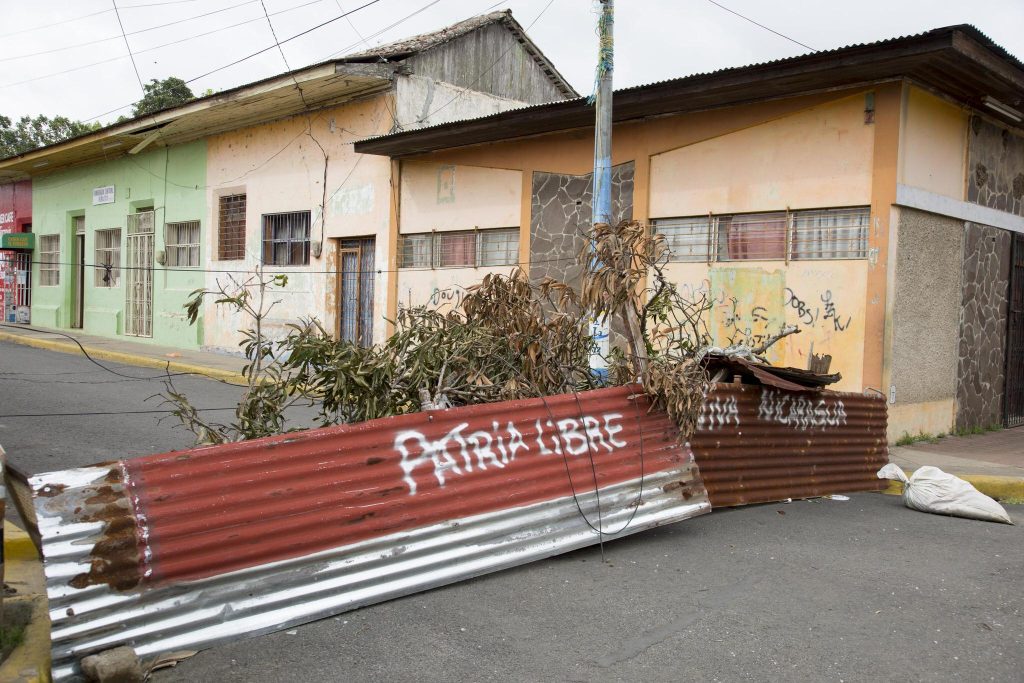
The photographs follow events at close range rather than from a distance. On the ground, Meiselas found that without colour she could not truly see the places and the people; the pictures that resulted hold both the intimacy of daily life and the violence of the insurrection. After the book was published, she felt the need to return and to speak with those who appeared in her frames. Over the following four decades she has gone back to Nicaragua many times, tracking how her pictures were reproduced on T-shirts, stamps and matchboxes, and painted as murals, most often in praise of the Revolution, but sometimes to criticise or oppose it.
What she discovered is that the photographs had taken on a life of their own. A gap had opened between what the images originally documented and what they came to stand for in the collective imagination. In Meiselas’s work, that tension between history and memory becomes the subject itself.
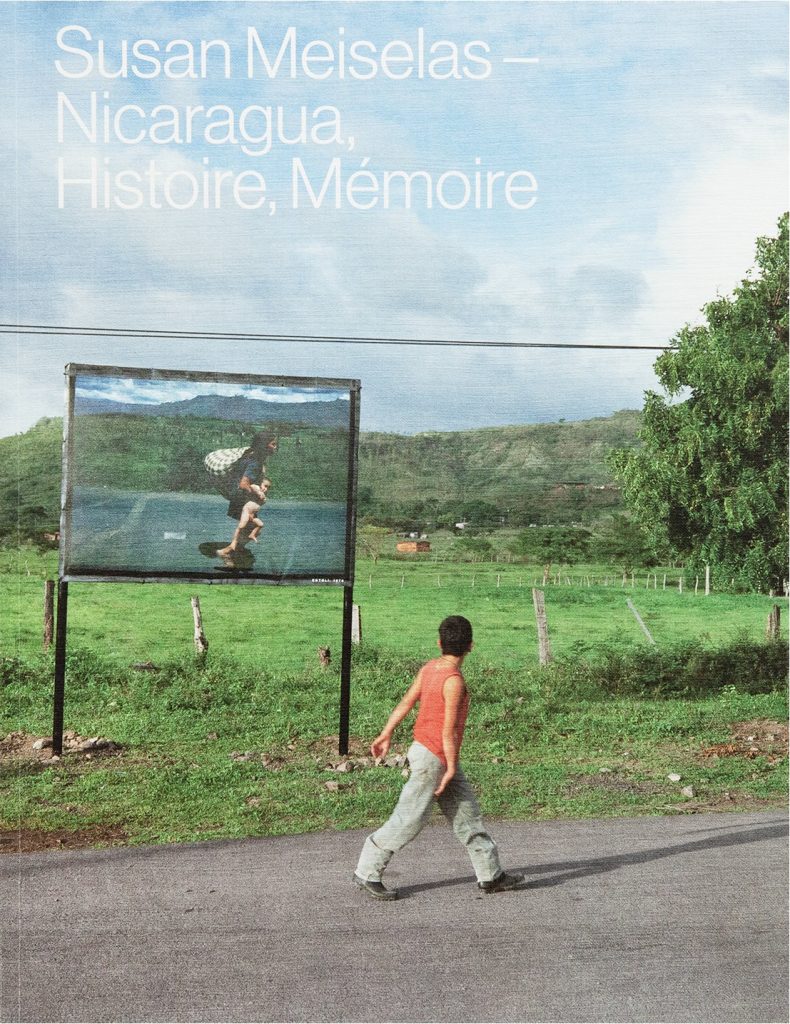
Nicaragua, History, Memory, curated by Clément Chéroux, director of the Fondation Henri Cartier-Bresson, is the first exhibition to approach the series from this angle: the circulation, transformation and collective appropriation of the images. It brings together more than a hundred works, documents and film excerpts, including previously unpublished photographs. Four contemporary artists (Alfredo Jaar, Arno Fischer and Peter Voigt, Joy Garnett, and Gabriel Pérez-Setright) present works in dialogue with Meiselas.
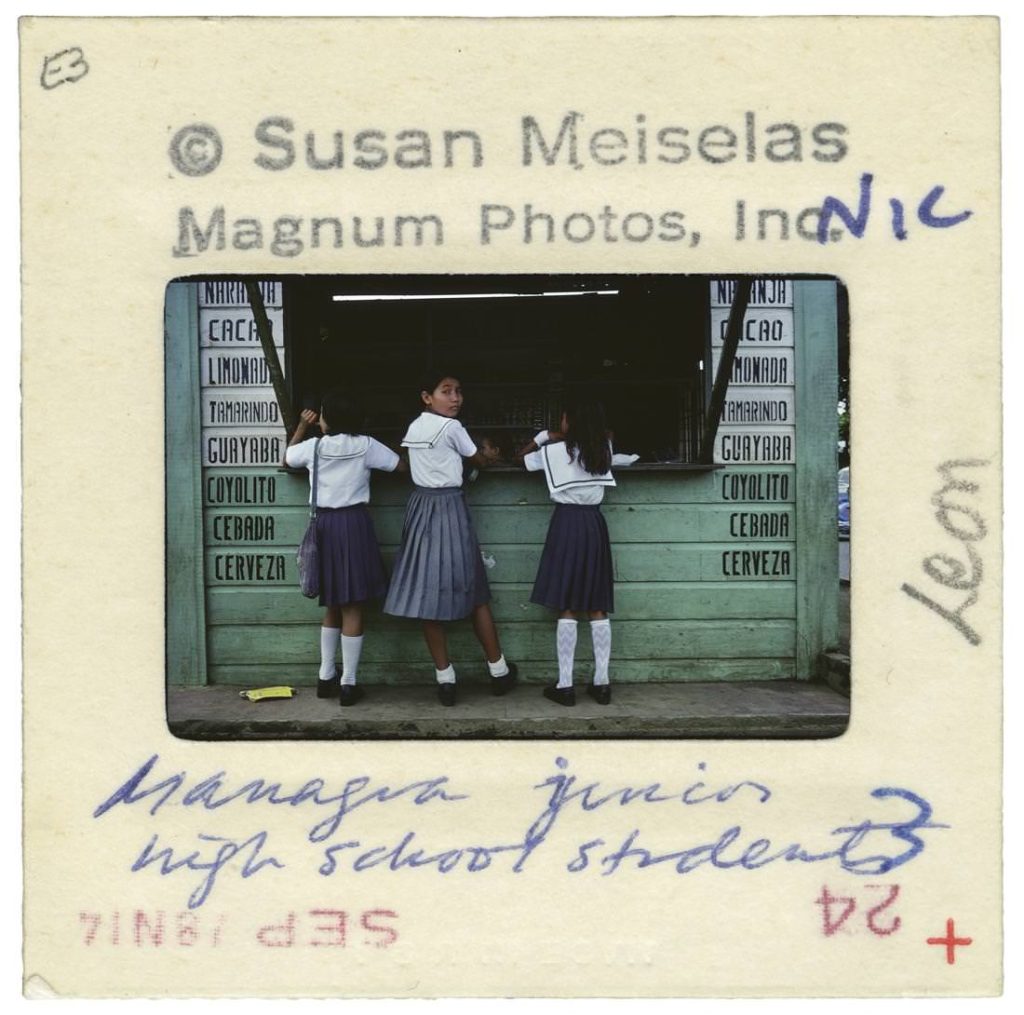
The accompanying catalogue, published by Atelier EXB and edited by Chéroux, gathers this Nicaragua material across forty years for the first time. Correspondence with Magnum Photos, colour slides, press reproductions, annotated book pages, filmed interviews, and installations in the street and in museums are set alongside the photographs, raising questions about how images travel, how they are reproduced, and how some of them become icons. Essays by Gioconda Belli, Carlos Fernando Chamorro, Clément Chéroux, Kristen Lubben, Susan Meiselas and Ileana L. Selejan, together with an interview with Lucy Lippard, situate the work in its historical and critical context.
About the Author
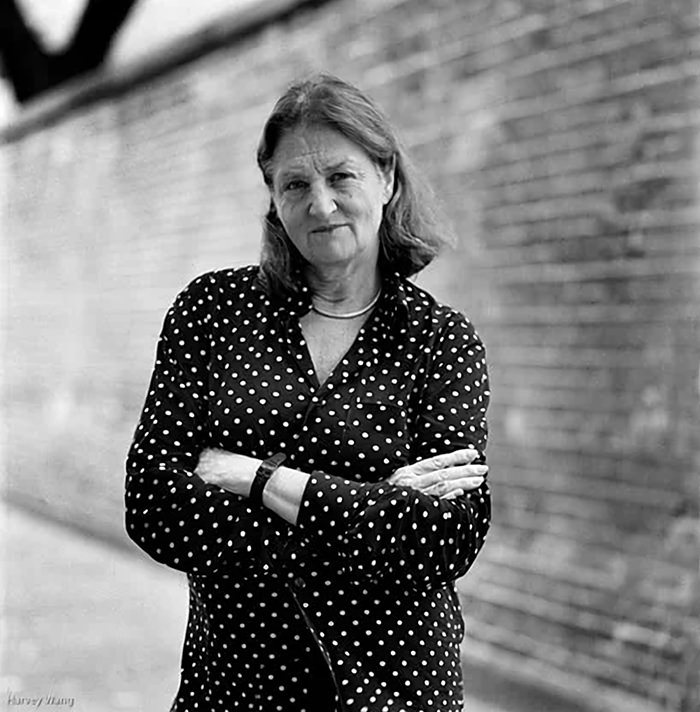
Susan Meiselas was born in 1948 in Baltimore and lives and works in New York. After Carnival Strippers (1972–1975), she joined Magnum Photos in 1976, one of the few women invited at the time, with a practice built on duration and collaboration. Her coverage of conflict in Central America between 1978 and 1983, and of Nicaragua in particular, brought her international recognition; her work has since ranged from human rights and cultural identity to war. She has been president of the Magnum Foundation since 2007. Her distinctions include a MacArthur Fellowship (1992), the Hasselblad Foundation Prize (1994), the Women in Motion Prize (2019) and the Prix Henri Cartier-Bresson for her body of work (2025).
Susan Meiselas: Nicaragua, History, Memory
21 October 2026 – 7 March 2027
Fondation Henri Cartier-Bresson – Paris – France