Allen Ginsberg and Vivian Maier: Notes from the Margins
Howard Greenberg Gallery is putting on a show this summer that feels genuinely overdue. Notes from the Margins brings together the work of Allen Ginsberg and Vivian Maier, two artists born in the same year, 1926, who never crossed paths but whose work rhymes in ways that are hard to ignore. The exhibition runs through September 12, 2026.
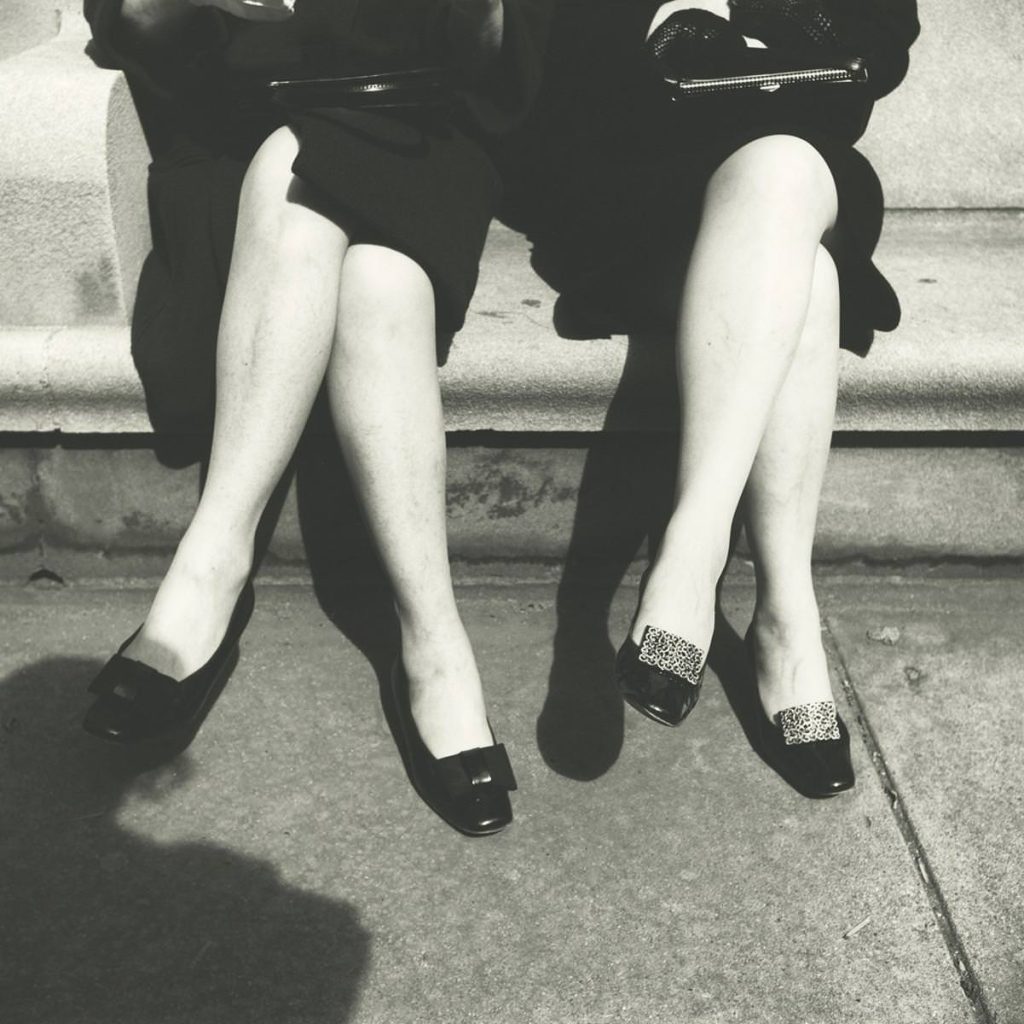
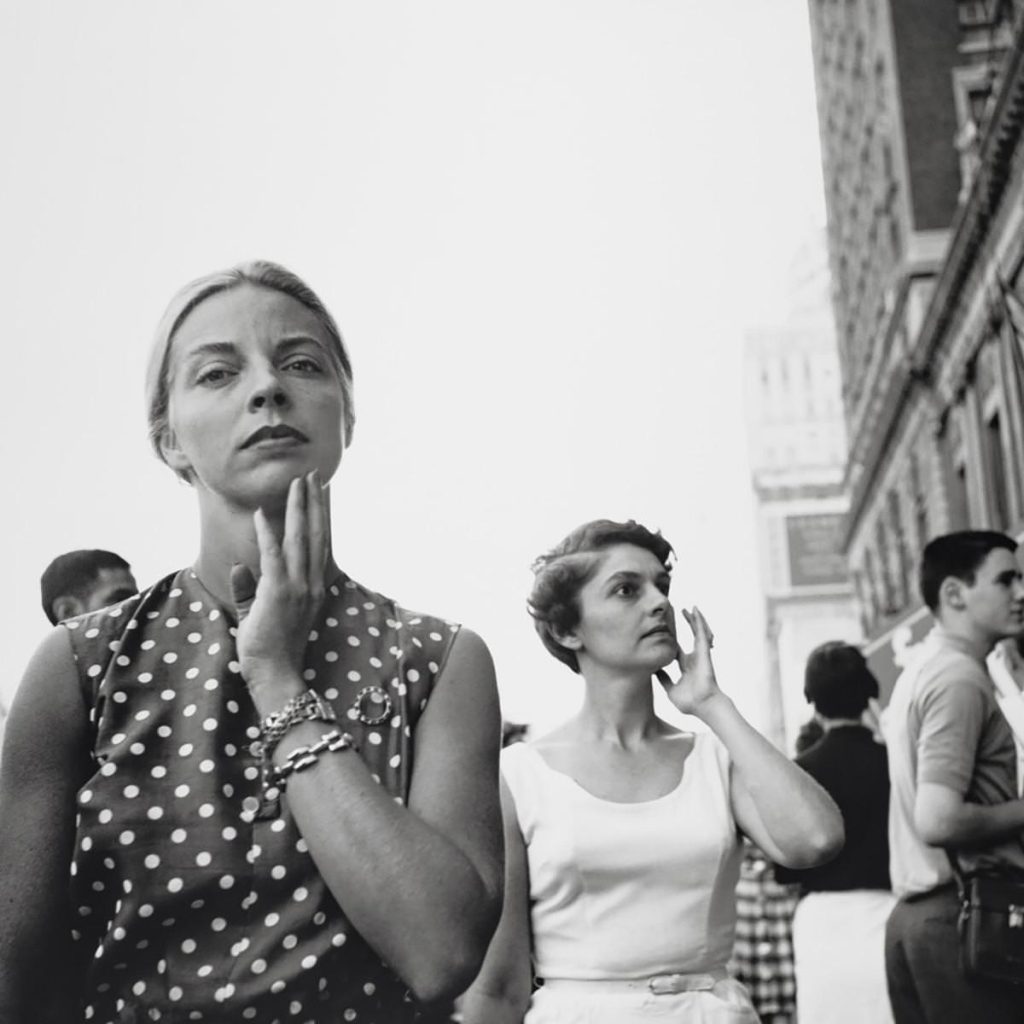
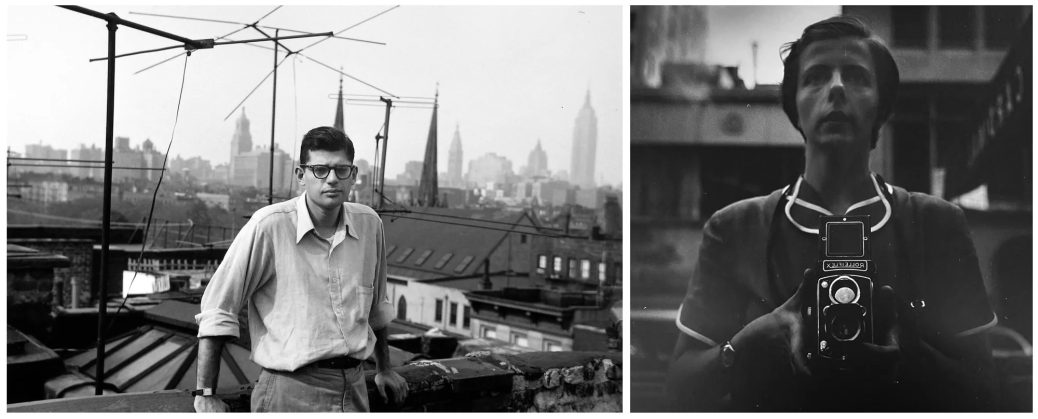
What draws these two together isn’t just the coincidence of a shared birth year. Both were, in different ways, outsiders. Ginsberg was the loud one, poet, provocateur, openly queer, spiritually restless, forever photographing his circle of Beat writers with a cheap camera. Maier was the quiet one, a nanny who spent decades walking the streets of Chicago with her Rolleiflex, shooting everything she saw and showing it to almost no one. Her work only surfaced after she died, when a box of negatives turned up at a Chicago auction in 2007. Over 100,000 images, unseen.
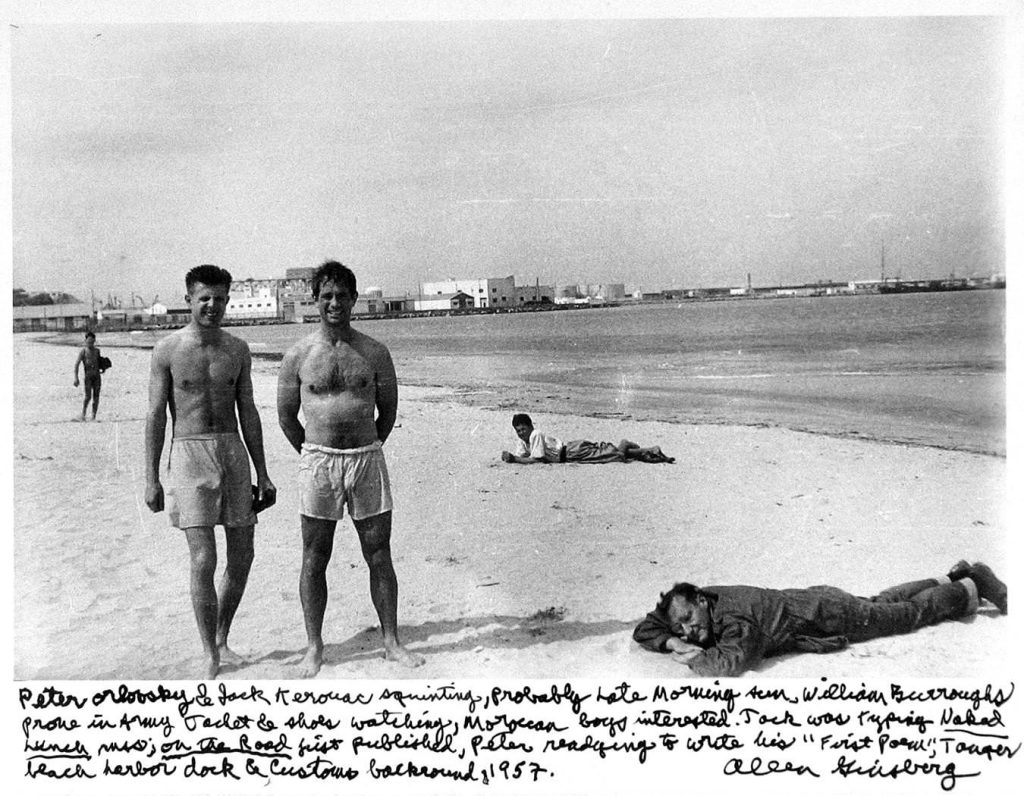
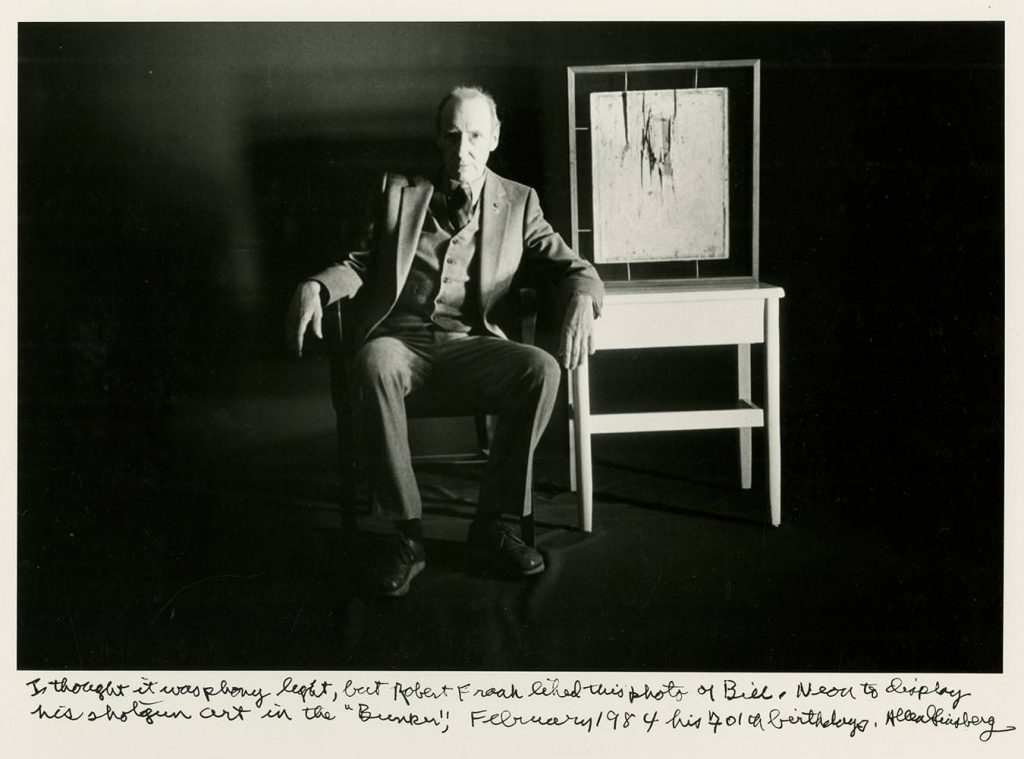
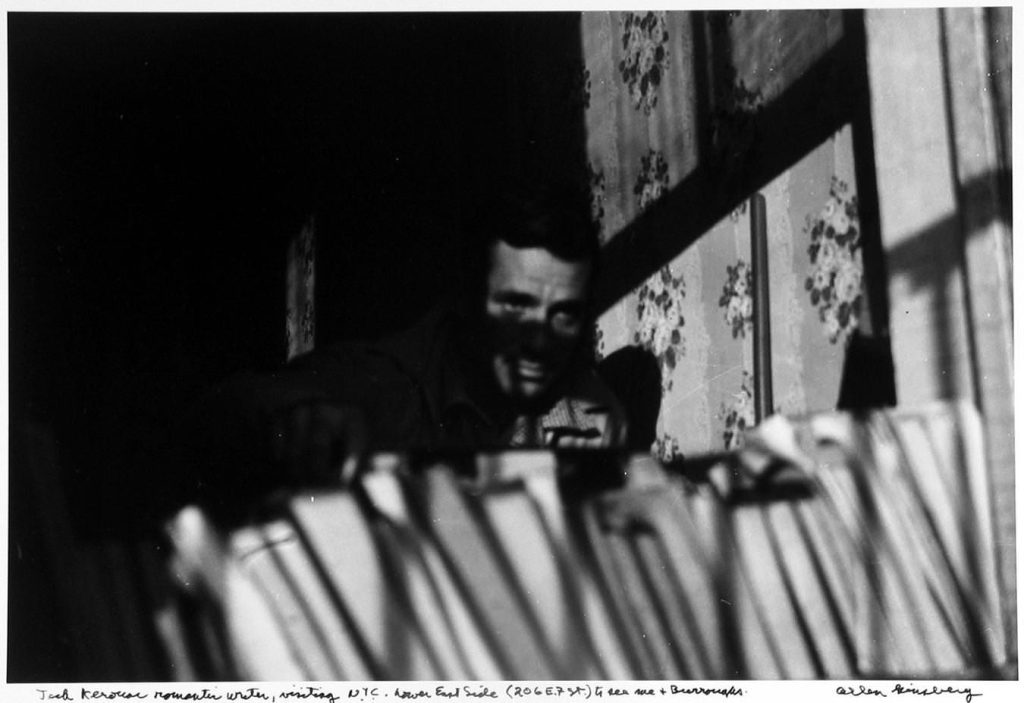
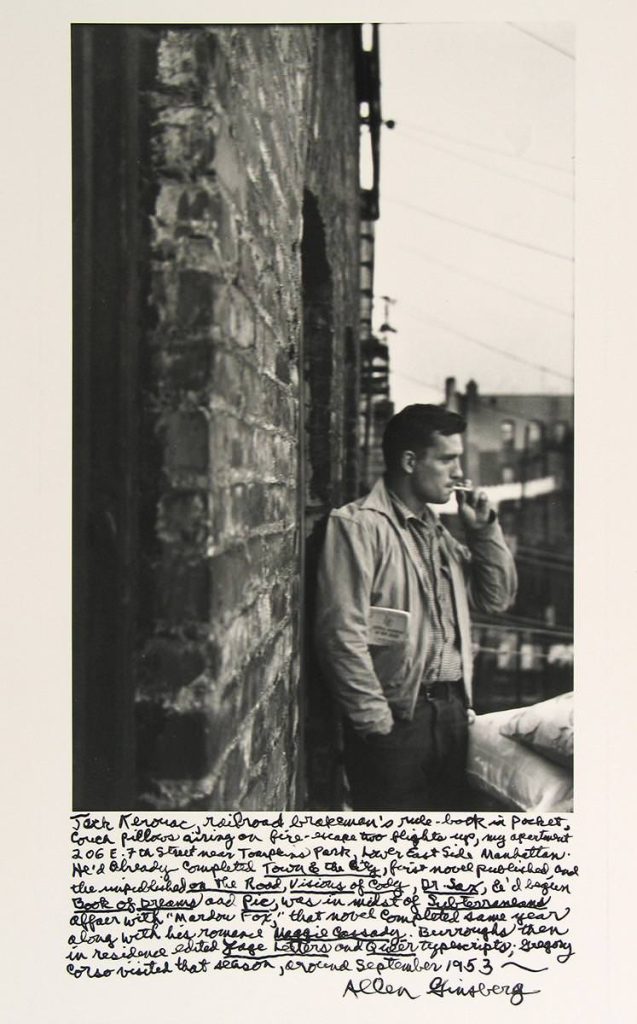
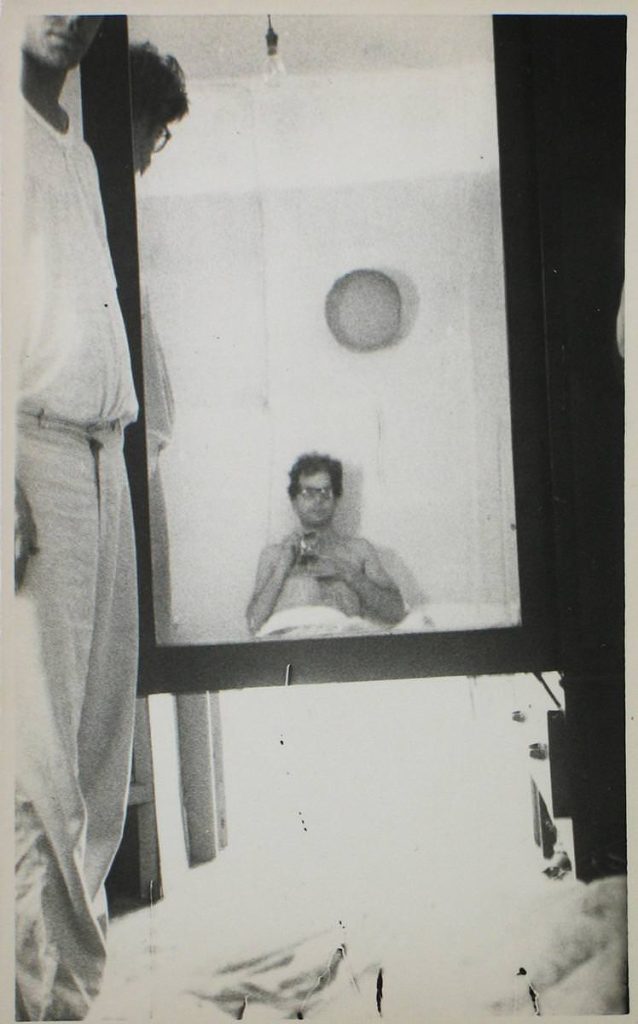
The photographs Ginsberg took span roughly a decade, from the early 1950s to around 1964. They’re mostly portraits, Jack Kerouac, William Burroughs, Neal Cassady, Gregory Corso, casual and warm, sometimes annotated in his own handwriting. Then he lost the camera and didn’t pick one up again for twenty years.
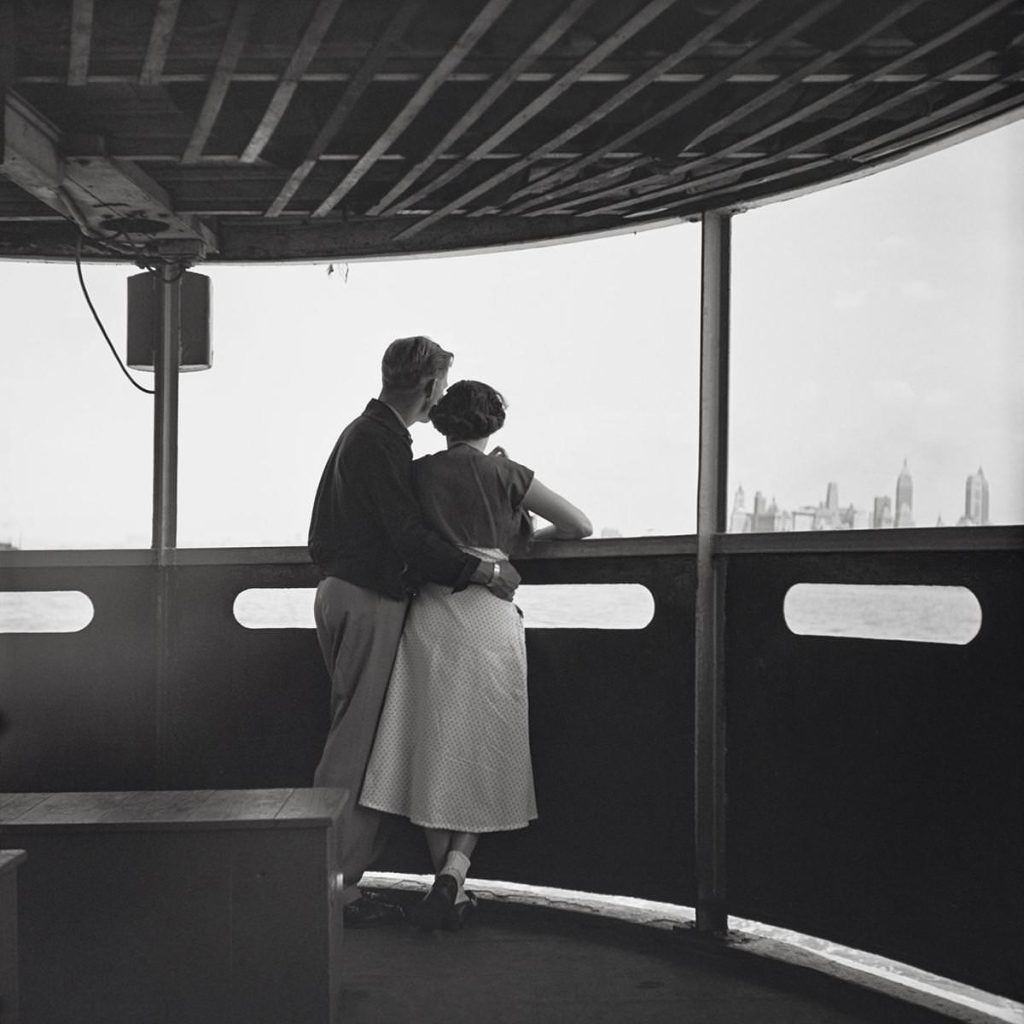
Maier’s pictures are something else entirely. She was methodical, obsessive even, building an archive of street life over five decades that nobody knew existed. The scale of it is staggering, and there’s still a lot we don’t know about who she actually was.
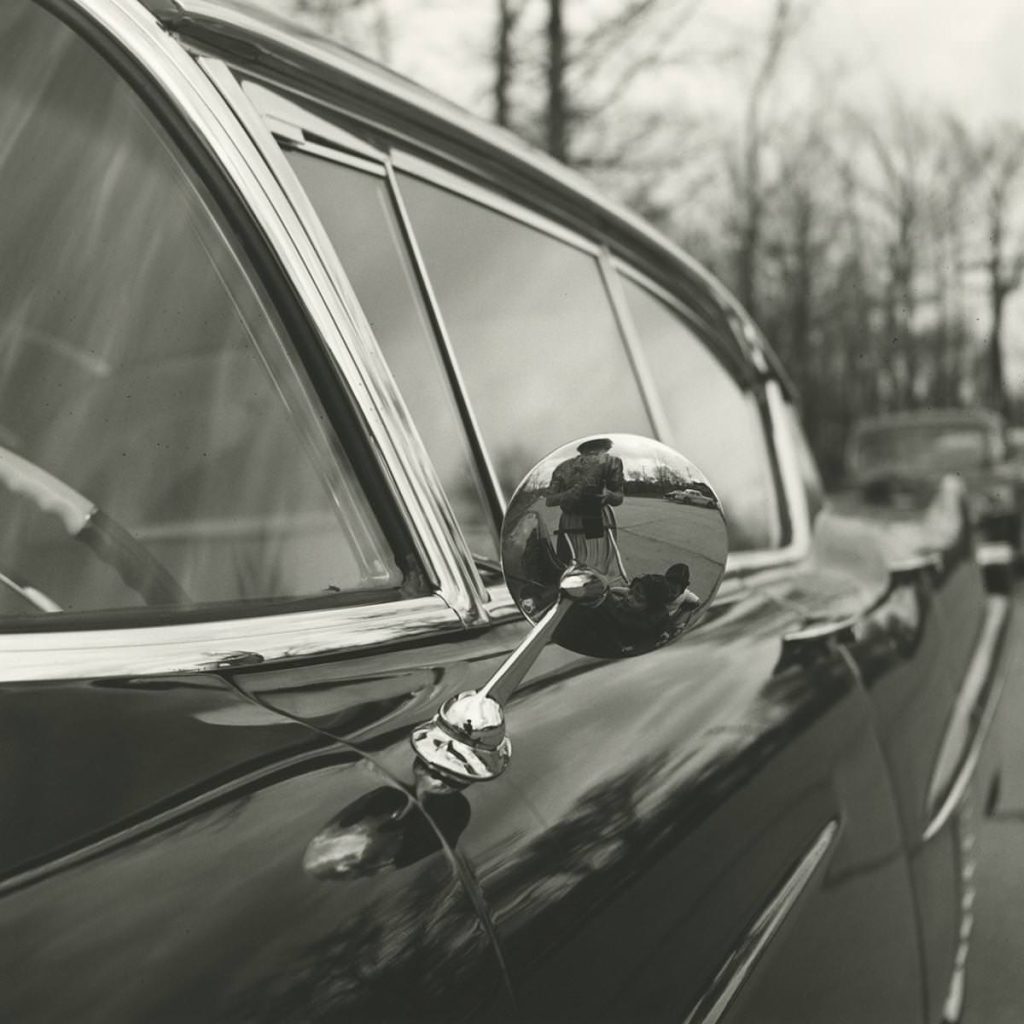
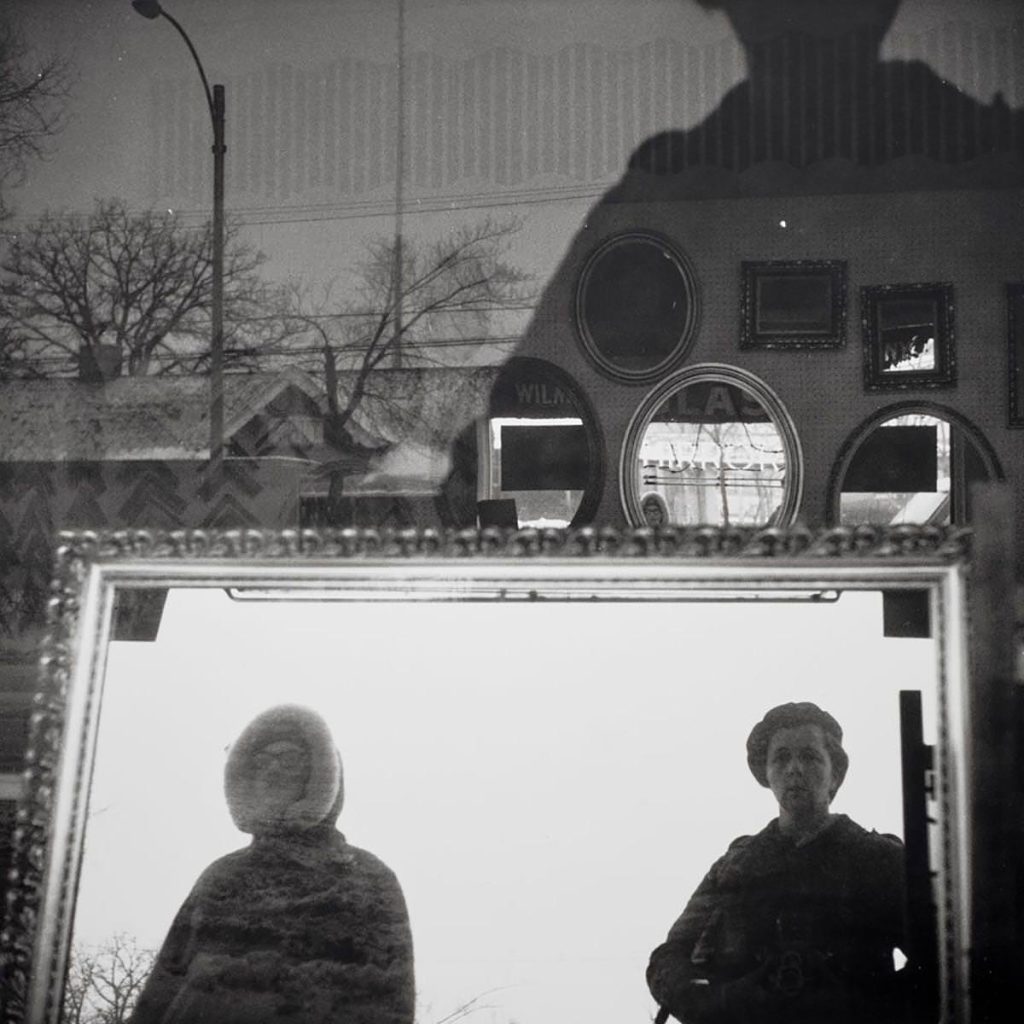
The show brings together around 80 prints, vintage and modern, plus some of Maier’s experimental film footage and a recording of Ginsberg reading Howl. Self-portraiture keeps coming up as a theme, and so does the city as a subject. Put side by side, these two bodies of work make you think about what it means to look closely at the world without much expectation of an audience, and what gets preserved when someone does.
About the Authors
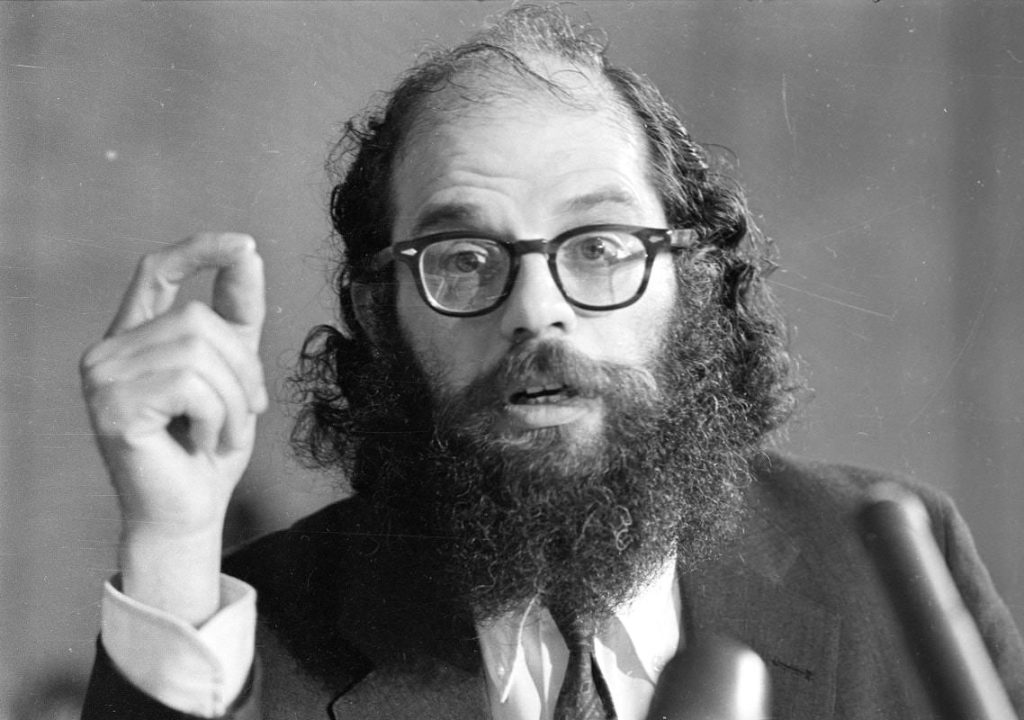
Allen Ginsberg (1926–1997) was one of those rare figures who became famous far beyond the world of literature. Poet, activist, photographer, spiritual seeker, he resisted every attempt to pin him down. As a writer, he’ll be remembered above all for two poems: Howl, with its thunderous opening line, “I saw the best minds of my generation destroyed by madness,” and Kaddish, a devastating portrait of his mother’s mental illness. But his body of work was vast, spanning political satire, nature writing, dream poems, and eventually a National Book Award for The Fall of America. He came to prominence in 1956 with the publication of Howl and Other Poems, and shot to international fame the following year when the poem was put on trial for obscenity in San Francisco. From that point on, Ginsberg embraced his role as the Beat Generation’s loudest and most tireless voice, promoting not just his own work but that of Kerouac, Burroughs, Corso, and countless others. In 1973, he co-founded the Jack Kerouac School of Disembodied Poetics in Boulder, Colorado, cementing the movement’s legacy. His activism was inseparable from his poetry. He spoke out against the Vietnam War, championed gay rights long before it was safe to do so, and became a figurehead of the counterculture, credited with coining the term “Flower Power.” He was expelled from Cuba and Czechoslovakia, accumulated a thick FBI file, and kept going anyway.
Music, travel, and Buddhism also shaped his later years. He collaborated with Bob Dylan, Philip Glass, and Paul McCartney, among others. He traveled everywhere, every continent, every American state, and eventually took formal Buddhist vows.
Despite the fame, he lived simply, shopped at thrift stores, and gave much of his income away to support other artists. He died in 1997, but Howl is still being picked up by restless young readers somewhere in the world today, which is probably exactly what he would have wanted.
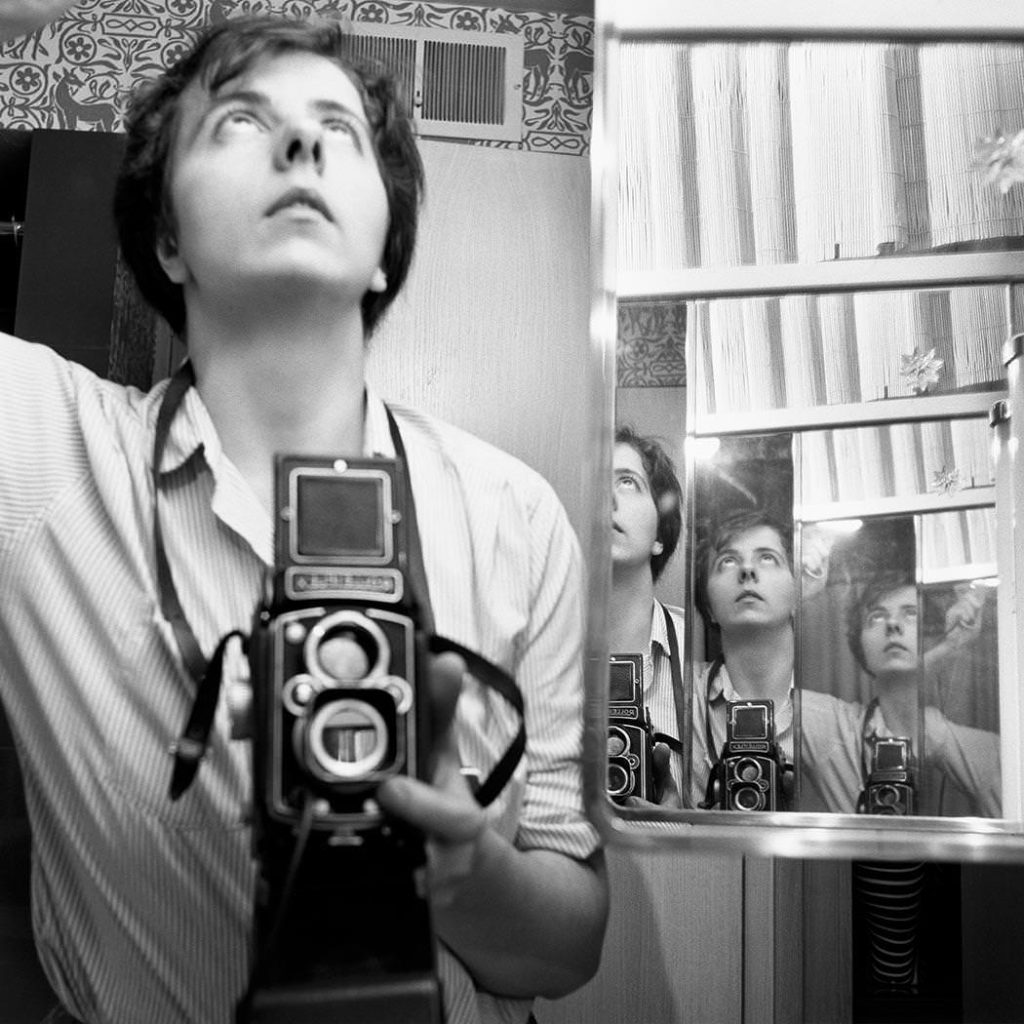
Vivian Maier (1926–2009) spent most of her life being overlooked, which is perhaps why she understood, better than almost anyone, how to photograph the people the world tends to ignore. Born in New York to a French mother and an Austrian father, she grew up moving between the United States and France before eventually settling in Chicago, where she worked as a nanny for much of her adult life. She was a private, self-contained person. She didn’t talk much about herself, didn’t show her pictures to anyone, and certainly never tried to build a career out of what she was doing. She just kept shooting.
And she shot constantly. Over five decades, she accumulated more than 140,000 negatives, plus Super 8 films, audio recordings, and stacks of prints, an enormous, meticulous archive that sat in a storage locker, unseen, until it surfaced shortly before her death in 2009. A box of her work went up for auction in Chicago in 2007, bought by someone who had no idea what they were looking at. The rest, slowly, came to light.
What that archive revealed was stunning. Her photographs are at once formally precise and completely alive, she had an instinct for the right moment, the right angle, the telling detail that most photographers would walk straight past. She was drawn to people on the edges: children, the elderly, the poor, the solitary. And she turned the camera on herself too, catching her own reflection in shop windows and mirrors with a cool, curious eye.
She never exhibited. Never sought an audience. By conventional measures, she was invisible. And yet the body of work she left behind has quietly redrawn the map of twentieth-century photography, proof that some of the most important art gets made in complete silence.
Allen Ginsberg and Vivian Maier: Notes from the Margins
June 4 – September 12, 2026
Howard Greenberg Gallery – New York, NY 10022
More info:
https://www.howardgreenberg.com/
https://allenginsberg.org/
https://www.vivianmaier.com/