David Lynch: LA
Pace Gallery will present David Lynch: LA at its Los Angeles gallery from September 18 through October 24. The exhibition marks the first presentation of Lynch’s work in the city he called home since his death in 2025. Bringing together five photographic series for the first time, the exhibition offers a rare look at Lynch’s approach to photography and at the visual language connecting his work across film, painting, and image making.
David Lynch lived in Los Angeles for more than fifty years. He arrived in the city at night in 1972 and later recalled waking to the scent of jasmine and the unmistakable light of Southern California. Los Angeles would become both his home and one of the central sources of inspiration for his creative life.
David Lynch: LA places his photographic work within the mythology, strangeness, and emotional atmosphere of the city. Throughout these images, Lynch returns to many of the archetypes associated with Los Angeles, including beauty, desire, transformation, glamour, and darkness. For him, the identity of the city was never defined simply by architecture or geography. It existed equally in a mood, a psychological state, and a particular quality of light.
Before settling in Los Angeles, Lynch spent five years studying painting at the Pennsylvania Academy of the Fine Arts in Philadelphia. During the 1960s, the city was experiencing industrial decline, and Lynch was deeply affected by its unsettling streets, abandoned buildings, and sense of unease. These early experiences helped shape a visual language built around mystery, tension, and psychological intensity, qualities that would remain central to his work throughout his career.
In 1972, Lynch moved to Los Angeles as a fellow at the American Film Institute. He was given access to the former stables of the historic Greystone Mansion in Beverly Hills, where he lived and worked for the following five years. It was there that he created Eraserhead in 1977, the film that launched his career as a director. Despite the international recognition that followed, Lynch never left behind his practice as a visual artist. Film, painting, drawing, photography, sculpture, and music developed alongside one another, connected by the same highly personal imagination.
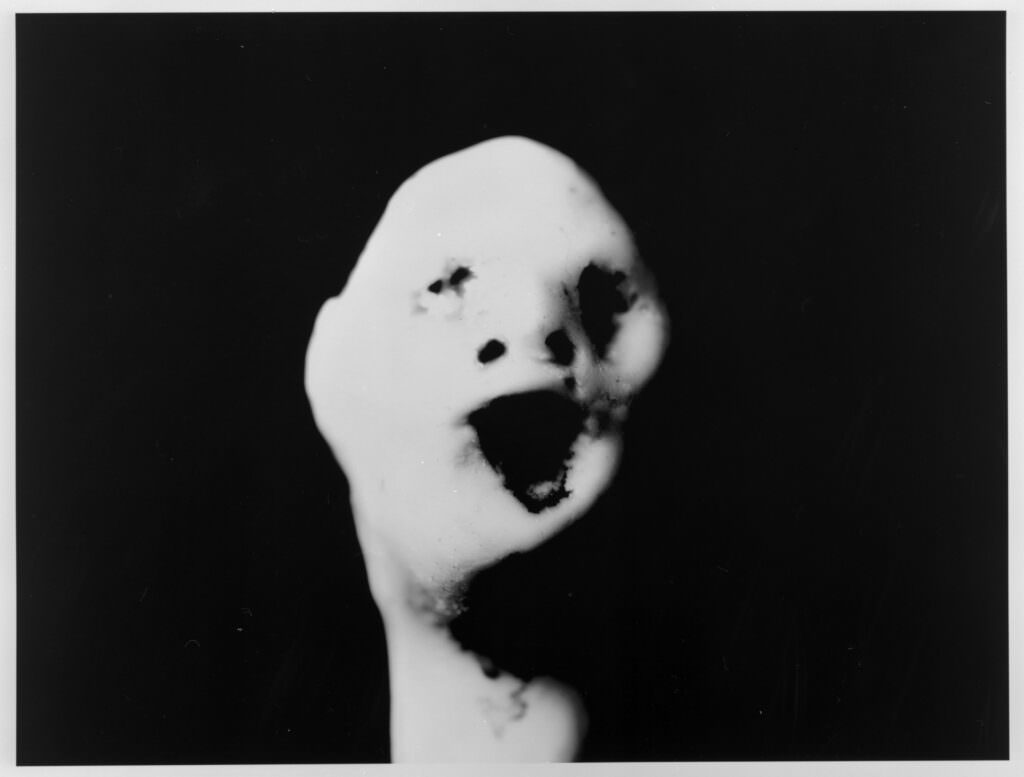
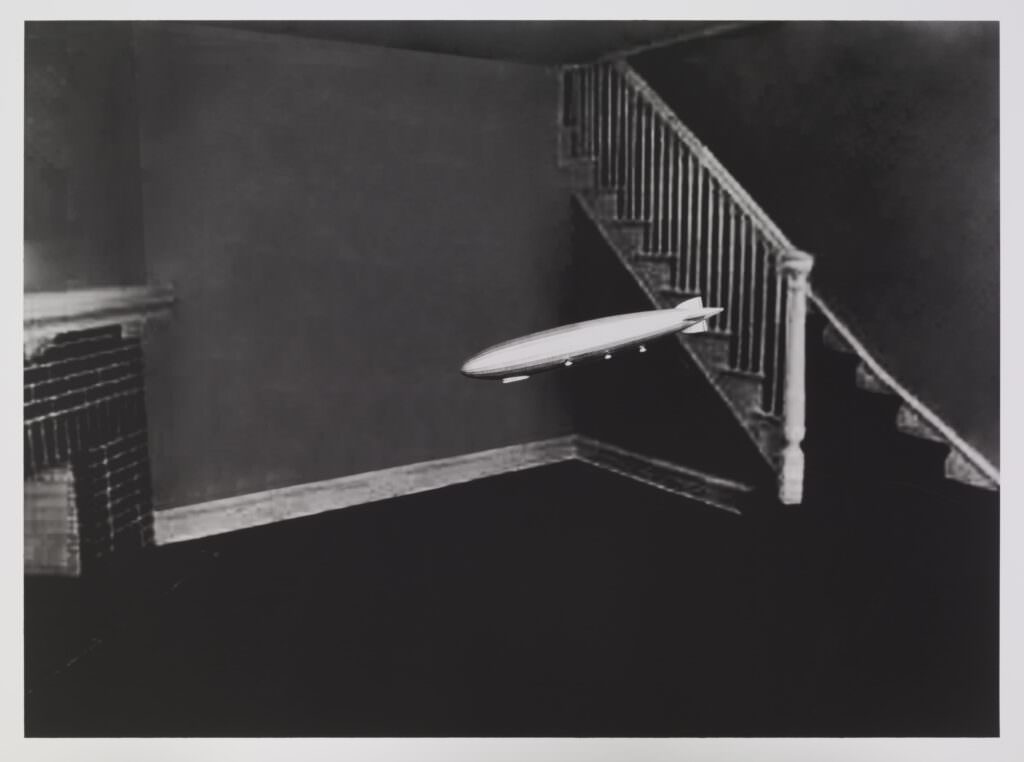
The exhibition brings together photographs from five series created between 1979 and 2008. Across these different bodies of work, atmosphere and storytelling remain fundamental. Rather than documenting the world in a conventional sense, Lynch used photography to suggest narratives, psychological states, and situations that appear suspended somewhere between reality and dream.
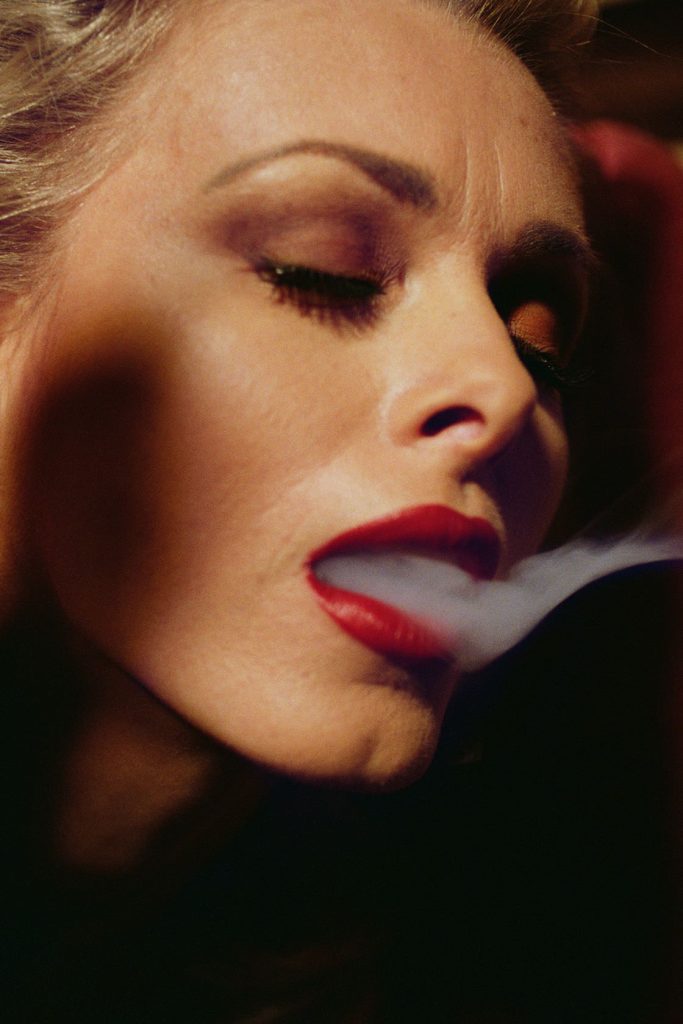
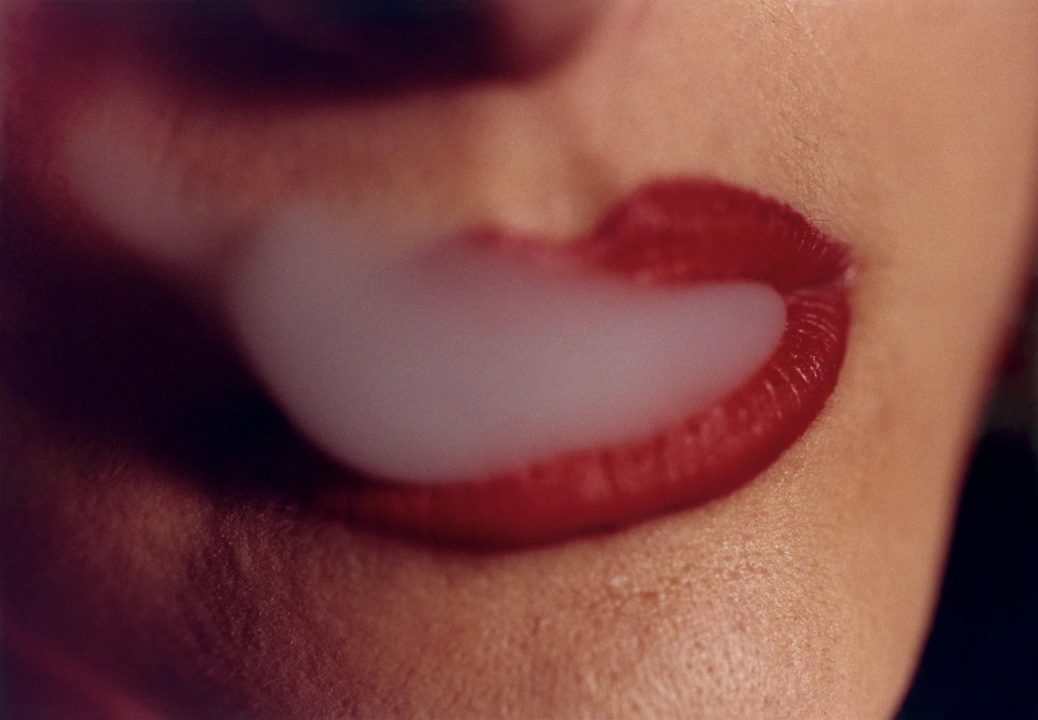
Five large scale color photographs from the Figures and Smoke series form a central part of the exhibition. In these images, women’s faces appear in extremely tight crops, caught in moments of intense emotion and sensuality. Smoke emerges from red stained mouths and drifts across the photographs like clouds, producing images that feel simultaneously physical and elusive.
The exhibition also includes Lynch’s photographs of Los Angeles itself. Seen through his highly cinematic eye, the city becomes a collection of architectural fragments, industrial zones, anonymous buildings, empty streets, and overlooked spaces. These photographs reveal an interest not in the familiar image of Los Angeles, but in the quieter and more ambiguous environments hidden behind its mythology.
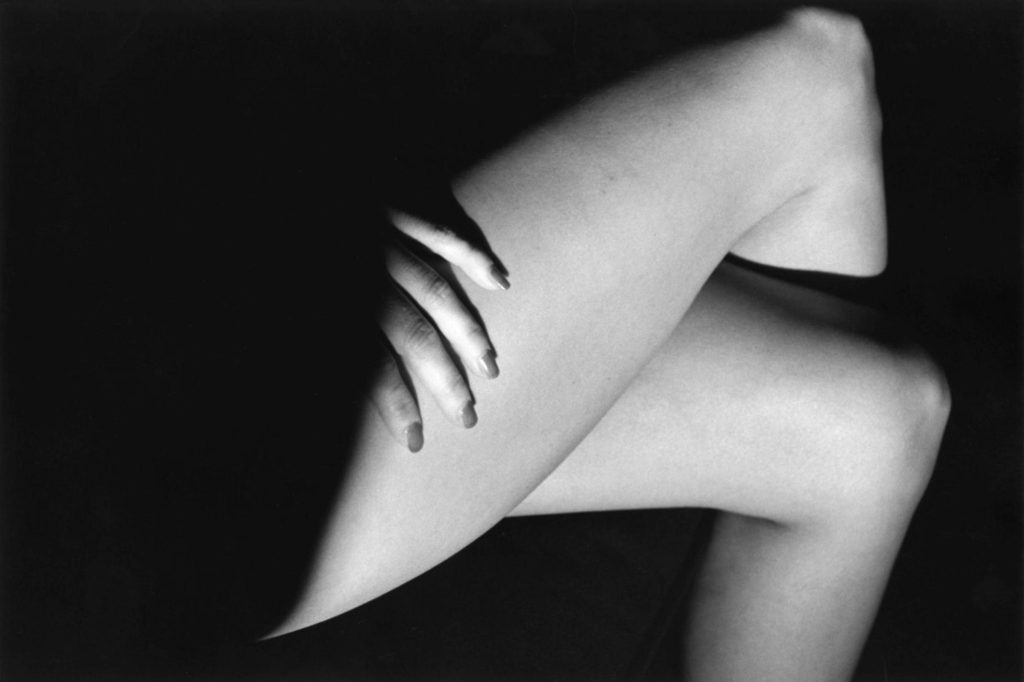
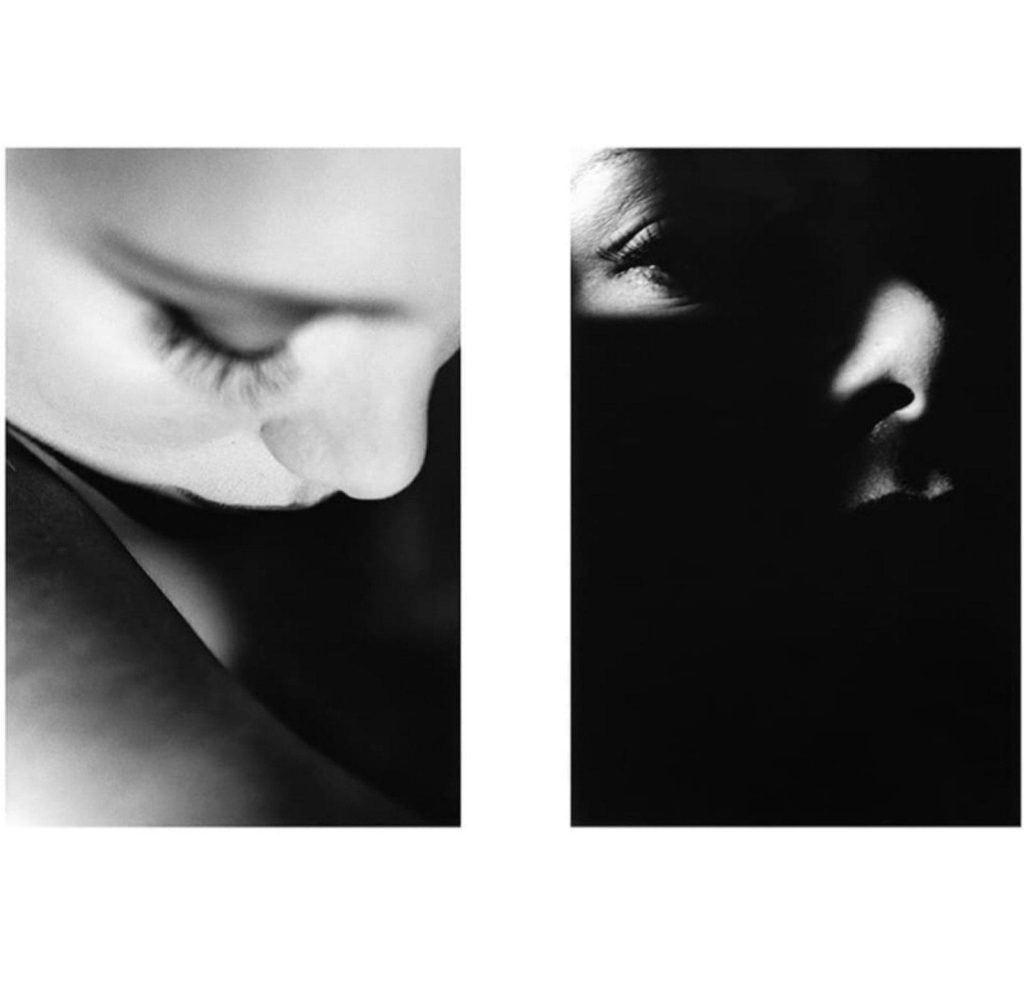
Another significant group of works focuses on the nude. In these black and white photographs, Lynch transforms the female body into an almost abstract landscape. Cropping, light, and framing dissolve the figure into curves, surfaces, shadows, and topographical forms, making the distinction between body and landscape increasingly uncertain.
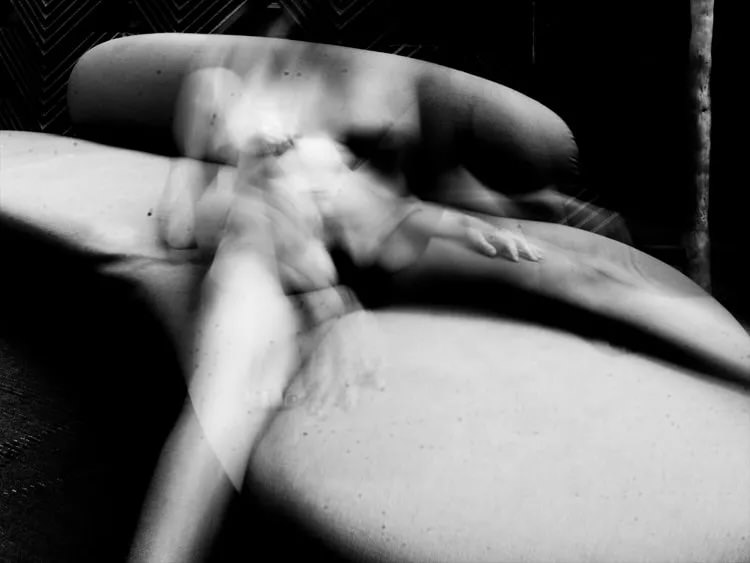
In the Couch Series, Lynch revisits the traditional art historical subject of the reclining female figure. Rather than presenting a single stable body, however, he multiplies, blurs, and distorts the figure. The images reflect his fascination with early photographic techniques, particularly the layering of negatives to create multiple exposures, while at the same time reworking a subject that has appeared throughout centuries of Western art.
The series Kits reveals another side of Lynch’s imagination and his fascination with ordinary objects, processes, and the mechanics of how things are made. Recalling his childhood interest in building model airplanes, Lynch photographed the disassembly of a fish, a chicken, and a duck, accompanying the images with dry, deliberately absurd instructions explaining how the creatures might be put back together.
These photographs embody a quality that came to be described simply as Lynchian. Everyday objects and situations remain recognizable, yet something within them has shifted. What initially appears familiar becomes strange, unsettling, or unexpectedly poetic. Reality and imagination begin to overlap, creating the sense that another world may exist just beneath the visible one.
About the Author
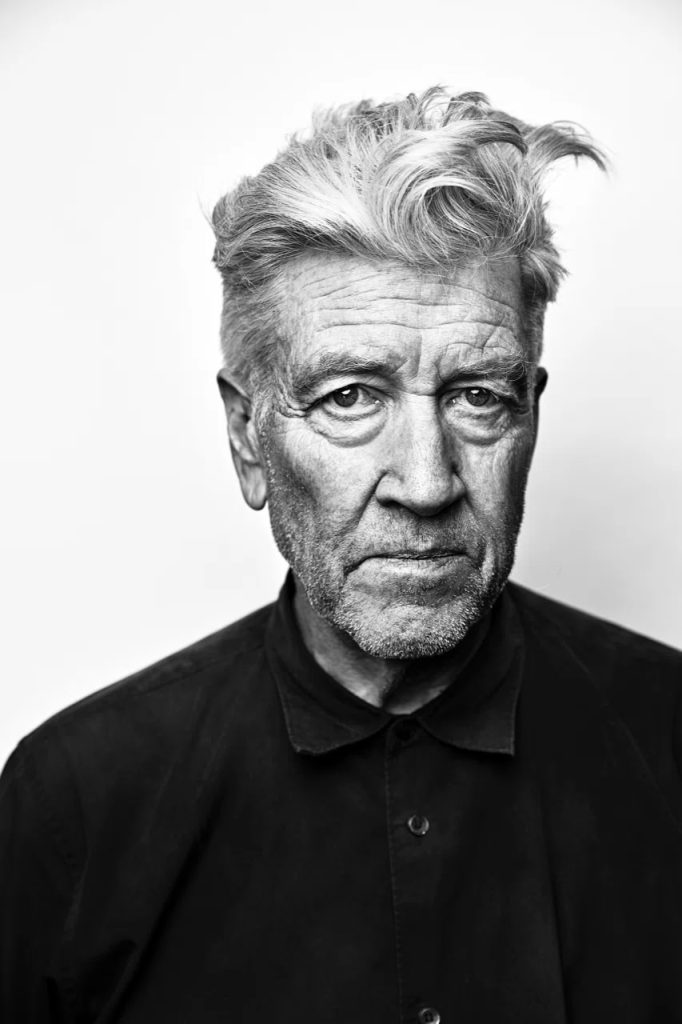
David Lynch’s career spanned nearly six decades and encompassed painting, drawing, photography, printmaking, sculpture, music, and film. Although best known internationally as a filmmaker, Lynch consistently considered himself a visual artist, and his studio practice remained central to his creative life. His artwork has been presented in numerous major solo exhibitions. In 2007, Fondation Cartier pour l’art contemporain in Paris organized The Air is on Fire: 40 Years of Paintings, Photographs, Drawings, Experimental Films, and Sound Creations. The exhibition later traveled to La Triennale di Milano in 2008, the Cultural Foundation Ekaterina in Moscow in 2009, and GL Strand in Copenhagen in 2011. Other important exhibitions include Between Two Worlds at the Queensland Art Gallery in Brisbane in 2015 and Someone is in my House at the Bonnefantenmuseum in Maastricht from 2018 to 2019. Lynch’s work is held in major public collections around the world, including Fondation Cartier pour l’art contemporain in Paris, the Los Angeles County Museum of Art, Maison Européenne de la Photographie in Paris, The Museum of Modern Art in New York, and Museum Würth in Künzelsau, Germany. As a filmmaker, Lynch created some of the most influential works in contemporary cinema and television, including Eraserhead in 1977, The Elephant Man in 1980, Blue Velvet in 1986, Lost Highway in 1997, Mulholland Drive in 2001, Inland Empire in 2006, and the television series Twin Peaks, which first aired in 1990 and 1991.
David Lynch: LA
from September 18 through October 24
Pace Gallery – Los Angeles – CA 90019
More info: