Fan Ho: The Master of Hong Kong Photography
From 11 September 2026 to 10 January 2027, Palazzo Falletti di Barolo in Turin presents Fan Ho: The Master of Hong Kong Photography, a major retrospective dedicated to Fan Ho, one of the most significant Asian photographers of the twentieth century.
Produced and organised by Ares in collaboration with Blue Lotus Gallery in Hong Kong, the exhibition is curated by Elisa Maupas and Sarah Van Ingelgom. It brings together one hundred photographs, mostly in black and white, tracing Fan Ho’s career through the images he created primarily during the 1950s and 1960s, when Hong Kong was undergoing profound social and economic transformation.
Born in Shanghai and moving to Hong Kong with his family at the age of eighteen, Fan Ho found in the city an extraordinary visual territory. Its streets, markets, narrow alleys and crowded neighbourhoods became the setting for a body of work that combined an instinctive interest in everyday life with an exceptionally rigorous sense of composition.
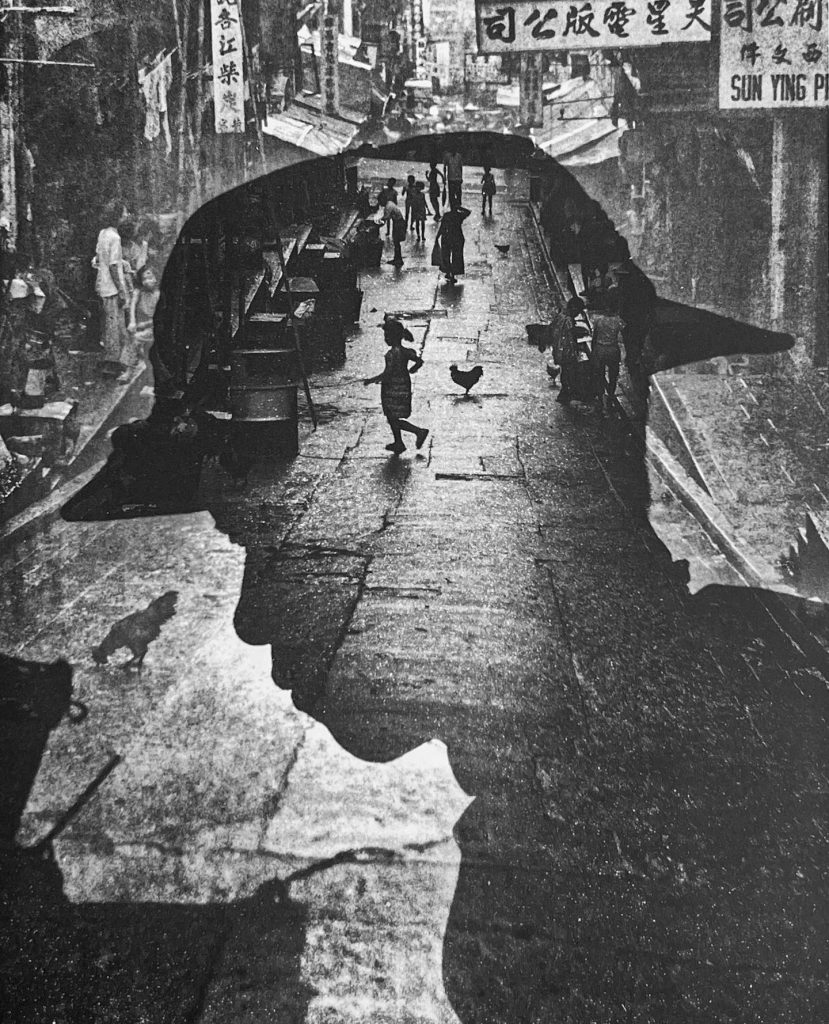
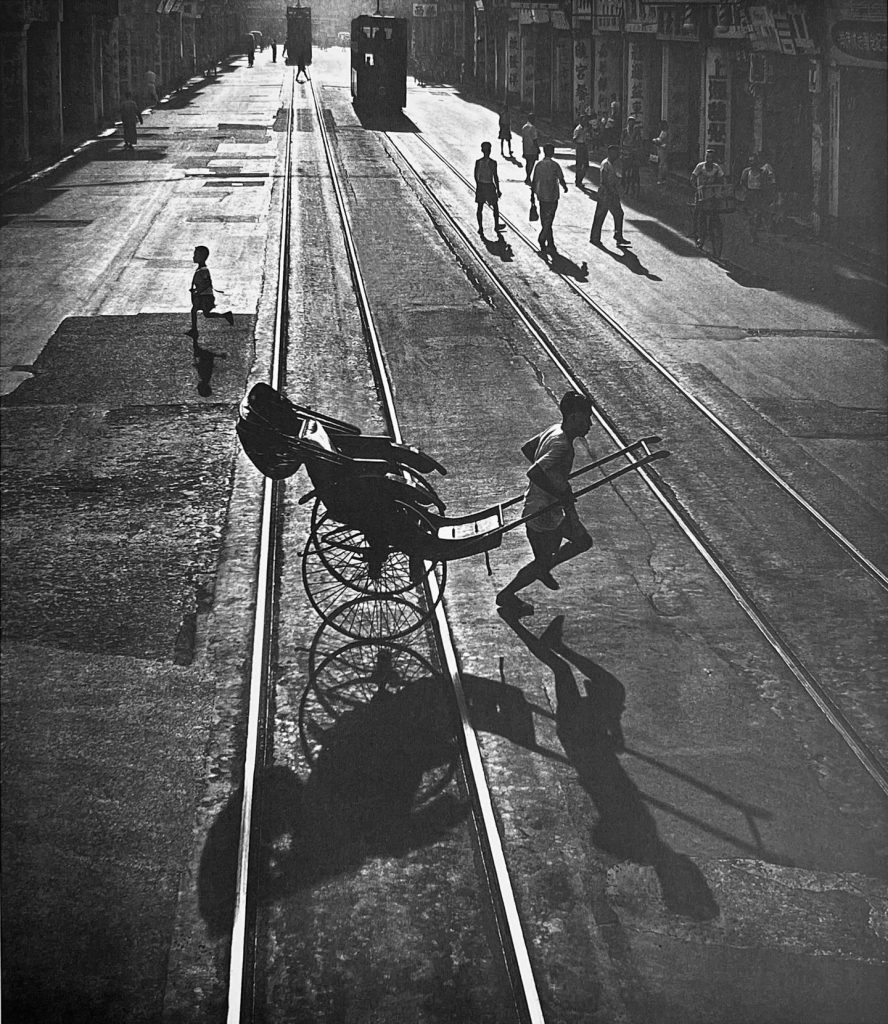
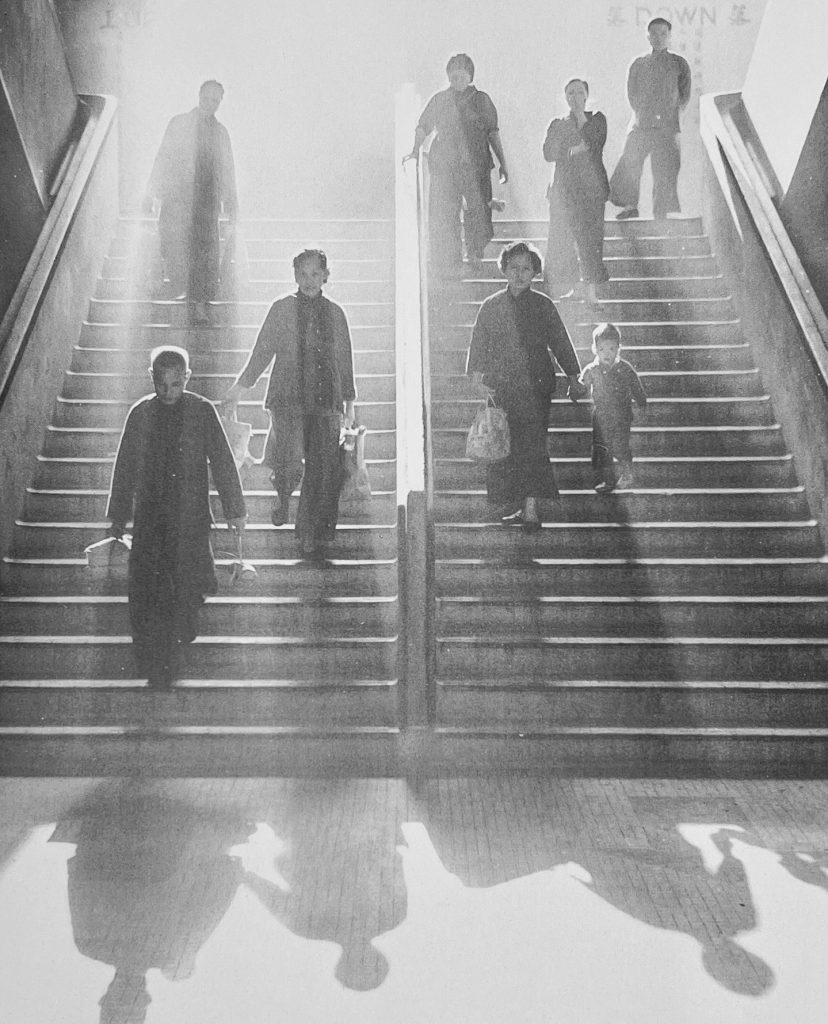
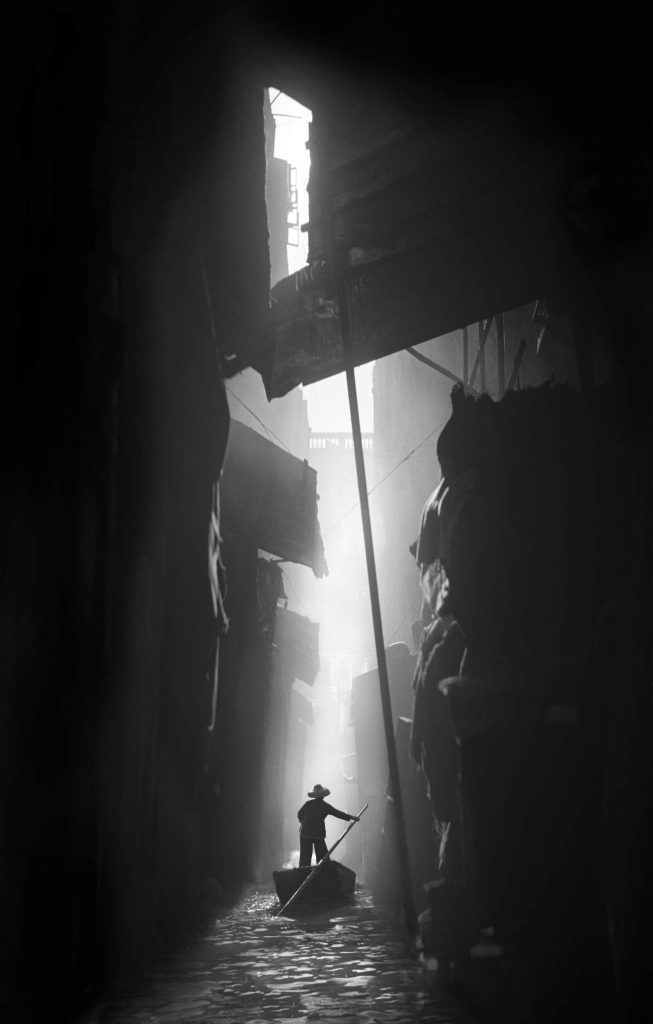
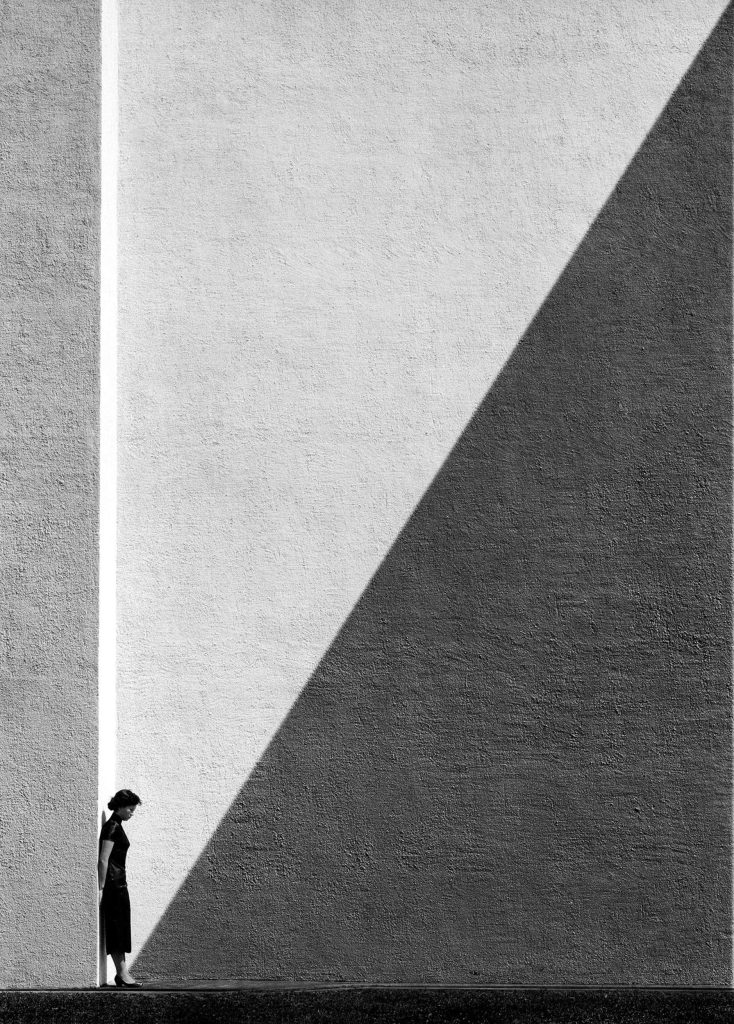
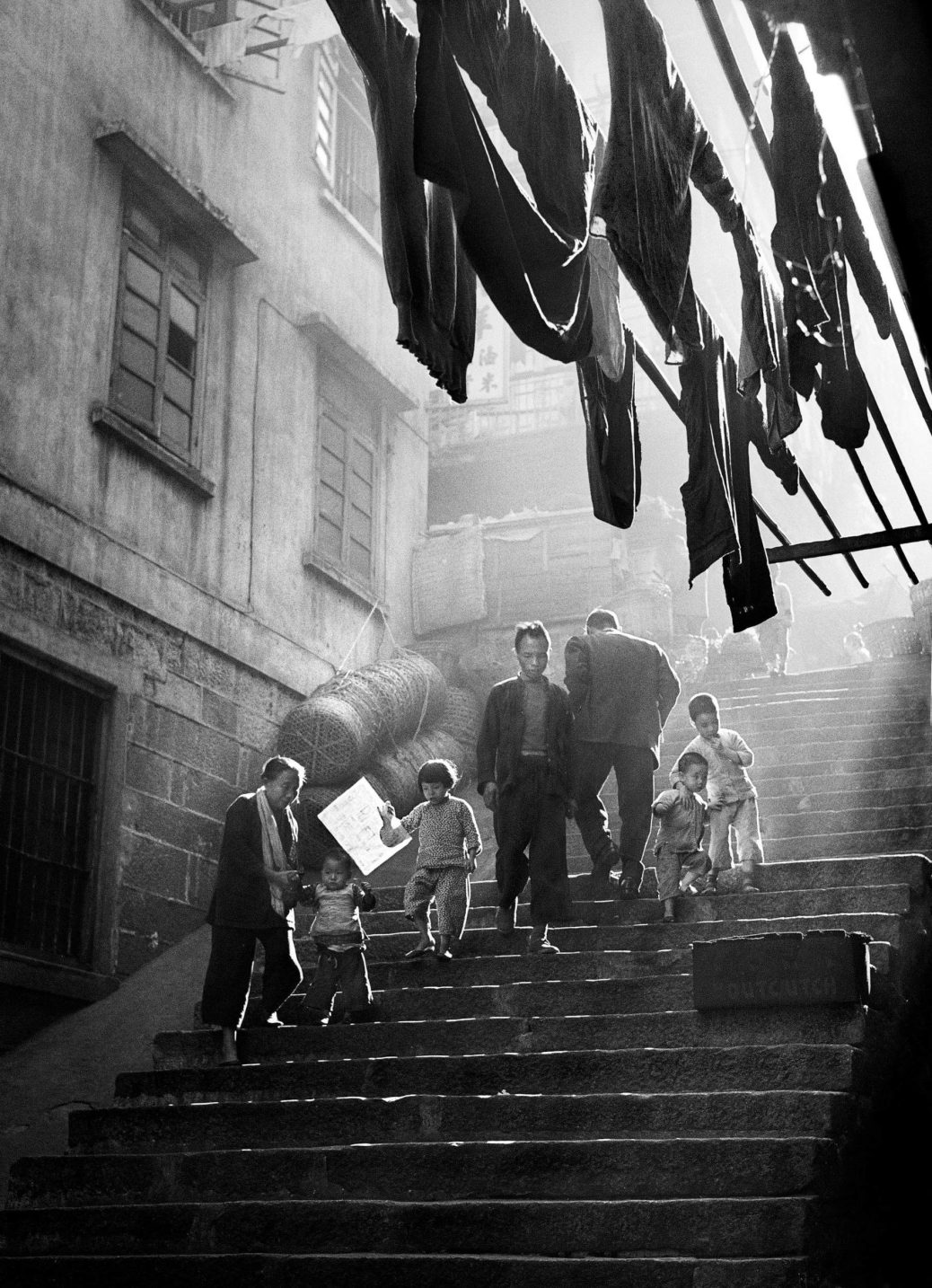
Workers, porters, street vendors, children and passersby repeatedly appear in his photographs. Rather than simply documenting the changing face of Hong Kong, Fan Ho was interested in the people who inhabited it. His images speak of dignity, hardship and resilience, often transforming ordinary moments into scenes that seem suspended outside time. Fan Ho’s photography exists in a delicate balance between realism and abstraction. Architecture is reduced to lines, planes and geometric structures, while the human figure often appears small within the frame, surrounded by shadow, mist or shafts of light. Busy streets can suddenly become contemplative spaces and solitary figures acquire an almost theatrical presence. Light lies at the heart of his visual language. Fan Ho worked extensively with backlighting, deep shadows and strong contrasts, allowing bodies and architectural forms to emerge from darkness as silhouettes. The resulting images have a distinctly cinematic quality, combining observation of real life with an atmosphere of mystery and carefully controlled visual tension. His compositions were often influenced by principles associated with painting. Vertical and horizontal lines structure the image, while empty space becomes as important as the subjects themselves. Yet this formal precision never overwhelms the human dimension of his photography. Geometry and emotion remain inseparable.
For Fan Ho, the photographic process did not necessarily end when the shutter was released. He continued shaping his photographs in the darkroom, cropping negatives, adjusting tonal values and eliminating elements he considered unnecessary. Editing allowed him to reinforce lines and volumes and to bring the final image closer to the visual idea he had imagined.
This approach also reveals the connection between his photography and his long career in cinema. Fan Ho saw the two mediums as closely related forms of visual storytelling. His experience as a filmmaker strengthened his understanding of timing, atmosphere and narrative, while his photographic eye remained evident in his cinematic work.
The exhibition also includes Approaching Shadow and Street Scene, two of Fan Ho’s most iconic photographs and powerful examples of his ability to combine formal precision with human sensitivity.
Seen together, the one hundred photographs reveal a Hong Kong that has largely disappeared, but Fan Ho’s work goes far beyond historical testimony. His images transform the everyday life of a specific city and period into something universal, where light, architecture and human presence come together to express solitude, movement, resilience and the poetry of ordinary life.
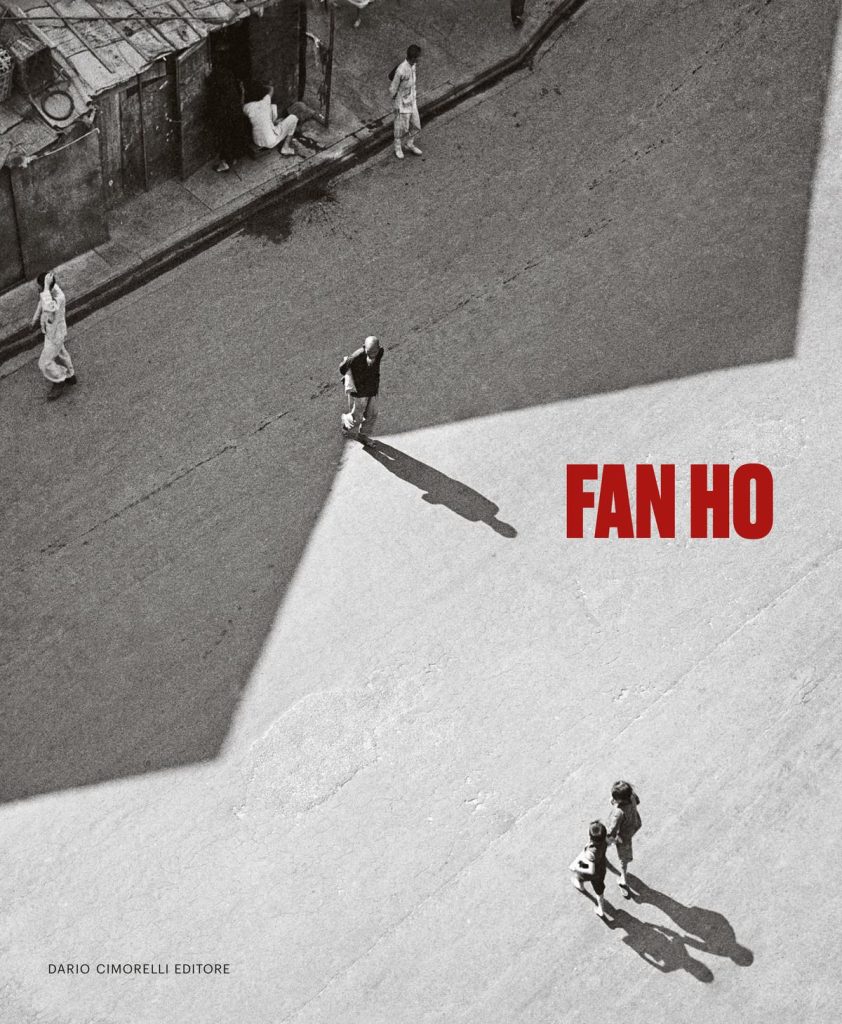
The exhibition is accompanied by a catalogue published by Dario Cimorelli Editore.
About the Author
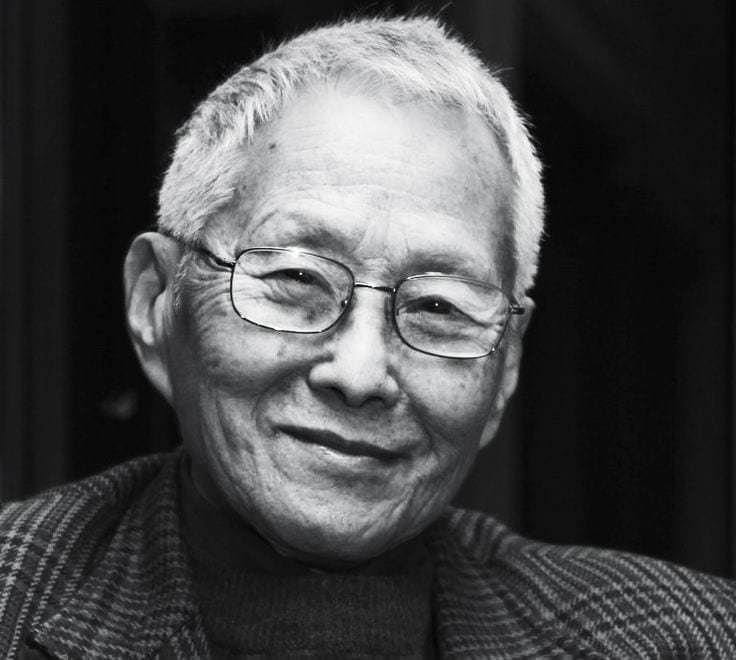
Fan Ho was born in Shanghai in 1931 and became one of the most celebrated photographers associated with twentieth century Hong Kong. He began taking photographs at the age of fourteen after receiving his first camera from his father and moved with his family to Hong Kong in 1949.
During the 1950s and 1960s, he photographed the streets, markets, alleys and working class neighbourhoods of the city, developing a distinctive visual language based on geometry, dramatic contrasts and an extraordinary use of light and shadow. His photographs focused largely on ordinary people and everyday life, combining humanist observation with a strong sense of abstraction and composition.
Fan Ho received hundreds of international and local photography awards during his career and became one of the youngest fellows of the Royal Photographic Society. Although he had no formal photographic training, his work quickly gained international recognition.
Alongside photography, Fan Ho developed an extensive career in cinema. He worked as an actor for the Shaw Brothers studio before becoming a film director, remaining active in the Hong Kong film industry for several decades. He considered photography and cinema closely connected and often spoke of both as forms of visual storytelling.
Later in life, he returned to his archive of Hong Kong negatives, revisiting and reinterpreting images from his early career. His photographs have been published in several books, including Hong Kong Yesterday, The Living Theatre and A Hong Kong Memoir.
Fan Ho died in the United States in 2016. His work is held in major public collections including M+ in Hong Kong, the Hong Kong Heritage Museum, the Bibliothèque nationale de France and the San Francisco Museum of Modern Art. Today he is recognised internationally for a body of work that transformed the everyday streets of postwar Hong Kong into some of the most distinctive images in twentieth century street photography.
Fan Ho:The Master of Hong Kong Photography
from 11 September 2026 to 10 January 2027,
Palazzo Falletti di Barolo – Turin – Italy