Kazuo Kitai: L’éloge du quotidien
For its spring–summer 2026 season, the Maison de la Culture du Japon à Paris presents the first major French retrospective dedicated to Kazuo Kitai, one of the most significant yet still underrecognised figures of postwar Japanese photography.
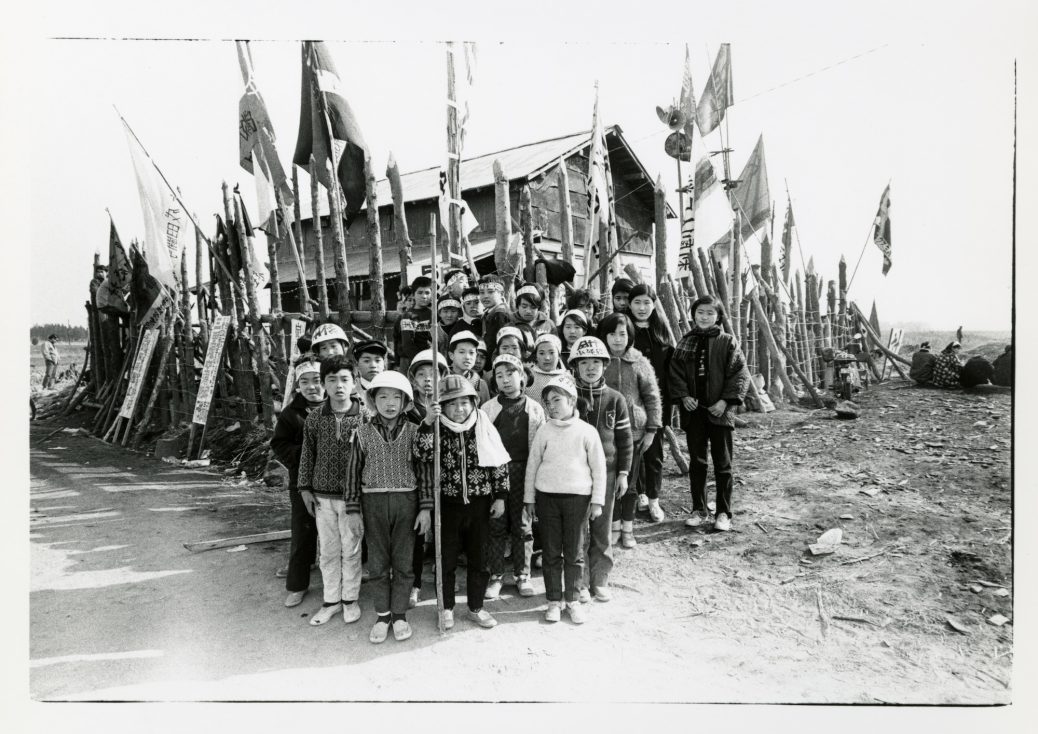
Born in Manchuria, Kitai returned to Japan as a child and rose to prominence in the late 1960s with landmark documentary series including Barricades and Sanrizuka, made in the thick of student uprisings and the peasant resistance against the construction of Narita Airport. In the 1970s, he turned his lens on vanishing rural Japan with Towards the Villages and Vaguely Familiar Landscapes — works that earned him the inaugural Kimura Ihei Award in 1975. He subsequently explored working-class urban life in Funabashi Story (1980s), and has continued to reinvent himself into his eighties with the series Walks with My Leica and IROHA. His most recent honour, the Kazuemon Hidano Prize, was awarded in 2024.
Across more than fifty years, Kitai has built a humanist body of work defined by a sideways gaze — consistently trained on the margins of major events rather than at their centre, and on the ordinary gestures of people living through extraordinary change.
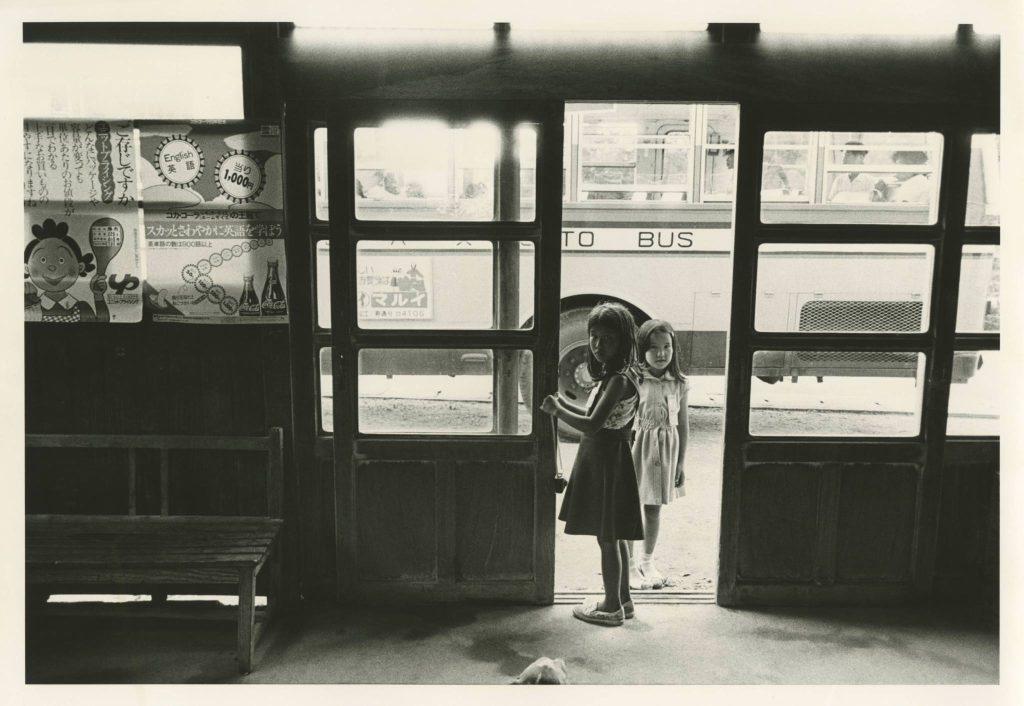
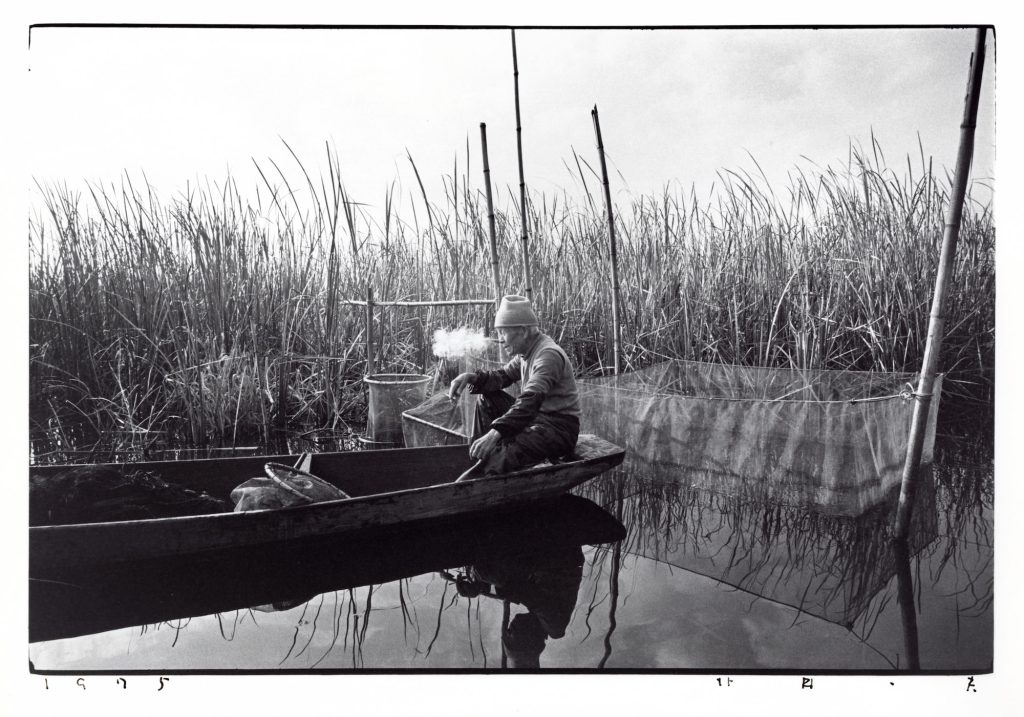
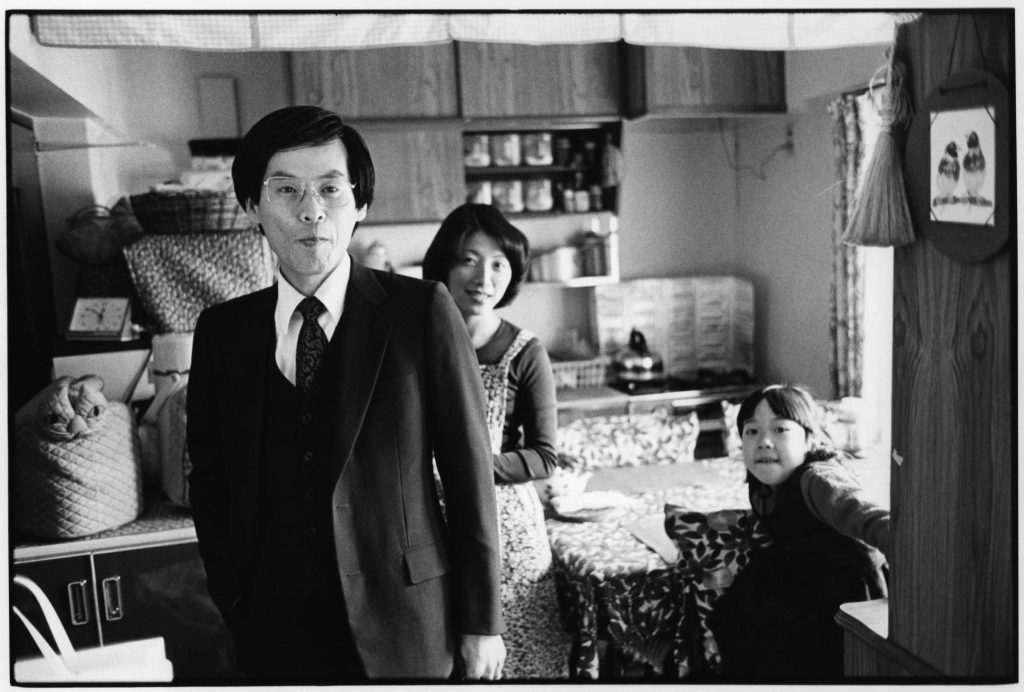
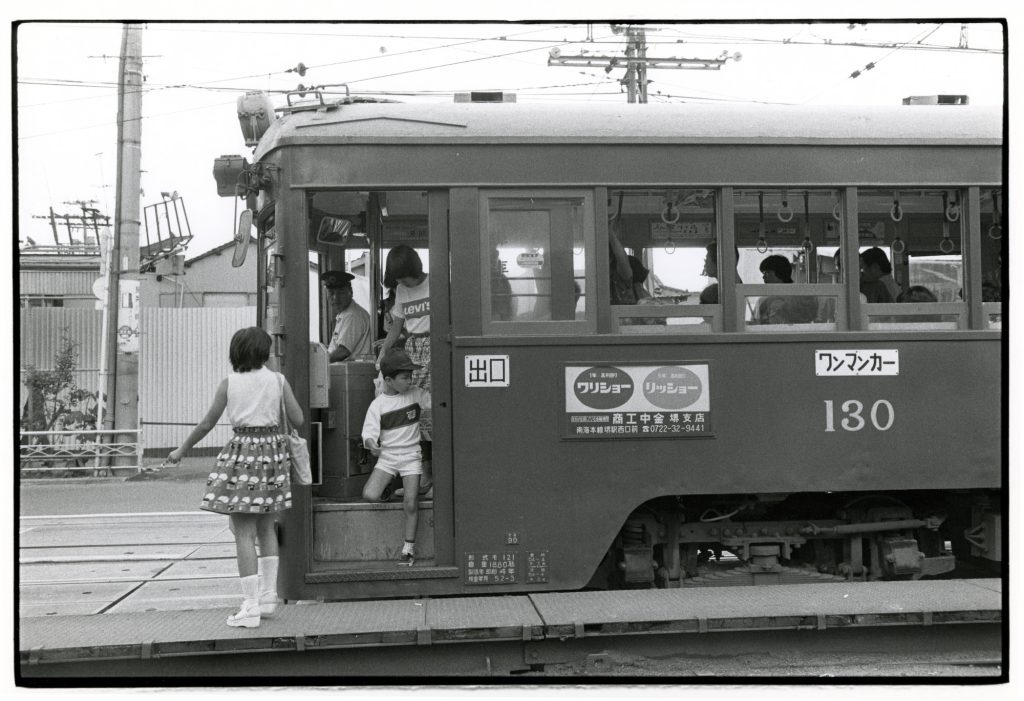
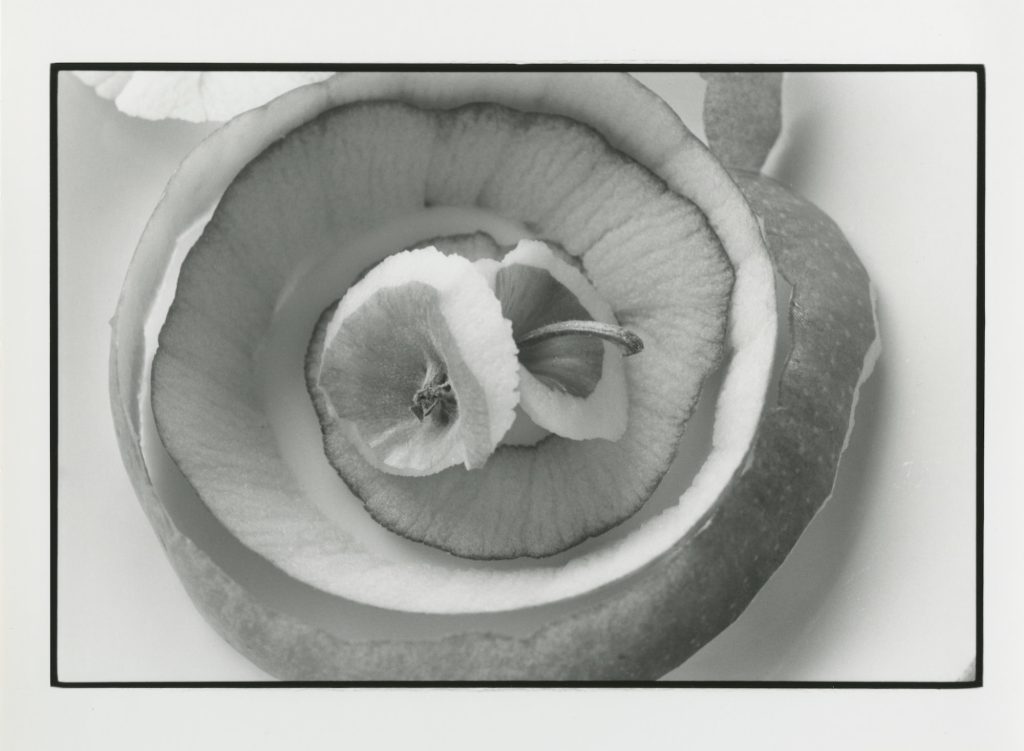
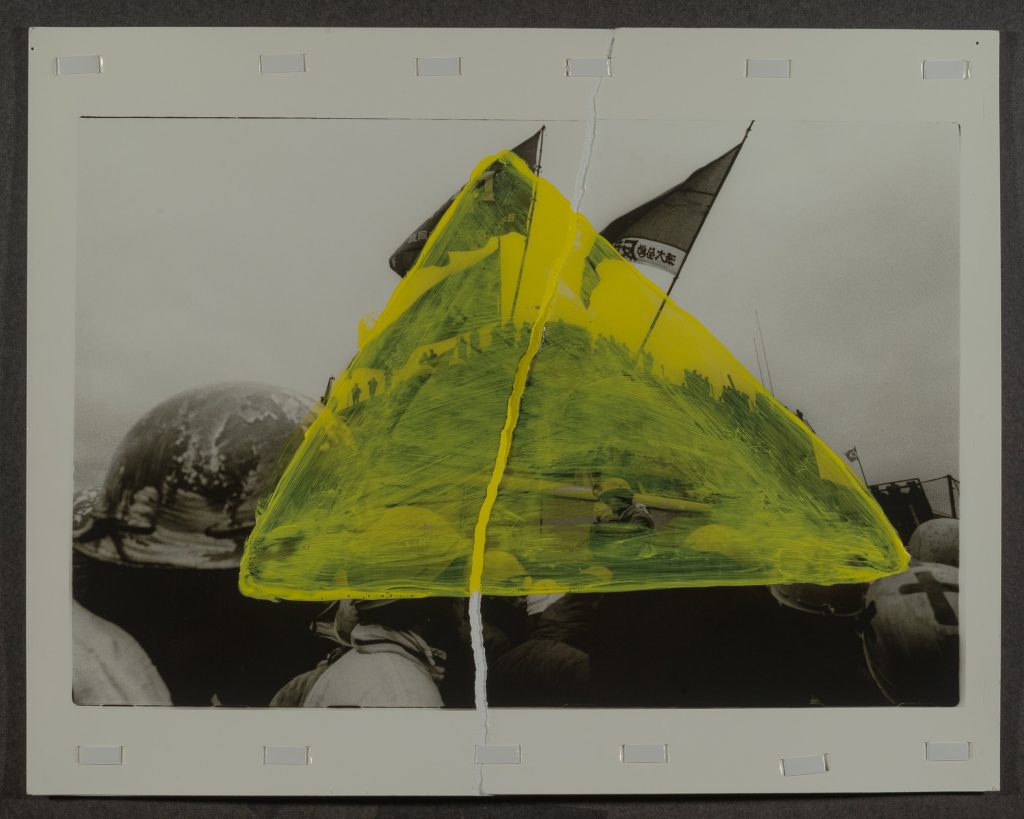
The exhibition brings together nearly 130 prints tracing the full arc of his career, organised into four sections. Revolt revisits his early activist series on the student movements of the 1960s. Life in the Countryside immerses visitors in the melancholy of rural Japan during the 1970s. Living in the City documents the everyday lives of the middle class in Tokyo’s suburban dormitory towns and the working-class district of Shinsekai in Osaka during the 1980s. Finally, Day by Day turns to Kitai’s more intimate recent work, closing with IROHA — a series in which he tears apart his earliest photographs and covers them with painted signs, transforming destruction into creation.
Curated by Satomi Fujimura (Tokyo Metropolitan Foundation for History and Culture, Arts Council Tokyo), the exhibition is organised by the MCJP (Japan Foundation), with the support of the Tokyo Photographic Art Museum and the City of Funabashi.
About the Author
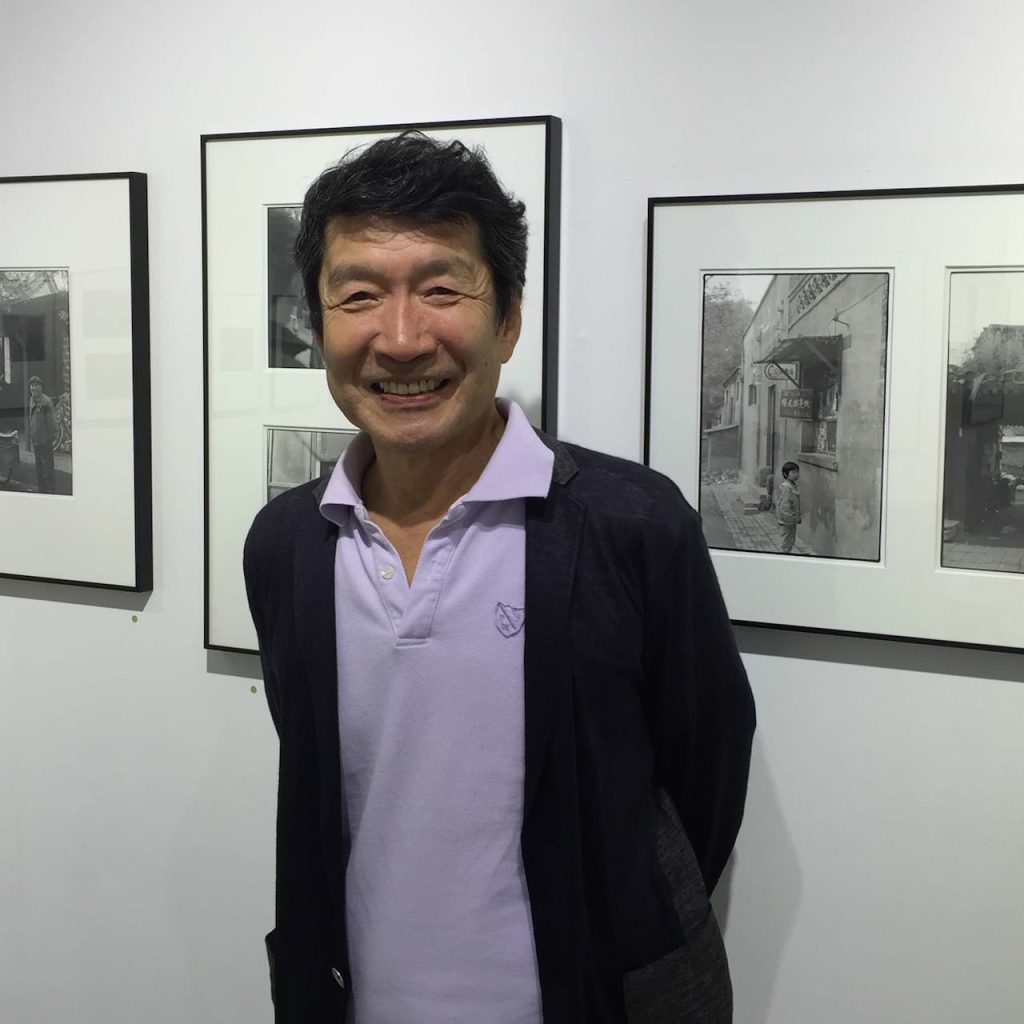
Born in 1944 in Manchuria, Kazuo Kitai first came to prominence with his protest photography of the 1960s and 1970s. Blurry, grainy, and radical in both style and substance, his images draw much of their power from his deep immersion in the communities he documented — living inside the barricades, embedded in the heart of the struggles, and turning his lens on the daily life of the protesters rather than the clashes themselves.
At twenty, Kitai produced his first series, Resistance, documenting the 1964 demonstrations near the American military base at Yokosuka. He went on to photograph student activist groups before relocating to Sanrizuka, a farming village east of Tokyo where residents waged a years-long resistance against the forced expropriation of their land for the construction of Narita International Airport.
Kitai then left the city behind to document rural Japan — a vast, long-term project that earned him the prestigious Ihei Kimura Memorial Award for Photography and established his reputation as a chronicler of a disappearing way of life.
Now in his eighties, Kitai remains creatively active. His recent work revisits and physically transforms earlier series, tearing apart old photographs and reworking them with painted marks — a gesture that questions the lasting relevance of past struggles and affirms, once again, his refusal to stand still.
Kazuo Kitai: L’éloge du quotidien
through July, 25, 2026
Maison de la Culture du Japon à Paris (MCJP)
More info:
https://www.mcjp.fr/